Nvidia intervention halts Commerce Department probe into suspected China chip diversion, report finds
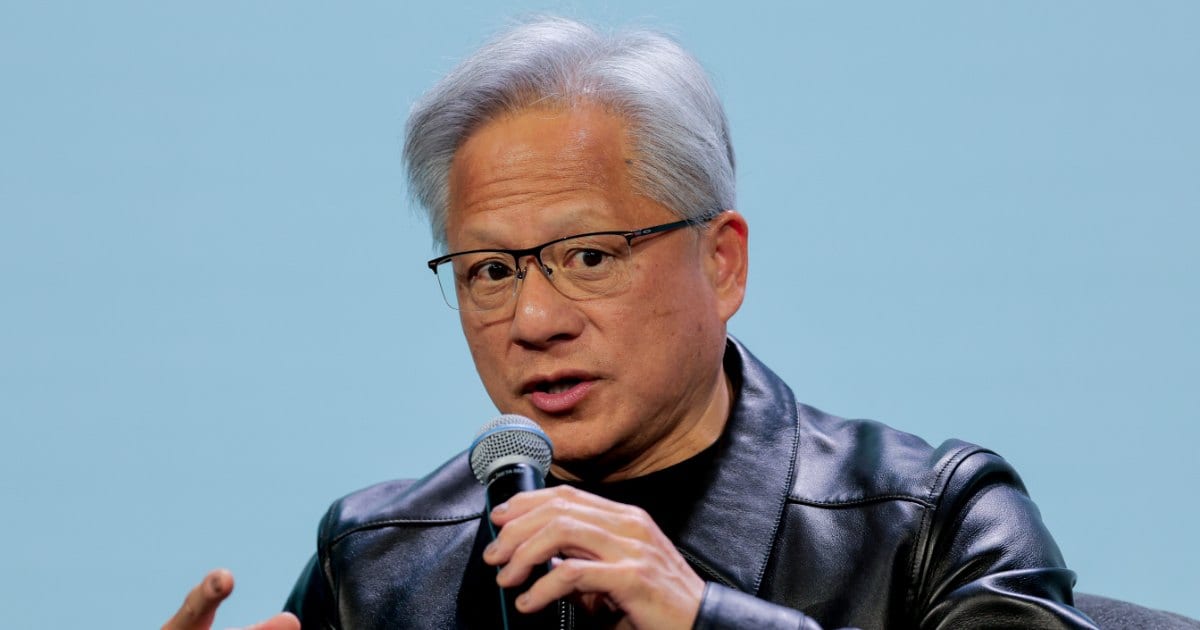
WASHINGTON, DC: The New York Times reported that after a senior Nvidia executive reached out to federal officials, an investigation into a Singapore company suspected of shipping advanced Nvidia AI chips to China was transferred from the Commerce Department to the Justice Department. The move raised questions about whether Nvidia had too much influence over the government's export-control process, particularly with multibillion-dollar chip shipments at stake.
In August 2025, Nvidia's General Counsel Tim Teter emailed Commerce Department investigators about their probe into Megaspeed, which operates data centers out of Singapore. He cited a senior Commerce official who had given him the green light to make contact. Investigators declined to meet with him, but his request triggered an internal debate within the department, with some officials concerned that direct communication with Nvidia could jeopardize the investigation.
Nvidia executive's email raised concerns at Commerce Department
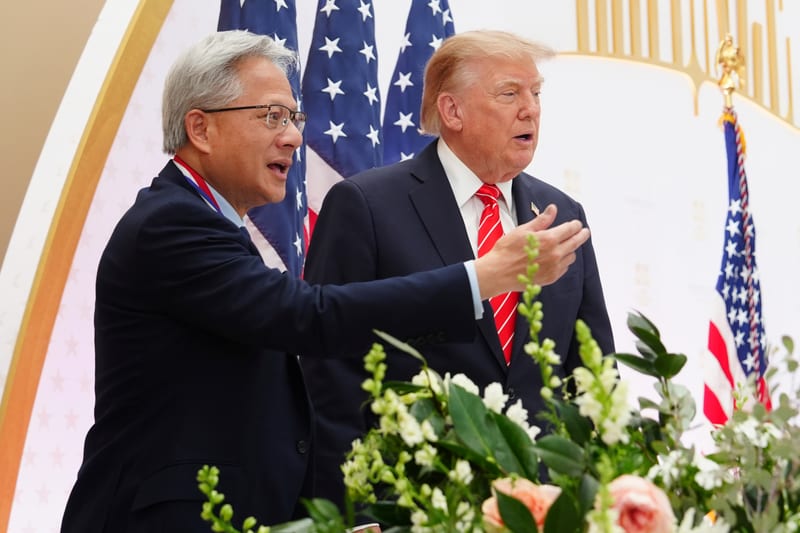
Teter told investigators that Jeff Kessler, a senior Commerce official overseeing export controls, had given him the green light to reach out. Kessler reports directly to Commerce Secretary Howard Lutnick.
The reference to Kessler put investigators on edge. They turned down Nvidia's request for a meeting. After reviewing the email chain, Kessler told them to follow established procedures, a Commerce Department official told The New York Times. He did not instruct investigators to share details with Nvidia or attempt to influence their decisions.
Even so, the episode sparked an internal debate within Commerce about the risks of communicating with Nvidia. Not long afterward, the Justice Department stepped in, asked Commerce to pause its work and took over the investigation, according to people familiar with the situation.
The transfer stood out because Commerce investigators had spent months building their case and had several options available. They could have restricted Megaspeed's access to US technology themselves. Instead, the Justice Department took charge of a criminal investigation into the company.
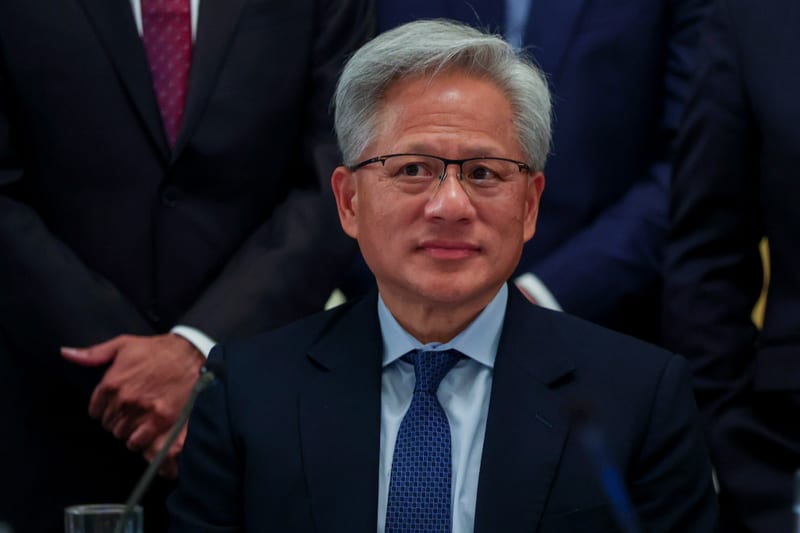
The development raised questions about whether Nvidia’s lobbying influenced how the investigation unfolded. Still, there is no definitive evidence that Nvidia caused the transfer or that Commerce officials halted their investigation to benefit the company.
Megaspeed suspected of diverting Nvidia AI chips to China
Megaspeed imported billions of dollars' worth of Nvidia AI equipment into Malaysia while building data centers across Southeast Asia for Chinese clients, including Alibaba. Providing data center services to Chinese customers is not illegal on its own.
However, US authorities were concerned that some of the advanced chips could eventually reach China in violation of American export restrictions. Investigators focused on whether Megaspeed's Nvidia equipment had actually ended up with Chinese customers. The company came under scrutiny as Washington sought to prevent China from accessing America's most advanced AI technology.
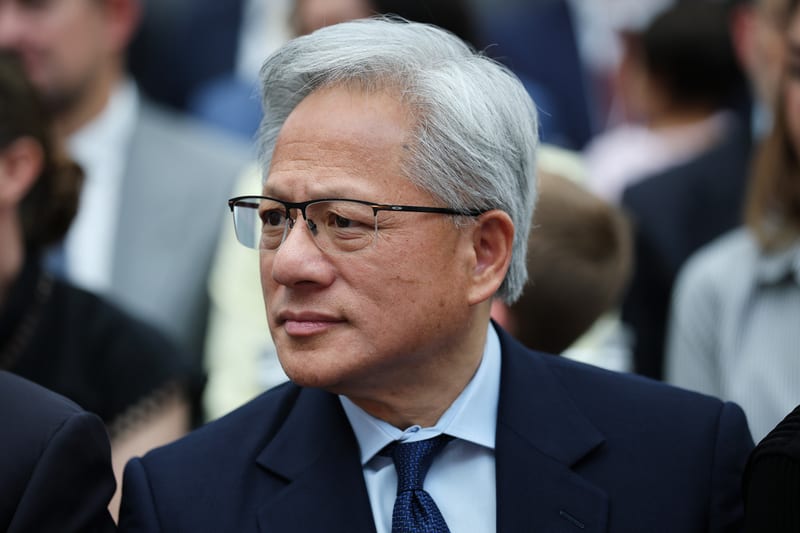
The case also attracted attention because of reports about a personal relationship between Megaspeed executive Alice Huang and Nvidia CEO Jensen Huang. US intelligence officials have accused Alice Huang of working for the Chinese government.
On Sunday, Nvidia’s board announced that it was examining Jensen Huang's relationship with Alice Huang, bringing the company's connections to Singapore-based Megaspeed under further scrutiny.
All this unfolded as Nvidia faced questions about its role in the global AI competition and whether it was complying with US restrictions on advanced chip exports. With the Justice Department's criminal investigation underway, authorities are examining whether Megaspeed illegally diverted American technology to China.