'They will have nothing': Scott Bessent issues stark warning on Trump's Iran strategy
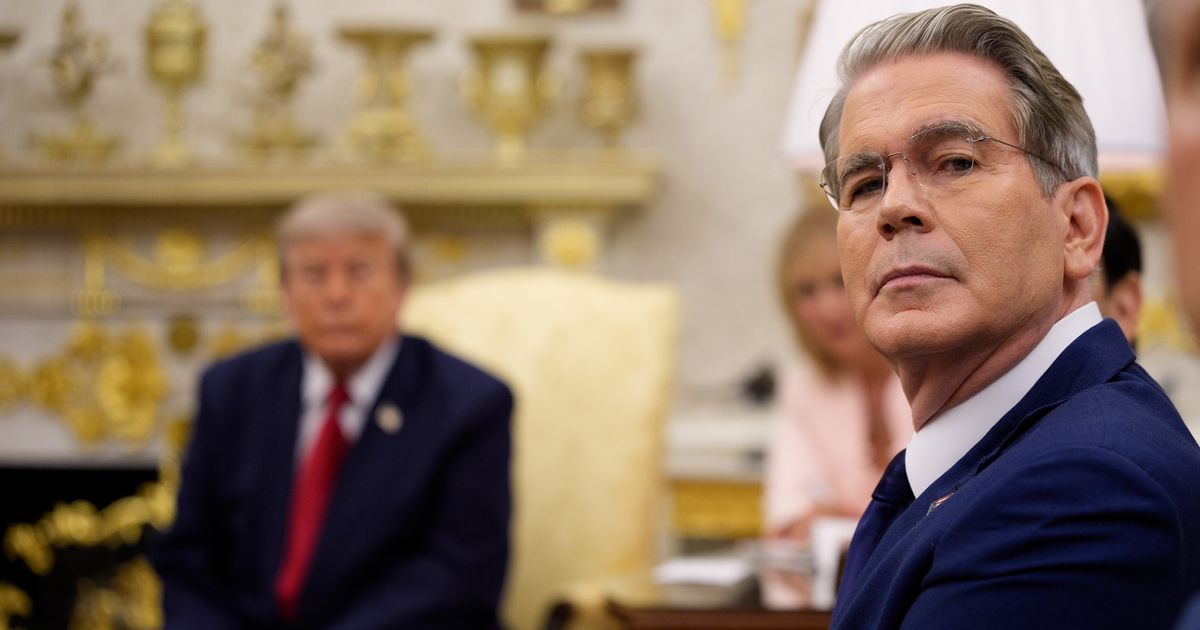
WASHINGTON, DC: Treasury Secretary Scott Bessent said Iran could soon lose its remaining oil shipments to China, leaving Tehran with “nothing to trade” as the Trump administration maintains its economic pressure campaign.
Bessent said China had substantially reduced its assistance to Iran and predicted the country would soon have no oil left to exchange for goods or other support.
He made the remarks on Sunday, September 27, during an interview with Larry Kudlow on Fox News, as President Donald Trump rejected Iran’s proposal to reopen the Strait of Hormuz within seven days.
WATCH IN FULL: @SecScottBessent interview on @FoxNews' @SundayFutures with @larry_kudlow pic.twitter.com/KB6tQKOL60
— Treasury Department (@USTreasury) September 27, 2026
Scott Bessent says Iran's remaining oil shipments are running out
“I am confident, given that there's only 15 million more barrels of Iranian oil on the water, that Iran will have nothing left to trade for anything,” Bessent told Kudlow.
He predicted Iran would make its final oil deliveries to China within two weeks, arguing that the country was running out of resources to sustain its trade.
“Probably within the next two weeks, they are going to make their final deliveries of oil to China, and then they will have nothing,” he said.
Bessent also rejected claims by retired General Jack Keane that China had increased military supplies and intelligence assistance to Iran, including support for ballistic missile programs.
“Again, I have great respect for General, but he is mistaken here,” Bessent said.
He added that the administration’s pressure campaign was already affecting Iran’s ability to trade, saying more than 1 billion barrels of oil had left the region under the US blockade, while Iranian oil exports remained restricted.
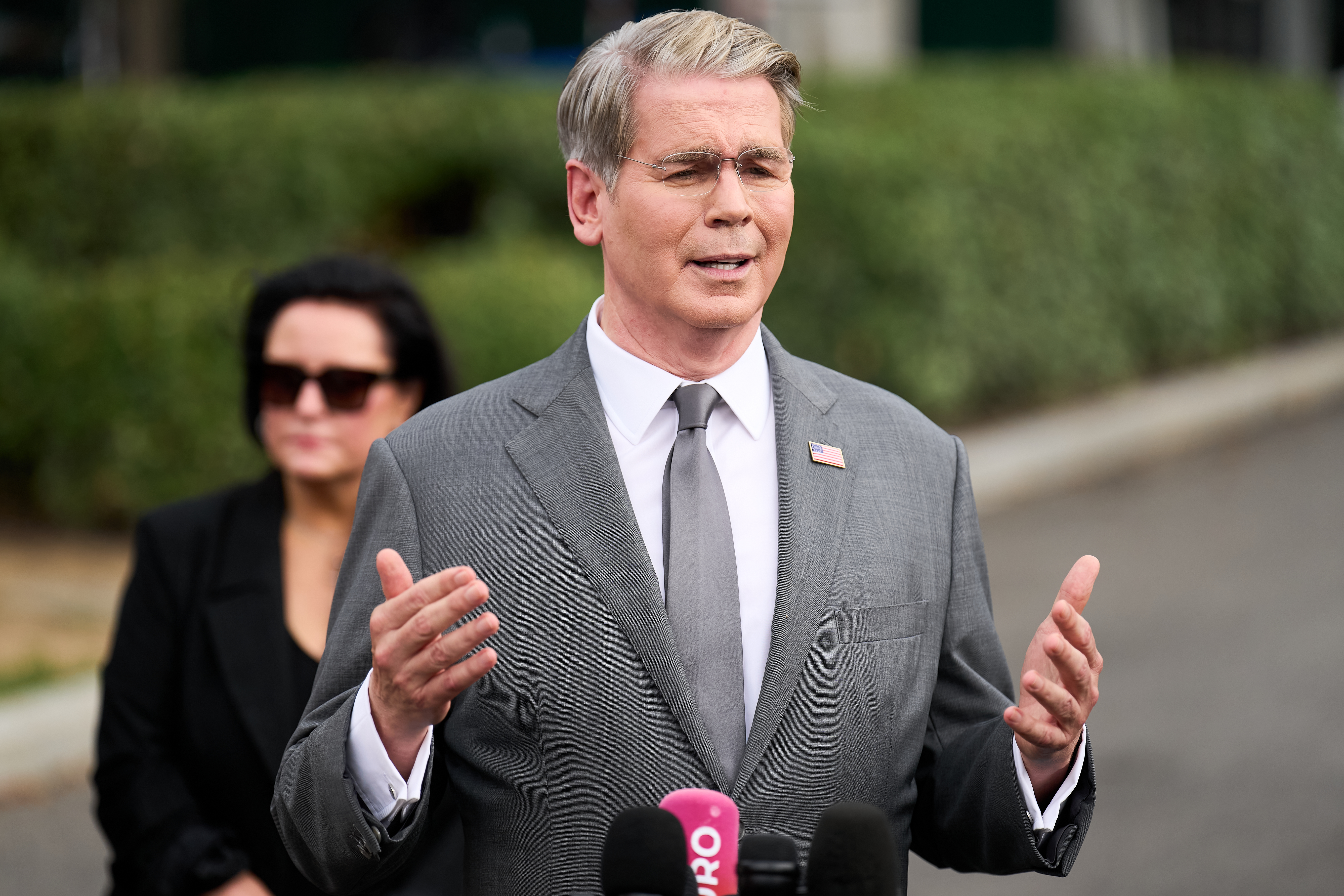
President Trump rejects Iran's seven-day proposal
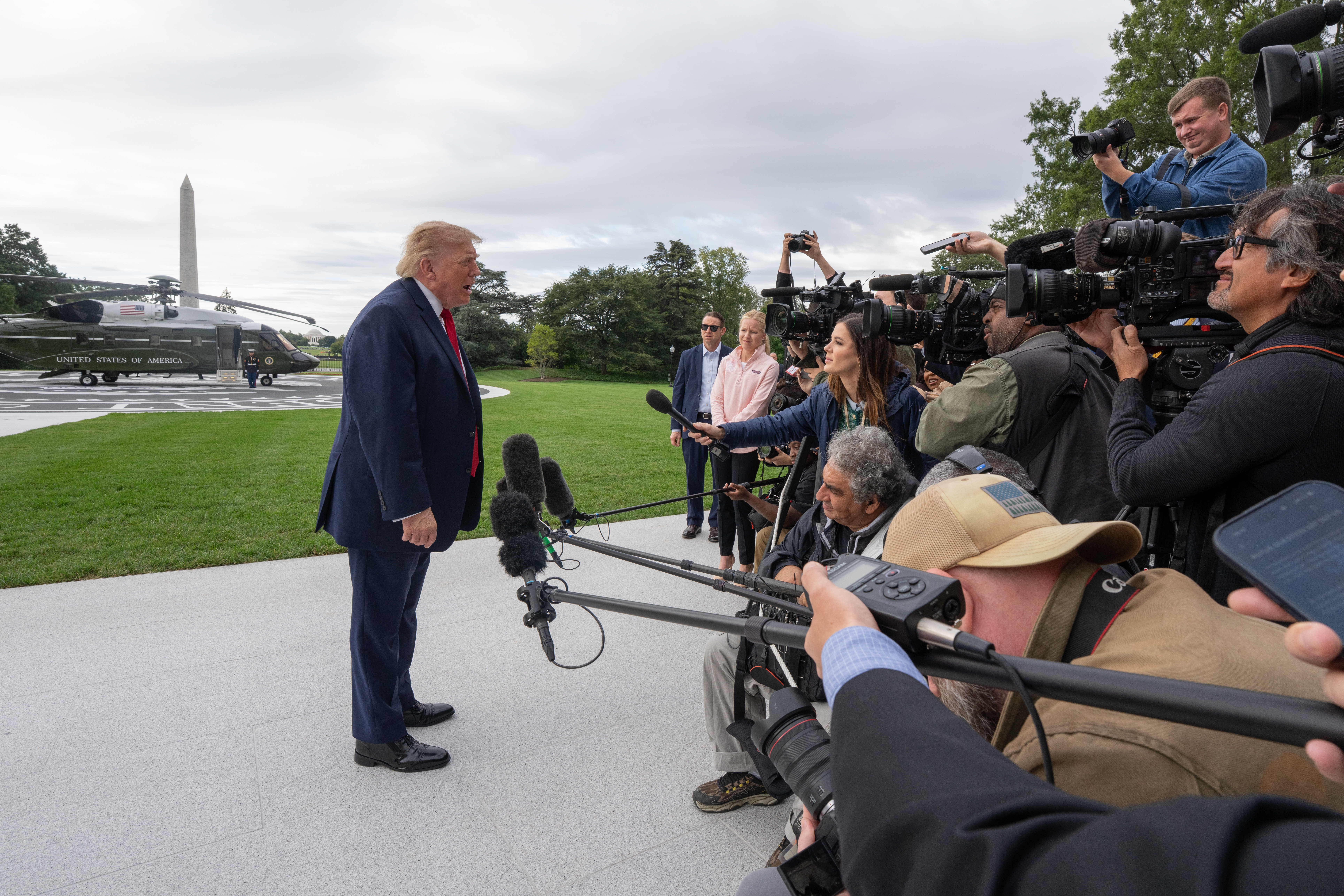
Trump rejected Tehran’s offer to reopen the Strait of Hormuz and resume nuclear negotiations within seven days in exchange for lifting the US naval blockade and making other concessions.
Iran’s proposal also sought the release of some frozen assets, restoration of a waiver allowing oil exports and a ceasefire on all fronts.
Iranian Foreign Minister Abbas Araghchi said on Sunday that reopening the Strait depended on meeting Tehran’s conditions.
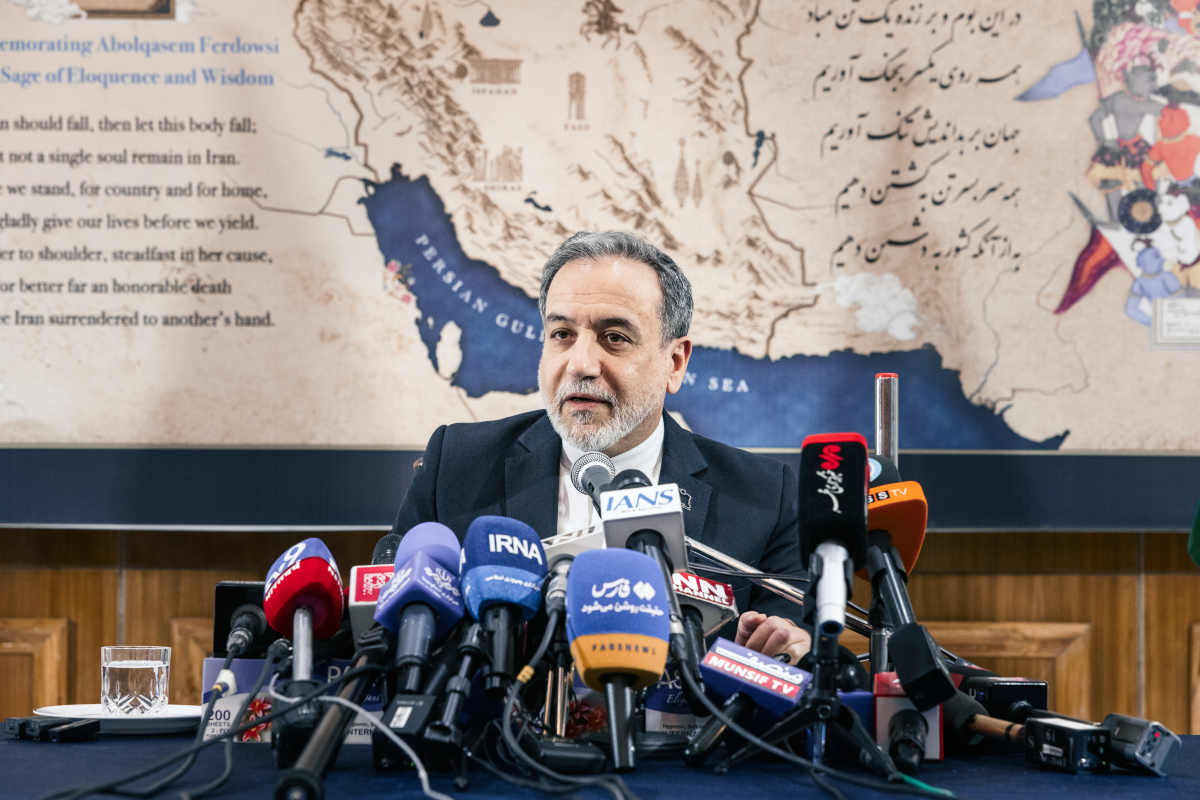
“We will not back down from them,” Araghchi said, according to Iran’s state broadcaster IRIB.
He also said Iran had not closed the door to diplomacy or negotiations.
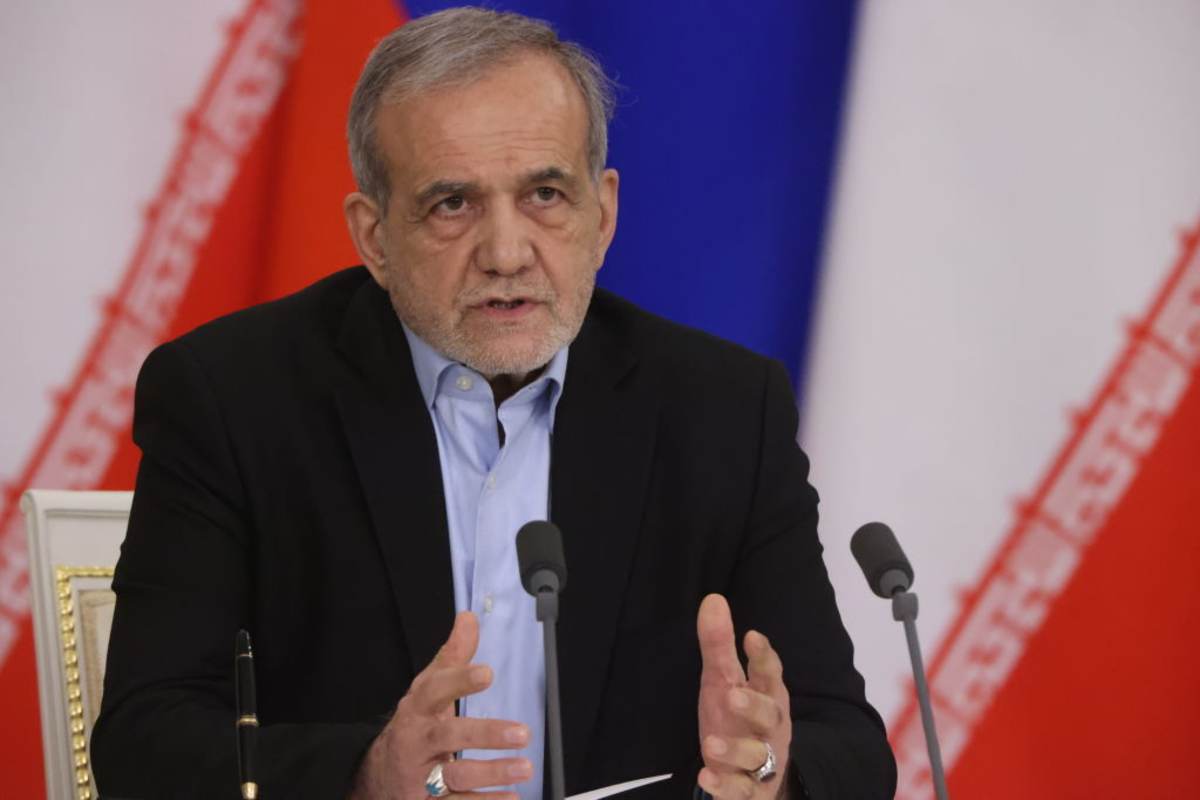
Iranian President Masoud Pezeshkian said Tehran remained willing to negotiate but did not trust Washington because of previous experiences.
Bessent, meanwhile, said the administration believed Iran was feeling the economic pressure and wanted to reach a deal.
Economic pressure targets Iran's revenue
Bessent said the campaign against Iran began in spring 2025, when he announced plans to exert maximum economic pressure on the regime.
He described Operation Economic Outcast as an effort to isolate Iran by targeting its sources of revenue and cutting off its international financial connections.
The Treasury secretary said the administration had shut down three banks and imposed additional restrictions involving crypto, airlines and maritime activity.
He also said Iranian airlines had been shut down.
“Nothing is going in or coming out,” Bessent said, describing the US naval blockade, which he called the “wall of steel.”
He also claimed Iran had lost much of its military capacity following six weeks of military operations, including substantial damage to its missile and drone capabilities and 85% to 90% of its factories.
Bessent said Iran’s currency had fallen from 800,000 to 2.4 million, describing it as practically worthless.
He also said the country was experiencing gasoline shortages despite having the world’s third-largest energy assets, which he attributed to years of neglect.
The secretary said the administration’s objective was to ensure Iran would honor any future agreement, citing Tehran’s failure to stick to a previous memorandum of understanding.