Chinese officials punish reporter for asking Trump about Jensen Huang's loyalty in front of Xi
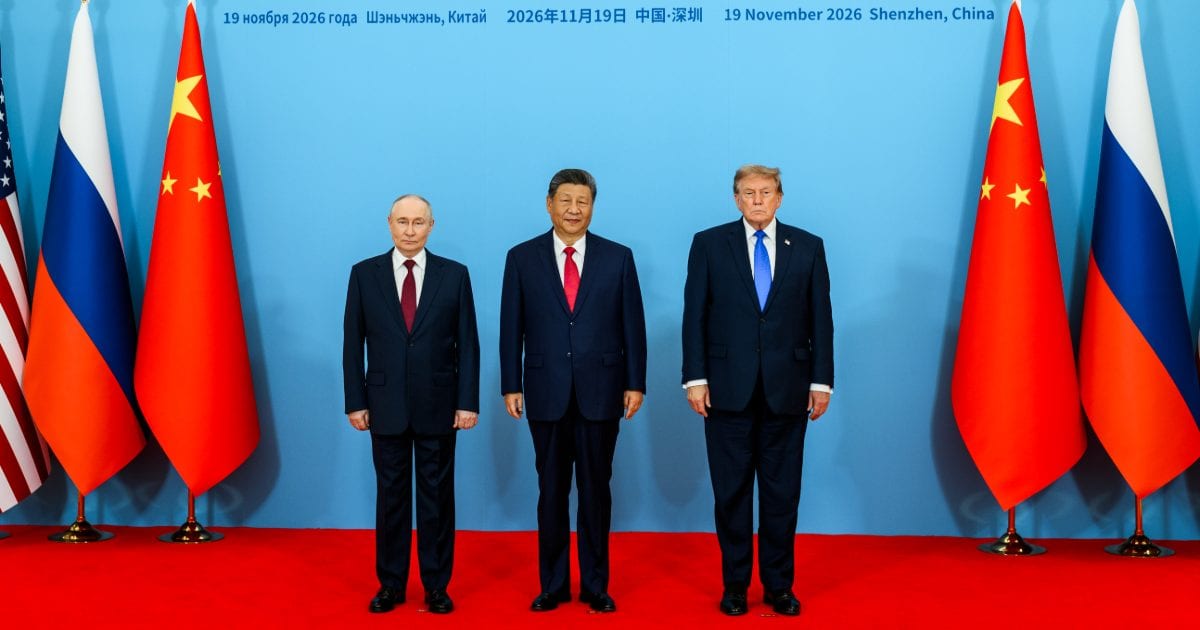
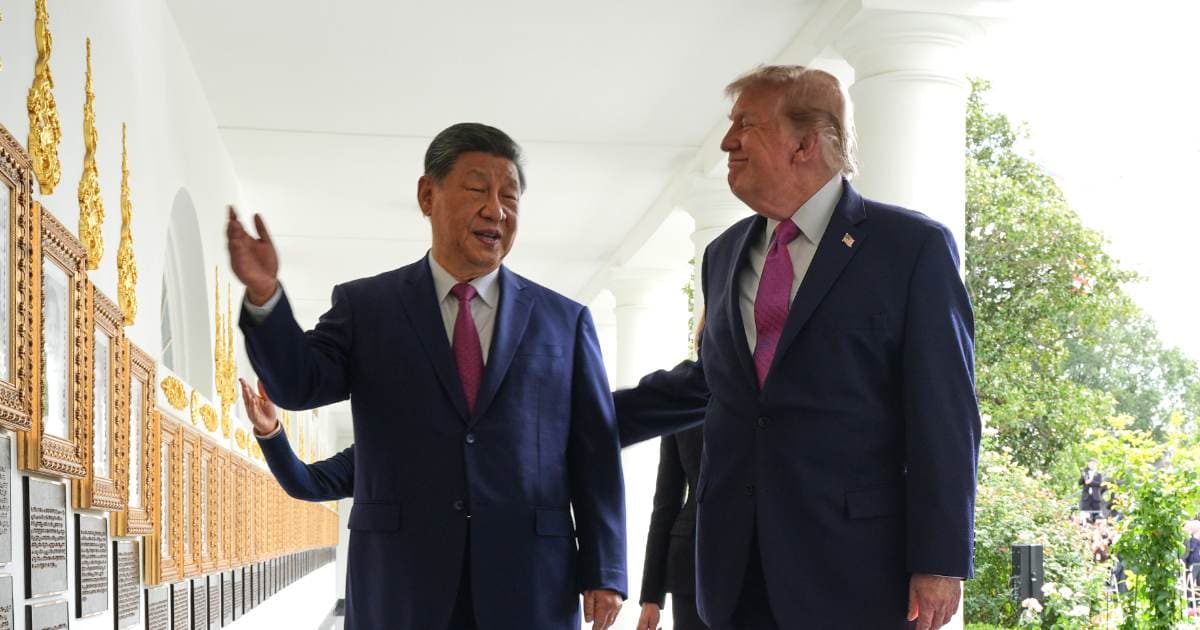
SHENZHEN, CHINA: A diplomatic gathering involving three of the world's most powerful leaders has been overshadowed by an unusual confrontation involving the American press.
What began as an attempt to question President Donald Trump on Thursday, November 19, about the controversy surrounding former Nvidia CEO Jensen Huang has turned into a dispute over who gets access to one of the summit's most closely watched meetings.
The incident has also exposed the sensitivities surrounding the growing US-China technology rivalry.
Update per pool report: “A Bloomberg reporter was barred from this spray because she asked a question during the bilateral meeting with Xi. A WH official said they pushed to have her reinstated but Chinese officials insisted she be excluded.”
— Jacqui Heinrich (@JacquiHeinrich) November 19, 2026
China blocks Bloomberg correspondent
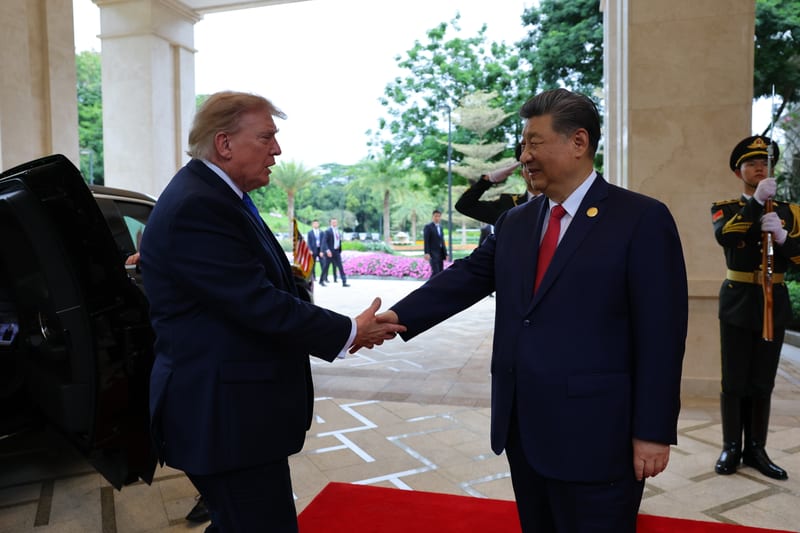
During President Donald Trump's meeting with Chinese President Xi Jinping, Bloomberg journalist Annmarie Hordern broke the silence with a question that quickly drew objections from the Chinese delegation.
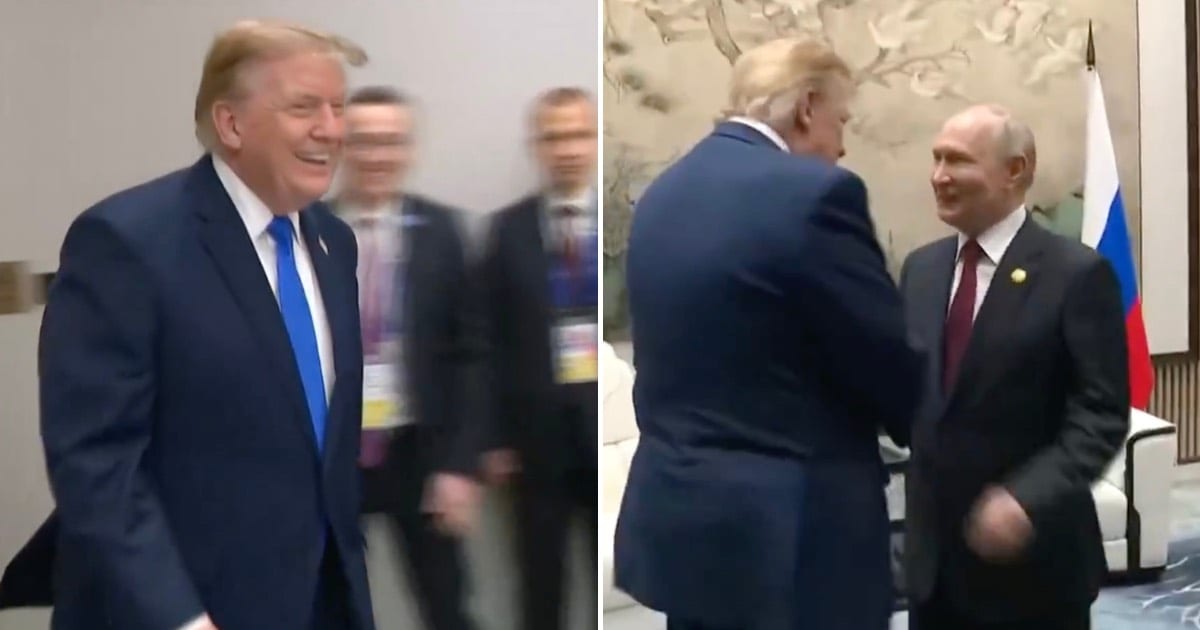
Her attempt to get Trump to address allegations surrounding former Nvidia chief executive Jensen Huang reportedly triggered a dispute over press conduct, with consequences for her access to a subsequent gathering involving Trump, Xi and Russian President Vladimir Putin.
Hordern was part of the American press contingent traveling with Trump during his engagements at the Asia-Pacific Economic Cooperation Summit in Shenzhen.
During a separate meeting between the US president and Xi, she called out: "President Trump, has Jensen Huang been disloyal to the United States?"
The question was directed at Trump with Xi standing right beside him.
Chinese President Xi Jinping hosted what he called a “groundbreaking” discussion with Presidents Donald Trump and Vladimir Putin on Thursday in Shenzhen, China. The discussion spanned issues from Ukraine and denuclearization to the management of major-power disputes. @annmarie has more https://t.co/u2zMy3cDHX
— Bloomberg (@business) November 19, 2026
It concerned allegations that have placed the former technology executive under scrutiny in Washington, particularly his reported association with Chinese businesswoman Alice Huang, who is suspected by American intelligence agencies of having links to Beijing.
Chinese officials informed the American press contingent that Hordern would not be permitted inside a subsequent gathering involving three world leaders.
The White House reportedly attempted to overturn the decision, arguing that Hordern should retain her access to the meeting. Beijing, however, refused to reconsider.
The restrictions also drew attention to another journalist who had attempted to ask a question during the earlier Trump-Xi encounter but was stopped by Chinese officials.
The American traveling press pool was subsequently informed that shouting questions during diplomatic engagements was considered "extremely rude."
Journalists were warned that similar conduct could result in their removal from meetings.
The Nvidia scandal behind the reporter's question
The question about Huang came at a sensitive moment for the Trump administration, as allegations surrounding the former Nvidia chief's personal relationships and business connections have attracted scrutiny in Washington.
Huang stepped down as Nvidia's chief executive on November 12, following revelations about an extramarital relationship with Chinese businesswoman Alice Huang, who was previously associated with Singapore-based technology company Megaspeed International. The two are not known to be related.
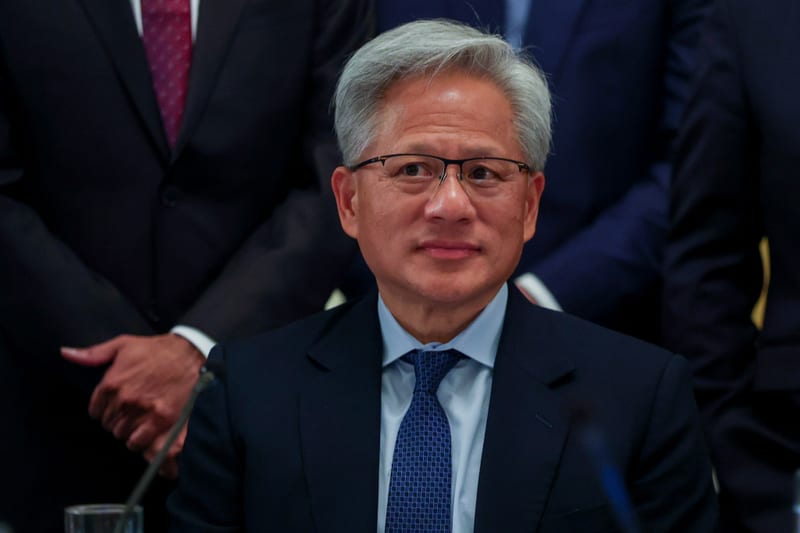
The controversy assumed greater significance after American intelligence agencies reportedly raised concerns that Alice Huang could have links to Chinese intelligence.
Investigators also examined whether Megaspeed had played a role in securing advanced Nvidia processors through arrangements that may have bypassed US restrictions on semiconductor exports to China.
However, the allegations have not established that Jensen Huang knowingly assisted any foreign intelligence operation.
Beijing has rejected the espionage claims, while questions surrounding the alleged transfer of restricted Nvidia chips have remained part of the wider investigation.