Marco Rubio says Iran war is over but Tehran insists nuclear talks have stalled, Hormuz remains shut
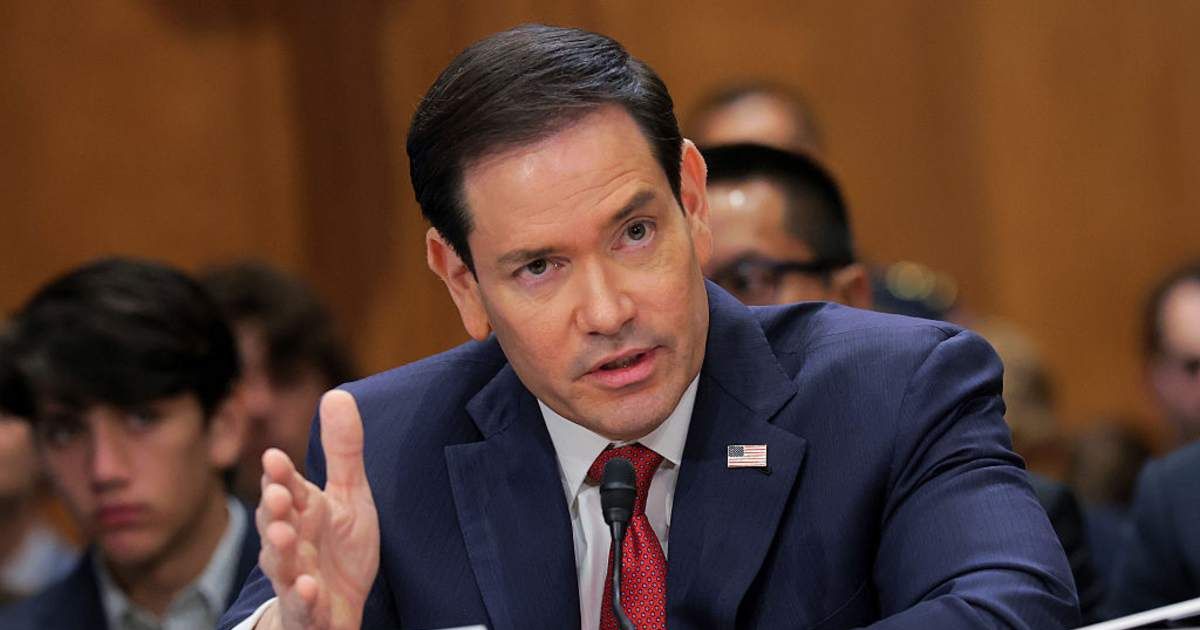
WASHINGTON, DC: Secretary of State Marco Rubio says the Iran war is over. The problem is, not everyone seems to agree on what comes next.
President Donald Trump has insisted in recent days that talks with Tehran are still going on, while Iranian state media has suggested negotiations have effectively stopped. Rubio, meanwhile, has been publicly setting out the administration’s terms for any future deal, even as questions remain whether a lasting settlement is actually within reach.
Marco Rubio says fighting is over, but negotiations are not
One of the biggest concerns throughout the conflict has been the Strait of Hormuz, the narrow waterway through which roughly 20% of the world's oil and liquefied natural gas supplies pass.
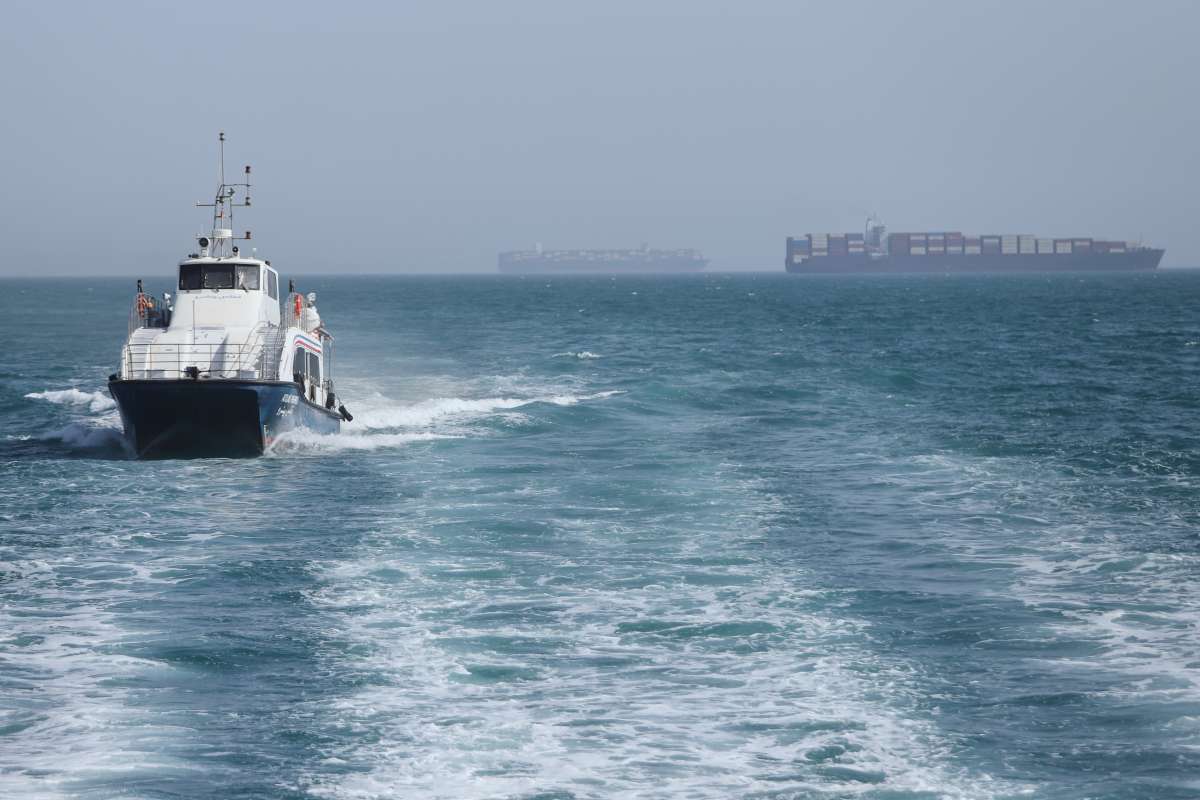
Any renewed instability in the region could affect energy prices, shipping costs, and broader economic conditions felt by consumers around the world.
Adding to the unusual optics surrounding the situation, Rubio recently found himself answering questions about the conflict after attending a UFC event, drawing attention from critics who questioned the administration's messaging during a period of heightened international tension.
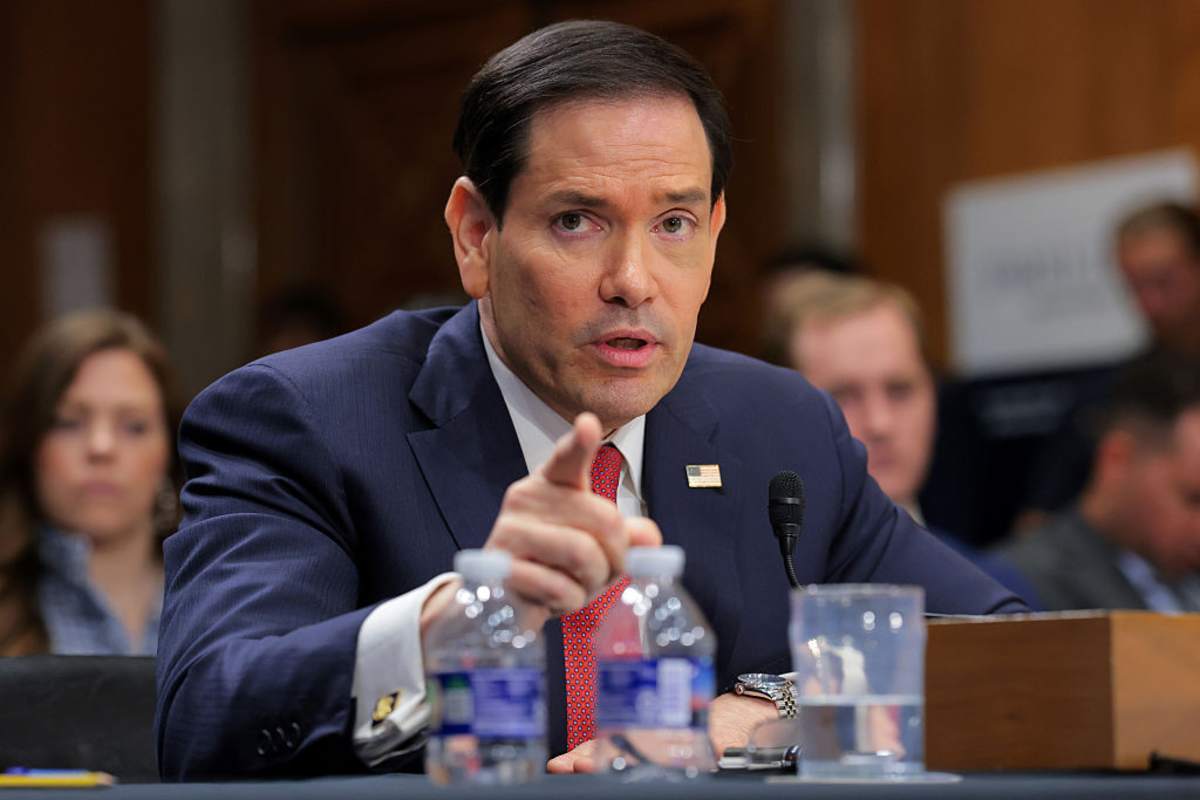
Speaking in his first public congressional testimony since the launch of Operation Epic Fury in February, Rubio argued the Trump administration’s military and economic pressure campaign has significantly weakened the Islamic Republic while pushing Tehran into negotiations over aspects of its nuclear program the regime had previously refused to even discuss.
“There is the prospect before us — which could happen today, it could happen tomorrow, it could happen next week,” Rubio told lawmakers, referring to ongoing negotiations between Washington and Tehran.
.@SecRubio: "There is the prospect before us... that, for the first time, certainly in my memory, they have agreed to negotiate aspects of their nuclear program that just a month ago, just a year ago, they were refusing to even mention, much less enter into discussions about." pic.twitter.com/2XvSGFRkEr
— Rapid Response 47 (@RapidResponse47) June 2, 2026
“For the first time, certainly in my memory, they have agreed to negotiate aspects of their nuclear program that just a month ago, just a year ago, they were refusing to even mention,” he said.
Among the points Rubio highlighted were the reopening and security of maritime routes through the Strait of Hormuz, the future of Iran's nuclear stockpile, and broader questions surrounding the country's political leadership and long-term stability.
A different negotiation from previous Iran talks
Rubio has repeatedly stressed that the administration does not view the current negotiations through the same lens as previous nuclear diplomacy efforts.
The secretary of state also maintained that Iran's position has weakened significantly following the conflict, arguing that Tehran now faces fewer options than it did before hostilities began.
His message has been straightforward: Washington believes Iran is negotiating from a position of weakness, not leverage.
.@SecRubio: "What they are doing is unlawful and illegal. There isn't a country on earth other than Iran... who is in favor of what Iran is doing in the straits... The whole world is against it. So, condition number one is they have to reopen the straits." pic.twitter.com/iu3ftl6LnD
— Rapid Response 47 (@RapidResponse47) June 2, 2026
Rubio said the current phase of negotiations is centered on forcing Iran to fully reopen the Strait of Hormuz and commit to follow-up talks over its nuclear infrastructure and highly enriched uranium stockpile, while making clear the administration would not offer upfront sanctions relief in exchange for reopening the strategic waterway.
“They have to announce very clearly the straits are now open. We’re not charging a toll. We will help remove the mines that they put in there, and they will not fire on ships,” Rubio said, adding that Tehran must also agree to negotiations over “severe and long-term limitations and cancellation of enrichment activity.”
That argument represents a sharp contrast with debates surrounding the 2015 nuclear deal, when critics accused the United States and its partners of making excessive concessions to keep diplomacy alive.
Rubio's position is that the balance of power has changed and that Tehran, not Washington, now has the greater incentive to reach an agreement.
What happens next?
If negotiations advance, Rubio's comments could become the foundation of a broader diplomatic settlement.
If talks collapse, however, the same unresolved disputes over nuclear activity, regional security, and sanctions could quickly become sources of renewed confrontation.
The secretary of state said Tehran’s fractured leadership structure and reliance on intermediaries have complicated negotiations, explaining that responses from the regime can sometimes take days as messages move through internal channels and approval councils.
JUST IN: Secretary of State Marco Rubio delivers a blunt assessment of Iran's military power, declaring that the regime's naval forces have been entirely eliminated.
— Fox News (@FoxNews) June 2, 2026
Rubio mocked their remaining maritime assets and said their sunken ship are nothing more than soon-to-be… pic.twitter.com/LPXn3e5hOk
The remarks came as President Donald Trump pushed back against Iranian media reports claiming negotiations between Washington and Tehran had stalled following renewed Israeli operations against the Iranian-backed Hezbollah terror group in Lebanon.
Rubio, meanwhile, maintained the administration remains optimistic that negotiations can still produce a broader agreement.
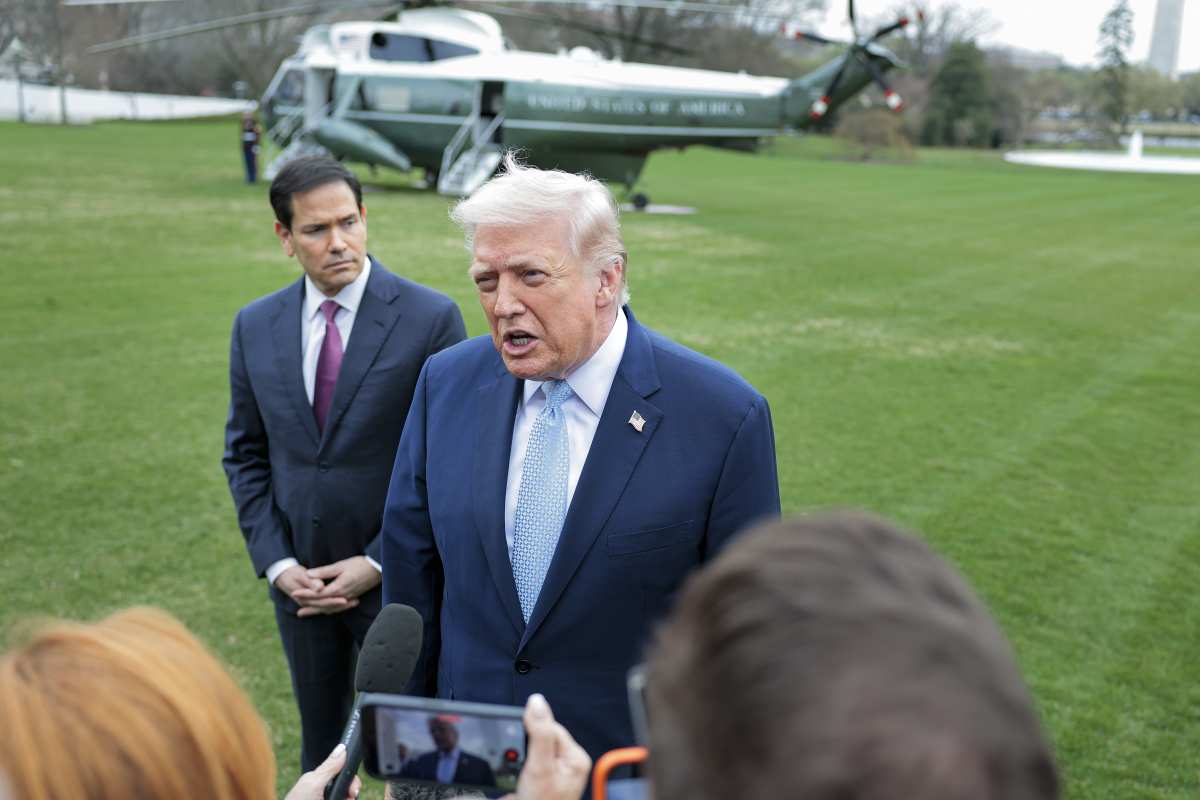
“We’re hopeful that something like that could happen in which the straits would reopen, we would enter into a period of negotiations on very specific topics — delineated negotiations — in the hope of reaching an outcome that’s acceptable to us and something they would be able to do as well,” Rubio said.
Rubio further argued the administration’s military campaign deprived Tehran of what he described as the “conventional shield” it had been building to protect its nuclear ambitions.