Supreme Court closes door on Trump's birthright citizenship case after missed rehearing deadline
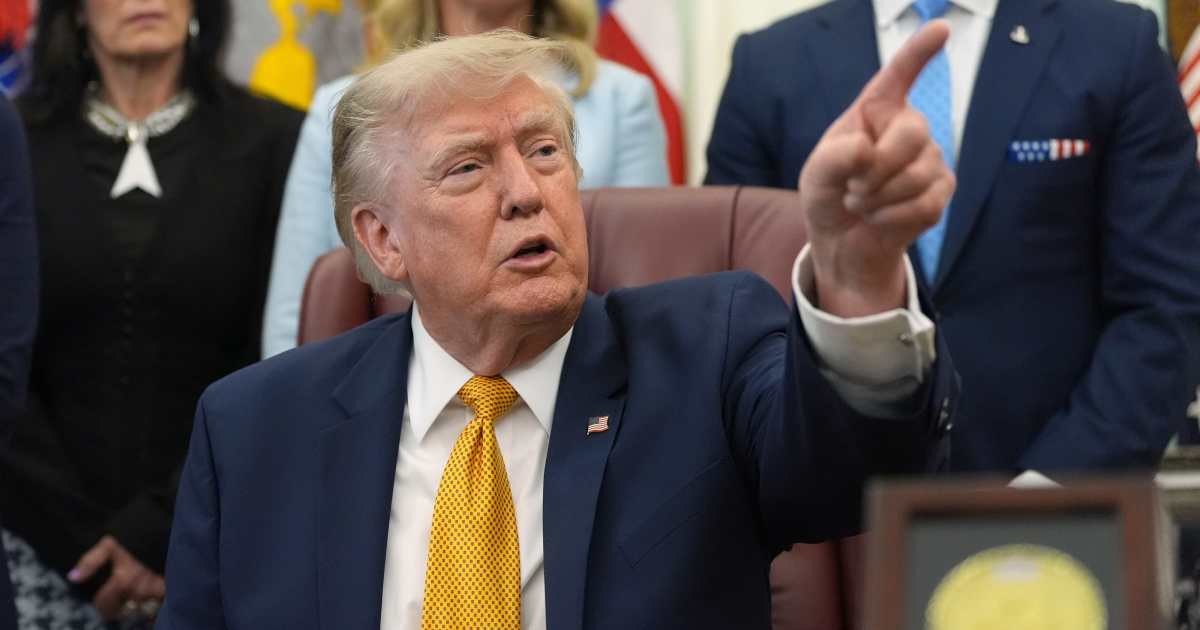
WASHINGTON, DC: The Supreme Court put a final stamp on its June decision, rejecting President Trump’s push to end birthright citizenship. The Trump administration missed its 25-day window to ask for a rehearing, so the case is officially over.
Back in June, the justices voted 6-3 to strike down Trump’s executive order. That ruling kept a lower court decision in place, one that blocked Trump’s attempt to deny automatic citizenship to kids born in the US, even if their parents are here illegally or just temporarily.
A long-shot rehearing that never came
"I will be asking for a Rehearing by the United States Supreme Court, IMMEDIATELY," the 80-year-old president declared on Truth Social last month.
President Trump: “Signs and Billboards are being put up all over our Southern Border, and Mexico, advertising BIRTHRIGHT CITIZENSHIP, with ‘Deliveries starting at $4000.’ Likewise, similar signs going up all over our Country. Billions of Dollars will be illegally made by this… pic.twitter.com/sPCYf9TlGW
— Insider Paper (@TheInsiderPaper) July 8, 2026
"This miscarriage of justice will destroy America if they don't change their absolutely insane decision."
But that deadline came and went without the Trump administration submitting such a filing.
Now, the Supreme Court has put the final nail in the coffin, issuing a certified judgment and affirming a lower court ruling that had blocked the president's executive order seeking to ban automatic citizenship to children born on US soil to parents in the country temporarily or illegally.
A rehearing was a long shot from the start.
For that to happen, at least one justice who ruled against Trump would have to flip, plus a majority of the court would need to agree to take another look.
The Supreme Court hasn't reopened an argued case like this in over half a century. Still, Trump made this case a cornerstone of his second-term agenda.
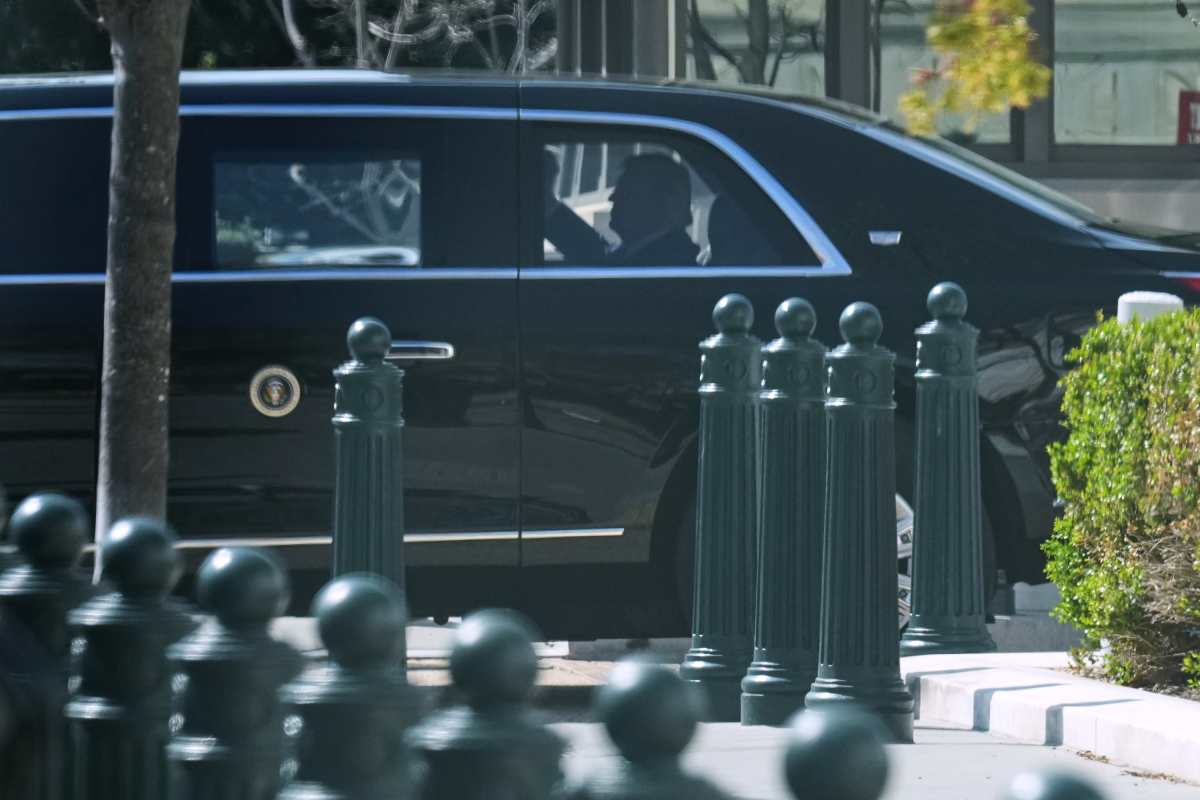
He even broke tradition by showing up in person at the Supreme Court oral arguments in April, the first sitting president to do so, where he listened as justices, some of whom he appointed, grilled his solicitor general about the administration’s arguments.
The court was divided
The court didn’t agree across the board.
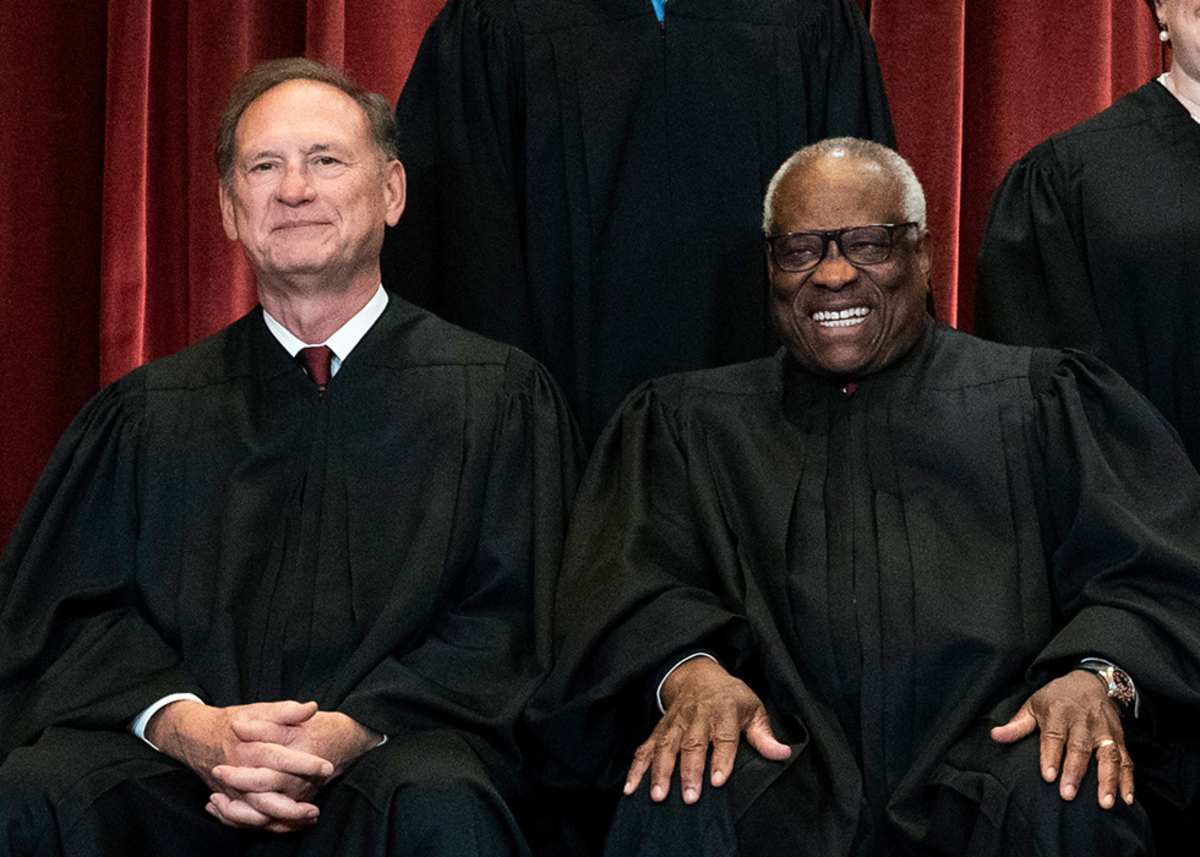
Clarence Thomas, Neil Gorsuch, and Samuel Alito dissented; they actually favored the administration’s take on the 14th Amendment’s citizenship clause.
Brett Kavanaugh went along with the majority, but he threw in a partial dissent. He said that Trump’s order didn’t break the Constitution directly, but it did clash with federal law.
After the court issued its ruling in June, Trump suggested that Congress “can easily make it up” with legislation to end birthright citizenship, saying, “No long and unwieldy Constitutional Amendment is necessary!”
That claim just doesn’t stand up given the way the ruling came down.
The majority based their decision on the Constitution, not on how they read the law, so the only way to overturn it now is with a constitutional amendment, not just a law from Congress.
With the court’s judgment officially logged and no chance for rehearing left, this case really is over. This was one of the administration’s most high-profile legal battles, but now the 14th Amendment’s citizenship protections stay exactly as they are.