Rubio says Iran’s Supreme Leader is alive and taking a more active leadership role
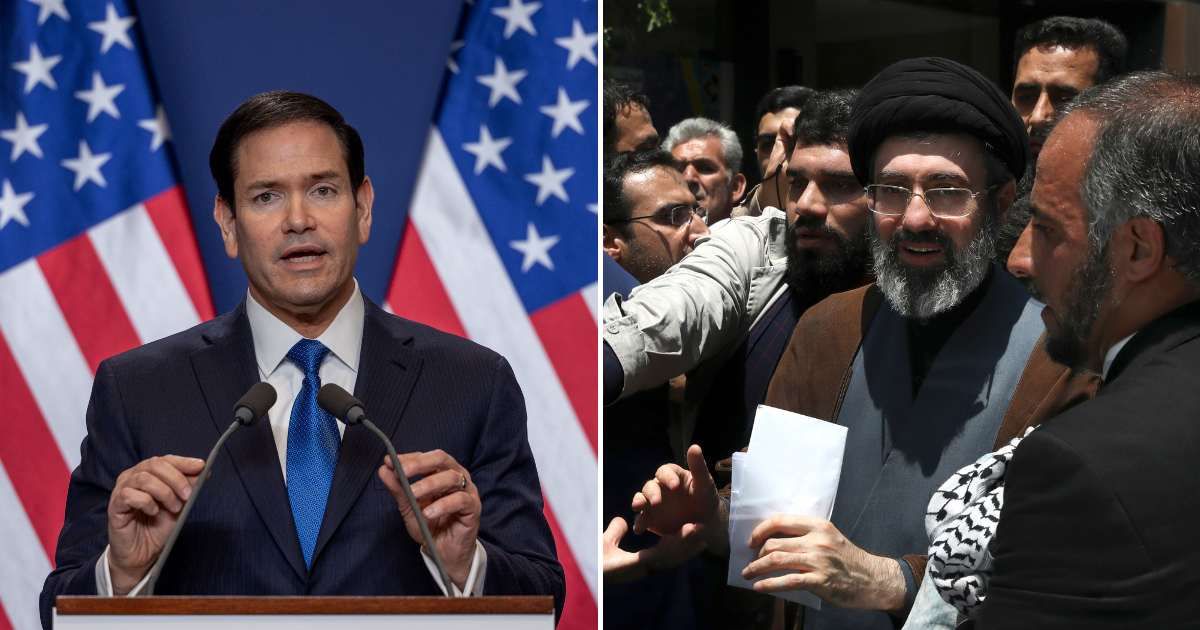
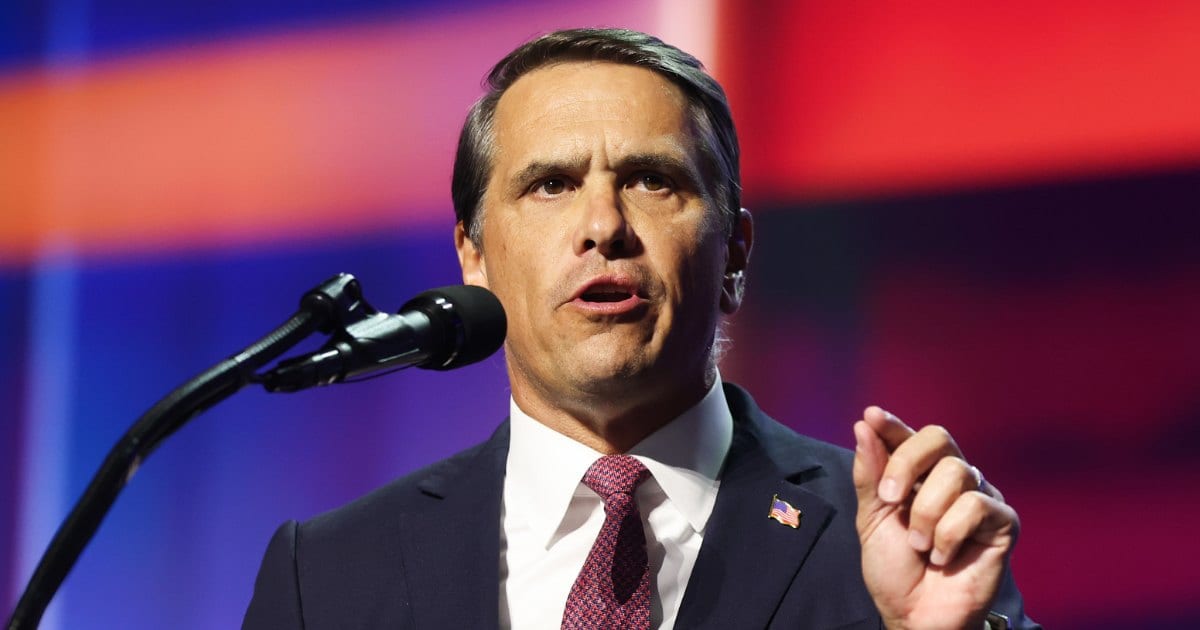
WASHINGTON, DC: US Secretary of State Marco Rubio said on Tuesday, June 2, that he believes Iran’s Supreme Leader, Ayatollah Mojtaba Khamenei, is alive and becoming increasingly involved in the country’s decision-making.
His remarks came amid continuing uncertainty over his condition following attacks that killed several senior Iranian leaders earlier this year.
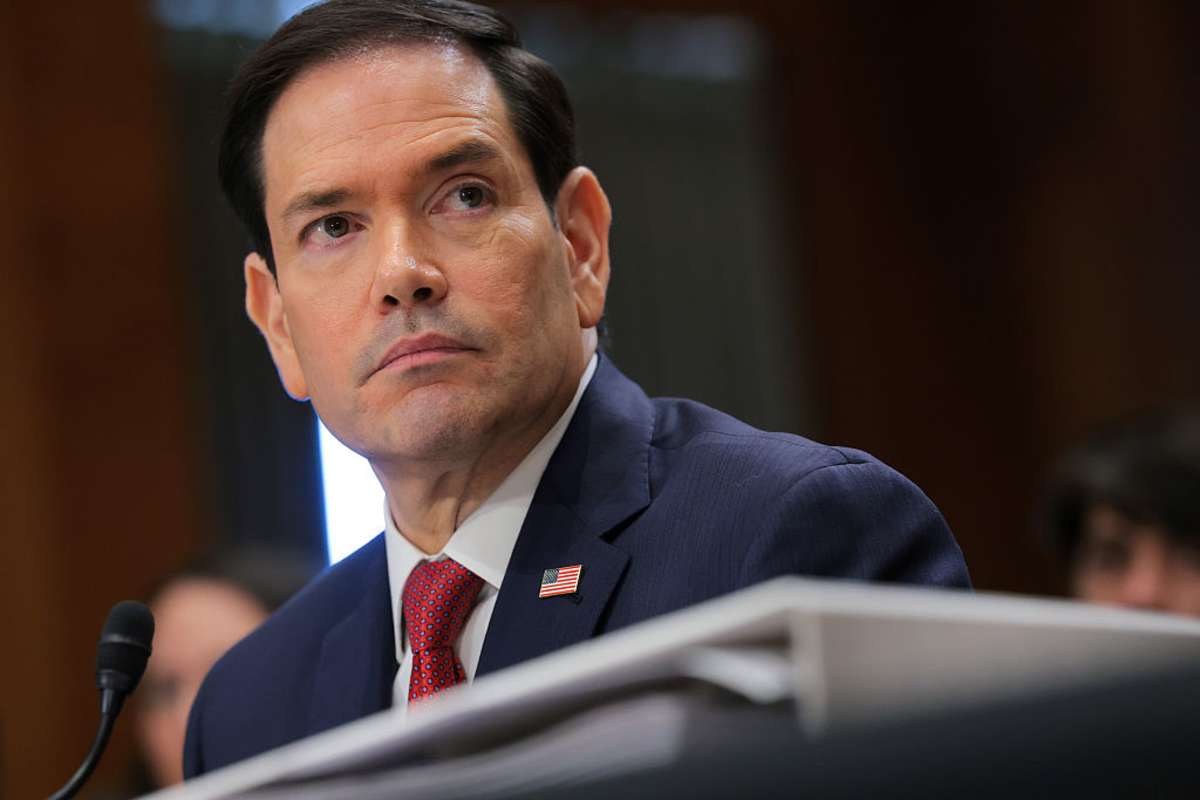
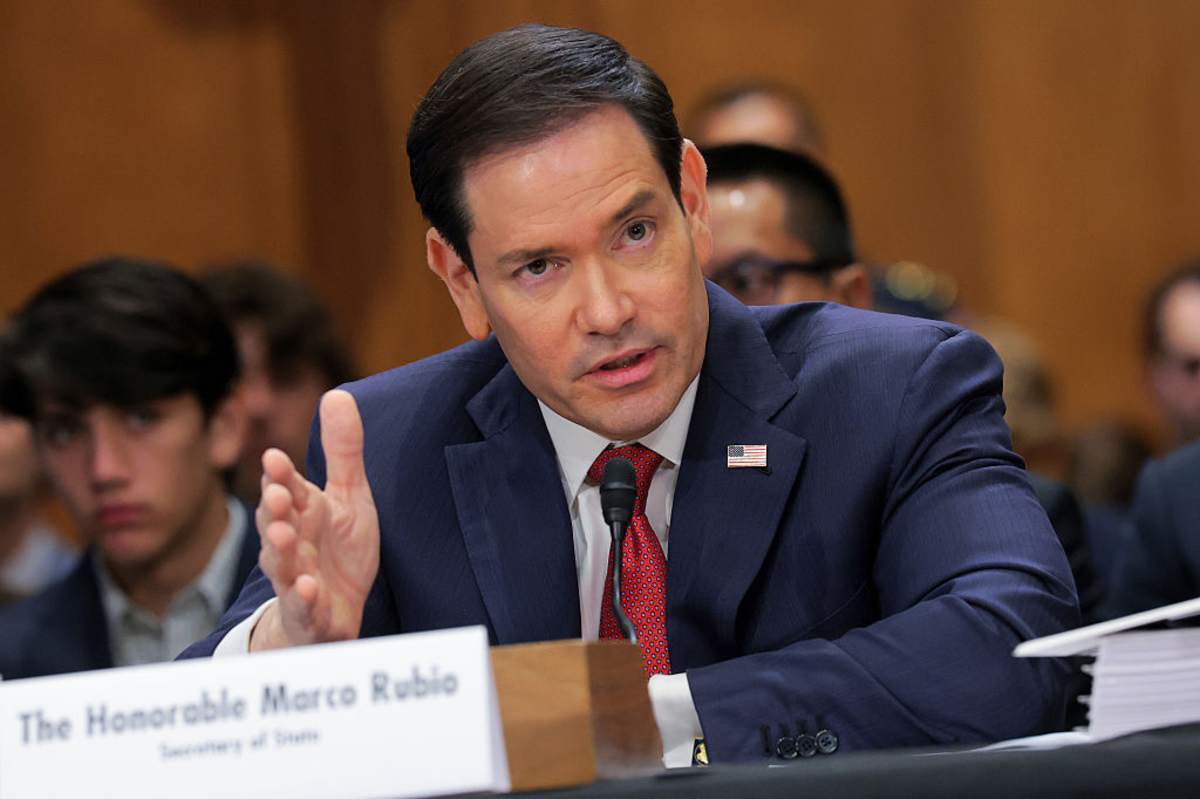
Appearing before the Senate Foreign Relations Committee, Rubio said there were signs that Khamenei was playing an active role in shaping Iran’s response to the ongoing regional crisis and helping guide strategic decisions at the highest levels of government.
Rubio says Khamenei is increasingly engaged
Khamenei has not appeared publicly since sustaining serious injuries during an attack that killed his father and several top military commanders at the start of the conflict, prompting widespread speculation about his health and political influence.
Despite those questions, Rubio said available information suggested the Iranian leader remained involved in key decisions.
His comments align with US intelligence assessments that Khamenei continues to play an important role in determining Iran’s military and political strategy alongside senior government and security officials.
The secretary did not provide additional details about Khamenei’s condition but indicated that Washington believes he remains an active participant in the country’s leadership structure.
Rubio says nuclear talks may take months
Rubio also outlined Washington’s expectations for any future negotiations over Iran’s nuclear program, describing the process as highly technical and likely to take several months.
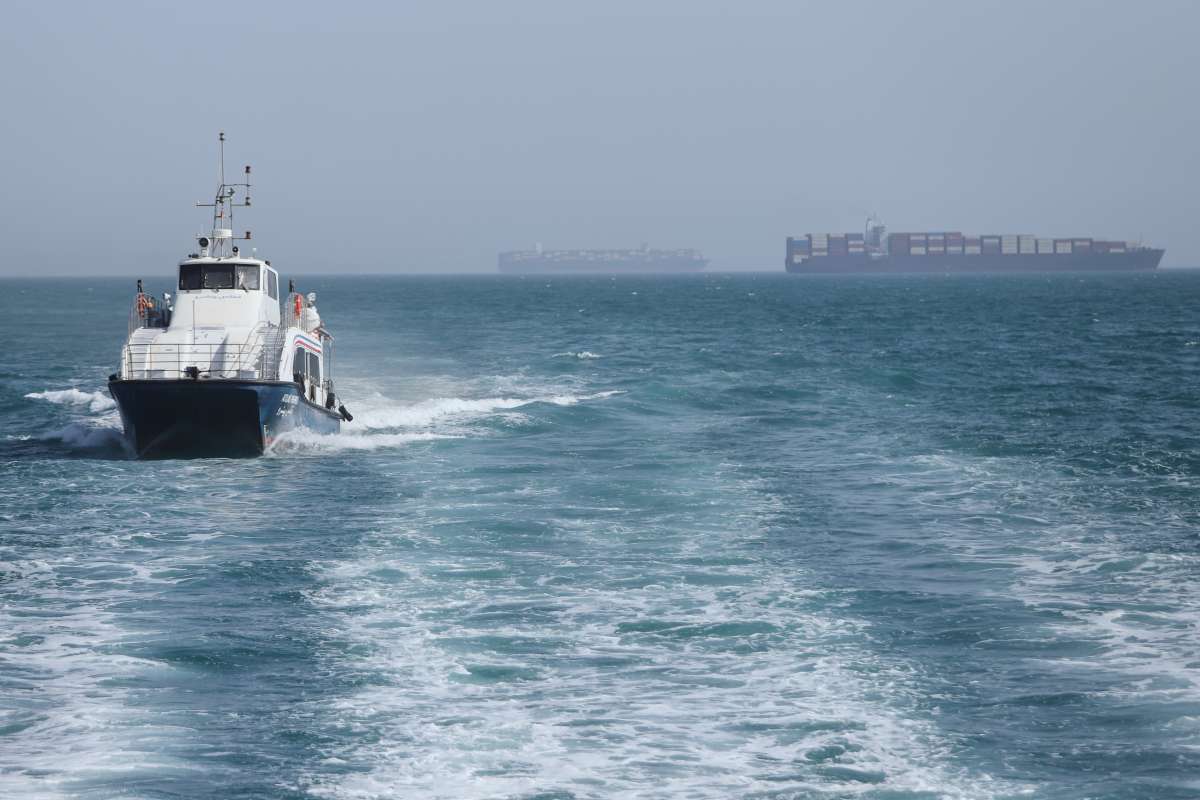
According to Rubio, Iran would first need to demonstrate a commitment to reducing tensions by reopening the Strait of Hormuz and ensuring safe passage for international shipping.
He said Tehran would need to remove any mines, refrain from targeting vessels and guarantee that ships could transit the strategic waterway without restrictions or additional costs.
Only after those steps are taken, Rubio said, could more detailed discussions begin on the future of Iran’s nuclear activities.
Those negotiations would include talks on the disposition of highly enriched uranium, limits on enrichment activities and other long-term restrictions designed to address international concerns about Iran’s nuclear capabilities.
Rubio said such discussions would likely require teams of technical experts working over a period of 30 to 90 days or longer.
US sets conditions for sanctions relief
The secretary emphasized that reopening the Strait of Hormuz would not automatically result in sanctions relief.
Instead, he said any easing of economic restrictions would depend on Iran meeting specific conditions and demonstrating compliance with future agreements.
Rubio indicated that Washington’s approach would remain focused on verifiable actions rather than promises, with sanctions policy tied directly to Iran’s conduct.
During his testimony, Rubio argued that recent US military operations had significantly degraded Iran’s conventional military capabilities.
While acknowledging that Iran still possesses a substantial drone arsenal, he said the country's ability to use missiles and drones as a protective shield around its nuclear program had been substantially weakened.