After 13 days of strikes, Trump makes major Iran decision
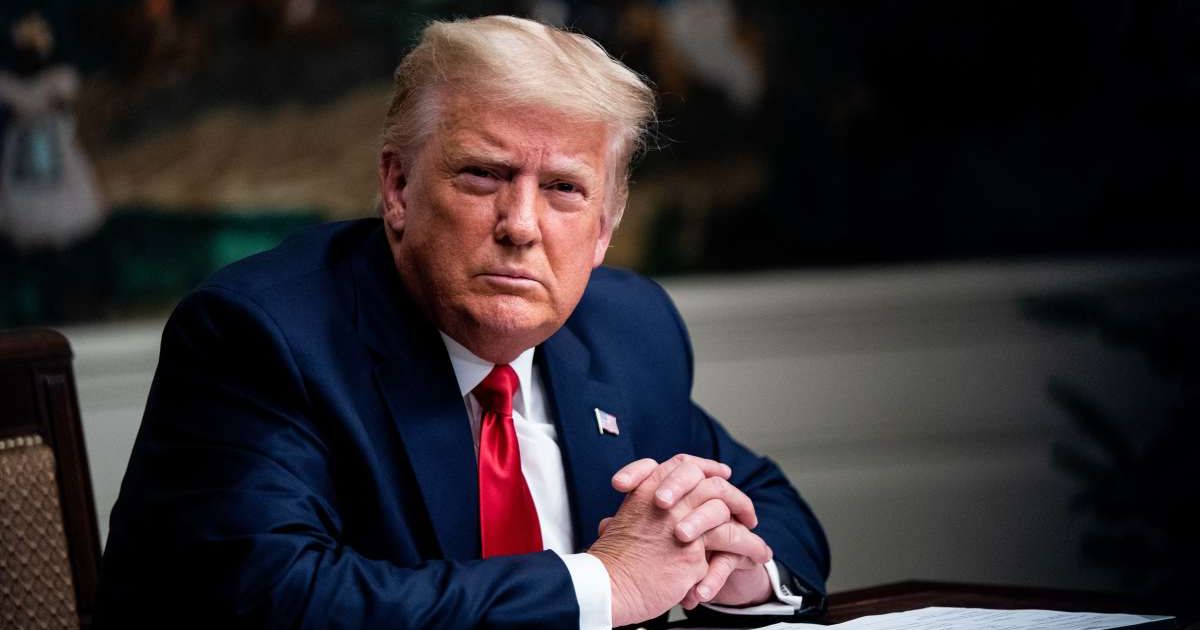
WASHINGTON, DC: President Donald Trump has halted new US military strikes on Iran after approving daily attacks for nearly two weeks, marking the first major shift in Washington's military campaign since the conflict intensified.
The decision, made Friday, July 24, comes as behind-the-scenes diplomacy led by Oman appears to be making progress and could open the door to a negotiated de-escalation between Washington and Tehran.
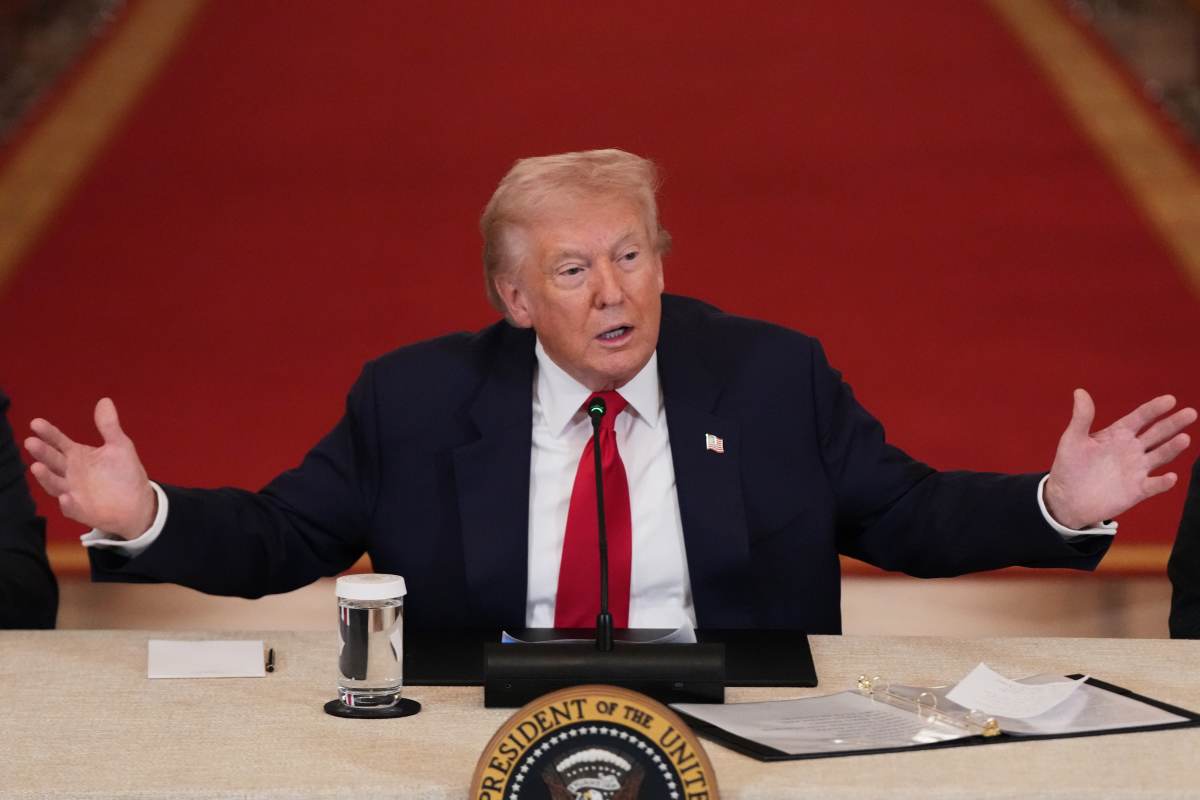
Although Trump has not ruled out resuming or expanding military operations, administration officials indicate the pause reflects a strategic calculation that diplomacy now deserves additional space after the sustained pressure campaign.
The move represents one of the most consequential turning points in the conflict, with the White House balancing military leverage against the possibility of a diplomatic breakthrough.
Trump pauses military pressure campaign
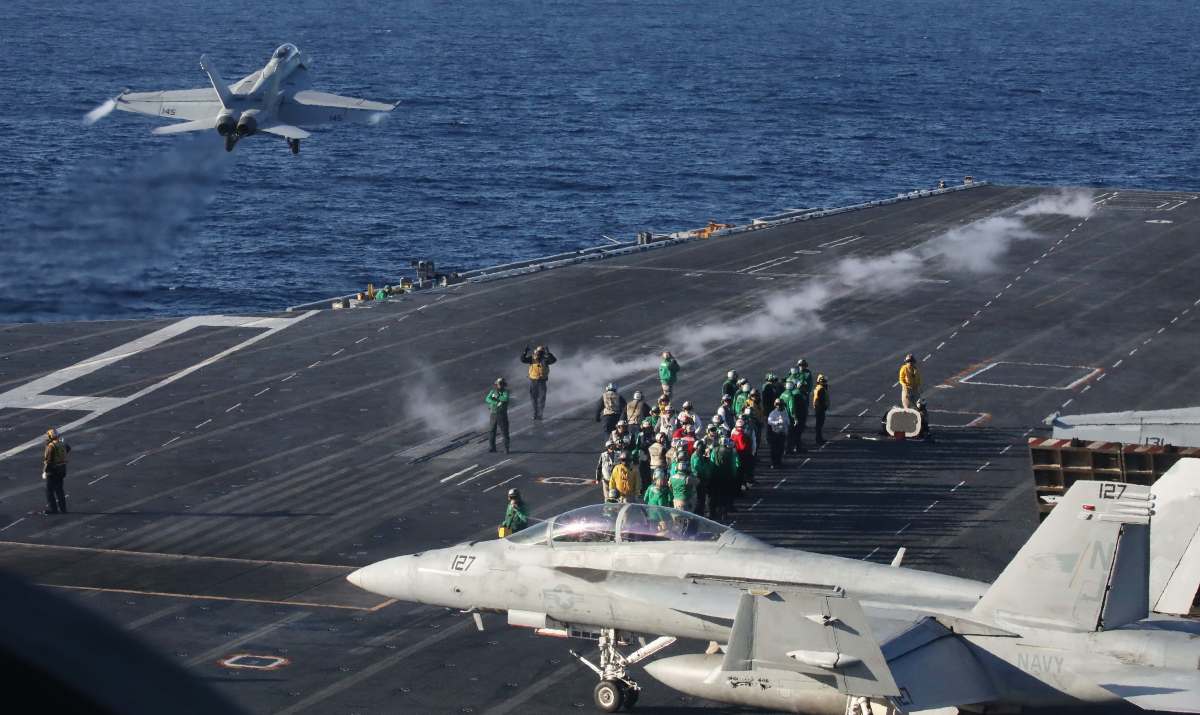
For the previous 13 days, Trump had approved military strike packages submitted by US commanders, with operations typically carried out within hours.
On Friday, however, the president declined to authorize another round of attacks, breaking the streak of daily strikes.
IRAN STRIKES PAUSE AS TRUMP SAYS TALKS RESUME, WARNS "LOCKED AND LOADED"
— Washington Eye (@washington_EY) July 25, 2026
President Trump announced no new U.S. strikes on Iran overnight after 13 consecutive nights of bombing, saying diplomatic talks have resumed and that Tehran is "getting more and more serious as the days go… pic.twitter.com/9oF1LLrqf9
The decision does not signal the end of military preparations, as US forces remain positioned to resume operations on short notice if negotiations fail or Iran escalates the conflict.
Speaking at the White House, Trump stressed that the United States remains "locked and loaded" but argued that reaching an agreement would be the "smarter strategy."
Diplomacy gains fresh momentum
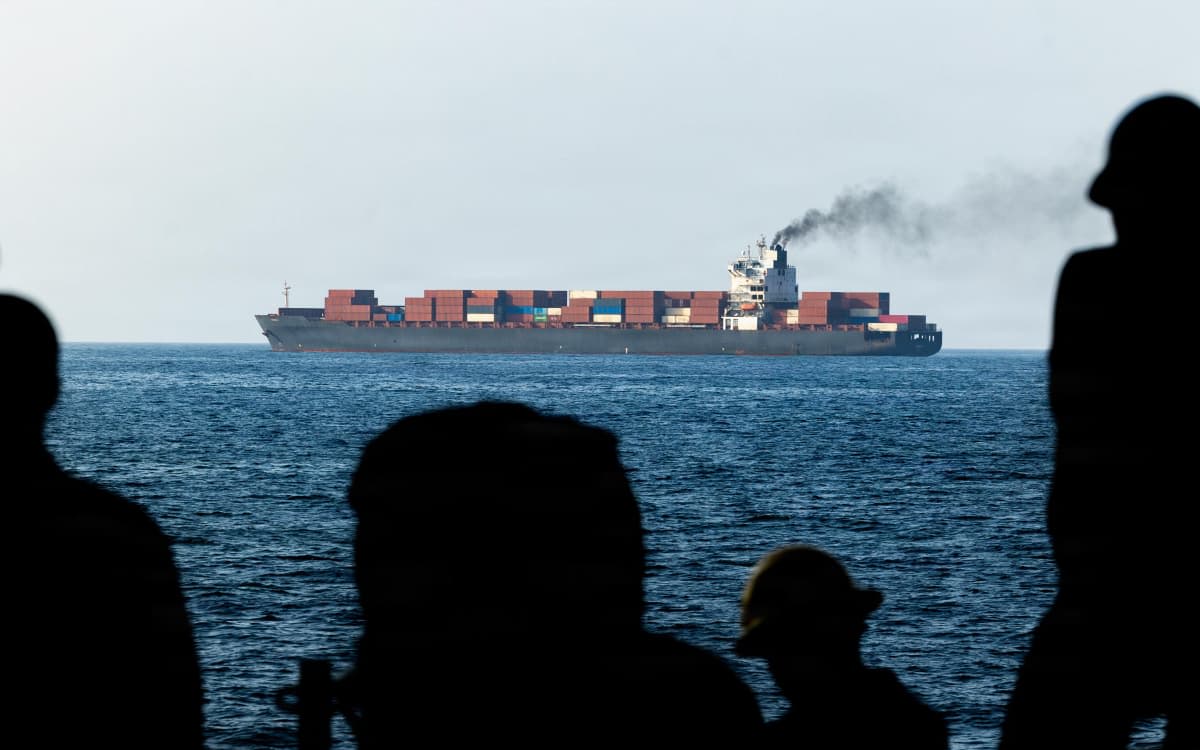
The pause coincided with the arrival of an Omani delegation in Tehran for high-level discussions aimed at reducing regional tensions and securing a new arrangement to reopen the Strait of Hormuz, one of the world's most critical energy shipping routes.
Regional officials familiar with the talks have indicated that negotiations have shown signs of progress, raising expectations that a framework agreement could emerge in the coming days.
Any proposal would ultimately require Trump's approval, making the White House the final arbiter of whether diplomacy can replace military pressure.
Military option remains available
Despite the temporary halt, officials emphasize that Washington has not abandoned the use of force.
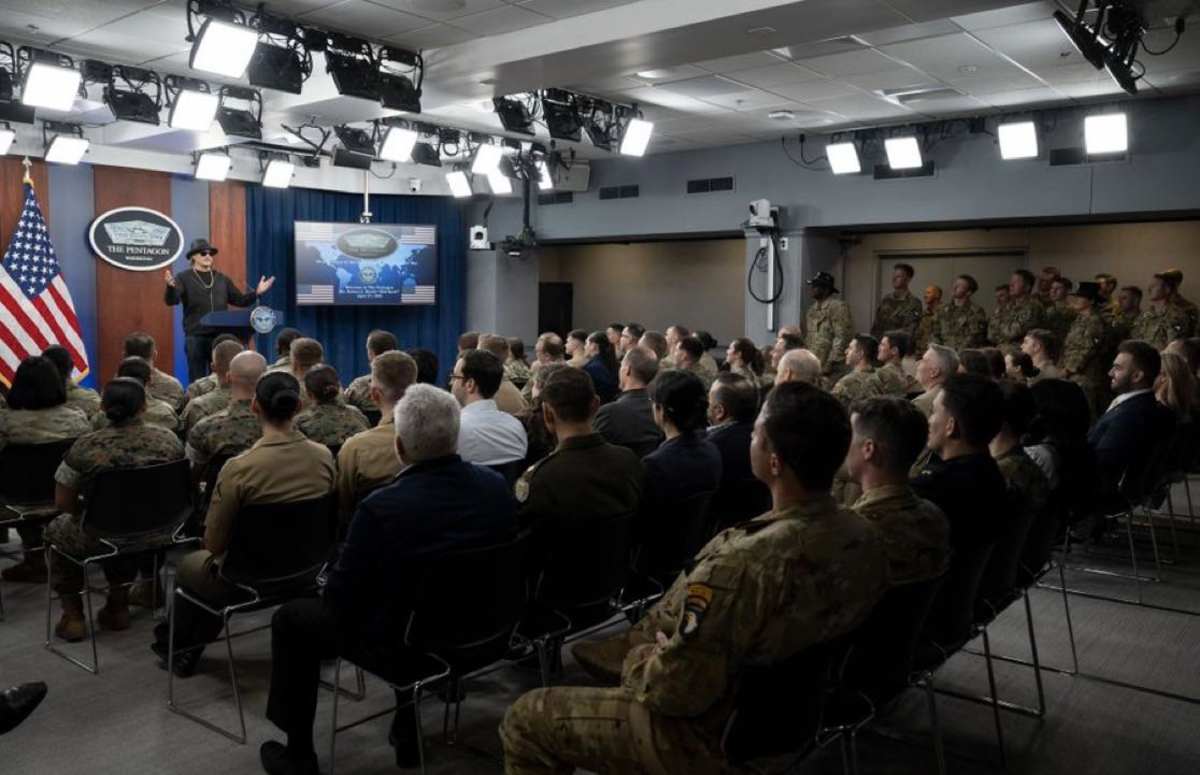
The Pentagon continues preparing contingency plans should Trump decide to resume strikes or authorize broader military action.
The administration views the current pause as an opportunity to test Iran's willingness to negotiate from a position shaped by nearly two weeks of sustained US military pressure.
Whether the diplomatic opening succeeds or collapses could determine the next phase of US-Iran relations.
For now, Trump's decision has shifted the immediate focus from the battlefield to the negotiating table, even as American military forces remain ready to act if diplomacy falls short.