AI shopping traffic set to surge 95% on Black Friday as Americans hunt for deals

WASHINGTON,DC: Black Friday is here, and for a growing number of Americans, the real shopping began days ago, not in a store, not on a retailer's website, but in a conversation with an AI assistant.
They typed in what they were looking for, got a shortlist back, and by the time today's deals went live, the decision was already half-made.
It is a quiet but significant change in how the biggest shopping day of the year actually works and new data released ahead of today shows just how far and how fast this habit has spread.
The numbers are hard to dismiss.
AI shopping traffic nearly doubles on Black Friday
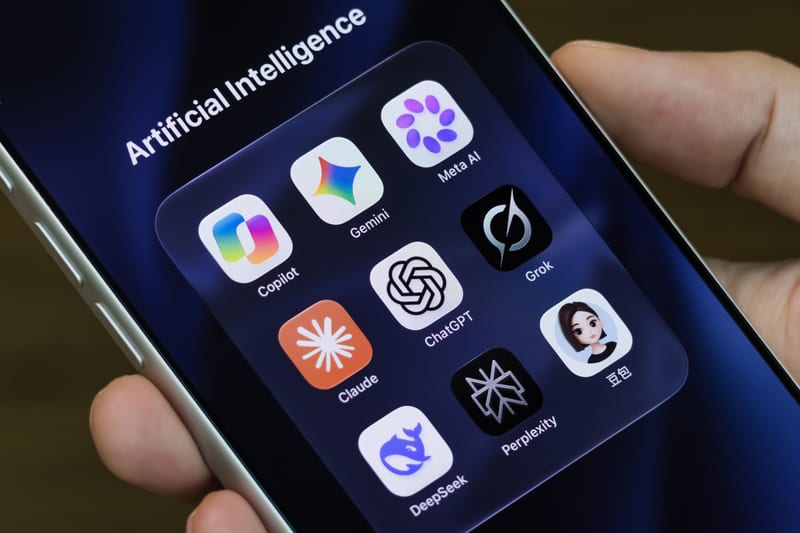
Adobe Analytics, which tracks over a trillion visits to US retail websites across 100 million product listings and 18 categories, projected in September 2026 that the volume of shoppers arriving at retail sites after clicking a link from an AI service would climb 95% on Black Friday compared with the same day last year.
That figure sits within a larger surge: Thanksgiving was expected to see an even sharper 159% increase in AI-referred traffic.
Cyber Monday, which closes out the week on November 30, is forecast to follow at 88%.
Zoom out further and the full holiday season is projected to see AI-driven traffic to US retail sites rise 130% year over year.
Adobe had already recorded AI-driven traffic running 127% higher in August, well before the holiday period began, suggesting this is not a seasonal spike but a sustained directional shift in how Americans begin their shopping journeys.
AI transforms US shopping habits
It is worth being precise about what Adobe is measuring, because the statistic is easy to misread.
AI shopping traffic does not refer to bots placing orders, digital agents completing checkouts autonomously, or any kind of automated purchasing.
What Adobe tracks is far more straightforward: a person opens an AI assistant, asks a question about a product or a deal, receives a recommendation or a link in response, and clicks through to a retailer's website.
That click is what gets logged as AI-referred traffic. Everything that follows, including browsing, product comparison, adding items to the cart and making payment, still happens in the conventional way, with a human making the decision.
What has changed is simply the step that now comes before all of that.
AI has become the new front door to the shopping experience, and an increasing number of people are walking through it before they ever reach a retailer's own website.
The reason so many people are turning to AI before they shop comes down to what it makes easier. Holiday shopping has always involved a significant amount of research.
From reading reviews, comparing specifications to checking whether a deal is genuine or whether the same item is cheaper somewhere else.
AI compresses all of that into a single conversation.
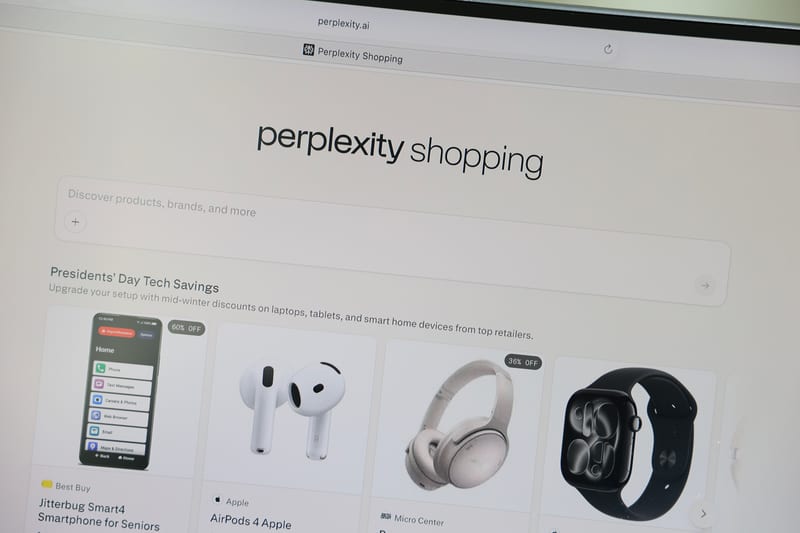
A shopper can ask which 65-inch television is worth buying this Black Friday, which coffee maker reviewers consistently recommend for small kitchens, or where a particular pair of sneakers is priced lowest right now.
The assistant pulls from product pages, editorial reviews, pricing data, and customer feedback and returns a focused answer in seconds.
According to PwC's 2026 Holiday Outlook, 29% of consumers planned to use AI during their holiday shopping this year, up from 22% the year before.
Among those users, three in four said they were using it specifically to research products, and more than half said they were using it to compare prices.
The AI revolution this Black Friday
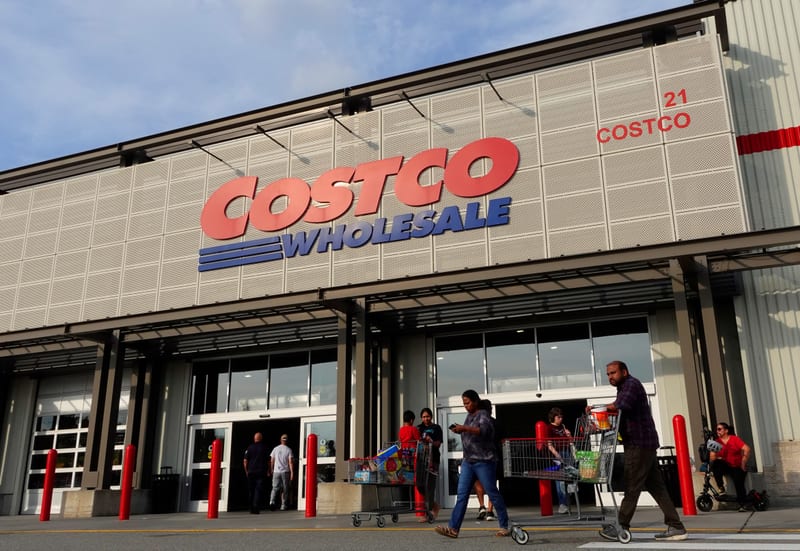
Today's AI-assisted shopping surge is playing out against the backdrop of one of the biggest Black Fridays on record.
Adobe projected $12.9 billion in US online spending for Black Friday 2026, up 9.2% from last year, making it the second-largest online shopping day of the season, trailing only Cyber Monday's projected $15.1 billion.
What is striking is that Black Friday is growing faster than Cyber Monday this year.
Adobe attributed this in part to Black Friday carrying the deepest discounts of the season across categories like televisions, clothing and home appliances.
Those happen to be the same categories in which shoppers tend to do the most comparison research before committing, which may go some way toward explaining why AI referral traffic spikes most sharply on this particular day.
The full two-month holiday season is forecast to cross $275.1 billion in US online sales, up 6.7% from 2025, with Cyber Week alone expected to drive $47.5 billion.
Shoppers cherish AI shopping experience
The consumer survey data Adobe gathered ahead of the season adds an important dimension to the traffic numbers.
Among 5,000 consumers who had used AI tools while shopping, 77% said the experience made them feel more confident in what they ultimately purchased.
More commercially significant for retailers, 69% said they were less likely to return an item they had bought after using AI to research it.
Returns are one of the most expensive operational challenges in retail, and a tool that leads shoppers toward more considered, better-matched purchases has obvious value for the industry.
A massive win for retailers
For retailers, the most commercially urgent finding in Adobe's data is not the traffic volume itself but what AI-referred shoppers do when they arrive.
In September, Adobe found that visitors coming to retail websites through AI links generated 83% more revenue per visit than shoppers arriving through other channels and converted into actual purchases at a rate 90% higher.
These are not casual browsers killing time before the big day.
They are people who have already made most of the decision before they arrived, who largely know what they want and how much they expect to pay, and who show up to complete a transaction rather than begin a search.
Adobe's forecast indicated that AI's revenue-per-visit advantage over non-AI sourced traffic is set to double year over year as the holiday season runs its course, meaning the gap between AI-referred and conventionally-referred shoppers is widening, not narrowing.
AI decides who gets the sale
The majority of Americans will still complete today's purchases the way they always have, through a retailer's website, a mobile app or a physical store.
But a meaningfully larger share than last year will have arrived already knowing what they want, having filtered their options through a conversation that happened before any sale banner went live.
For the stores and brands that show up well in those AI-generated recommendations, whose product information is accurate, well-structured, and readable by AI systems, Black Friday 2026 represents a new and fast-growing pipeline of high-intent, high-value shoppers.
For those that do not, the competition may have already been decided somewhere the retailer never had a chance to participate in.
AI has not taken over Black Friday. But it is increasingly shaping who shows up, what they are ready to spend, and what they have already ruled out.