Hackers breach US Air Force cloud system that tracks bombs, radar feeds and personnel files
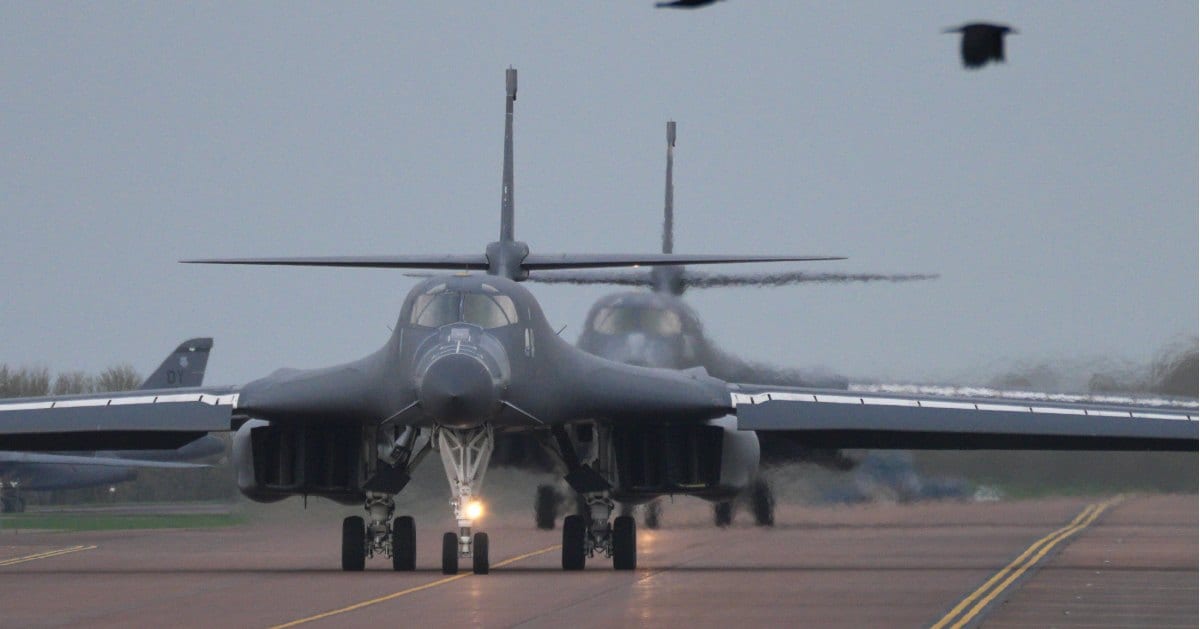
WASHINGTON, DC: America's military cyber defenses have taken another serious hit. Hackers have reportedly broken into Cloud One, the US Air Force's primary cloud computing platform, exposing systems that underpin everything from air defense radar to bomb tracking.
The intrusion, first reported by Reuters on Friday, November 27, was discovered recently during a routine upgrade, and the fallout is already spreading across the platform.
NEWS: Hackers have BREACHED the Air Force's flagship "Cloud One" computing platform, one of the U.S. military's BIGGEST cloud systems, in a development that could put sensitive tactical, personnel and logistics data at risk, according to Reuters. The intruders reportedly exploited a software flaw to reach the system's "control plane," which one source compared to a "universal remote" that could in theory check the operational status of military aircraft or the movement of spare parts. The breach was discovered within the past month or so during a system upgrade. Very concerning!
— RedWave Press (@RedWavePress) November 27, 2026
Air Force cloud system breached
Three people with direct knowledge told Reuters about the intrusion and, notably, nobody was looking for it.
The hack came to light almost accidentally, surfacing during what was supposed to be a routine system upgrade.
What investigators found when they looked closer was alarming enough that the Air Force escalated quickly, pulling in Cyber Command, the Pentagon's dedicated offensive and defensive cyber unit, to map the full extent of what had been compromised.
The gravity of the situation stems not from the breach itself but from what sits behind it.
Cloud One is not a back-office email server. It is the backbone of some of the Air Force's most operationally sensitive functions.
The platform carries the Cloud-Based Command and Control system, which knits together air defense radar feeds and real-time surveillance data from across the North American continent into a single picture.
Alongside it runs the Theater Integrated Combat Munitions System, a live global ledger of every bomb and missile held across more than 200 US Air Force installations.
Pay, personnel files, logistics pipelines and aircraft maintenance records all share the same environment.
The entry point, according to one source, was a software vulnerability that gave the attackers access to the control plane, the administrative layer that governs the entire platform.
That source compared it to a universal remote: whoever holds it can, in theory, see the operational status of military aircraft, trace the movement of spare parts or survey every application running beneath it.
Whether the hackers used that access for any of those purposes is a question investigators have not yet answered. No confirmation has come from the Air Force that operational data was viewed or removed.
The fallout inside the platform has already been substantial.
The migration of additional back-office systems onto Cloud One, a priority the military has pursued for years, is now on hold.
Existing applications on the platform have been frozen out of software updates, a particularly poor moment for that to happen given that a significant batch of new vulnerabilities has just been disclosed industry-wide.
A number of users have had their administrator access stripped while the damage assessment continues.
Cloud One was launched in 2017 as the Air Force's answer to fragmented IT, a single, unified environment drawing on the combined infrastructure of Microsoft, Amazon, Oracle and Alphabet to run scores of mission-critical applications.
By any measure, it became one of the largest and most consequential cloud deployments anywhere in the US military.
Breach follows series of federal cyber failures
The Cloud One breach lands at a moment when American federal agencies appear to be in a state of sustained digital distress.
Just days ago, on November 17, the National Security Agency's own classified internal communications network, known as NSANet, went dark.
The outage disrupted work at the agency and prompted instructions for employees to stagger their arrivals at its Maryland headquarters.
The NSA insisted its critical capabilities remained "fully operational," and reports said that there was no evidence of a cyberattack, with officials attributing the disruption to routine maintenance.
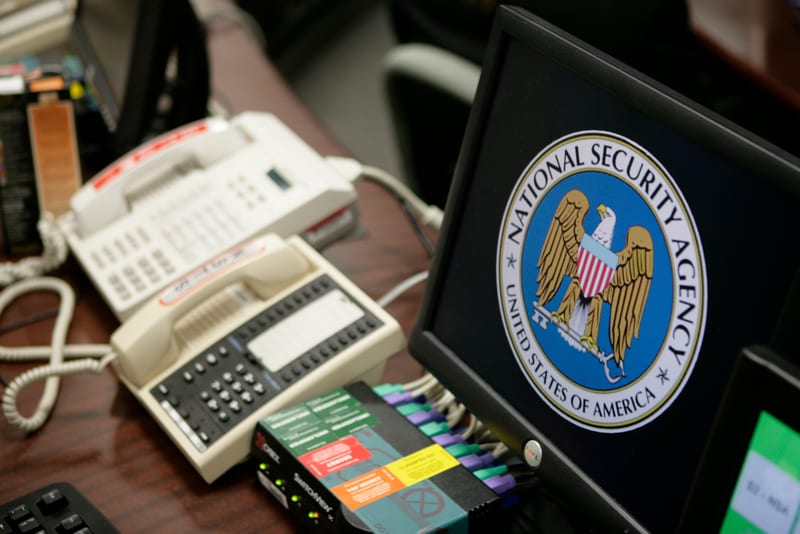
But the optics of America's premier signals intelligence agency going dark, however briefly, did little to calm nerves already frayed by a cascade of digital failures.
That cascade has been relentless.
A months-long breach of Pentagon personnel data went undetected for the better part of a year before surfacing in mid-2026, ultimately exposing records of roughly 2.7 million US military personnel, including names, service records and Social Security numbers.
The FBI has separately dealt with two distinct cyber incidents of its own.