NSA’s top-secret network goes dark as fresh outage hits US intelligence operations
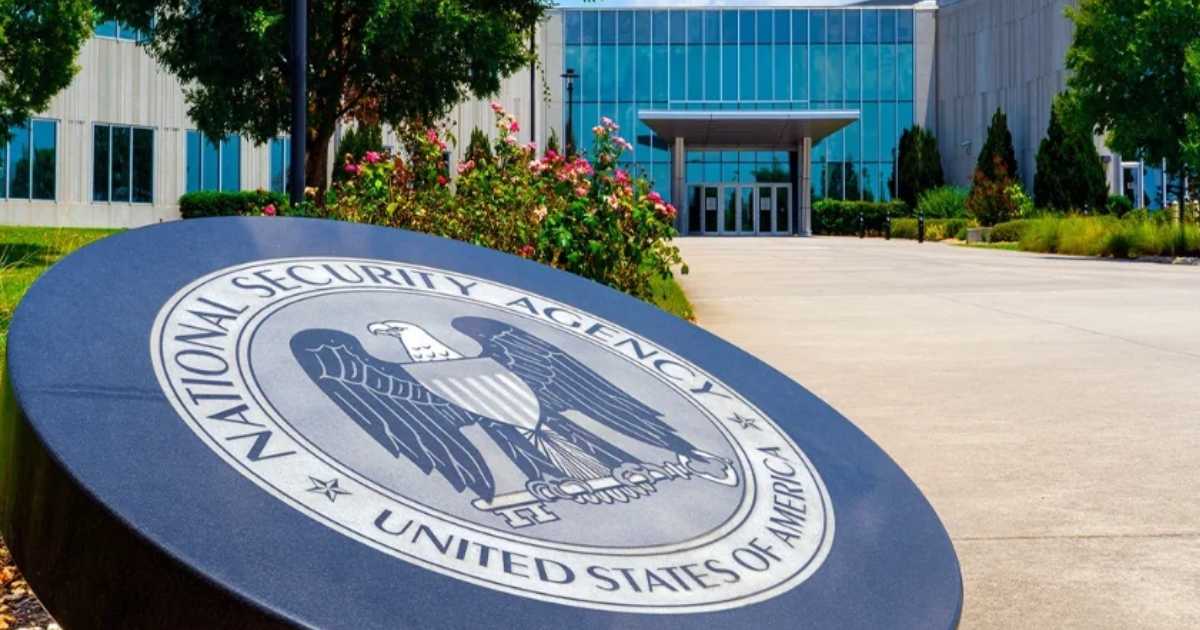
WASHINGTON,DC: A major disruption has affected the National Security Agency's internal communications infrastructure, knocking out a system its personnel rely on to exchange highly classified information.
The incident came to light after CNN published a report Tuesday, November 17, as the agency dealt with operational problems at its headquarters in Maryland.
The outage adds to a growing series of technical failures reported across the United States in recent days, following disruptions that have affected essential services and systems, including banking networks, aviation operations and major technology platforms.
BREAKING: NSA Net, the US National Security Agency's highly classified network, has gone down and is experiencing an ongoing outage, per CNN. The network allows employees to communicate classified information internally. This follows several other major outages this week.
— The Kobeissi Letter (@KobeissiLetter) November 17, 2026
NSA’s classified network outage
The failure affected NSANet, a secure platform that allows NSA personnel to exchange intelligence carrying the highest levels of classification.
CNN spoke to six individuals familiar with the incident, who confirmed that the network had stopped working.
The agency was still investigating the malfunction and trying to determine how much of its internal infrastructure had been affected.
In its response, the NSA linked the problem to routine upkeep of its systems rather than an external intrusion.
The agency said a technical fault had temporarily affected parts of its internal network but insisted that intelligence and national security work had carried on as normal.
NSA statement on outage: “"The National Security Agency experienced temporary degradation during scheduled routine maintenance. While some internal systems were affected, mission-critical capabilities remain fully operational and our ability to defend national security continues. NSA's infrastructure is designed with multiple layers of redundancy to maintain operations during planned maintenance or unexpected events."
— Hannah Brandt (@HannahBrandt_TV) November 17, 2026
It also pointed to the multiple backup mechanisms built into its infrastructure, which are intended to prevent individual system failures from bringing essential operations to a halt.
“Mission-critical capabilities remain fully operational and our ability to defend national security continues,” the agency said.
The incident prompted the NSA to revise when certain employees were expected to report to its Fort Meade campus in Maryland.
The staff were reportedly informed through an automated telephone message that a “Code Yellow” would apply to the day shift.
The network failure did not leave the White House without access to urgent intelligence, according to officials familiar with the NSA's operations who spoke to CNN.
A serving US official and a former government official said other secure channels remained available to relay sensitive updates to President Donald Trump while he was travelling in Asia.
Separately, White House spokesperson Lauren Bis told Newsmax that the administration had found no signs of hostile cyber activity behind the incident.
She also sought to calm public concern, saying the outage did not indicate a wider emergency.
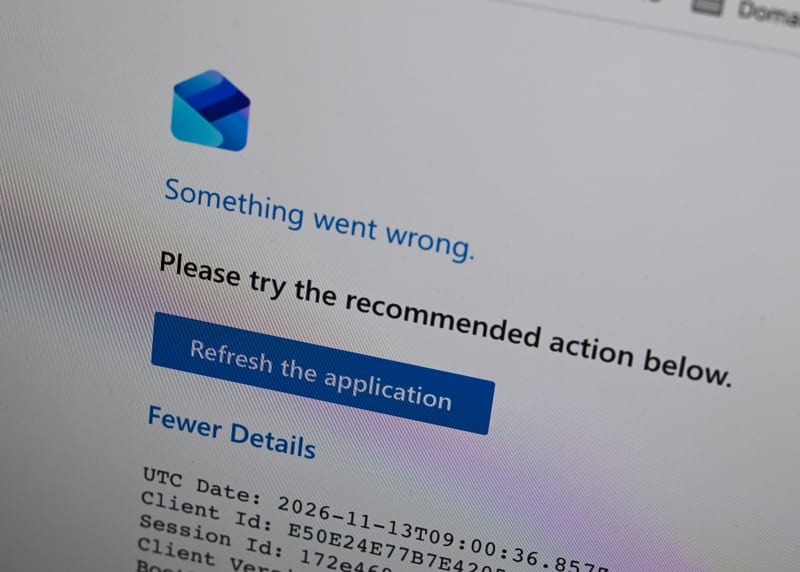
Outages hit US infrastructure
The sequence of outages has now reached an agency responsible for some of America's most sensitive intelligence, following disruptions across several civilian sectors.
The incidents have occurred within days of one another, but authorities have not established any common cause or found evidence linking them to cyberattacks.
Their timing, however, has drawn attention to how dependent both the public and government agencies are on complex technical infrastructure.
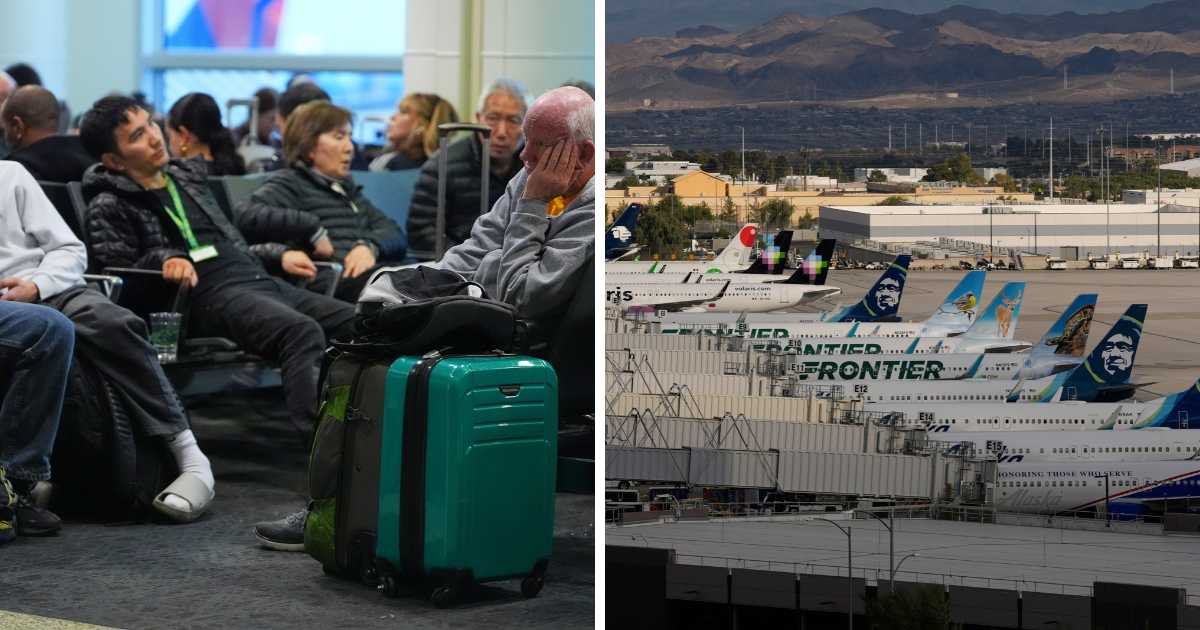
For air travelers, the disruption began on November 13, when a technical fault at an FAA site in El Dorado, Arkansas, forced officials to stop flights across the country.
The resulting ground stop lasted about four and a half hours, but its effects extended well beyond the shutdown itself.
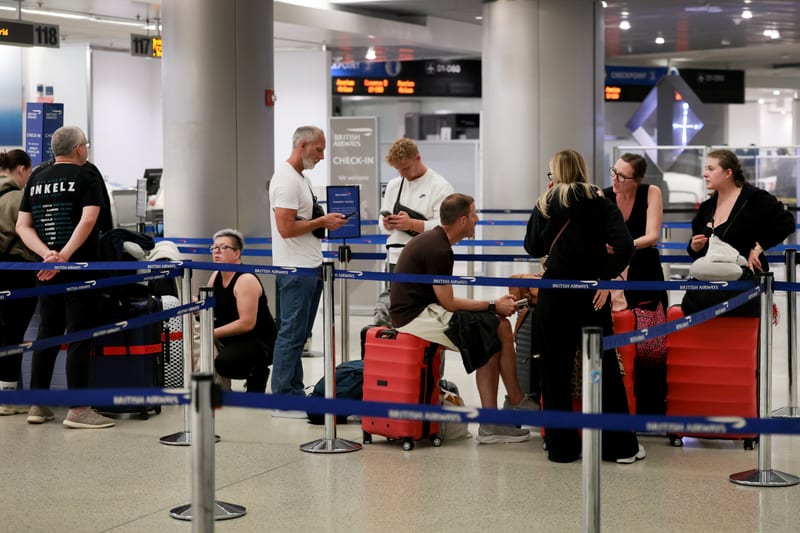
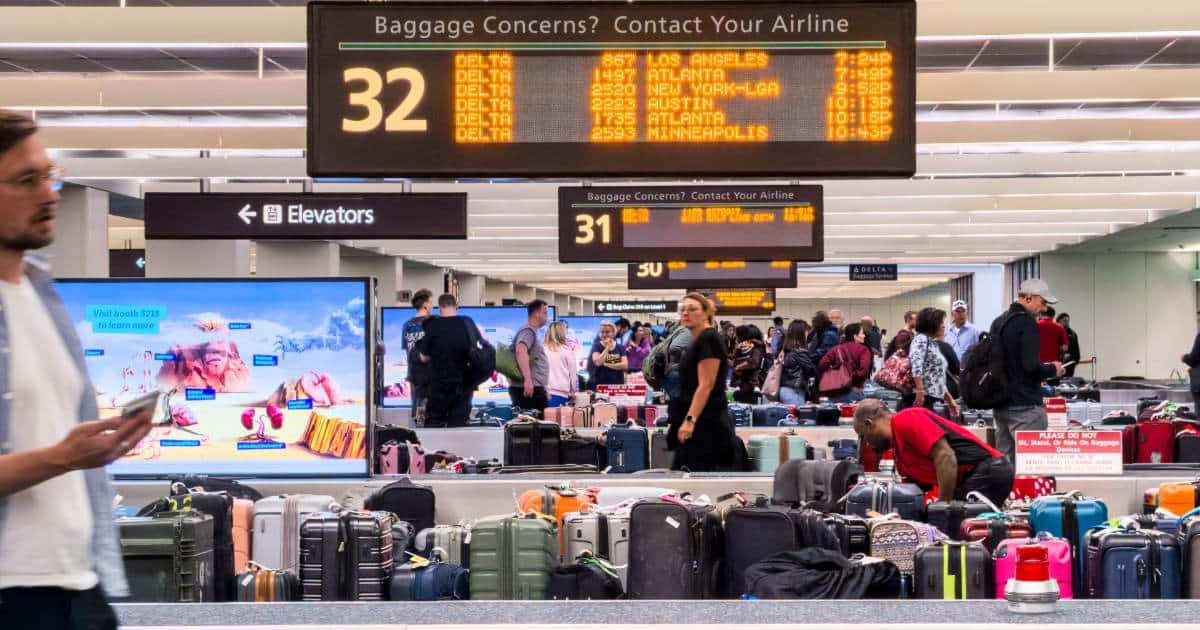
Airlines struggled with aircraft and crew being out of position, contributing to thousands of cancellations and delays.
Earlier in the week, Microsoft's cloud-based products had also experienced disruptions.
Outlook, Teams and other services became inaccessible to users in different parts of the world, interrupting email exchanges, virtual meetings and routine workplace activity.
Microsoft said the affected services had been restored by November 13.
On November 16, the problems moved into the financial sector.
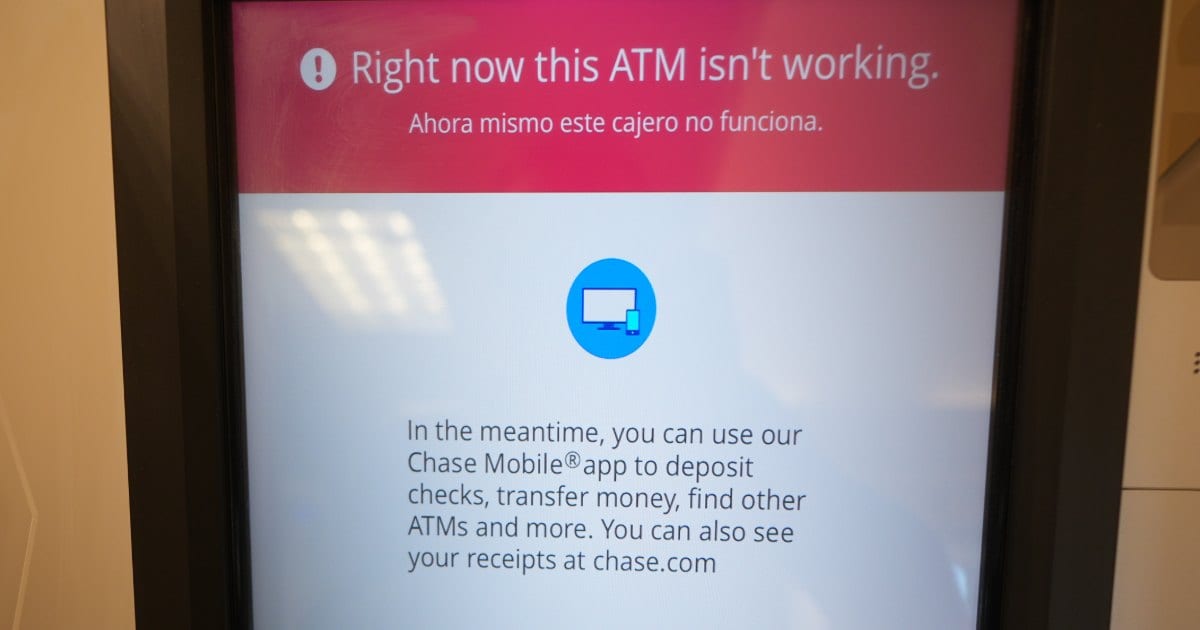
Customers of JPMorgan Chase and other banks reported problems with online transactions, adding to concerns over the availability of essential digital services. Chase said a software bug in its on-premises hardware systems had caused some transactions to take longer than usual, while customers retained access to their accounts and funds.