US ports face rising cyberattacks targeting critical infrastructure and vital supply chains
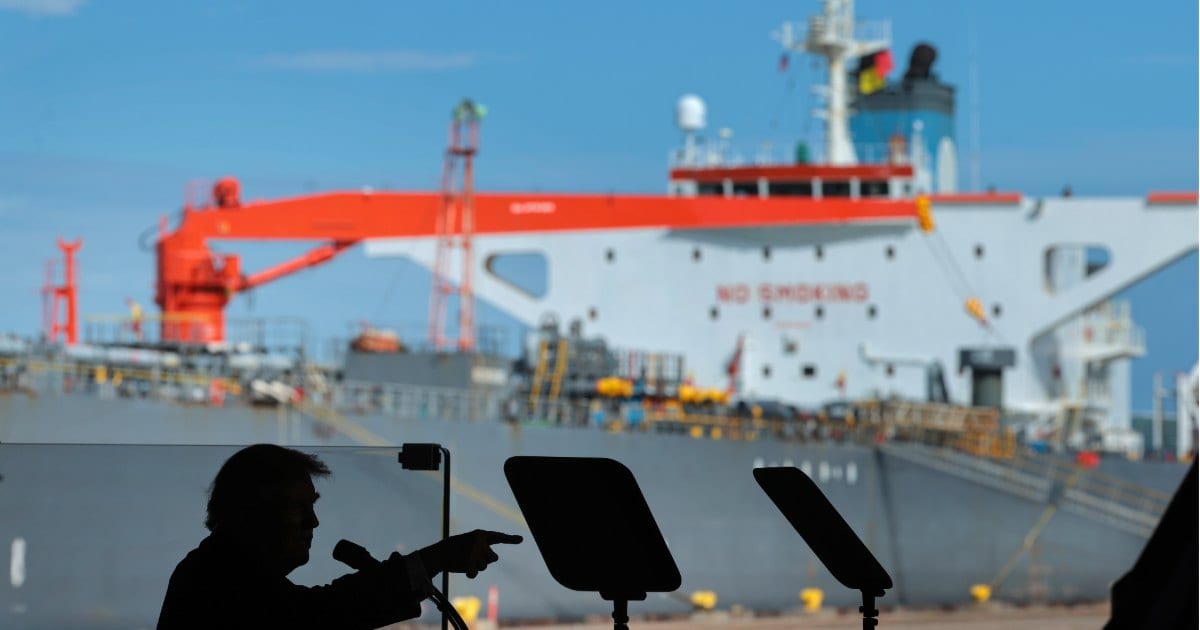
WASHINGTON, DC: The United States is facing a growing wave of cyberattacks, with hackers increasingly targeting computer systems that keep goods and energy exports moving.
The Port of Corpus Christi, Texas, the largest US gateway for crude oil exports, which ships around 2.3 million barrels a day, revealed that it was facing “hundreds, if not thousands” of attacks daily, according to a report by the Financial Times.
The disclosure came just days after the FBI launched an investigation into an apparent hack of a national law enforcement database.
Corpus Christi port faces thousands of daily cyberattacks
The port’s chief executive, Kent Britton, told the outlet that attacks had surged, with “known bad actor” countries and organizations increasingly searching for high-profile targets.
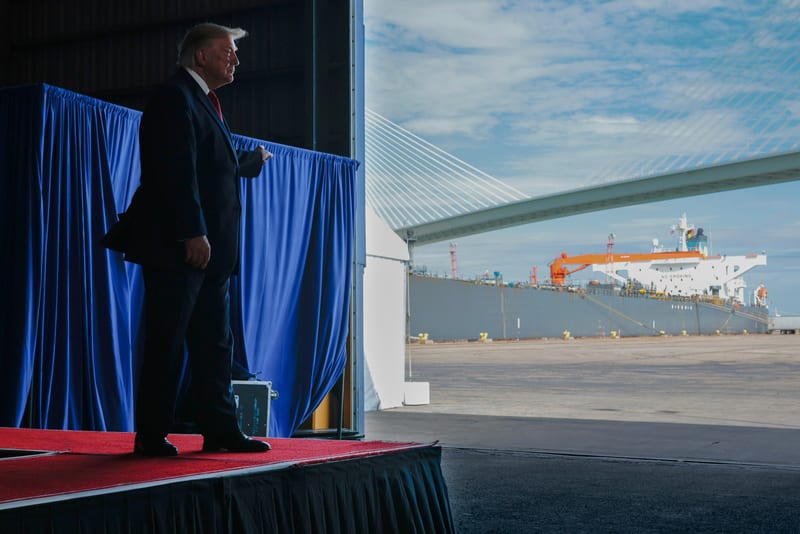
The attacks targeting the Port of Corpus Christi focused on probing its computer systems for vulnerabilities.
Hackers also reportedly sent phishing messages impersonating senior executives in an attempt to trick employees into granting them access, according to the Financial Times.
"They're poking at our systems and trying to find vulnerabilities," Port of Corpus Christi CEO Kent Britton said. "With AI, it'll only get more complicated."
He said the port was seeking additional assistance from Washington but added that “if you’re playing defense, you have to get it right every time … if you’re planning offense, you only have to get it right once.”
Corpus Christi is preparing to expand its cybersecurity team to up to four members while also seeking additional support from Washington.
Corpus Christi is preparing to bring its cybersecurity team up to four members while seeking additional support from Washington.
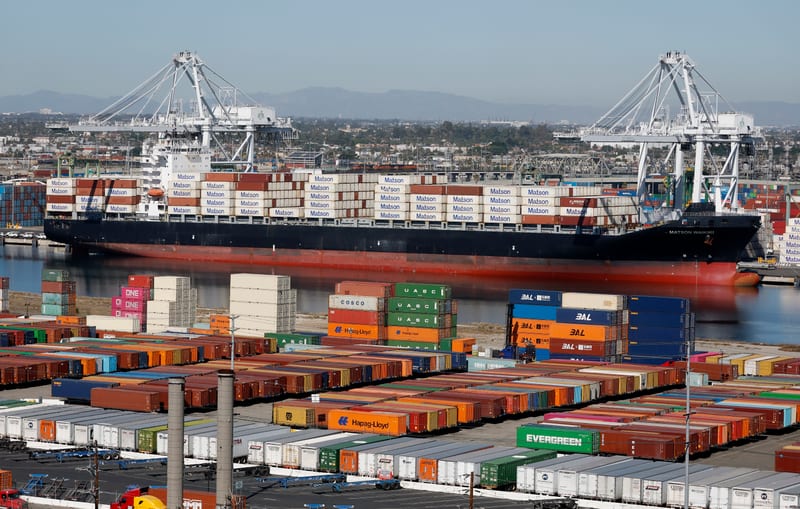
The port also has contingency measures in place in case a cyberattack knocks its systems offline.
Tugboats can guide vessels through sections of the channel, while the harbor master's office can rely on two-way radios, binoculars and paper records to keep maritime traffic moving.
Britton said some of the attempted intrusions originated from countries and organizations associated with malicious cyber activity but declined to identify them.
US ports and oil tankers face growing cyber threats
The reported intrusions targeting Corpus Christi come as cyberattacks against ports and shipping facilities across the United States continue to mount.
In August, the Port of Los Angeles, the country's busiest port, revealed that it had blocked nearly 120 million attempted attacks on its networks.
The attacks involved three basic techniques: network exploitation, credential harvesting and malware attacks, the Financial Times reported.
Gene Seroka, executive director of the Port of Los Angeles, said that all potential attackers “have to do is to get it right one time” and that cybersecurity was “front of mind every day.”
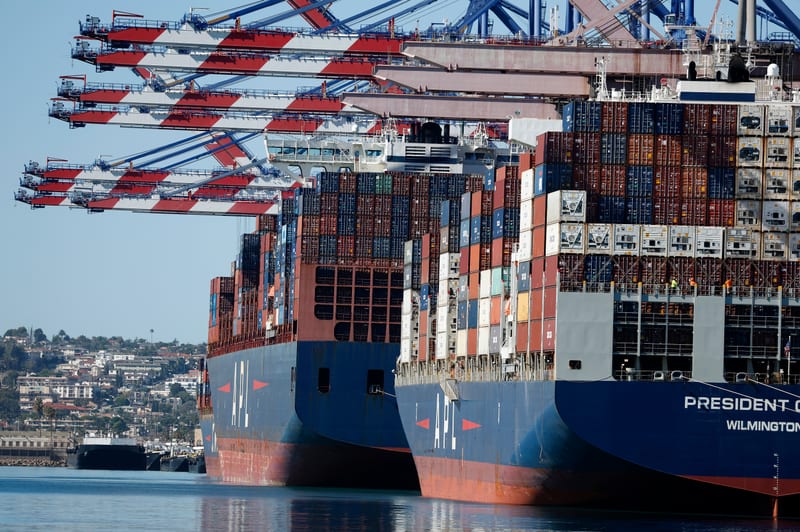
The port's cybersecurity operations team has expanded in recent years, establishing a seven-layer digital defense, he added.
That same month, the US Coast Guard reported a 17% increase in cyber incidents at sea over the previous year.
Two oil tankers bound for the US, carrying crude oil and liquefied petroleum gas, were hacked near the Strait of Gibraltar.
The Coast Guard and FBI boarded the vessels on August 21 and 24 to inspect their computer systems.
North Carolina Ports also reported that an "outside actor" had attacked its IT systems in August.
Although the attack was contained a day later, gate openings were delayed, forcing the port to switch to manual operations.
The Financial Times reported that cybersecurity experts have linked shipping-related hacking operations to countries including Iran, North Korea and China, although the groups behind these attacks often route their activities through third countries.