Bessent compares US bank outages to vaccine side effects, says glitches boost security resilience
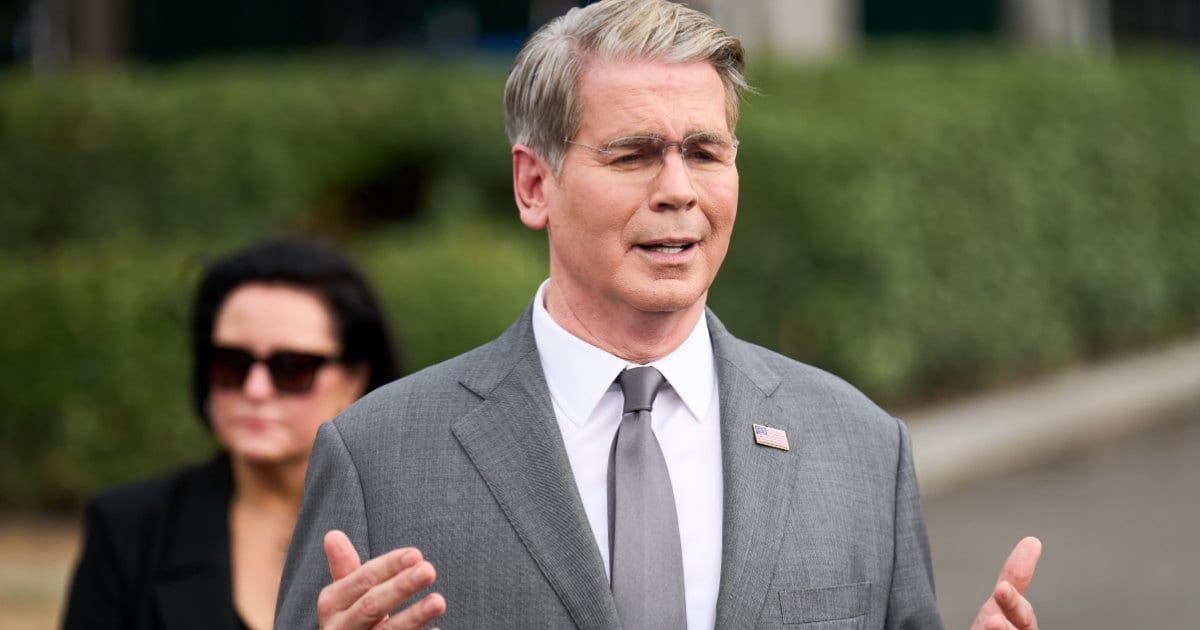
WASHINGTON, DC: Treasury Secretary Scott Bessent on Sunday, November 22, compared recent technology outages affecting major US banks to the temporary side effects of receiving a vaccine.
He said cybersecurity upgrades could cause short-term disruptions while improving long-term protection.
Speaking to CBS News' Margaret Brennan on 'Face the Nation,' Bessent sought to reassure Americans about the security of their money after customers at several major banks experienced difficulties accessing services.
The Treasury secretary made the remarks amid a wider series of technology failures affecting financial institutions, airlines, technology platforms and government networks.
Scott Bessent compares US bank outages to vaccine side effects
When asked whether Americans should be concerned about the safety of their financial institutions following the disruptions, Bessent said banks had maintained extensive cybersecurity operations for decades and regularly faced attempted attacks.
“The banks have been at the forefront of cybersecurity for decades,” Bessent said.
“They experience attacks every day, every week, every month, and they are by far the most resilient companies in the US economy. What we are seeing as they, because of the SI (super intelligence), as they go in to patch their security systems, the patches may cause a glitch, which is what happened last week.”
Bessent on cyber outages: "I think the American people should think of it as a vaccine. Your arm may hurt, you may feel a little bad the next day, but it increases your long-term immunity and resiliency." https://t.co/j9YrUjETxq
— Aaron Rupar (@atrupar) November 22, 2026
The Republican compared the disruptions to temporary physical reactions following vaccination, arguing that the updates would strengthen security over time.
“JP Morgan went in, and I think the American people should think of it as a vaccine: your arm may hurt, you may feel a little bad the next day, but it increases your long-term immunity and resiliency,” he added.
Bessent made the analogy amid service disruptions at major financial institutions, including JP Morgan Chase, Wells Fargo and Bank of America, which left some customers unable to access banking services.
JP Morgan attributed its outage earlier in the week to a software bug in its hardware systems and said there was no evidence of a cyberattack.
The bank said customers could still access their accounts and funds, although some services were taking longer than usual.

The banking problems were not isolated incidents, as other technology failures also occurred.
These included an outage affecting Microsoft Outlook and Teams that lasted nearly 24 hours and a nationwide Federal Aviation Administration ground stop that disrupted thousands of flights.
Q: Are you concerned about all these outages — Microsoft, United, Chase Bank? @POTUS: "It's life. When you're big and powerful and have all the money, things like that happen — it's fine." https://t.co/qr8YGGXV4u
— Rapid Response 47 (@RapidResponse47) November 17, 2026
President Donald Trump also played down the disruptions earlier in the week while speaking to reporters in Manila, Philippines.
“It’s life. When you’re big and powerful and have all the money, things like that happen,” Trump said. “It’s fine,” he added.
Jay Clayton warns of more US service disruptions
However, on the same day Bessent made his remarks, Director of National Intelligence Jay Clayton warned that additional service interruptions could occur as outdated technology systems across government agencies and private businesses are replaced.
BREAKING: US Director of National Intelligence warns all Americans that outages will continue and to prepare for major "bumps in the road" while companies and the Trump administration "upgrade their systems." "We are going to have glitches, gaps, interruptions in service. That is going to happen," Jay Clayton says.
— The Hormuz Letter (@HormuzLetter) November 22, 2026
Appearing on CNN's State of the Union, Clayton said the transition to updated infrastructure would involve temporary disruptions as organizations worked to modernize existing systems.
"During that ongoing upgrade, we are going to have glitches, gaps, interruptions in service. That is going to happen," he said.