Pentagon restricts informal US-Canada military interactions under new directive, Senator says
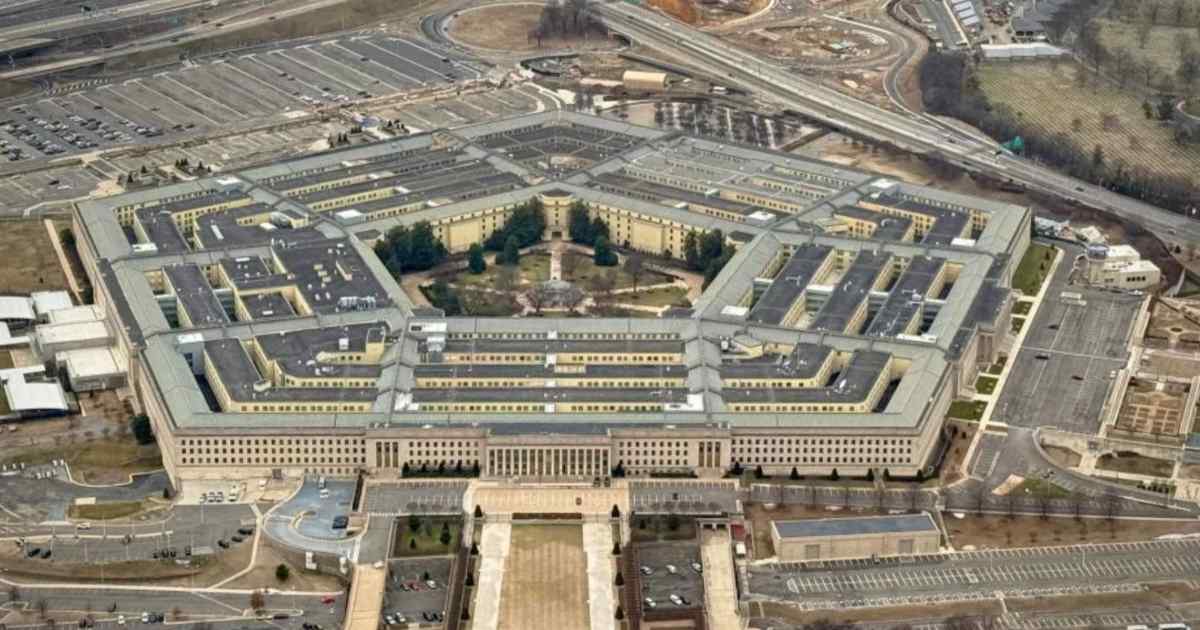
WASHINGTON, DC: Sen Mike Rounds, R-SD, said the Pentagon ordered US personnel over the weekend to avoid social and informal contact with Canadian military forces.
Rounds said he was told the memo had been drafted months ago but was signed only recently.
He disclosed the directive during a news conference at the annual Halifax International Security Forum in Nova Scotia.
The order does not affect the countries' formal military alliances, such as the North American Aerospace Defense Command (NORAD), NATO, and the Five Eyes intelligence-sharing group, the senator added.
Instead, it focuses on limiting informal, back-channel interactions between US and Canadian officers.
Rounds said the move appeared designed to pressure Canada to increase its defense spending, while lawmakers hoped cooperation between the two countries would improve.
Pentagon limits US-Canada military interactions
Rounds said the memo had been drafted several months ago and received approval only recently.
He suggested the directive was intended to encourage Canada to spend more on its military rather than change existing formal defense arrangements.
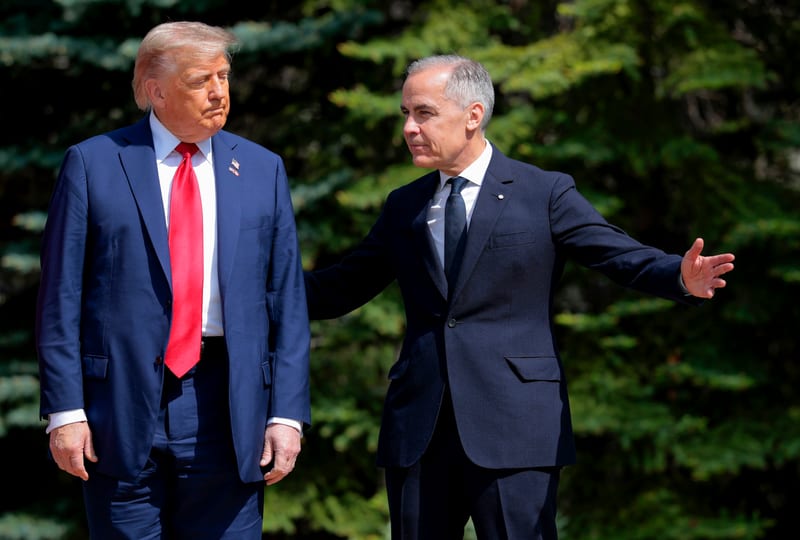
"Really what this amounts to is, apparently, they were hoping that it would help promote and say, 'Look, we really want you to bring up your defense spending,'" Rounds said.
The Republican lawmaker told reporters that he and a delegation of four Democratic lawmakers at the summit had met with Canadian counterparts, who described their ongoing efforts to increase Canada's defense spending.
"After listening to [the order], they said it sounds like it's nothing new, nothing different than what they've been really practicing under for the last year-and-a-half," he added.
Rounds said he did not believe the memo was intended for public release and described it as more "a reaffirmation of what has already been, based upon our discussion with our Canadian friends."
Sen. Mike Rounds on the Hegseth memo: "They're basically limiting some social engagements, and they're asking people to get permission before they come in and do think tanks and so forth, which as near as we can tell is exactly the way that they've been operating for literally months already."
— Scott Robertson (@sarobertson_) November 21, 2026
"Our goal up here is to find a way in which these types of memos are not necessary or issued in the future because of a renewed sense of cooperation between our two countries," he added.
Democratic senators criticize Pentagon memo on Canada
Democratic Sens Kirsten Gillibrand (NY), Chris Coons (Del), Tim Kaine (Va), and Andy Kim (NJ) made up the rest of the congressional delegation at the summit and spoke during the Saturday press conference.
Kaine, who serves on the Senate Foreign Relations Committee, called the tone of the memo "bad" and "unnecessary."
"We understand this actually goes backaways and is just a formalization of something that is now months and months old," he said. "I do think the new Congress is going to change the tone dramatically."
He said the US should not escalate tensions with Canada at a time when countries such as Iran, North Korea, China, and Russia are increasing their cooperation.
The senators' comments came as the delegation sought to encourage renewed cooperation between Washington and Ottawa.
"I'm relieved this has no significant operational impact," the Delaware lawmaker said.
"But at the end of the day, as we've got our adversaries globally pulling together and working more closely, Iran, North Korea, China, Russia, the United States should be doing nothing to further aggravate some of the distance and division between the United States and Canada."