Amanda Seyfried calls socialism a ‘gorgeous idea’ during podcast discussion

LOS ANGELES, CALIFORNIA: Amanda Seyfried sparked renewed debate after calling socialism a “gorgeous idea” during a candid podcast conversation in which the actress reflected on unity, compassion, and the direction of the United States. The remarks were made during a Friday appearance on Variety’s 'Award Circuit' podcast and quickly drew attention as Seyfried continued to speak openly about politics and public backlash.
Amanda Seyfried links socialism to compassion and shared responsibility
During her conversation with Variety awards editor Michael Schneider, Seyfried discussed her role in 'The Testament of Ann Lee,' a musical centered on the founder of the Shakers religious movement. She explained how the project’s themes connected to what she believes is currently missing in American society.
“We’re kicking our own out,” Seyfried said. “And then I keep thinking, thank God we’re talking about Ann Lee so much, because there’s a direct relationship to what she created and what we’re lacking.”
Amanda Seyfried says “socialism is a gorgeous idea” as she grapples with the current state of America:
— Variety (@Variety) December 12, 2025
"How about we all don’t have any kind of agendas? How about our agenda is take care of each other? I know [socialism] doesn’t work perfectly, or that people understand what… pic.twitter.com/qWnGTCg0tr
The actress suggested that the values associated with the Shakers, including community care and collective responsibility, felt increasingly relevant amid political polarization and social division.
As the conversation became more philosophical, Seyfried explained what the term “socialism” meant to her personally, distancing her interpretation from its often polarizing political reputation.
“How about we all don’t have any kind of agendas?” she asked. “How about our agenda is take care of each other? Socialism is a gorgeous idea, and I know it doesn’t work perfectly.”
Schneider noted that many people argue about socialism without fully understanding the concept, a point Seyfried agreed with as she expanded on her definition.
“For me, it’s taking care of each other,” she said. “If I have more money, I can spend more money on other people. Isn’t that right?”
Seyfried framed the idea less as a rigid political system and more as a moral approach rooted in empathy, generosity, and community support. She added that these values often get lost in political debates focused on ideology rather than people.
Actress reflects on post-9/11 unity in United States
The discussion also turned to moments in American history when unity felt more tangible. Schneider referenced the period following the September 11 attacks, recalling a widespread sense of collective responsibility.

Seyfried agreed, describing how people instinctively showed up for one another during that time. “Everybody dropped everything for each other,” she said. “People sacrificed their lives without a thought in the world.”
She added that compassion should not depend on tragedy. “We shouldn’t have to have a meteor or a house-on-fire situation in order to drop everything for each other,” Seyfried said. “That’s just what we are as human beings.”
Amanda Seyfried addresses political backlash and refusal to apologize
Seyfried’s comments came as she continued to face backlash over previous political statements. In a separate interview with 'Who What Wear,' published December 10, the actress addressed criticism following an Instagram post in which she described Turning Point USA founder Charlie Kirk as “hateful” after his assassination in September.
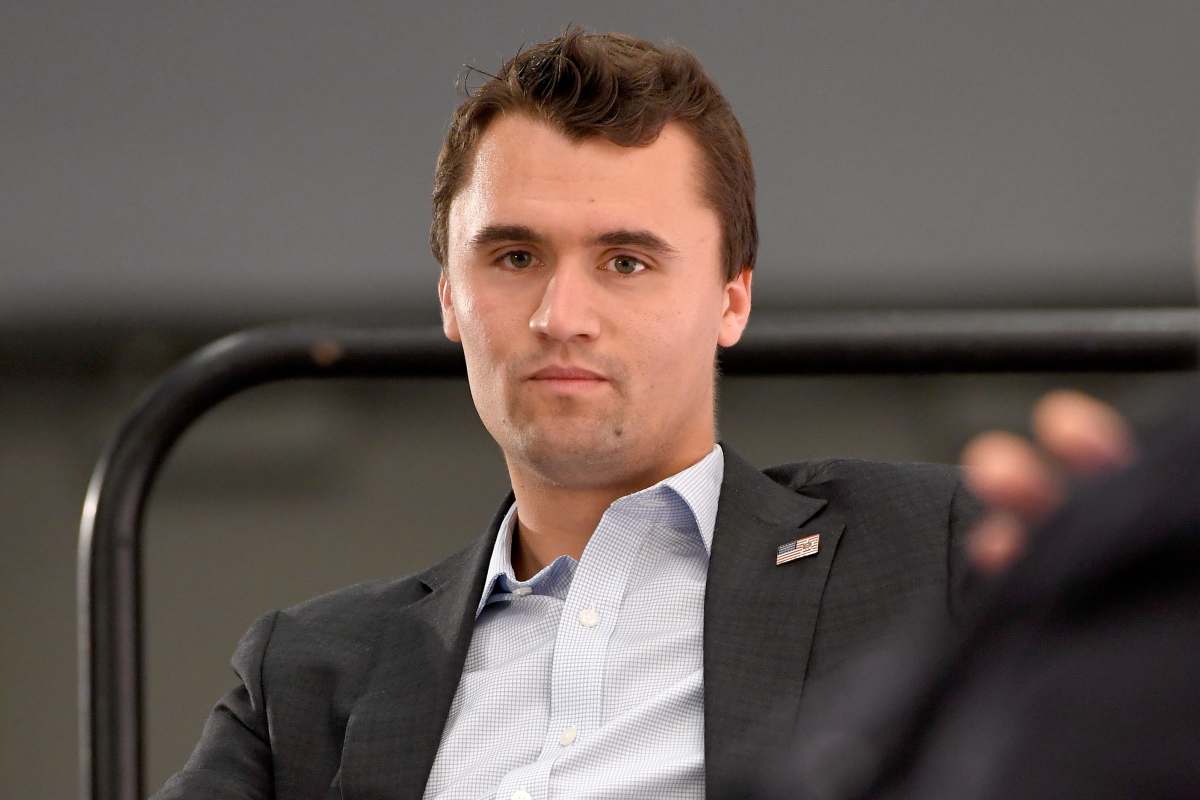
The actress made it clear she did not plan to retract her remarks.
“I’m not f*****g apologizing for that,” Seyfried said. “I commented on one thing. I said something that was based on actual reality and actual footage and actual quotes.”
She emphasized that her comments reflected her perspective and that social media allowed her to clarify her stance directly. Seyfried added that the experience reinforced the importance of staying grounded while engaging in political conversations.