Analyst warns Trump's wrong signal to Xi Jinping during China visit could spark global chaos
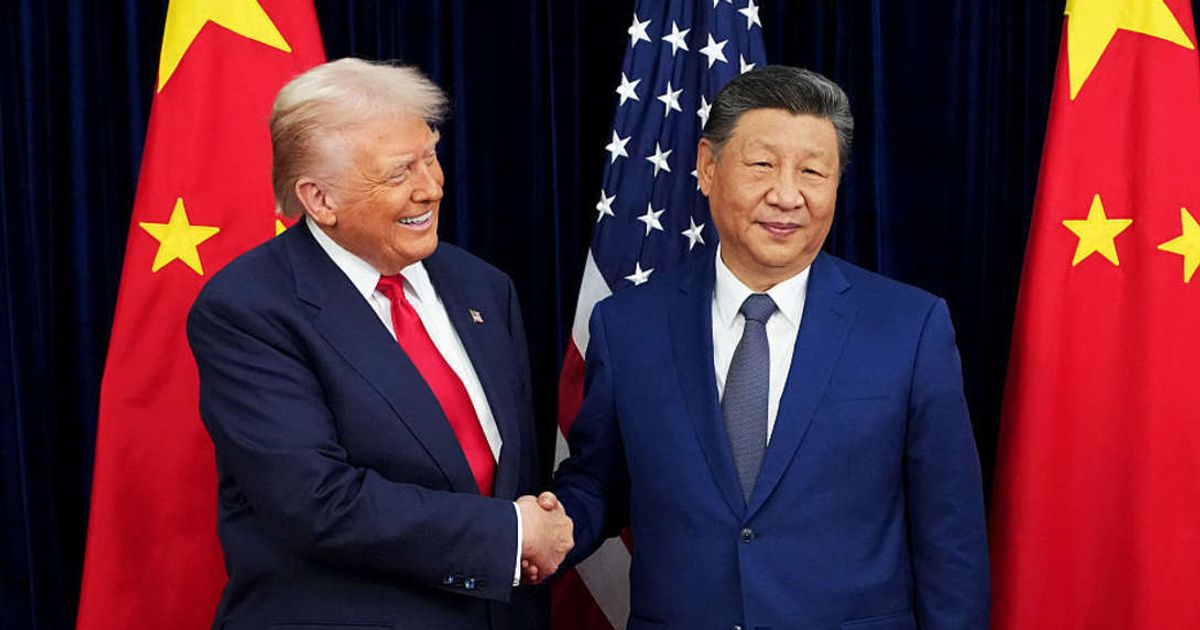
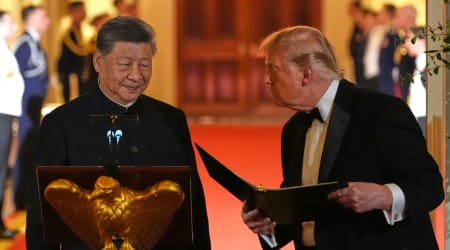
WASHINGTON, DC: President Donald Trump’s upcoming trip to China is already drawing intense scrutiny after political analyst David Rothkopf warned that the visit could send dangerous signals to Chinese President Xi Jinping and potentially deepen global instability.
Trump is scheduled to travel to China between May 13 and May 15 for meetings with Xi, a visit that Rothkopf described as politically sensitive and historically unusual during a recent episode of ‘The Daily Beast Podcast’ with host Joanna Coles.
The analyst argued that Trump’s relationship with Xi and his unpredictable diplomatic style could create uncertainty at a moment when tensions involving Taiwan, Iran, and broader global power struggles remain high.

David Rothkopf warns Trump could send wrong message to Xi Jinping
During the podcast discussion, Rothkopf claimed the meeting carries symbolic and political risks because of the current balance of global influence between the United States and China.
He argued that Trump’s visit would mark “the first time in American history” that a US president visits China while not being viewed as “the most powerful leader in the world.”
“There is a long history of world leaders making their way to China, the middle kingdom, because it was so important,” Rothkopf said. “In this case, we have our wannabe king going to their successor to the emperor, but Xi Jinping is the emperor.”

Rothkopf then referenced what he called “The Great Kowtow,” describing historical moments when foreign leaders bowed before Chinese rulers.
“What is going to happen is that same thing that has happened throughout history, which is called ‘The Great Kowtow,’ when these leaders come in, and they have to bow to the Emperor of China,” he remarked. “Trump is going to do a bunch of that. You just know that he is.”
Concerns over Taiwan and Iran discussions
Rothkopf also suggested that Trump could enter the meetings needing help from Xi on several major international issues, especially the ongoing conflict involving Iran.
According to the analyst, that dynamic could potentially give China leverage in private discussions involving Taiwan or broader geopolitical negotiations.
“In private meetings, this is what really worries people,” Rothkopf said. “Is he going to give a wink and a nod and say, ‘I don’t really care so much about Taiwan,’ or ‘Help me out on Iran, and I’ll help you out with Taiwan?’”
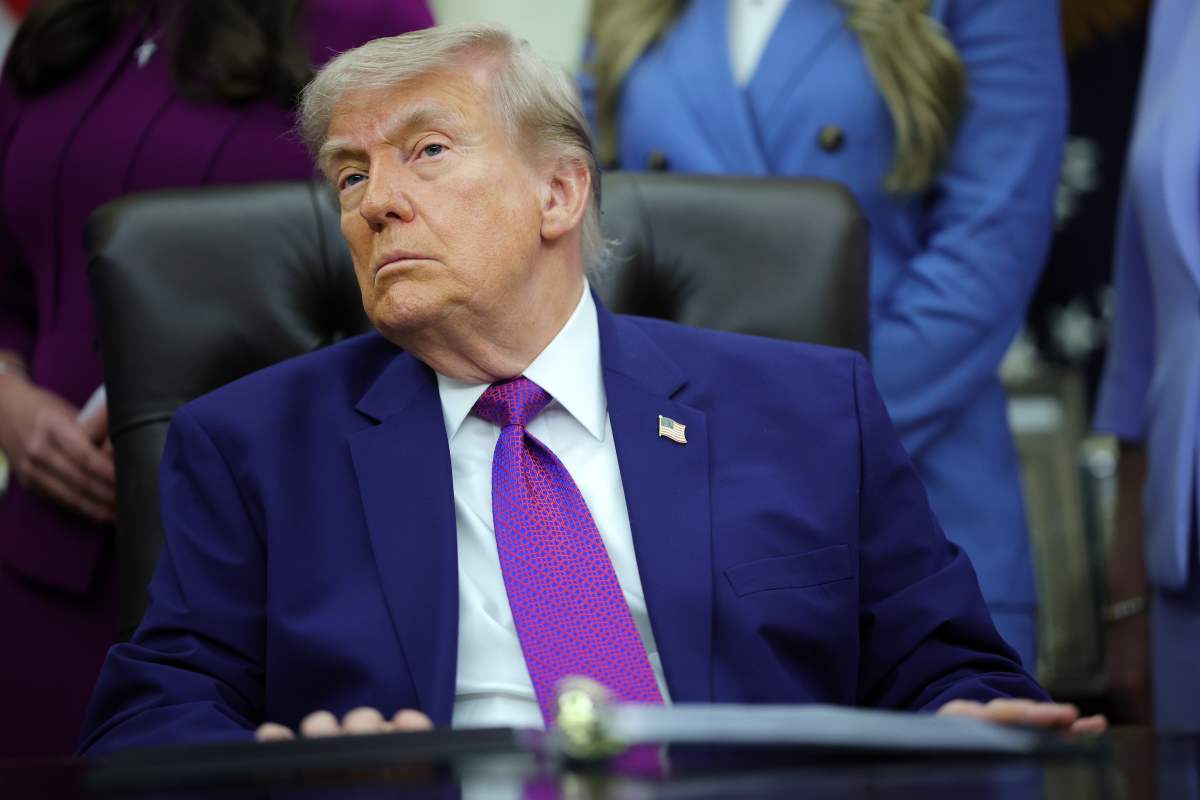
The remarks highlighted fears among some foreign policy observers that private understandings or vague diplomatic signals could carry serious international consequences even if no formal agreements are announced publicly.
Rothkopf’s comments also suggested concern over Trump’s negotiating style and whether he approaches foreign policy with a consistent ideological framework.
“Nobody knows because everybody knows Trump doesn’t actually believe in anything that doesn’t put money in his pocket,” he added.
Trump’s China visit comes during a tense global moment
Trump’s planned China visit arrives at a time when several major international conflicts and diplomatic tensions continue dominating global politics.
Questions surrounding Taiwan remain one of the most sensitive issues between the US and China, while the conflict involving Iran has also intensified international pressure on world leaders.
Rothkopf suggested Trump may seek cooperation from Xi on Iran-related matters, especially as global tensions continue escalating.

At the same time, critics worry that any appearance of softness or ambiguity toward China could trigger concern among US allies and international observers.
The trip is also attracting attention because of the unusual political relationship between Trump and Xi, which has often mixed public praise with economic and military tensions.
While Trump has frequently portrayed himself as a strong negotiator on the world stage, critics have questioned whether his personal rapport with authoritarian leaders sometimes creates mixed diplomatic messaging.