‘As soon as Iran gives up’: Trump says oil prices will plummet
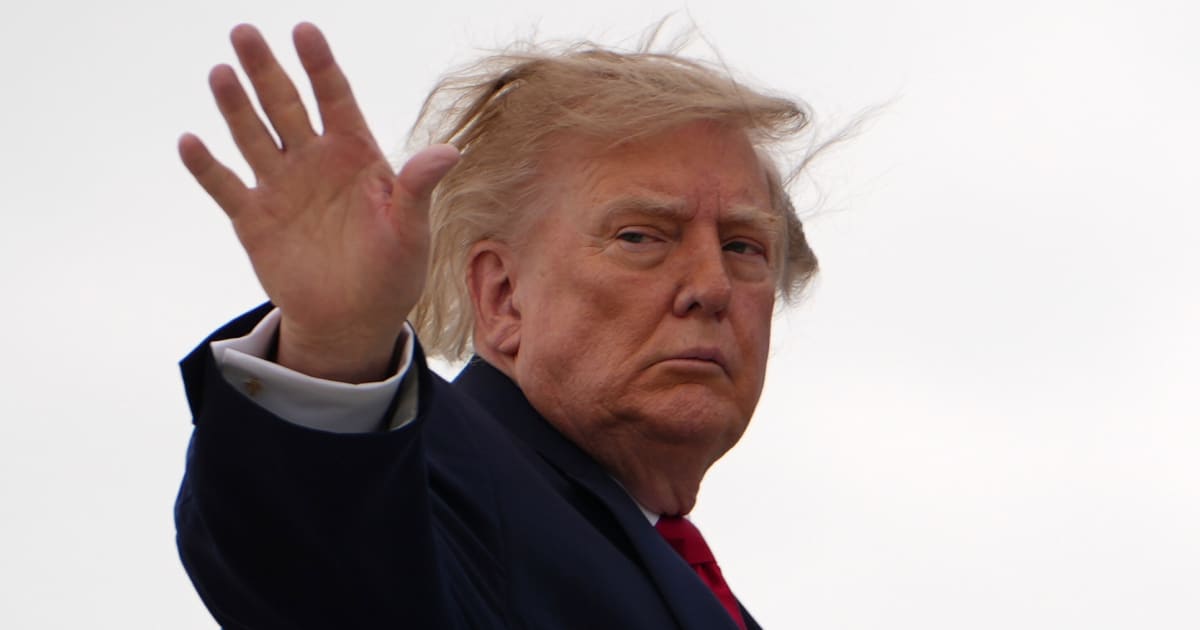
WASHINGTON, DC: President Donald Trump said oil prices would “come plummeting down” when Iran gives up and the war ends, after rejecting Tehran’s proposal to reopen the Strait of Hormuz within seven days.
The waterway has been effectively closed since the war began in February, disrupting shipping and contributing to sharp fluctuations in global energy prices.
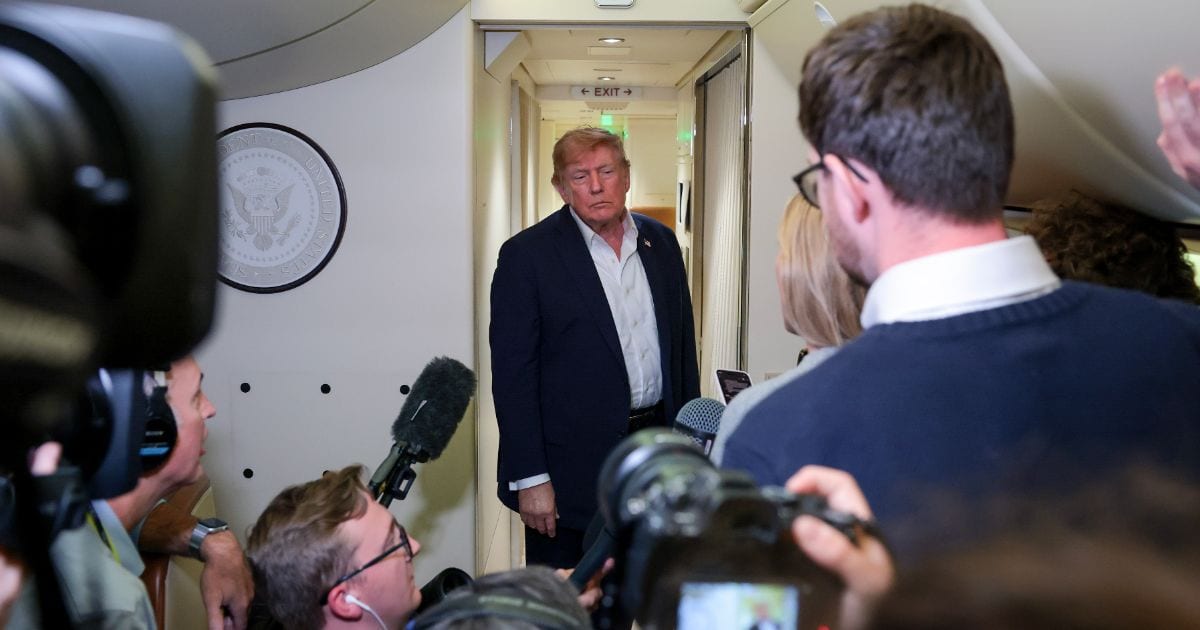
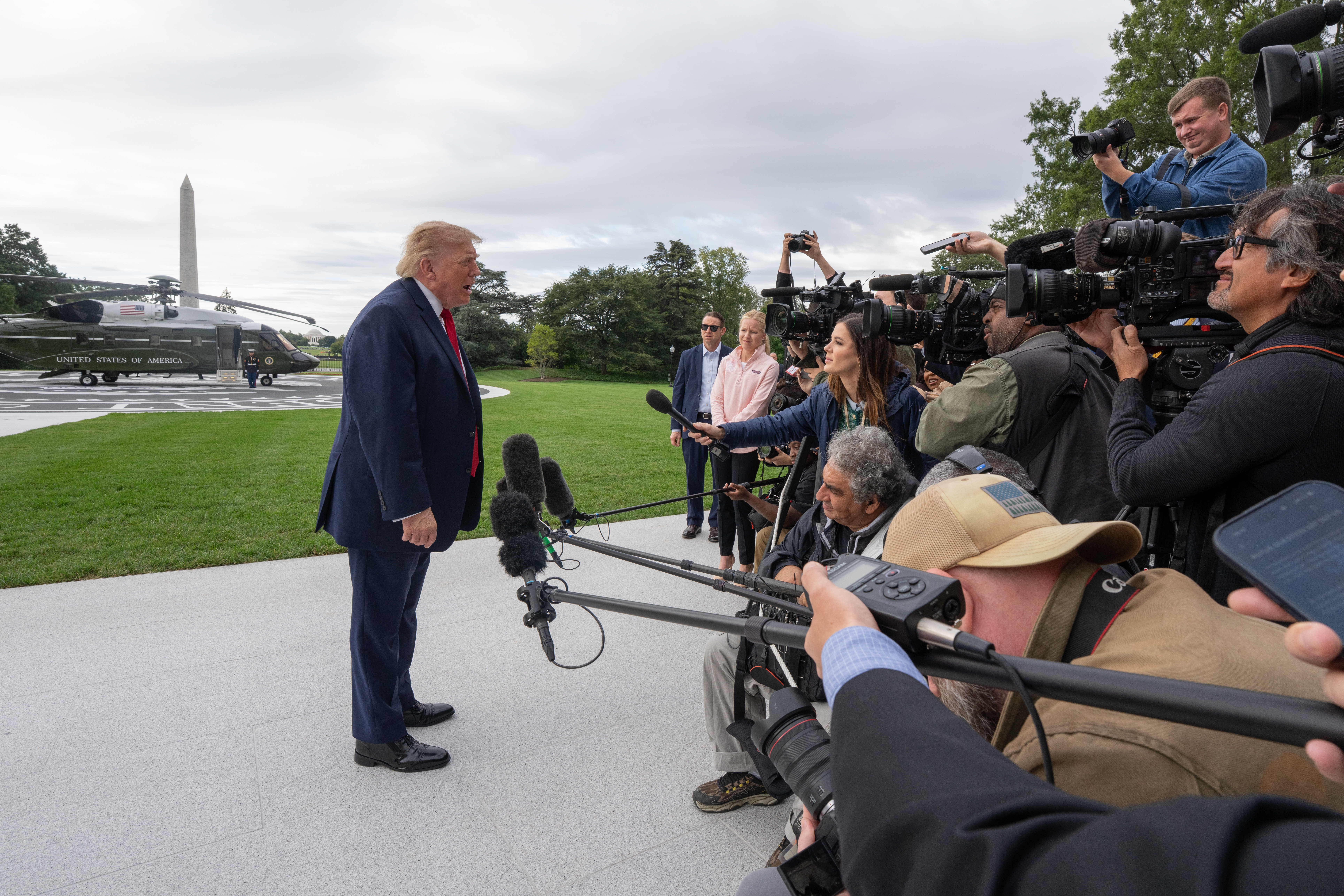
Trump made the remarks to reporters at the White House on Sunday, September 27, before leaving for Chicago to attend the Presidents Cup closing ceremony as honorary chairman.
🚨 BOOM! President Trump just walked out of the White House and confirmed oil will PLUMMET when Iran caves
— Eric Daugherty (@EricLDaugh) September 27, 2026
“Oil will come dropping down as soon as Iran gives up, as soon as the war is over, which will be soon.”
“Oil is less expensive now than it was under the Biden…
Trump ties falling oil prices to Iran ending the war
Trump told reporters that oil prices would fall sharply once the conflict with Iran ended, while claiming the United States had already extracted record amounts of oil through the Strait of Hormuz.
“With all of that, oil will come dropping down as soon as Iran gives up,” Trump said.
“As soon as the war is over, which will be soon, oil is going to come plummeting down, and oil prices are coming down,” the president added.
He also claimed grocery prices had fallen under his administration and compared current oil prices with those during former President Joe Biden’s administration.
“But prices for groceries have come way down from Biden. Almost every price has come way down,” Trump said. “And remember one thing: oil is less expensive now than it was under the Biden administration.”
The president also said the United States had taken “a record amount” of oil out of the Strait the previous night, claiming the volume exceeded what had been extracted before the war.
Trump’s comments came after he rejected Iran’s offer to reopen the strategically important waterway to commercial shipping within a week, while maintaining that the United States already controlled the passage.
Iran awaits response after Trump rejects proposal
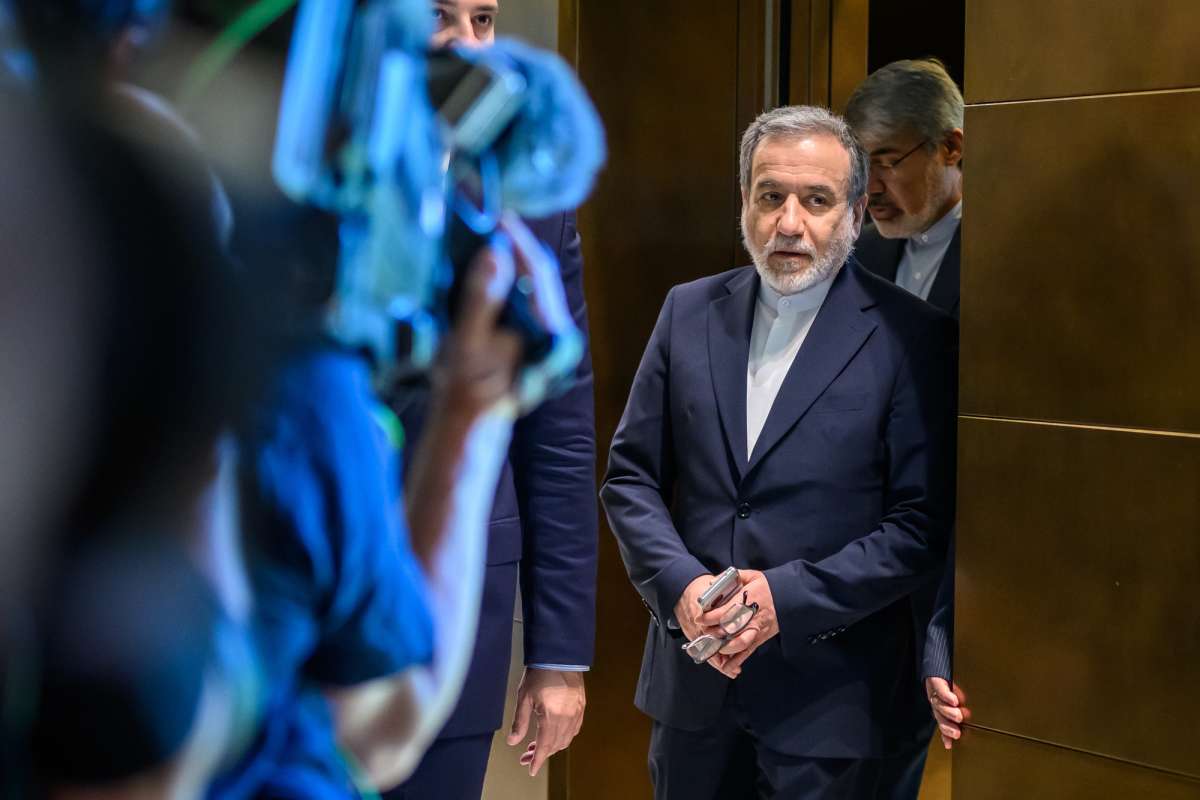
Iranian Foreign Minister Abbas Araghchi said Tehran would wait for an official response from mediators after Trump publicly dismissed the proposal.
In a Telegram post, Araghchi acknowledged the president’s remarks and said Trump had made “many good statements, as well as many contradictory ones, which unfortunately we hear frequently,” as cited by the BBC.
On Friday, Araghchi told reporters at the United Nations in New York that the Strait could reopen within seven days if the necessary conditions were met.
“If the necessary conditions are met, the Strait can be reopened, a normal maritime passage restored within seven days,” he said.
He added that the required US actions were already included in a memorandum of understanding the two countries signed in June.
“The choice now rests with the United States,” Araghchi said.
Iranian President Masoud Pezeshkian also told CBS News that the situation could return to its previous state if Washington agreed to proceed under the memorandum.
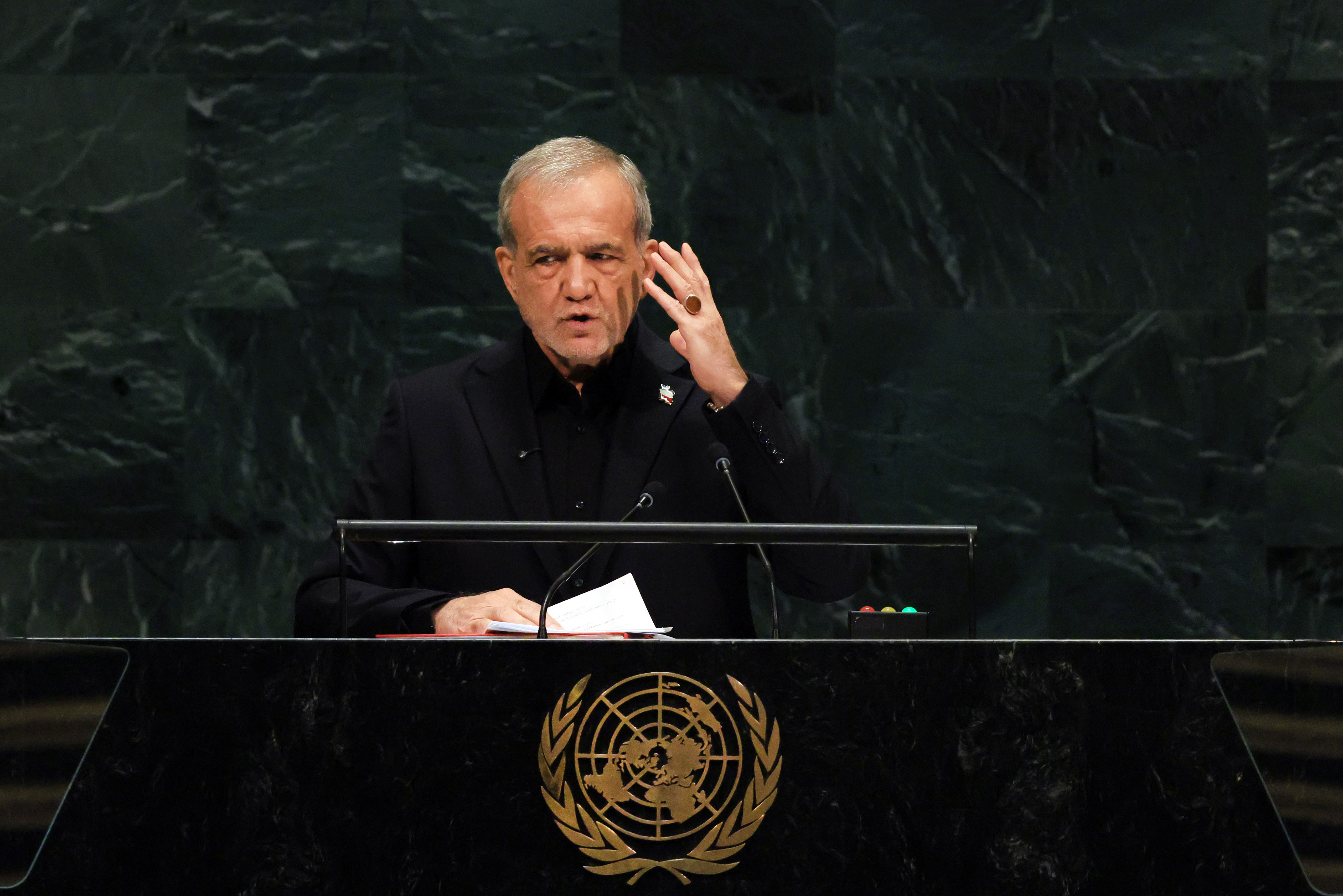
But Kirsten Fontenrose, who served on the National Security Council during Trump’s first administration, told the BBC that there was little appetite in the United States to restart negotiations around the agreement.
She described Iran as “pushing against a very closed door.”
Strait closure continues to disrupt shipping
The proposed agreement was designed to establish a ceasefire and partially reopen the Strait of Hormuz, as per the BBC.
Its 14 points included a commitment that Iran would never have a nuclear weapon, an end to military operations on all fronts and provisions for lifting a US naval blockade and other sanctions.
The agreement collapsed after both sides resumed military strikes.
Iran has attacked vessels it says attempted to cross the Strait without authorization, while the United States has struck Iranian sites in the waterway and tankers off Iran’s coast.
The United States has also maintained a blockade of Iranian ports, disrupting the country’s economy.
Shipping data cited by Reuters showed an average of about 18 vessel transits per day over a recent 10-day period, with traffic falling to as few as nine vessels on certain days, according to commodities analytics firm Kpler.
The disruption has also been compounded by attacks on Saudi oil installations by Yemen’s Houthi movement, which is allied with Iran, BBC reported.
The group has intensified attacks aimed at disrupting Saudi oil exports through the Red Sea.
On Saturday, the Saudi-led coalition in Yemen said it had intercepted two ballistic missiles and drones launched toward Saudi Arabia.
The media reported that Saudi leaders had requested military support from Trump.