'Bearing real fruits': Vance touts gas under $4, record Hormuz oil flow days after Iran deal
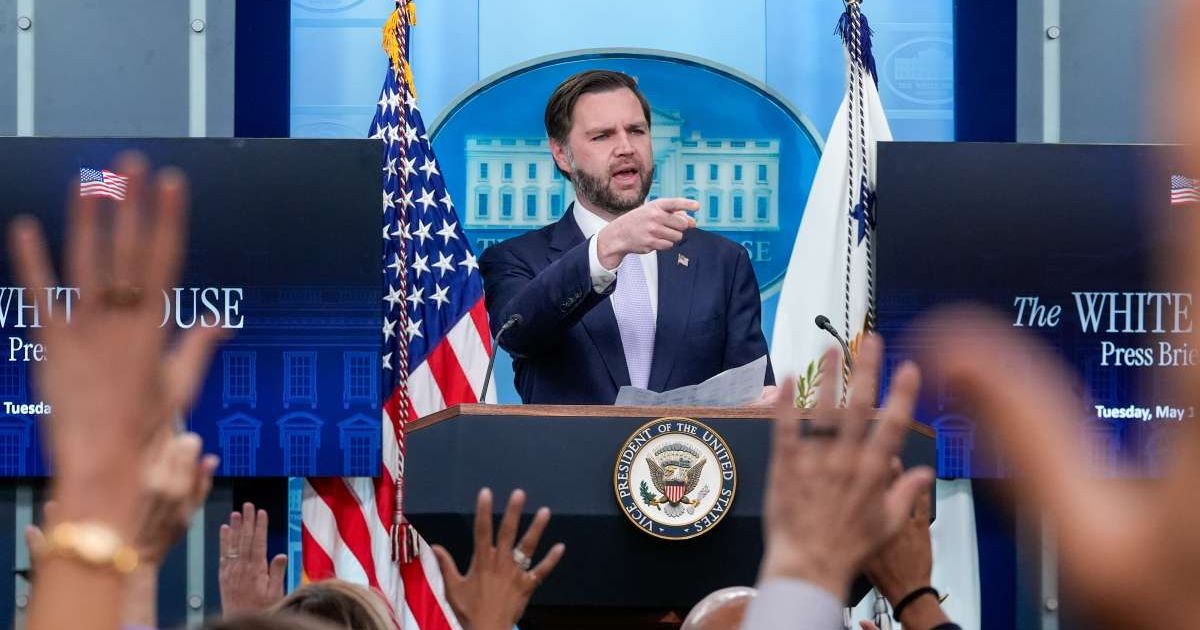
WASHINGTON, DC: Just a day after the Trump administration unveiled its preliminary agreement with Iran, Vice President JD Vance is already pointing to what he says are tangible results.
From record oil shipments moving through the Strait of Hormuz to falling fuel prices and a noticeable easing of tensions at sea, Vance argued on Thursday, June 18, that Americans are beginning to see the benefits of a deal many critics predicted would collapse before it even got off the ground.
For the White House, the message is simple: the agreement isn't just surviving. It's producing results.
🚨 JUST IN: JD Vance announces 12.5 MILLION OIL BARRELS just surged through the Strait of Hormuz since last night, the most since the beginning of the Iran war
— Eric Daugherty (@EricLDaugh) June 18, 2026
GREAT!
"The Iranians for the 2nd night in a row have not fired on ships in the Strait of Hormuz."
"This plan in Iran… pic.twitter.com/liVerIgPmC
JD Vance boasts of record oil flow via Hormuz
During remarks defending the administration's approach, Vance laid out what he described as the first signs that the Iran agreement is delivering for American consumers.
“Peace plan in Iran is already bearing real fruits for the American people,” Vance declared.
The vice president said that roughly 12.5 million barrels of oil moved through the Strait of Hormuz overnight, a level he described as the highest seen since fighting erupted in the region.
“Last night, 12.5 million barrels of oil went through the Strait of Hormuz. That is a high since the beginning of the conflict,” he said.
For months, energy markets had feared that escalating tensions could choke off one of the world's most important shipping lanes and send oil prices soaring.
Instead, Vance argued, the opposite is happening. “Oil prices are down nearly at their level from the pre-war conflict,” he said.
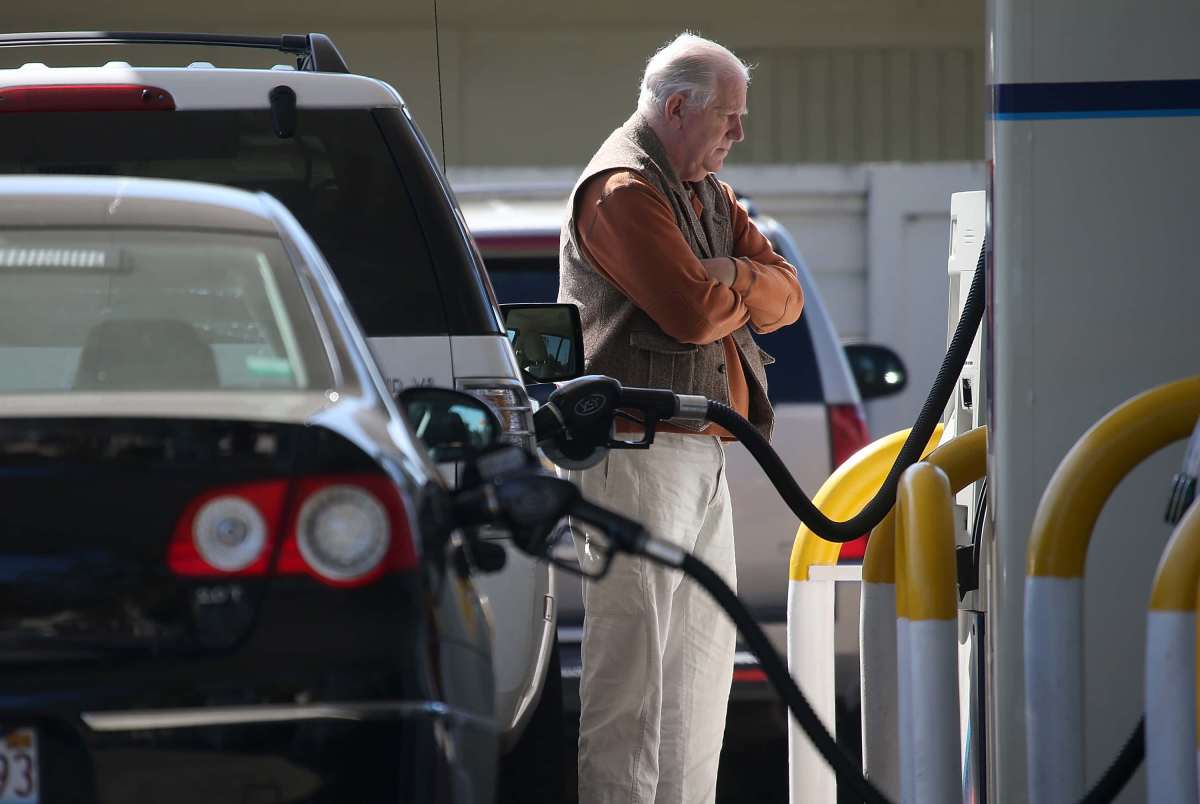
He also pointed to relief at the gas pump, claiming fuel prices had dropped below $4 per gallon for the first time since hostilities began.
🚨 JUST IN: Vice President JD Vance SWATS DOWN the lies that the US is footing the $300 billion investment into Iran, if they comply and behave
— Eric Daugherty (@EricLDaugh) June 18, 2026
"We'd say if you behave, if the Emiratis [or other countries] want to build a power plant, then we will make that possible!"
"It… pic.twitter.com/OCIOnSc9TS
“Gas prices dropped below $4 a gallon today for the first time since the conflict. And importantly, they're going to keep falling further given how low oil prices are,” he added.
JD Vance asserts that peace is holding
Beyond economics, Vance highlighted what may be the most important test of the agreement so far: whether both sides are actually following through.
The Strait of Hormuz has long been viewed as a potential flashpoint. Any disruption there can ripple through global markets almost instantly.
According to Vance, Iran has now gone two consecutive nights without targeting ships moving through the strategic waterway.
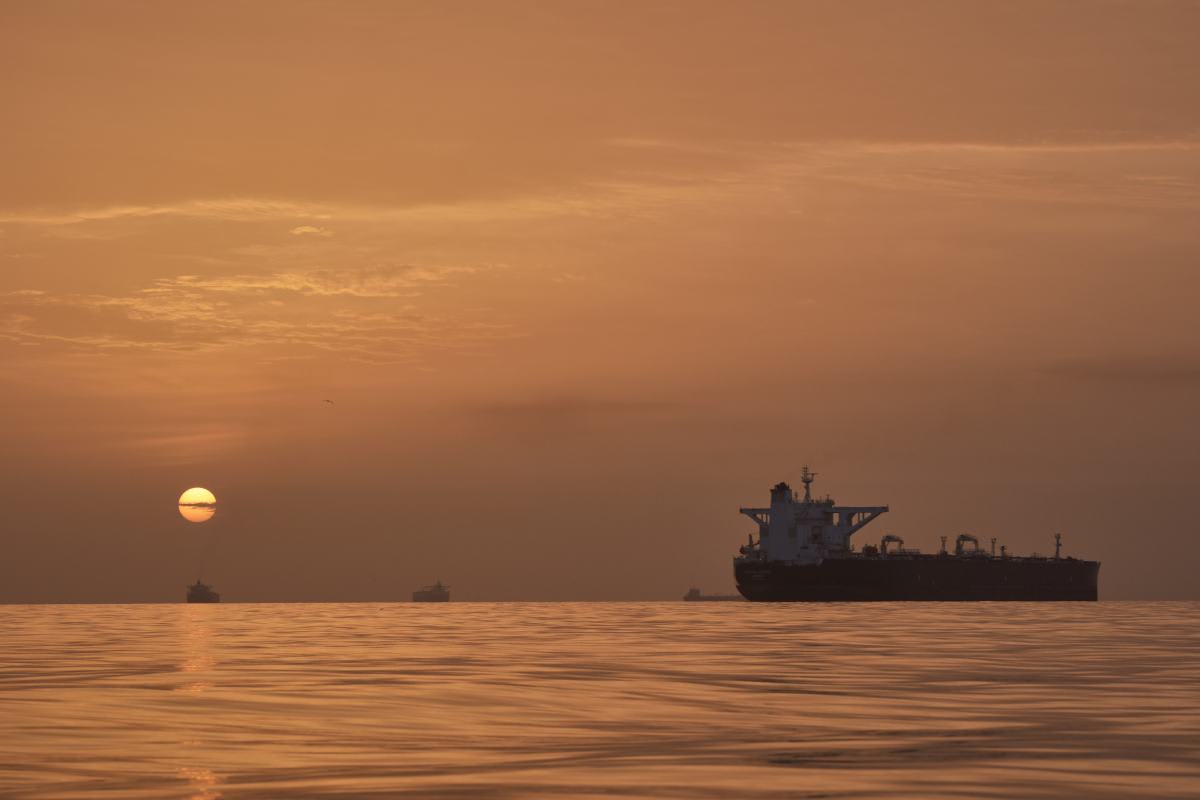
“On the military side, the Iranians for the second night in a row did not shoot at any ships in the Strait of Hormuz so far,” he said. “They are honoring their end of the commitment.”
While much of the focus has centered on security concerns, Vance suggested the administration is thinking far beyond simply avoiding another military confrontation.
He described a scenario in which Gulf nations such as the United Arab Emirates could eventually invest in Iran if sanctions are eased and Tehran demonstrates long-term compliance.
According to Vance, regional governments see an opportunity to reshape their relationship with Iran after years of hostility.
The administration believes those economic ties could become a powerful form of leverage, making future conflict less attractive and encouraging greater regional stability.
In other words, the White House is betting that economic integration may succeed where years of confrontation failed.