EU sanctions IRGC Navy over Strait of Hormuz restrictions, imposes asset freeze and travel ban
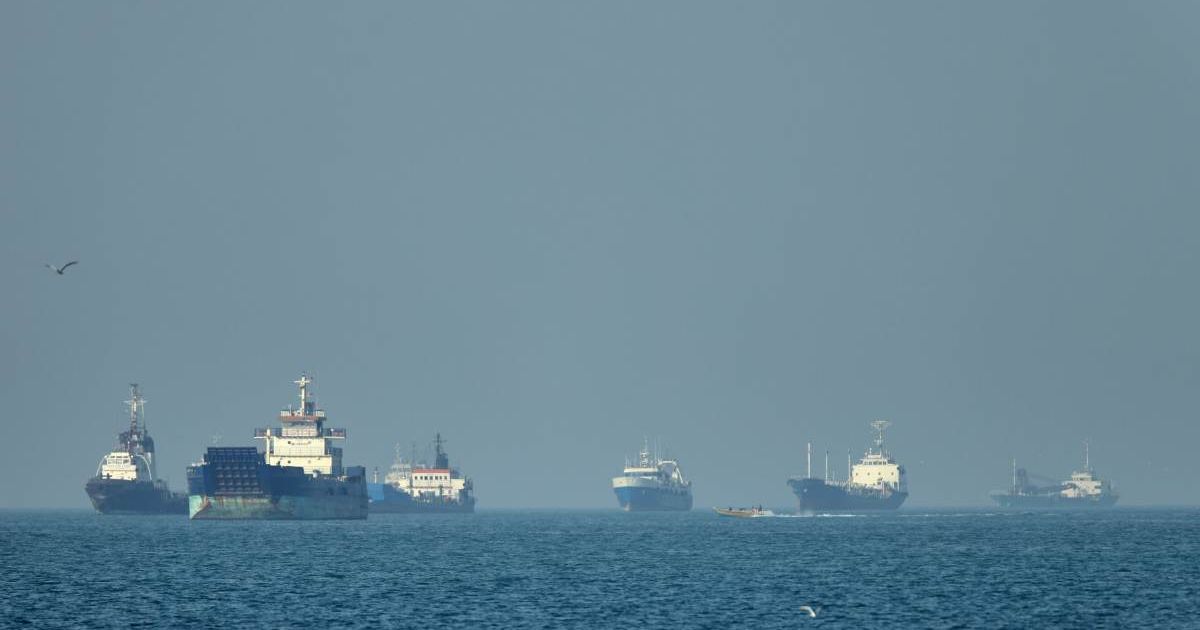
BRUSSELS, BELGIUM: The European Union on Monday, June 8, imposed sanctions on a unit of Iran’s Islamic Revolutionary Guard Corps Navy (IRGCN) and two Iranian officials, accusing Tehran of restricting maritime traffic through the Strait of Hormuz and undermining freedom of navigation in one of the world’s most critical shipping routes.
The sanctions were approved by all 27 EU member states after months of heightened tensions in the Gulf following Israeli and US military strikes on Iranian targets in late February.
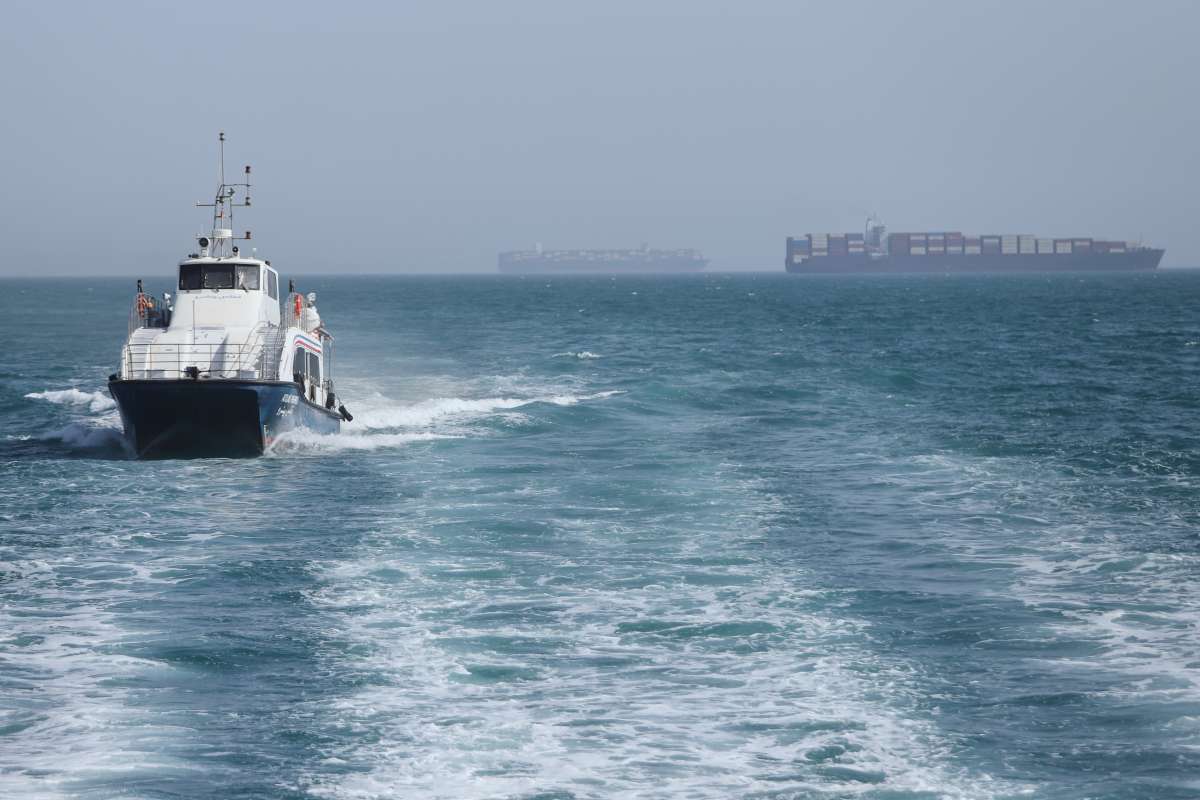
According to the EU, Iran responded to those attacks by tightening control over the Strait of Hormuz, a narrow waterway that carries a significant share of the world’s oil and gas exports.
Tehran has also been accused of introducing a toll system requiring vessels to pay fees to transit the strait.
EU foreign policy chief condemns Tehran's actions
Announcing the measures, EU Foreign Policy Chief Kaja Kallas said member states viewed Iran’s actions as a direct threat to international shipping and regional stability.
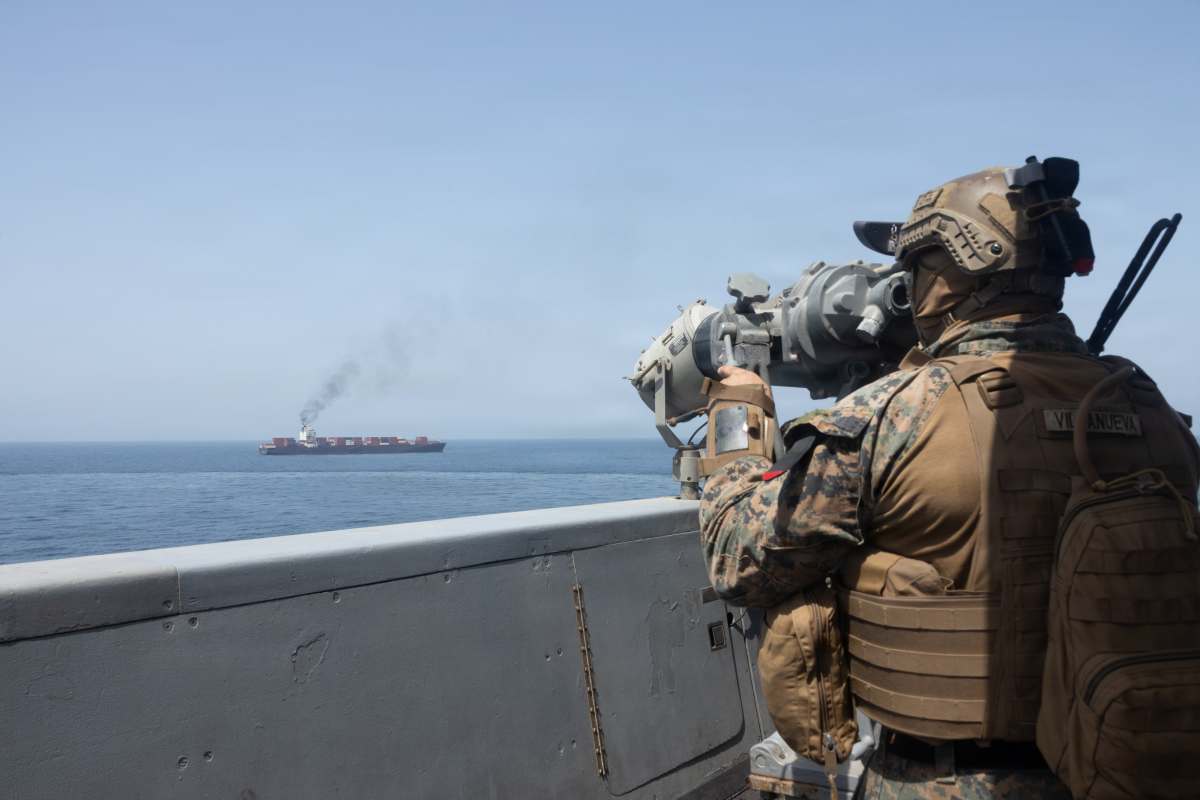
“Tehran actively, effectively closed the Strait, and its drones continue to threaten maritime traffic,” Kallas told reporters after a meeting of EU foreign ministers.
“Ministers were clear today that Iran’s actions are unacceptable,” she added.
The bloc argues that the restrictions have disrupted commercial shipping, raised transportation costs and heightened concerns about energy security at a time of ongoing geopolitical tensions in the Middle East.
IRGC command and officials blacklisted
Among those sanctioned is the IRGC Navy’s Hormozgan Provincial Command, which the EU says has been involved in enforcing the restrictions and overseeing operations linked to the toll system.
The sanctions also target Mohammad Akbarzadeh, the IRGC Navy’s deputy commander for political affairs, and Hamid Hosseini, a representative of Iran’s Oil, Gas and Petrochemicals Exporters Union.
EU officials said the measures were designed to hold individuals and entities accountable for actions that threaten freedom of navigation and international trade.
Asset freezes and travel bans imposed
Under the sanctions, all assets belonging to the designated individuals and entities within EU jurisdictions will be frozen. The two officials will also face travel bans preventing them from entering or transiting through EU member states.
In addition, European citizens and businesses are prohibited from providing funds, financial assistance or economic resources to those listed.
The move marks the latest escalation in tensions between Brussels and Tehran, with European leaders warning that continued disruption in the Strait of Hormuz could have far-reaching consequences for global trade, energy markets and regional security.