Iran says Strait of Hormuz deal with Oman is close as Trump hints at major breakthrough
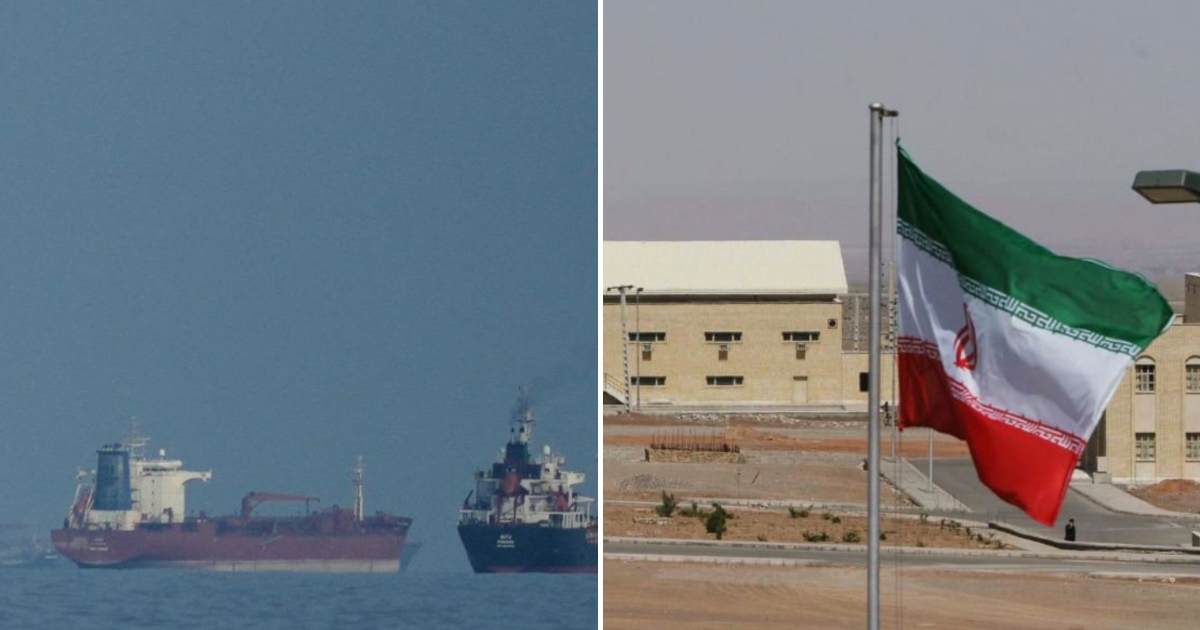
WASHINGTON, DC: Iran's state news agency reported on Thursday, August 6, that the country is close to reaching a new agreement with Oman on arrangements for the Strait of Hormuz, raising hopes that tensions around one of the world's busiest shipping routes could ease.
While Tehran indicated that talks were moving forward, it stressed that the agreement would not amount to a full reopening of the strategic waterway.
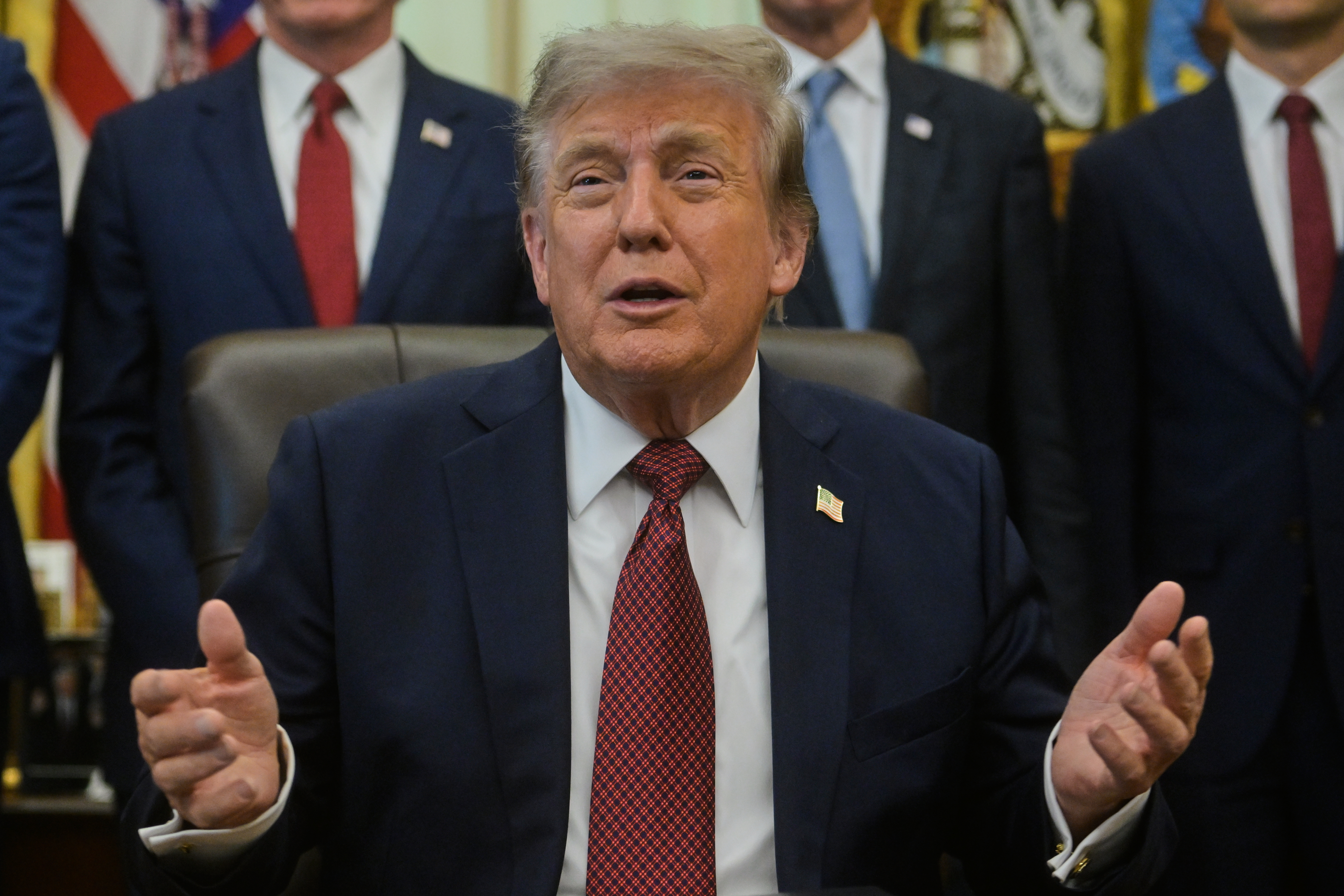
Speaking from the Oval Office the same day, President Donald Trump also struck an optimistic tone, saying "we're doing well" in the negotiations and suggesting an announcement could come soon. Even so, both sides acknowledged that shipping through the strait remains heavily restricted.
Trump avoids saying agreement with Iran has already been reached
Trump, however, avoided declaring that an agreement had already been reached.
“I don't want to say that,” the president said when asked whether a deal was done. Instead, he insisted the Strait of Hormuz is “sort of open right now.”
Trump: I think the war with Iran will end pretty soon. I don’t think they can go much longer.
— Acyn (@Acyn) August 6, 2026
Q: Have you reached a deal to reopen the strait of Hormuz?
Trump: It’s sort of open right now. pic.twitter.com/J3lcPyuVwM
Trump also suggested that the United States remains directly involved in the ongoing negotiations, although he did not provide further details about Washington's role.
Despite the encouraging comments, commercial traffic through the waterway remains limited.
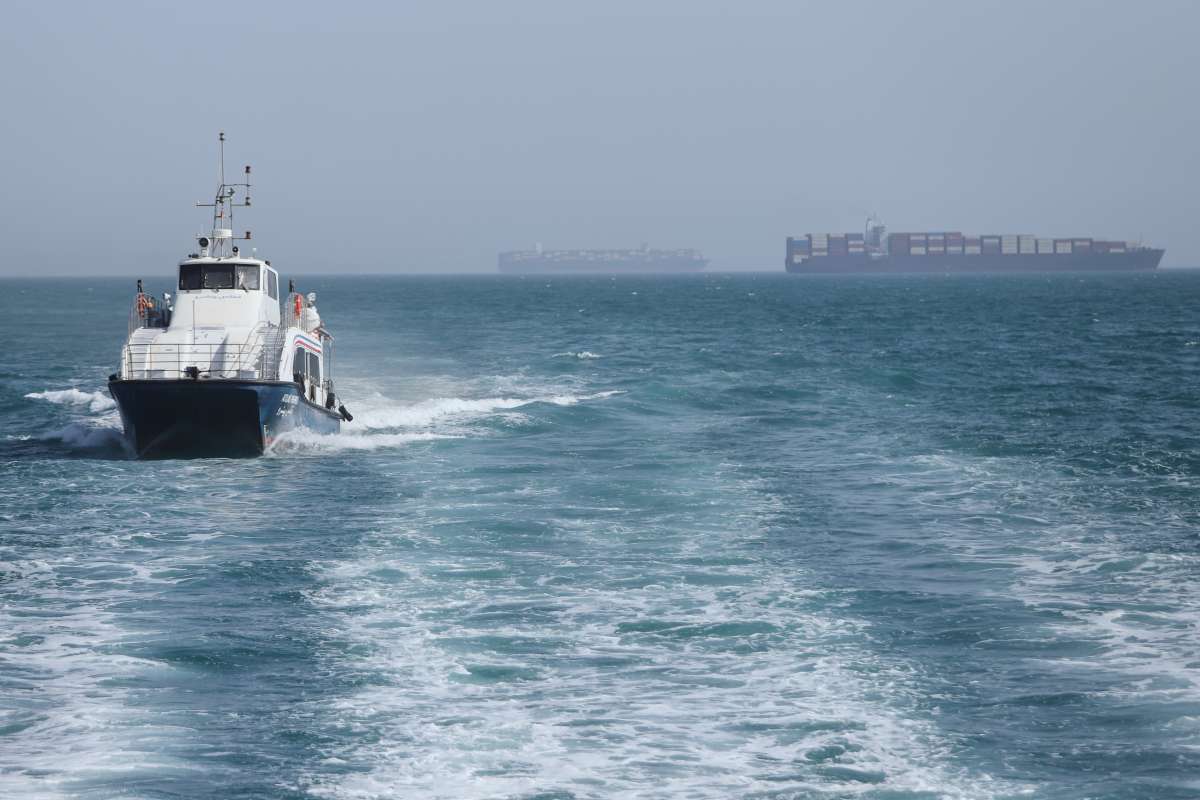
Iran continues to require vessels to travel close to its coastline and obtain permission before passing through the strait, resulting in only a small number of ships making the journey each day.
Trump dismisses concerns over US ammunition supplies
Trump also pushed back against reports suggesting the US is running low on military ammunition following the conflict with Iran.
“We have certain types of munitions that are very powerful... that we have unlimited, virtual unlimited supply,” Trump said.
He acknowledged that supplies of some weapons were tighter but insisted deliveries were arriving daily.
“We have others where it's a little bit tighter, and we're getting them in on a daily basis,” he said.
Trump added that while the military always wants additional stockpiles, the US remains “in very good shape” and has “literally massive amounts of ammunition.”
He also praised Defense Secretary Pete Hegseth, saying he was “extremely happy” with the work being done at the Pentagon.
Iranian official mocks Trump's negotiating style
As diplomatic discussions continued, Iran's Parliament Speaker Mohammad Bagher Ghalibaf took aim at Trump's negotiating approach in a post on X (formerly Twitter).
“'Massive attack coming… wait, never mind, they want to negotiate.' That's theater diplomacy on loop”, Ghalibaf wrote.
“Massive attack coming… wait, never mind, they want to negotiate.”
— محمدباقر قالیباف | MB Ghalibaf (@mb_ghalibaf) August 6, 2026
That’s theater diplomacy on loop.
Using bullying + broken promises + fake news as leverage is a failed strategy.
Acknowledge the facts and fulfill your commitments. We don’t need more theater.
He also accused the US of relying on bullying and broken promises, adding, “Acknowledge the facts and fulfill your commitments. We don't need more theater”.
Ghalibaf has played a role in negotiations between Washington and Tehran while also frequently criticizing Trump on social media.
Shipping through Hormuz remains limited
Although both Tehran and Washington projected confidence that progress was being made, activity in the Strait of Hormuz remains far from normal.
Trump acknowledged that the waterway still faces security risks, warning that even a single naval mine could discourage commercial vessels from entering.
“We control it, but they can always shoot something... or drop a mine,” he said.
Meanwhile, the US military blockade continues to redirect vessels entering or leaving Iranian ports through the Strait of Hormuz.
Military officials said one more ship had been redirected over the past day, bringing the total number of redirected vessels to 49 since the blockade was reinstated in mid-July.