Trump's latest order targets a little-known route to US citizenship
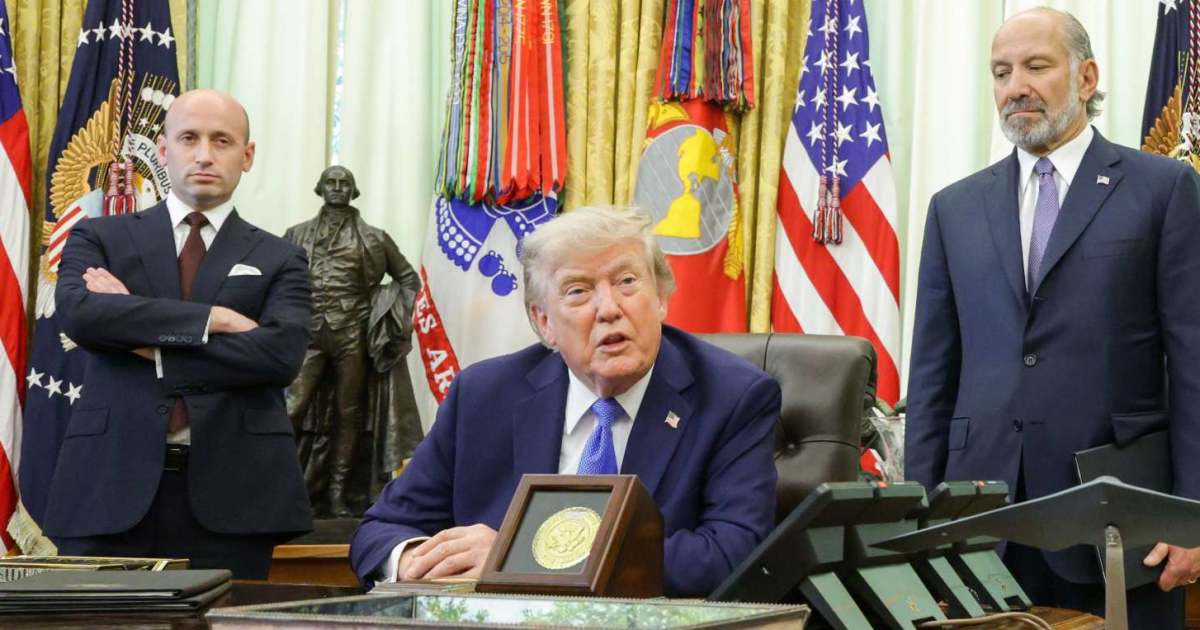
WASHINGTON, DC: President Donald Trump signed two executive orders on Thursday, August 6, targeting birth tourism and creating new exceptions to birthright citizenship after the Supreme Court rejected his broader citizenship order.
The move shifts the administration's strategy toward specific categories it argues fall outside the 14th Amendment's guarantee of citizenship, setting up another legal fight over constitutional limits of automatic citizenship.
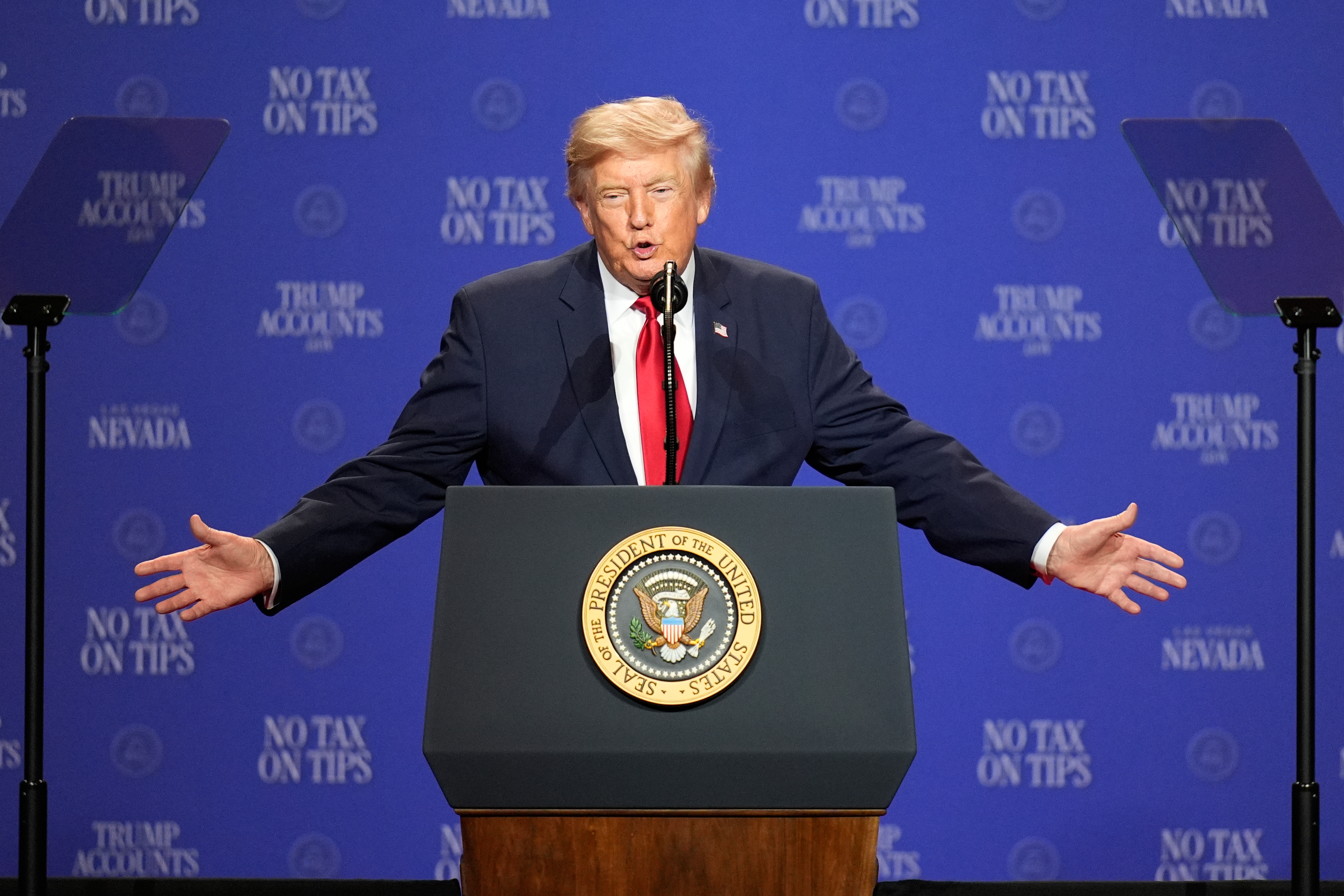
Trump narrows birthright citizenship strategy
According to Axios, Trump's new executive orders would apply only to future births tied to four specific categories rather than broadly targeting children born to noncitizens.
One order seeks to deny automatic birthright citizenship to children born to certain foreign diplomatic staff working in the United States, expanding an existing exception that already applies to ambassadors' families, the outlet reported.
It also targets children of people classified as alien enemies, including members of federally declared extremist groups.
The proposal would also apply to children born in US territories if Congress changes federal law to end automatic citizenship there.
The report notes that legislation introduced last month is not expected to pass but would most notably affect Puerto Rico.
The fourth category focuses on children born to mothers who allegedly entered the United States deceptively for the sole purpose of giving birth through commercial birth tourism centers.
The order also seeks to limit the use of surrogate mothers for that purpose.
The administration argues that this exception is justified because parents obtained entry into the country through fraudulent misrepresentation.
Officials say the government can already revoke citizenship obtained through naturalization fraud and contend that "this exception now applies to a mother if she deceptively engages in the commercial practice of birth tourism."

Birth tourism crackdown expands
A second executive order directs the secretary of state and the Department of Homeland Security secretary to develop new rules and guidance aimed at stopping birth tourism and targeting the industry both in the United States and overseas, the report said.
US law already prohibits obtaining a tourist visa "for the primary purpose of obtaining US citizenship for a child by giving birth in the United States."
Immigration officials may also deny entry to a pregnant foreign national if they determine she is entering the country to give birth.
Trump has repeatedly highlighted birth tourism while arguing for tighter limits on birthright citizenship.
In a March 30 Truth Social post, he wrote, "Birthright citizenship is not about rich people from China, and the rest of the World, who want their children, and hundreds of thousands more, FOR PAY, to ridiculously become citizens of the United States of America."
Congress has also scrutinized birth tourism
Congressional Republicans have also examined the issue. In May, the House Oversight Committee requested records from a company called "Have My Baby in Miami."
.@POTUS: "We had a very unfortunate decision in the Supreme Court concerning birthright [citizenship]... so we're making adjustments."
— Rapid Response 47 (@RapidResponse47) August 6, 2026
President Trump is signing two Executive Orders to protect the meaning and value of American citizenship after Trump v. Barbara:
— The first… pic.twitter.com/NGSNNuzM0h
"The benefits of US citizenship are a unique privilege," the committee wrote. It added that because expectant mothers seeking birth tourism "come predominantly from China and Russia," there are concerns the industry poses "potential national security and election integrity threats posed by adversarial nations that challenge US interests."
The Senate Homeland Security Committee also released a report on birth tourism in 2022. Estimates cited in the report place the number of children born through birth tourism anywhere from the low thousands to the tens of thousands.
Trump's broader birthright citizenship effort was previously rejected by the Supreme Court on June 30, but the administration argues the ruling still leaves room for these more targeted exceptions.