Fact Check: Was the Strait of Hormuz named after Ahura Mazda from Zoroastrianism as Musk claimed?
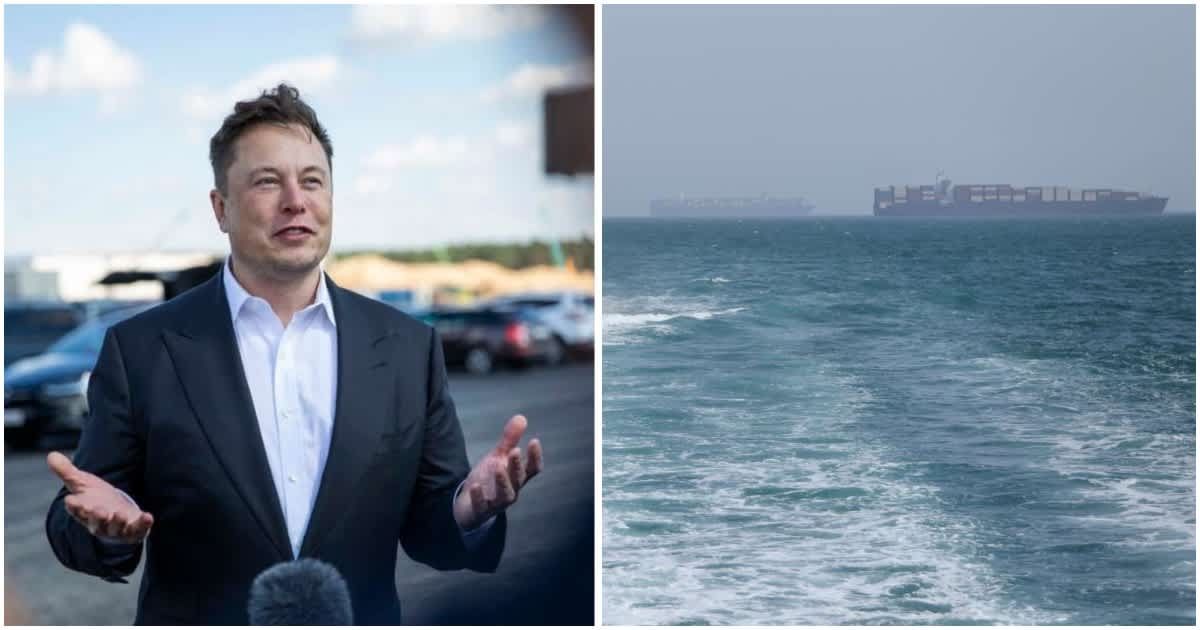
WASHINGTON, DC: Amid tensions and pressure surrounding the blockade of the vital Strait of Hormuz, a rumor began circulating on social media claiming that the strait was named after Ahura Mazda from Zoroastrianism.
The claim was made by Elon Musk, sparking speculation among online users and prompting analysis and fact-checking.
Claim: Strait of Hormuz was named after Ahura Mazda from Zoroastrianism

The Tesla CEO recently tweeted, “Straits of Hormuz are named after Ahura Mazda from Zoroastrianism.”
The tweet triggered mixed reactions from netizens, with Iranian critics of the Islamic Republic posting about their country’s Persian culture before Islam, while others dismissed it as a distortion of history.
Fact Check: Elon Musk's claim is mostly true

Elon Musk’s claim is largely accurate, as the most widely accepted view among historians is that the word Hormuz can be traced back to the Middle Persian term ‘Hormoz,’ derived from ‘Ahura Mazda,’ the supreme deity in Zoroastrianism and the central god of wisdom and light in ancient Persian belief.
This is the primary etymology listed on Wikipedia for both the strait and the historic Kingdom of Hormuz, and it is echoed across scholarly and historical sources.
However, other theories link the name to Hur-Muz, meaning ‘place of dates,’ or even to a Greek word for cove or bay. As a result, the claim is rated as mostly true.
Over the centuries, the name evolved linguistically, with ‘Hormoz’ becoming ‘Ormus’ in European records.
Tehran links Strait of Hormuz reopening to US threats
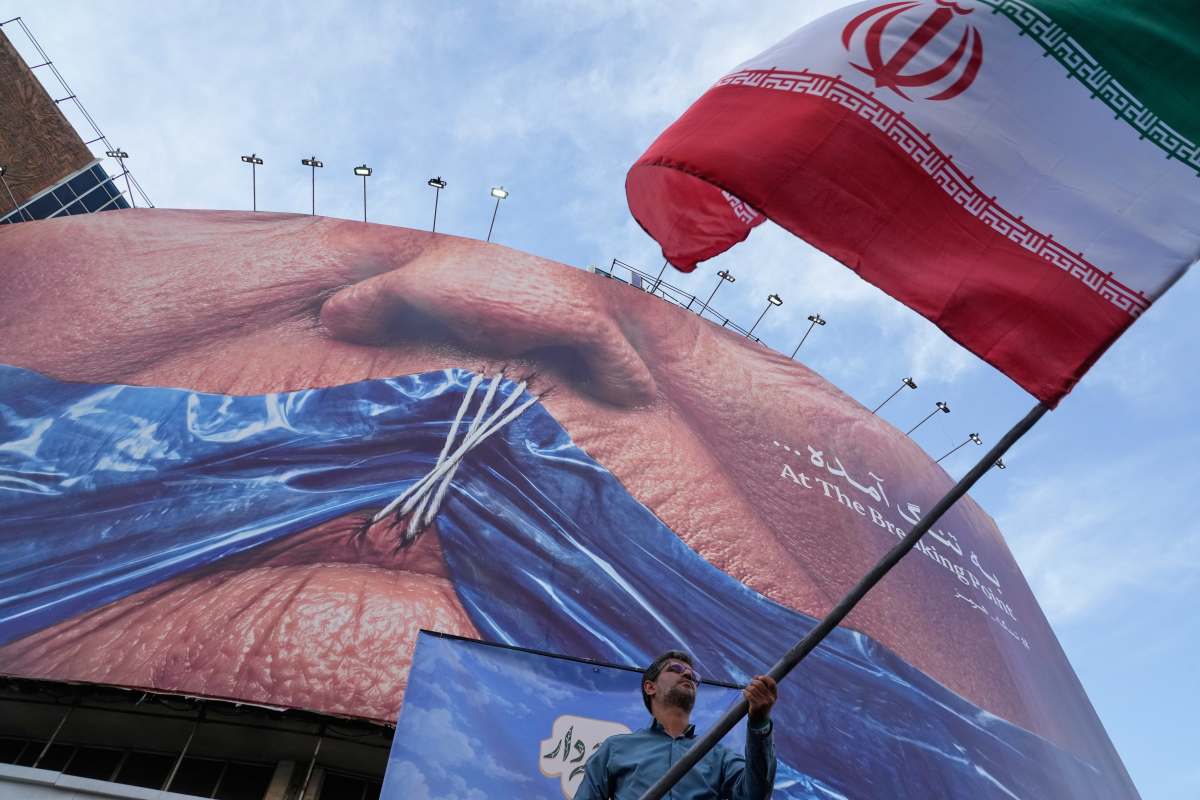
Musk’s tweet came as Majid Shakeri, who participated in recent talks in Islamabad, said Tehran is considering a proposal that would link the reopening of the strait to the removal of perceived threats from the United States and its allies.
“Under this proposal, Tehran should announce that the reopening of the Strait of Hormuz under Iranian administration will only be possible 30 days after all threats from the United States and its allies have been removed,” Shakeri told Iran's semi-official Fars News Agency.
The announcement came months after the waterway was effectively shut following the outbreak of US-Israeli military strikes against Iran on February 28.
The United States subsequently imposed a naval blockade in April, further escalating tensions around the narrow maritime passage.