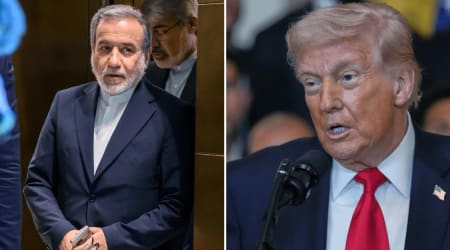
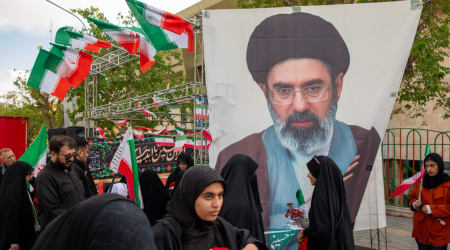
Leaked ‘Islamabad Framework’ reveals Iran’s $20B demand and Hormuz control push
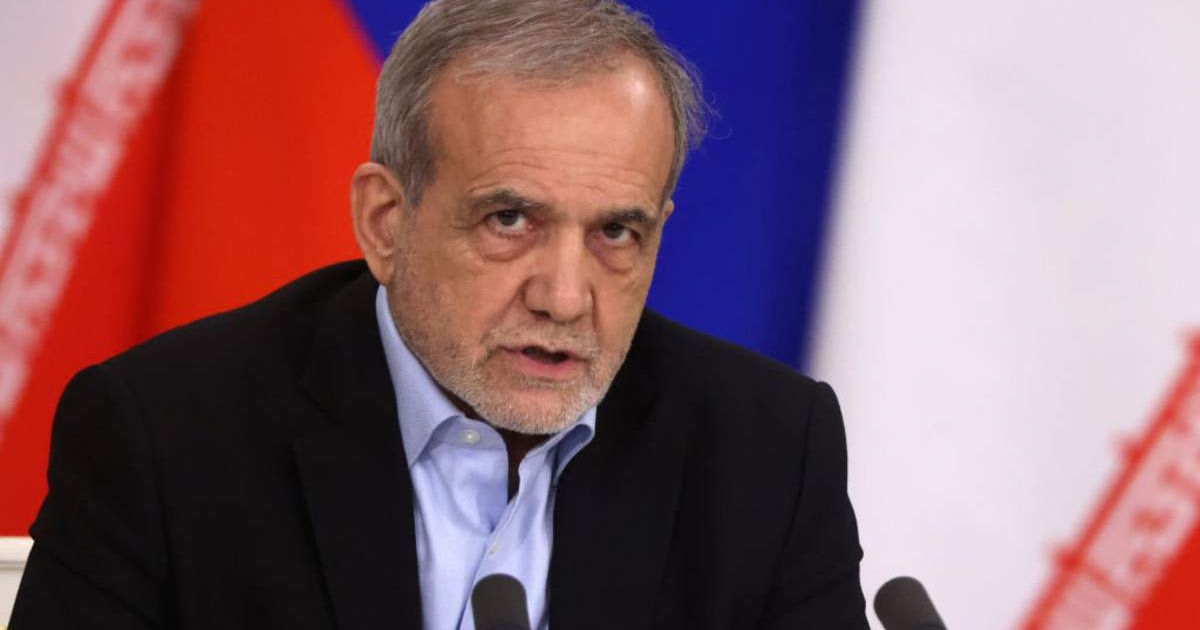
TEHRAN, IRAN: Iranian state television has published the unfinalized text of a proposed ceasefire agreement with the United States, titled the "Islamabad Framework."
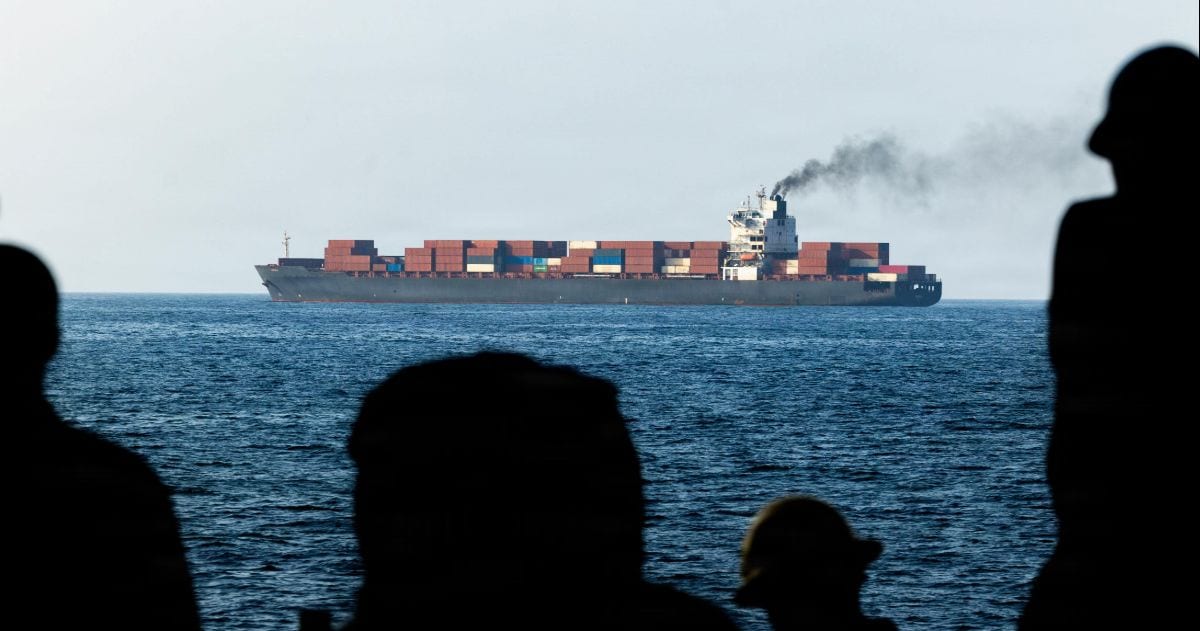
The bombshell leak reveals that Tehran is negotiating from a position of perceived strength, demanding the immediate release of $20 billion in frozen financial assets and the formal preservation of its maritime authority over the strategic Strait of Hormuz.
The IRIB state network characterized the text as an unofficial, 14-point preliminary document designed to extend the current shaky ceasefire into a permanent diplomatic track.
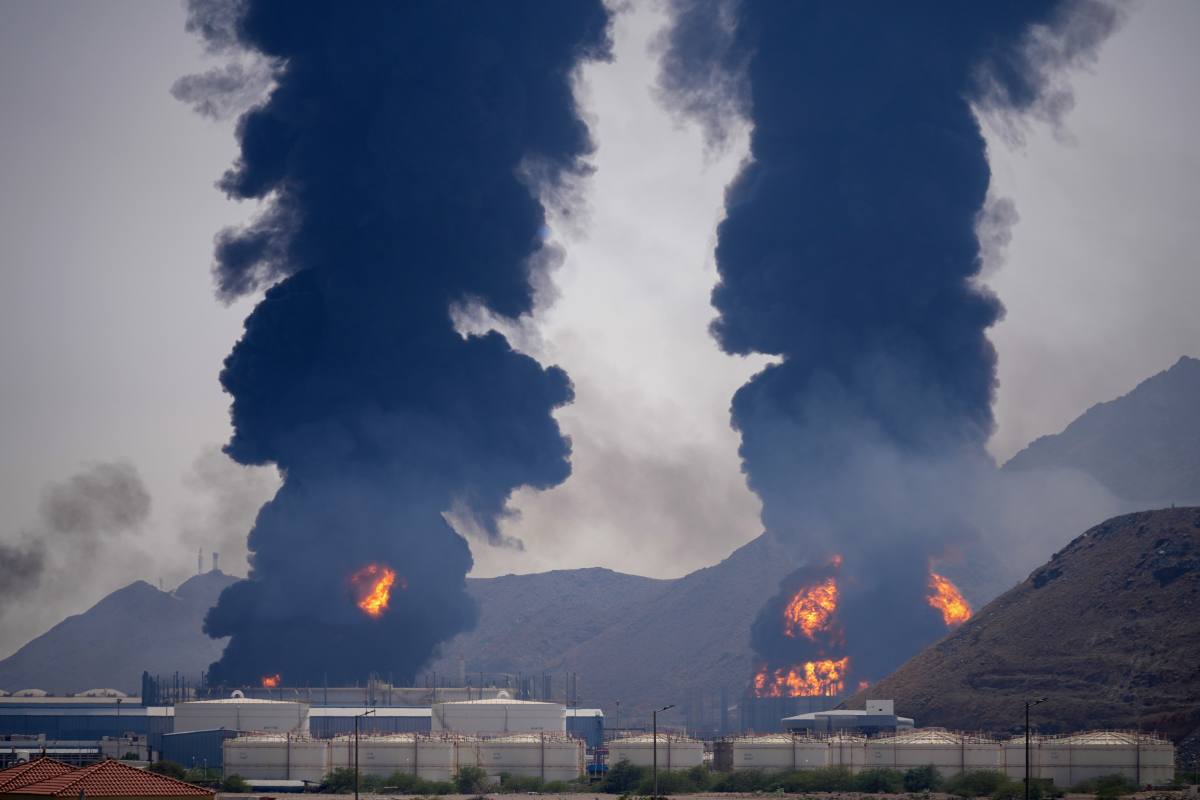
According to the broadcast, the framework requires Washington to lift its ongoing military blockade of Iranian ports and vessels.
In exchange, Tehran promises to restore commercial shipping traffic across the Persian Gulf and the Sea of Oman to pre-war baselines within a strict 30-day window.
Tehran asserts permanent maritime authority
The leaked document outlines a controversial mechanism to convert the temporary conflict into long-term Iranian leverage.
The proposal states that while restrictions would ease for international trade, foreign military vessels would remain strictly excluded from free transit.
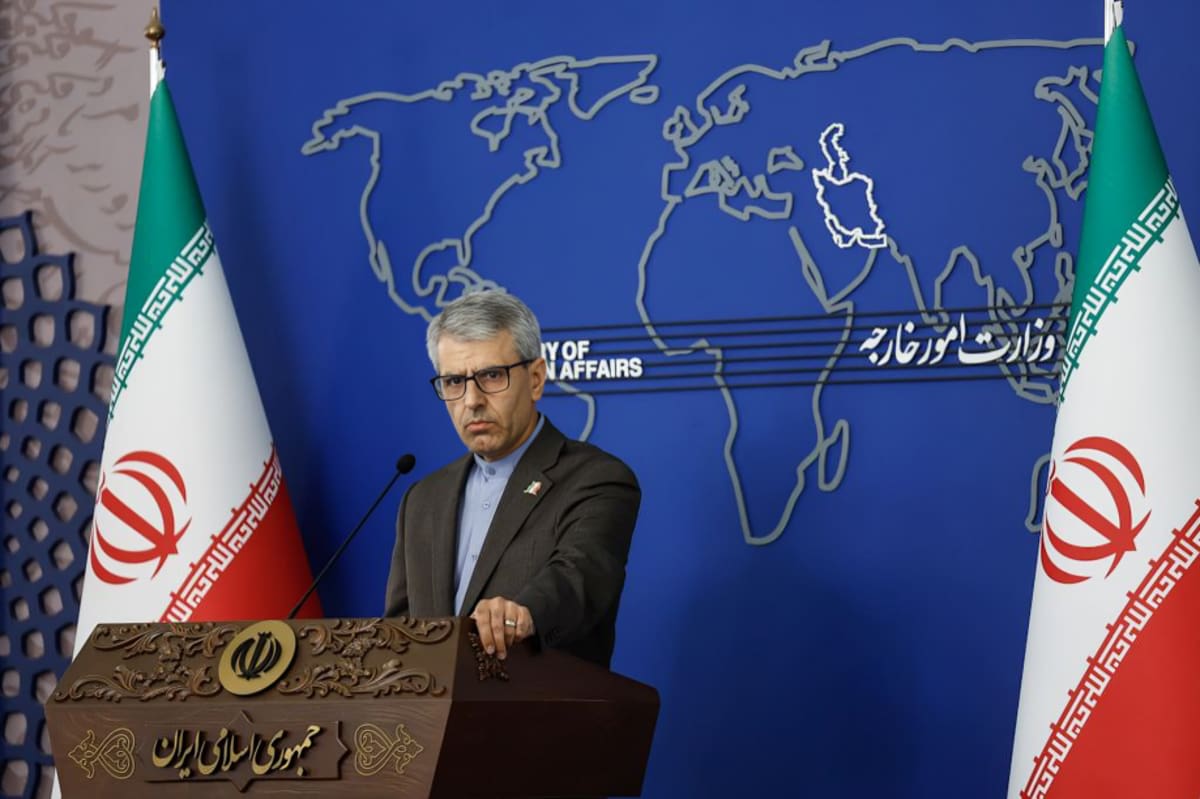
Furthermore, the draft codifies Iran’s right to conduct vessel inspections and levy mandatory service fees on commercial shipping lines operating in coordination with neighboring Oman.
Foreign Ministry spokesperson Esmail Baqaei defended the clause, stating that a defined regulatory mechanism must be established over the waterway.
The IRGC Navy reinforced this posturing on Wednesday by announcing it had independently cleared 23 commercial vessels to transit the corridor under new domestic safety rules.
Leaked terms challenge American principles
The aggressive terms clash directly with major non-negotiable red lines established by the White House regarding Iran's nuclear material and regional security.
Beyond the $20 billion financial demand, the text includes a sweeping obligation requiring the United States to withdraw its military forces from the Middle East.
While the draft notes that the exact scope of this troop withdrawal remains subject to intense negotiation, the inclusion of such hardline anti-base language has triggered fierce pushback in Washington.
Vice President JD Vance stated the administration remains hopeful an agreement can be reached, but emphasized that the United States is strictly focused on securing a durable pact that Iran cannot violate in the future.
Washington rejects unlawful shipping restrictions
The unfinalized framework highlights a profound strategic impasse as the war nears its three-month mark.
Before the outbreak of joint US-Israeli military operations, the Strait of Hormuz functioned as a free, open global corridor transporting nearly a fifth of the world's oil supply.
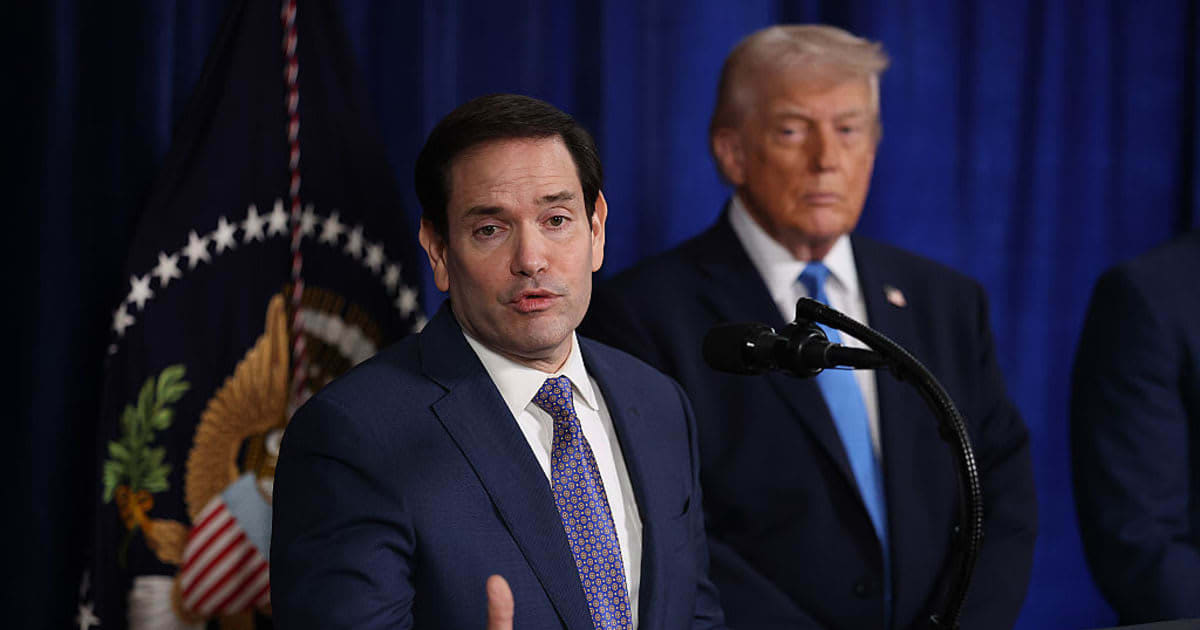
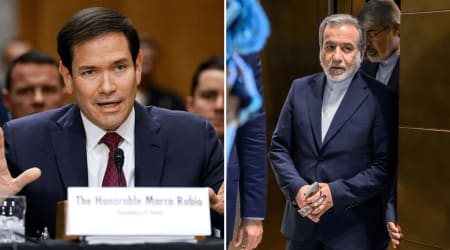
Secretary of State Marco Rubio flatly rejected Tehran's new regulatory claims, branding the imposition of shipping permits and hidden tolls as completely unlawful.
Rubio warned that the current disruption is entirely unsustainable for global markets and unacceptable to the administration, vowing that the critical strait will be reopened one way or the other as direct talks proceed.