Could Trump’s US-South Korea drill cuts make North Korea more dangerous?
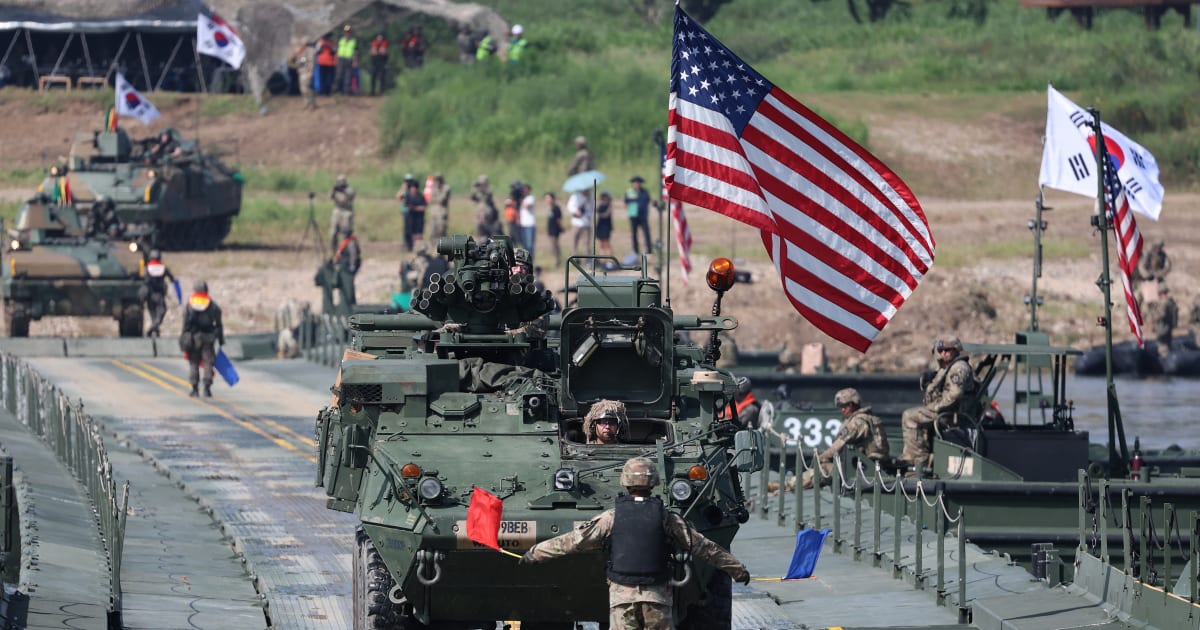
WASHINGTON, DC: President Donald Trump ordered Defense Secretary Pete Hegseth on Sunday to sharply cut back US involvement in the Ulchi Freedom Shield military exercises with South Korea. He made this call just hours before 18,000 South Korean troops were set to start the 11-day exercise. Trump pointed to the cost, his “very good relationship” with North Korean leader Kim Jong-un, and his annoyance that Seoul refused to back US operations against Iran.
Still, South Korea's defense ministry said the exercises would go on as planned. The Pentagon has not said which troops or activities will be scaled back, so the full extent of the reduction remains unclear as the drills kick off Monday.
Based on my very good relationship with Kim Jong Un, of North Korea, I am not happy with the fact that the United States has, long ago, agreed to participate in Joint Military Exercises with South Korea. These exercises are not only costly, with much of these costs paid for by… pic.twitter.com/IcVjiJyDX9
— Commentary Donald J. Trump Truth Social Posts On X (@TrumpTruthOnX) August 16, 2026
What are the US-South Korea military drills?
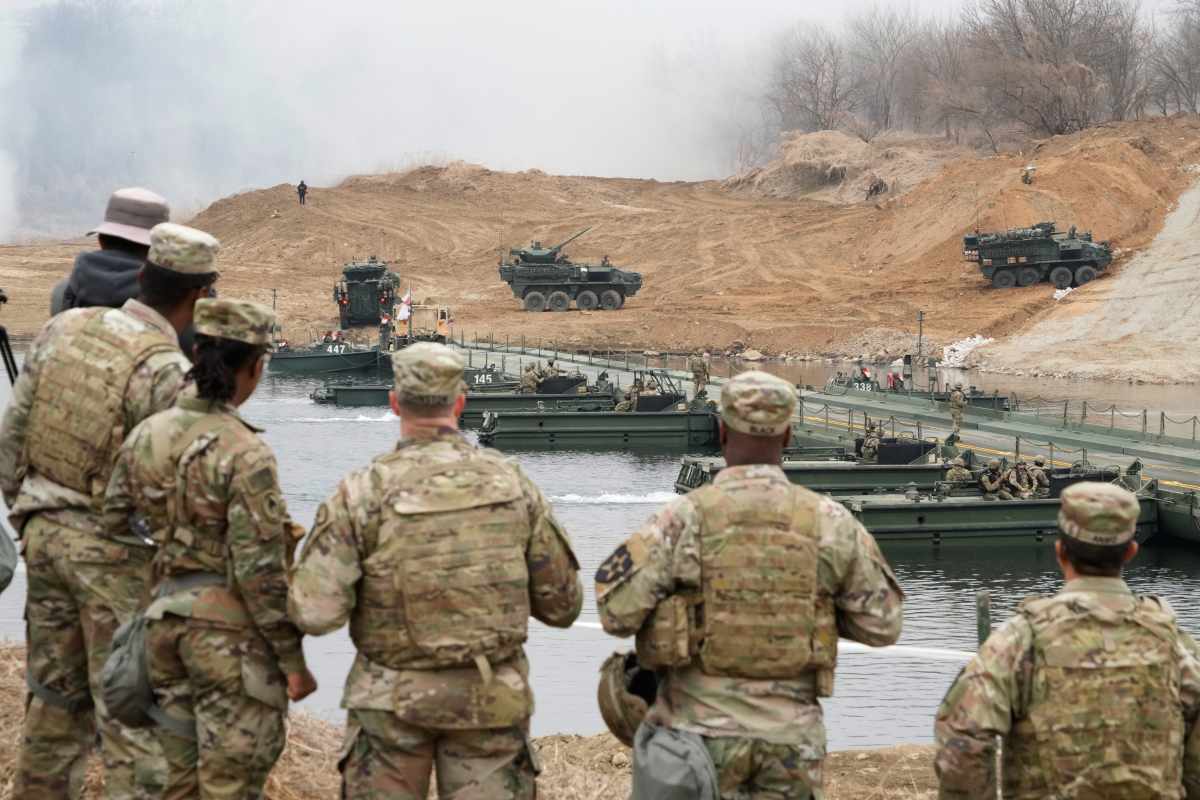
Ulchi Freedom Shield stands as one of the key yearly drills where US and South Korean forces see if they can act together as a unified military during a crisis.
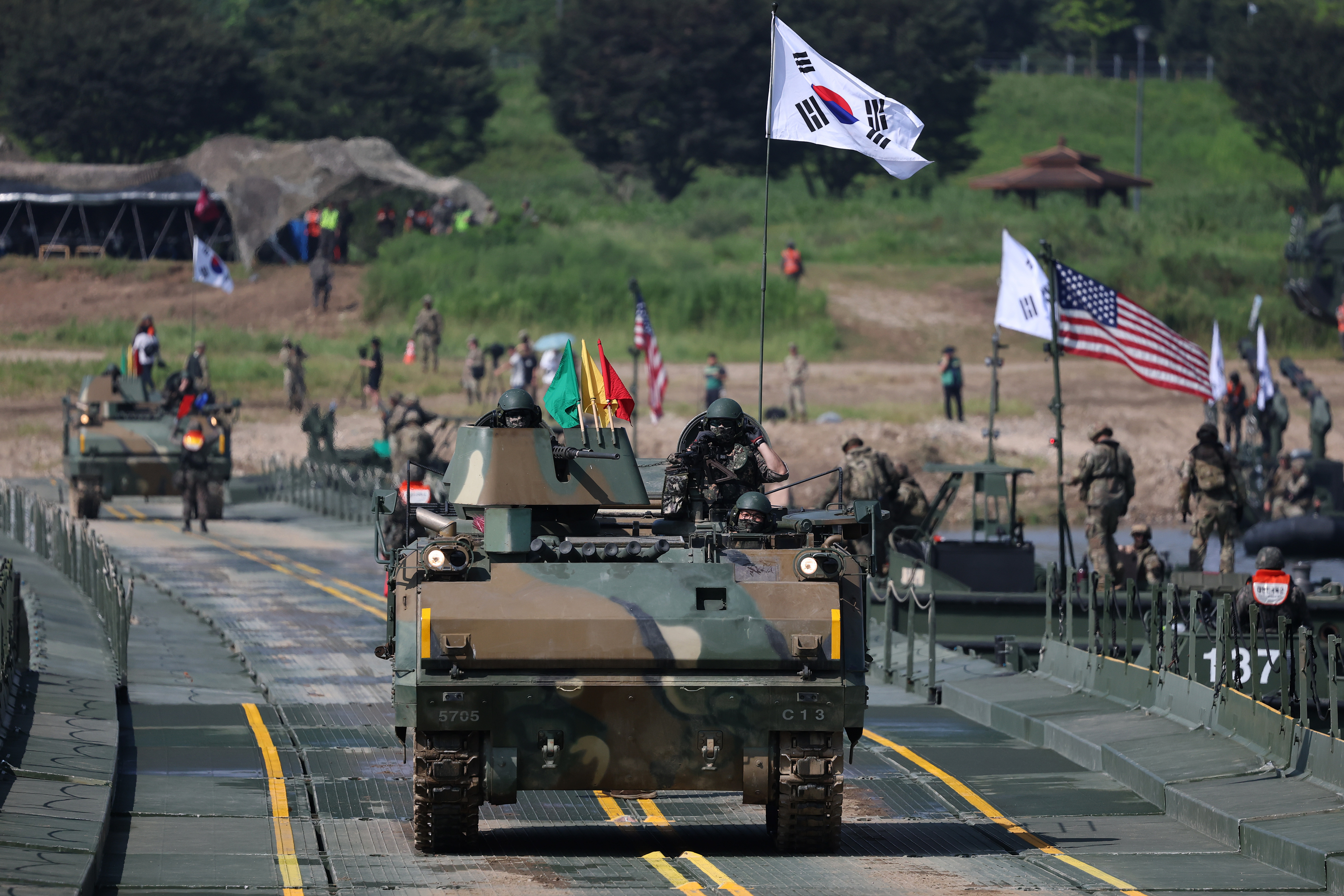
For 2026, about 18,000 South Korean troops join with US forces and troops from 11 other United Nations Command nations. The exercises blend computer simulations with live field training, but this year's focus is sharper, scrutinizing what North Korea has learned and applied from its backing of Russia in Ukraine.
That means tackling things like drone swarms, GPS jamming, and cyberattacks head-on. There's another side to all this as well. The drills help sharpen South Korea's civilian emergency systems. The "Ulchi" in the exercise name actually nods back to civil defense plans that started in the 1960s.
Why Trump thinks reducing the drills could help
Trump's main focus is on the diplomatic optics.
He claims that big military exercises look hostile to North Korea, a country he now calls non-threatening.
By scaling those drills down, he believes he can reopen talks with Kim.
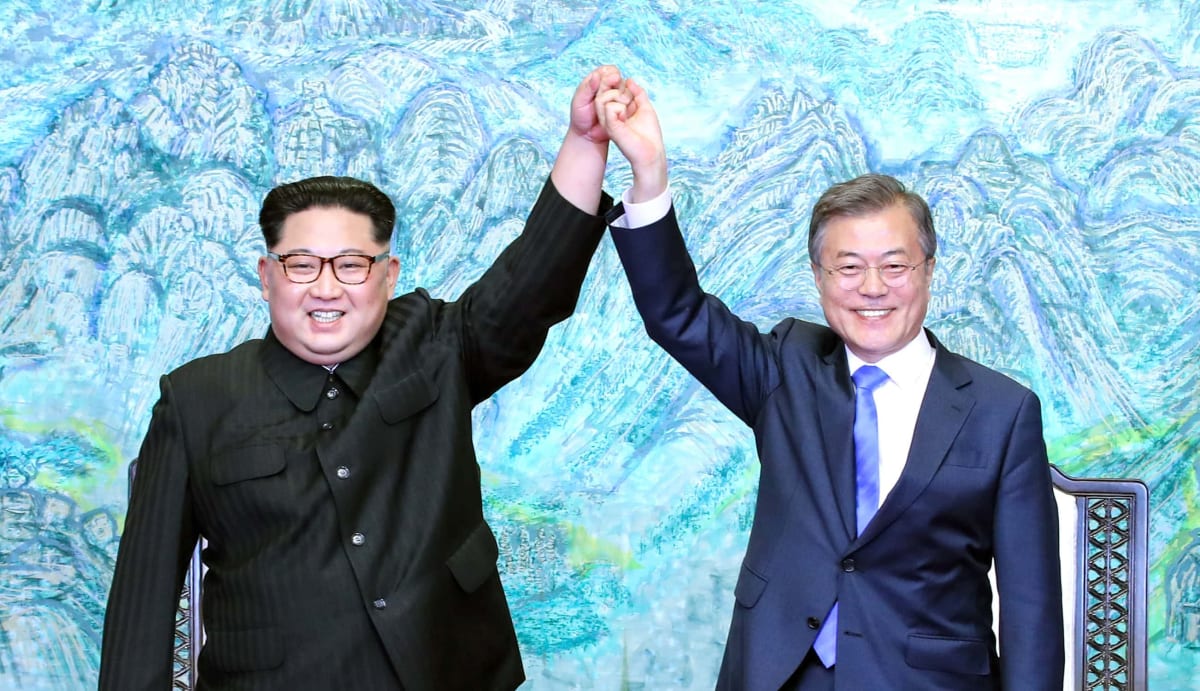
After meeting Kim in Singapore in 2018, Trump made the same move: he paused the joint exercises, labeling them "provocative" and "very expensive."

The exercises came back in a smaller way just a few months later. Meanwhile, negotiations with North Korea fell apart during the 2019 Hanoi summit, with no agreement reached. Through all this, Pyongyang kept moving ahead with its nuclear and missile programs, undeterred by any diplomatic outreach.
The strategy actually makes sense. North Korea has been asking the US to dial back joint military exercises for years.
If Washington reduces these drills, it gives Kim something he wants without giving up anything big, like lifting sanctions or officially accepting North Korea as a nuclear power.
North Korea is not the same military it was
Since Trump's first term, North Korea's military has changed in a real and significant way. The country now works closely with Russia; over 14,000 North Korean troops have fought alongside Russian forces, and North Korea supplies them with artillery shells and ballistic missiles.
US officials see North Korean soldiers bringing back fresh battlefield experience from Ukraine, sharpening the DPRK's military skills.
Col. Ryan Donald, public affairs director for the US-led commands in South Korea, said at a joint briefing last week that this year's exercise scenarios reflect "drones, GPS disruption, and cyberattacks," threats he linked directly to North Korean soldiers who have deployed and fought in Ukraine.
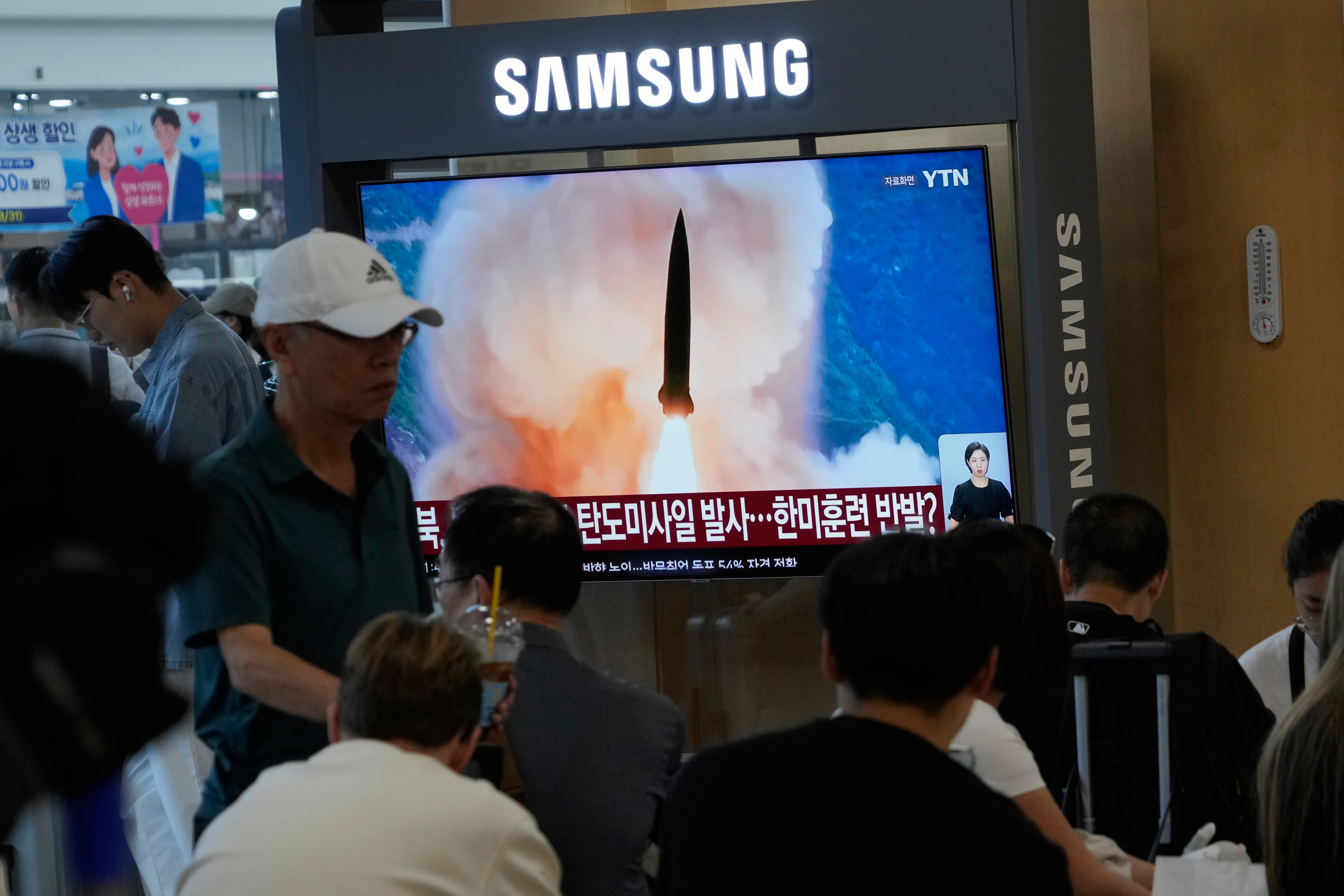
"They've taken those lessons they learned there and brought them back to North Korea," Donald said. "That changes the DPRK capability."
That context makes Trump's call to reduce joint military drills with South Korea hard to ignore. This year's exercises focused on handling the threats North Korea now trains for: drones, GPS jamming, cyberattacks, and missile strikes. Cutting back on these drills means US and South Korean forces get less practice dealing with the very tactics North Korea has been refining in actual combat.
What history tells us about reduced deterrence
History tends to warn us.
In 1968, declassified US intelligence made it clear: North Korea saw America's commitment in Vietnam as a distraction, something that reduced Washington's ability and desire to back South Korea.
So Pyongyang ramped up its DMZ infiltrations, stepped up sabotage, and launched bold attacks.

Now, circumstances aren't quite the same. South Korea's military is far stronger, its air defenses are advanced, and the US maintains a steady, permanent force on the peninsula. Still, North Korea's core strategic thinking remains unchanged. When it sees a window of opportunity, it tries to pry it open.
What North Korea could gain from reduced US drills
Retired Air Force Colonel Cedric Leighton, who served 26 years in the US Air Force, called Trump's decision "an unforced error" that hands North Korea a strategic advantage. "It's going to damage the relationship we have with the South Koreans, and that's not a good thing," Leighton said.
North Korea's actions pretty much contradict Trump's claim that Pyongyang poses no threat. In August alone, the regime launched ballistic missiles twice from Wonsan.
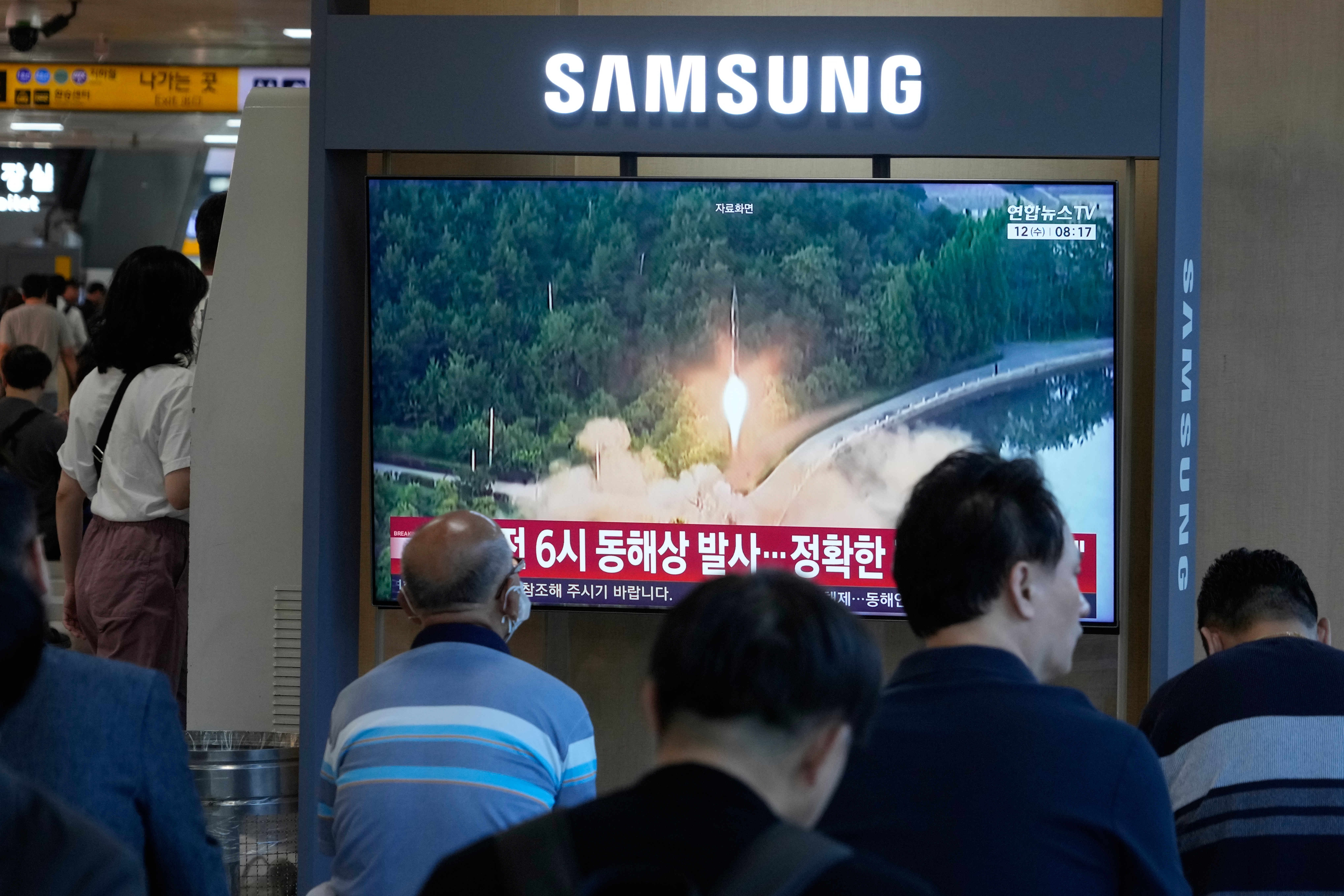
Right before the military exercises kicked off, North Korean soldiers even crossed the Military Demarcation Line on the eastern side of the DMZ, forcing South Korean troops to fire warning shots.
Meanwhile, North Korea's Foreign Ministry labeled the Ulchi Freedom Shield exercise as nothing more than “a rehearsal for an aggressive war,” and threatened to match any escalation with even greater deterrence.
Right now, North Korea's leaders are probably weighing what a scaled-back US-South Korea military exercise really means. Are the Americans trying to open the door to real talks, or are they just showing that their commitment hinges on personalities instead of actual strategy?