Iran fires back after Trump vows to claim Strait of Hormuz as US territory
WASHINGTON, DC: President Donald Trump says he intends to declare the Strait of Hormuz US territory after the war with Iran, but Tehran has already pushed back against the proposal.
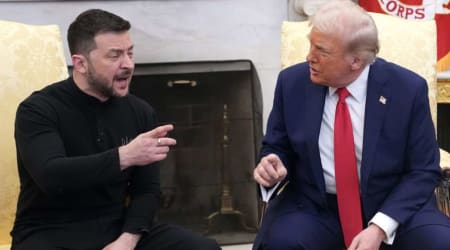
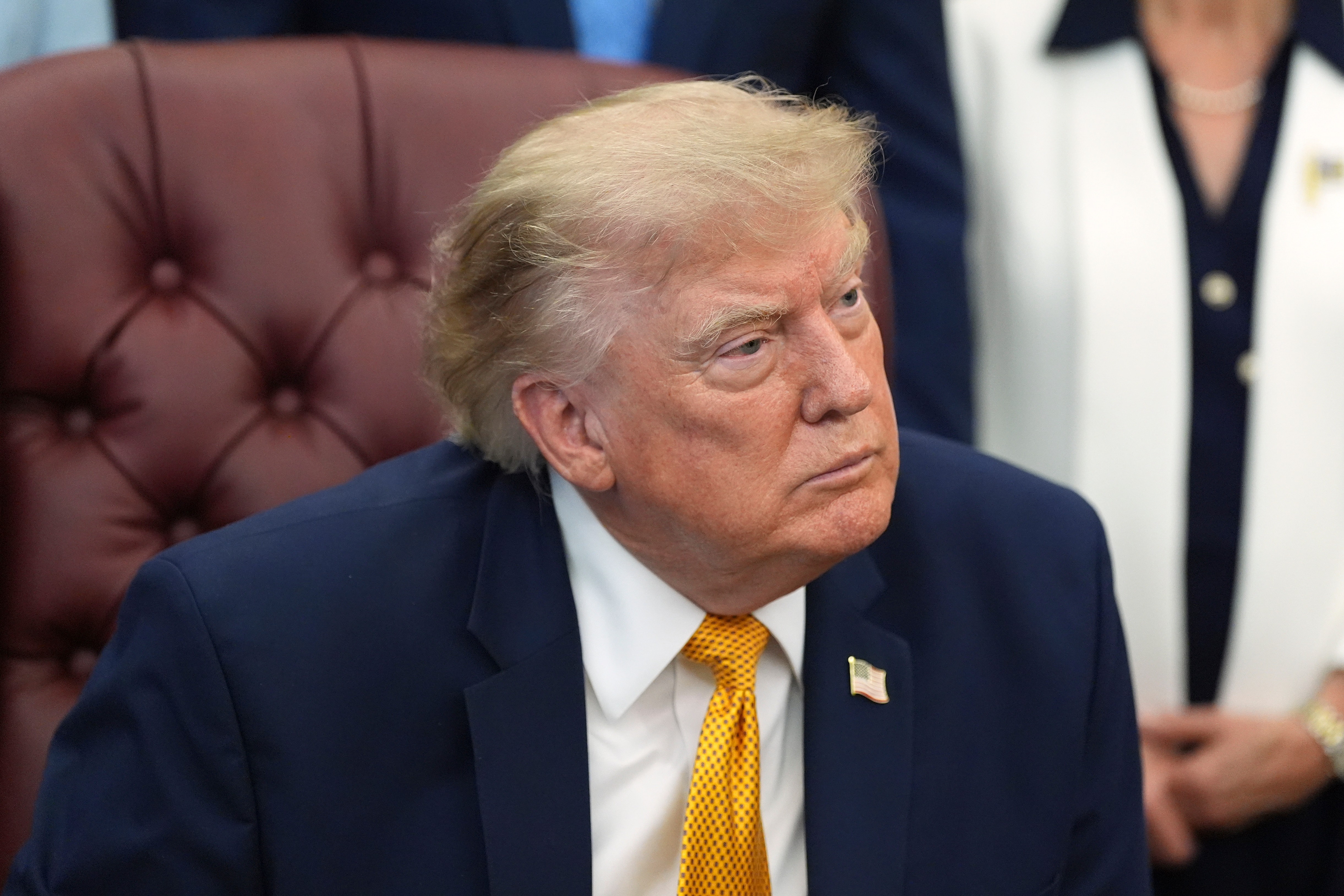
Speaking Friday, August 14, at a police academy in New York state, Trump said he would make the move after the US finishes defeating Iran, which he described as being “very badly defeated.” “After we finish defeating Iran, which is being very badly defeated, pretty soon I'll be declaring the Hormuz Strait a territory of the United States,” Trump said.
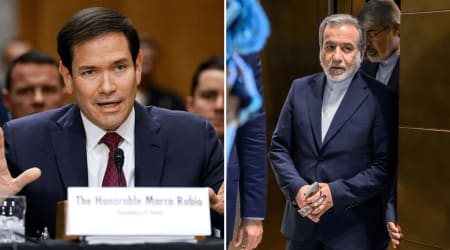
Iran's Deputy Foreign Minister Kazem Gharibabadi quickly rejected the idea, saying Tehran was not intimidated by US threats or military power.
Joke of the Day, Trump Says Soon The Strait of Hormuz will be declared a U.S. Territory
— Ryan Rozbiani (@RyanRozbiani) August 14, 2026
Good luck with that. Iran will BLOW UP EVERYTHING on the Hormuz before giving it up. This is more important than NUKES for Iran now. pic.twitter.com/SFCmxbgvo9
Kazem Gharibabadi rejects Donald Trump's Strait of Hormuz claim
Gharibabadi responded to Trump's remarks in a post on X, arguing that the strategic waterway could not simply be claimed by the United States.
“The Strait of Hormuz cannot be seized by tweet, nor by aircraft carrier, nor by issuing an order, nor by an election speech,” he wrote.
Iran RESPONDS to Trump's Hilarious Claim of Taking the Hormuz for the U.S.
— Ryan Rozbiani (@RyanRozbiani) August 14, 2026
Iranian Deputy FM Kazem Gharibabadi:
"The Strait of Hormuz cannot be seized by tweet, nor by aircraft carrier, nor by an election speech.
The Strait has been Iranian, is Iranian, and will remain… https://t.co/wt3olPQETn pic.twitter.com/AONBi2BenP
He went on to say that the United States must accept what Iran described as a strategic and severe defeat.
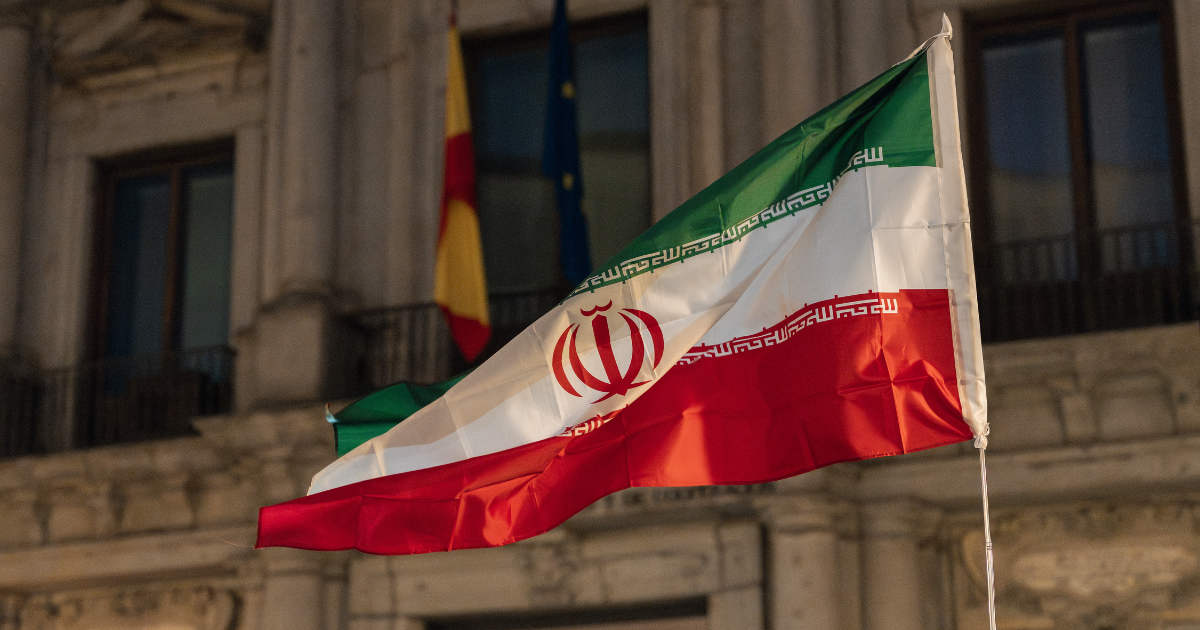
“The Strait of Hormuz has been Iranian, is Iranian, and will remain Iranian,” Gharibabadi said.
He also said the waterway would only be closed and reopened on Iran's orders. According to Gharibabadi, Iran would continue enforcing the blockade as long as the US did not accept its defeat.
Strait of Hormuz becomes key US-Iran flashpoint
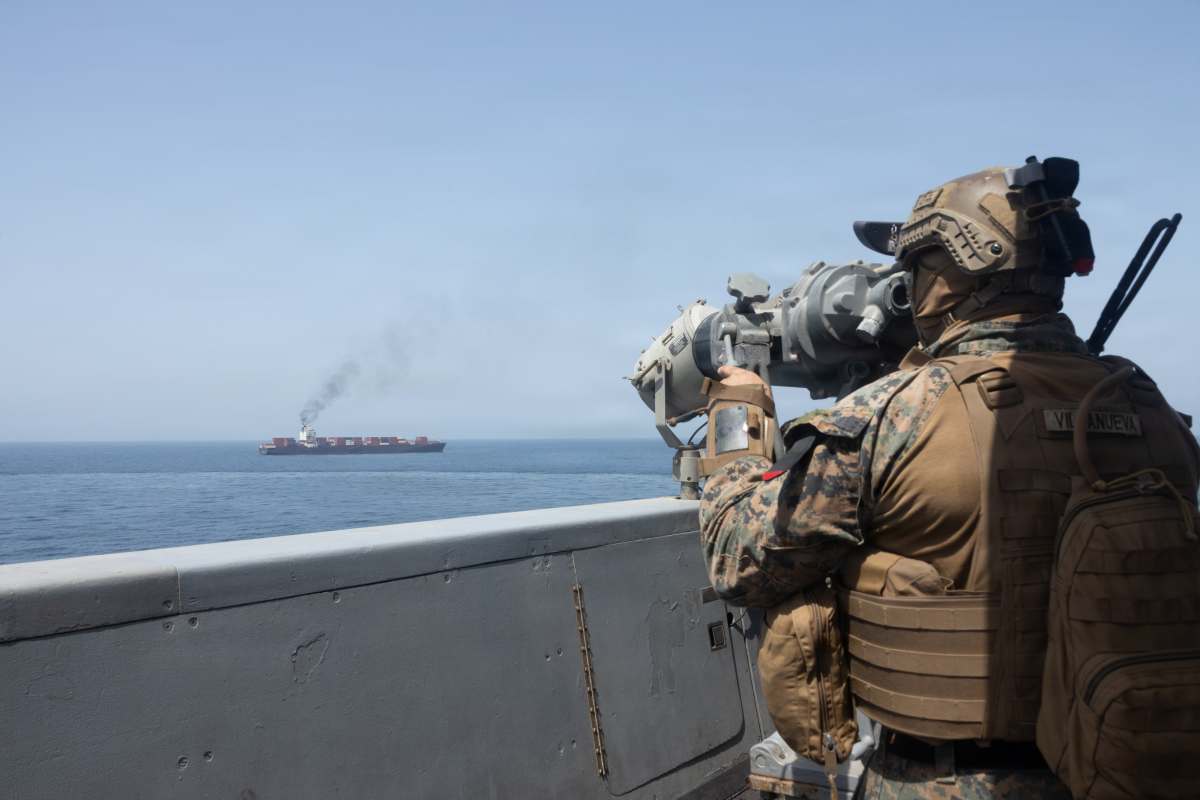
The dispute over the waterway has become a major part of the wider confrontation between Washington and Tehran, alongside the issue of Iran's nuclear program.
Iran has demanded that the US end its threats against the country, lift the naval blockade of Iranian ports and withdraw US forces from the region.
Tehran is also seeking full compensation for damage caused by the war.
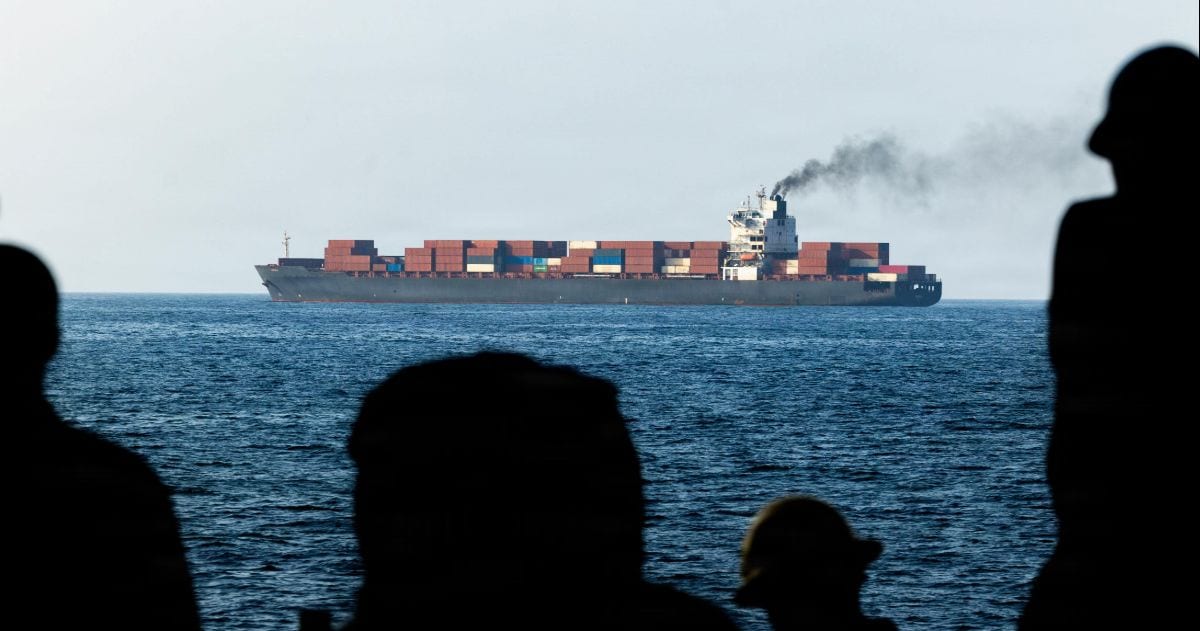
Before the war began in late February, shipping through the Strait of Hormuz had been largely uninterrupted.
The narrow waterway is a major route for global energy shipments, with about one-fifth of the world's oil consumption passing through it.
It is also an important route for liquefied natural gas and fertilizer shipments.
Oil prices have surged since the war began, adding to concerns about the impact of a prolonged disruption.
Donald Trump faces domestic pressure over fuel prices
The standoff could extend beyond the battlefield and into US politics if disruption to the waterway continues.
Republicans are facing midterm elections in about three months, and higher fuel prices could become a political liability for the party.