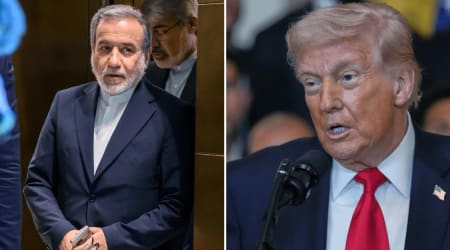
Tehran executes alleged Israeli spy and warns Washington over American airstrikes
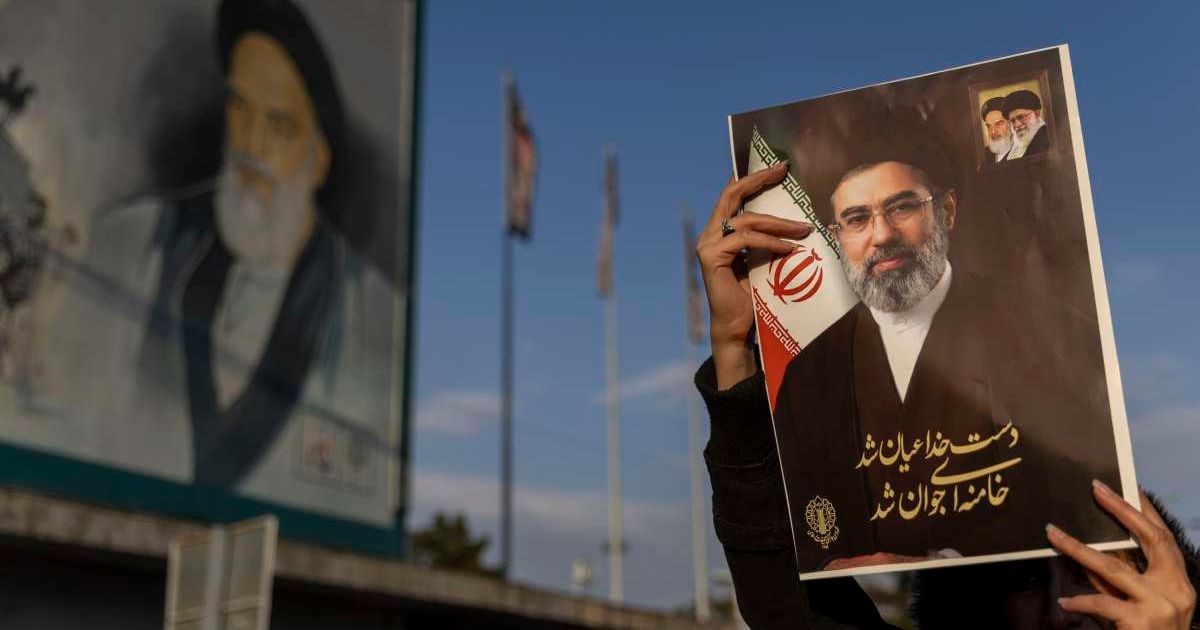
TEHRAN, IRAN: Iranian authorities executed a man convicted of espionage for Israel’s Mossad intelligence agency on Tuesday, May 26, hours after Tehran officially threatened to leave no act of aggression unanswered following recent American airstrikes.
The swift judicial execution, coupled with direct military threats against the United States, has dramatically escalated regional tensions and complicated fragile backdoor ceasefire negotiations aimed at freezing the three-month-old war.
Iran's state-run Mizan News Agency confirmed the hanging of Gholamreza Khani Shakarab after his sentence was upheld by the Supreme Court. Intelligence officials claimed Shakarab was an operational asset who sought to recruit domestic operatives inside the country to conduct anti-security operations.

By linking the high-profile execution of an alleged Israeli agent with broader warnings to Washington, the clerical regime signaled it remains willing to deploy hardline security measures to project structural strength.
Central Command conducts defensive air operations
The domestic execution follows a wave of targeted US Central Command (CENTCOM) air operations in southern Iran. Navy Captain Tim Hawkins, a CENTCOM spokesperson, confirmed that American forces conducted self-defense strikes to protect forward-deployed troops from imminent threats.
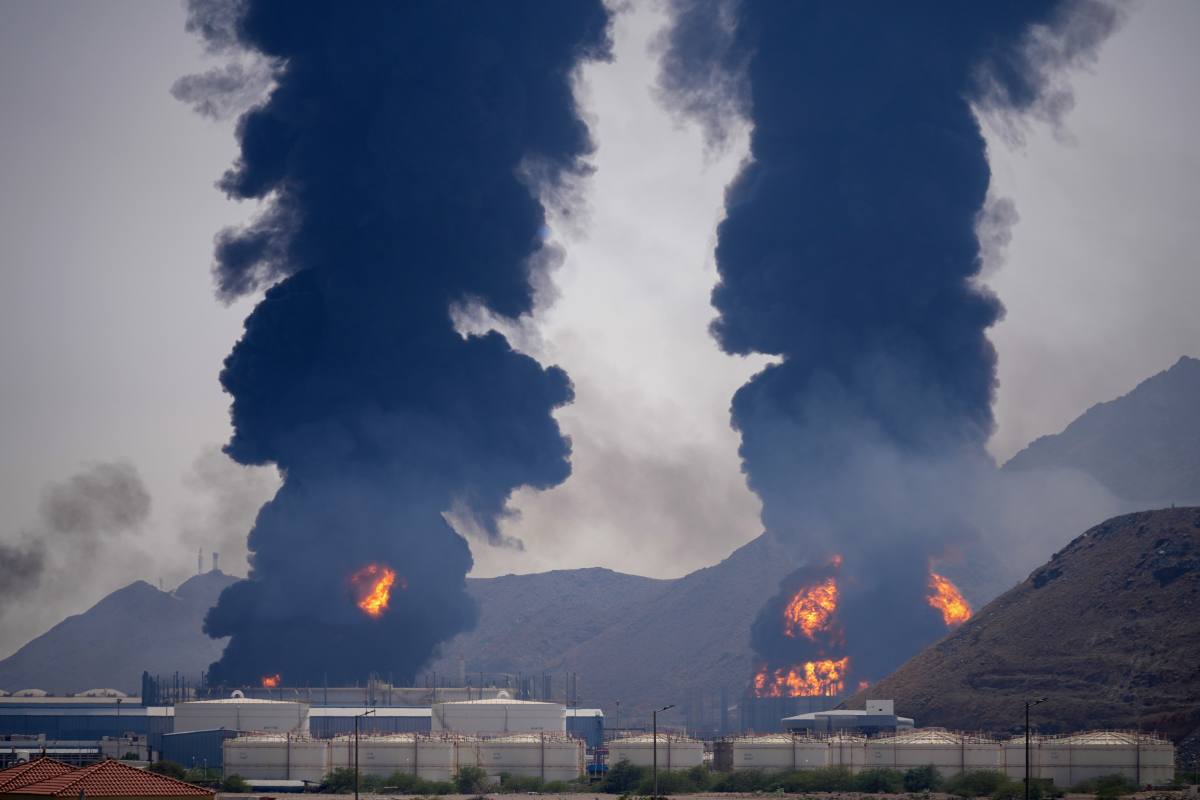
Hawkins stated that the operations successfully targeted active missile launch sites and Iranian boats attempting to emplace naval mines across trade lanes.
The military spokesperson emphasized that while CENTCOM took immediate defensive action to neutralize tactical positions, command units continue to exercise operational restraint during the nominal ceasefire window.
Foreign ministry brands strikes a ceasefire violation
Iran’s foreign ministry responded by denouncing the American strikes as a blatant violation of the active truce layout, branding the defense operation a clear sign of bad faith and unreliability.
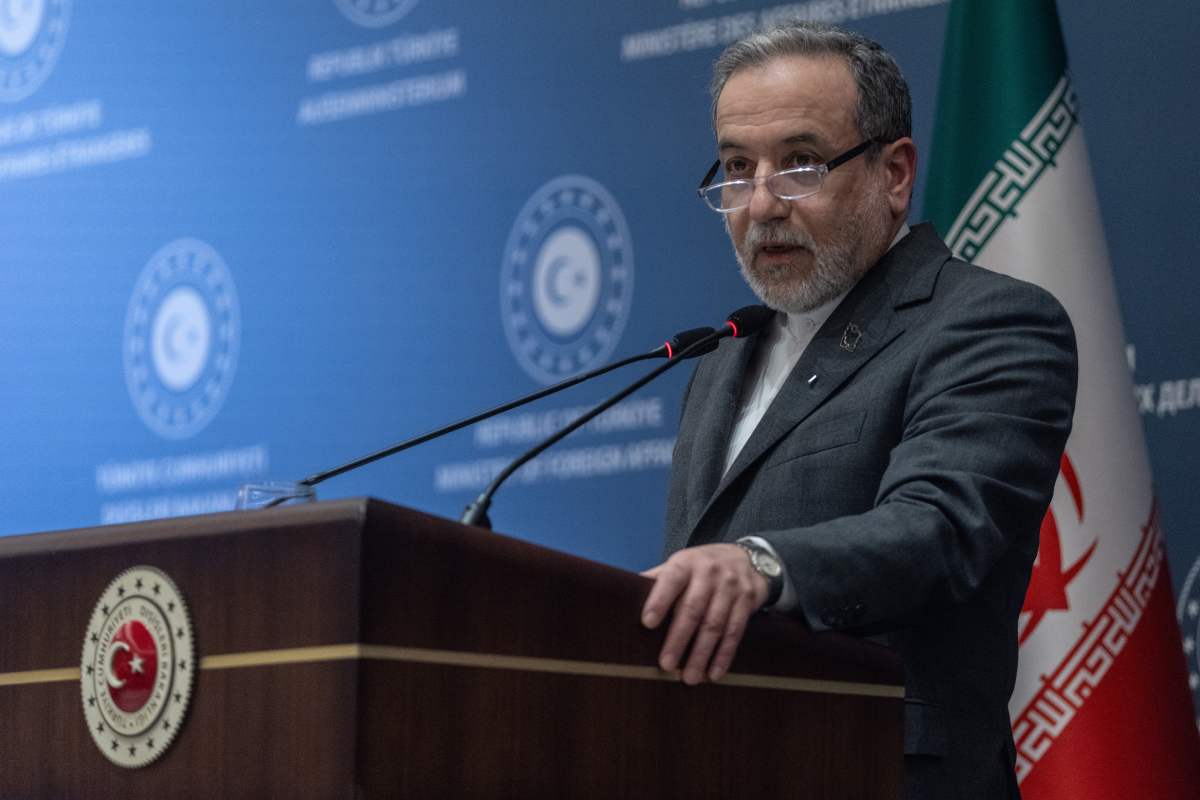
Government officials warned that Washington would bear full responsibility for all consequences stemming from the incident.
The sharp escalation directly threatens ongoing diplomatic talks mediated by regional partners in Qatar.
Observers warn that the combined weight of espionage executions and public threats of retaliation could completely collapse the fragile peace memorandum, renewing wide-scale hostilities.