'A generation to rebuild': CENTCOM chief's Senate testimony on what the US did to Iran
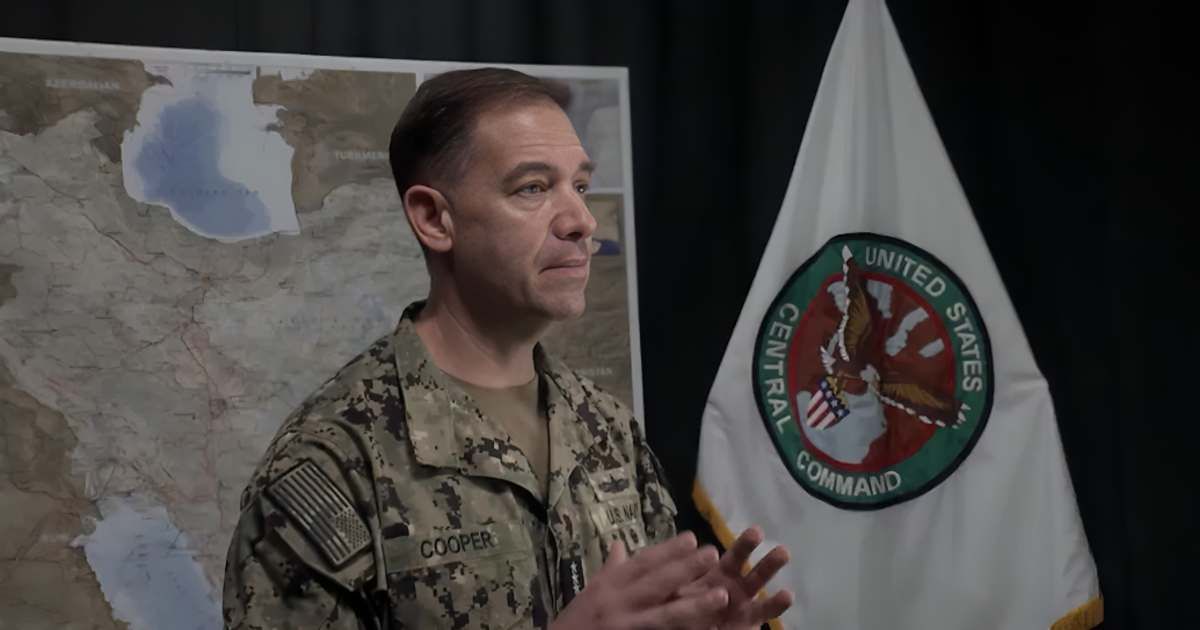
WASHINGTON, DC: The head of US Central Command Admiral Brad Cooper, told senators on Thursday, May 14, that the American bombing campaign against Iran significantly weakened Tehran’s military capabilities, including its drone, missile and naval infrastructure.
Cooper said Operation Epic Fury achieved all of its major objectives and sharply reduced Iran’s ability to threaten shipping through the Strait of Hormuz.
Testifying before the Senate Armed Services Committee, Cooper said US forces destroyed most of Iran’s naval mine inventory and heavily damaged weapons production facilities during more than 1,450 strikes.
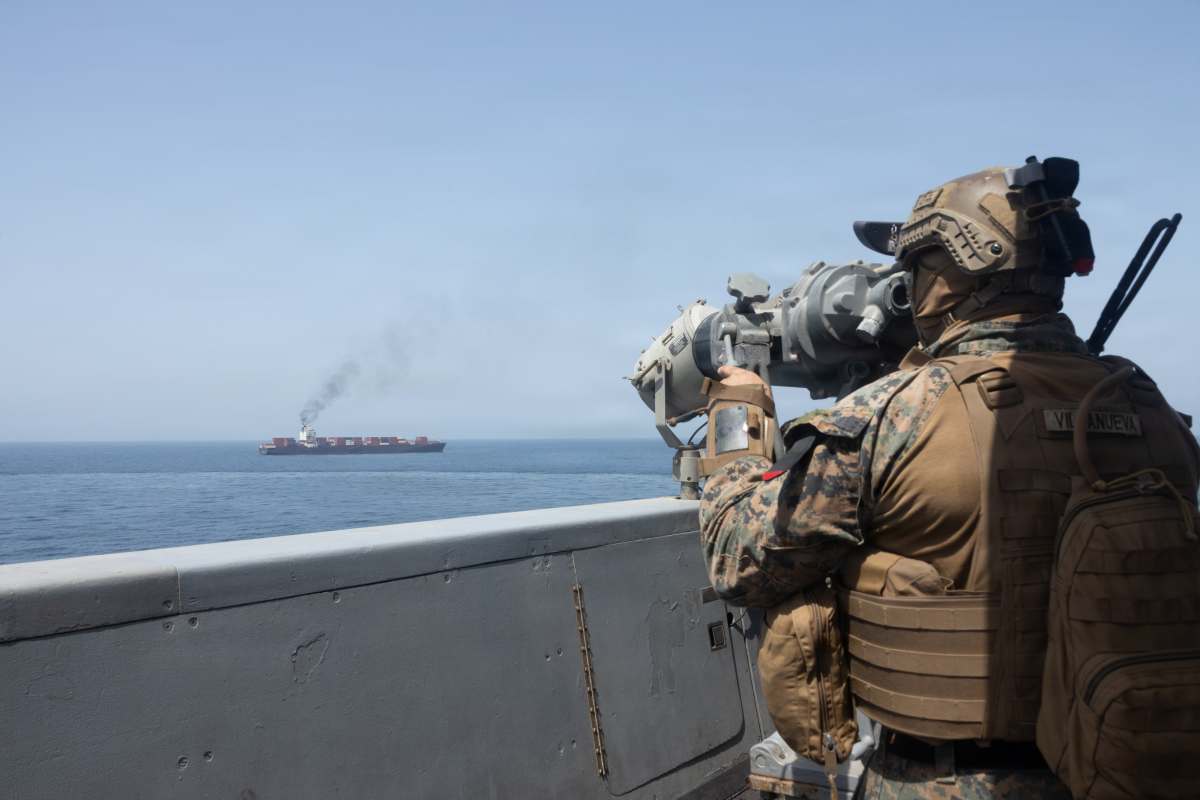
US says Iran's military infrastructure severely weakened
Cooper told lawmakers that US strikes damaged or destroyed more than 85% of Iran’s ballistic missile, drone and naval industrial base during the campaign.
He said the military also eliminated more than 90% of Iran’s stockpile of 8,000 naval mines, preventing Tehran from deploying them in the Strait of Hormuz, a critical global energy shipping route.
“The Iranian ability to stop commerce has been dramatically degraded through the Strait, but their voice is very loud, and those threats are clearly heard by the merchant industry and the insurance industry,” Cooper said.
🚨🇺🇸 CENTCOM Commander Adm. Brad Cooper says the U.S. has officially “flipped the cost curve” in drone warfare against Iran.
— WAR (@warsurv) May 14, 2026
“The days of using high value defenses to shoot down cheap targets are behind us.” pic.twitter.com/s1ctpITbKD
The CENTCOM commander added that Iran’s navy could take “a generation” to rebuild and said the country’s drone and missile production systems may require years to recover.
Cooper also revealed that US forces are no longer using high-end munitions against Iranian drones because the threat environment has changed substantially since the start of the conflict.
While dismissing reports that Iran still retains around 70% of its ballistic missile inventory, Cooper declined to provide updated classified figures during the public hearing.
.@CENTCOM Commander Adm. Brad Cooper: "[Iran's] capability has been significantly degraded. If I just use my own professional experience, in 100 transits through the Strait of Hormuz, you would typically see 20-40 fast-boats; lately, we've seen two or three." @centcomcdr pic.twitter.com/8pWaMFpKQ9
— Rapid Response 47 (@RapidResponse47) May 14, 2026
Asked by Democratic Senator Elissa Slotkin whether Iran still poses a threat in the region, Cooper acknowledged Tehran maintains “a very moderate if not small capability to continue strikes.”
He also confirmed the US military has the capability to reopen the Strait of Hormuz by force if directed.
Senators question war authority and civilian casualties
The hearing also highlighted bipartisan concerns over the administration’s handling of the conflict and its legal justification for military action.
Democratic Senator Tim Kaine criticized the administration for refusing to provide lawmakers with the Justice Department legal opinion used to justify the strikes.
“We're being asked to fund a $1.5 trillion budget, but our request of the DOJ to see the OLC opinion justifying this war, they have refused to allow members of the Armed Services Committee to see it,” Kaine said.
Kaine: "The administration is refusing to allow members of this committee to see the OLC opinion stating the legal case for war. We've always that ability. We're being asked to fund a $1.5t budget. What are they hiding?" pic.twitter.com/HbT2eQWooq
— Aaron Rupar (@atrupar) May 14, 2026
Republican Senator Roger Wicker, chairman of the committee, responded that Cooper was not responsible for legal policy decisions.
Lawmakers also questioned Cooper about civilian deaths linked to the bombing campaign, including a strike on an Iranian girls’ school early in the war that reportedly killed around 150 people.
At today's @SASCGOP hearing, @CENTCOM Commander Admiral Cooper highlighted the stunning success of Operation Epic Fury.
— Senator Roger Wicker (@SenatorWicker) May 14, 2026
- Reduced Iran's defense industrial base by 90%.
- Degraded Iran's ballistic missile and drone capabilities.
- Destroyed Iran's navy for a generation.
-… pic.twitter.com/5teBbUc6qe
Cooper said the investigation into that strike remains ongoing and stressed he was “passionate” about minimizing civilian harm.
The admiral also addressed reports that multiple schools may have been damaged during the campaign.
While saying there was no indication that some published reports were accurate, Cooper acknowledged the military had not fully investigated every allegation and pledged to work on a report regarding strikes involving schools and hospitals.