US, China near major trade breakthrough as Bessent signals Boeing deal and AI cooperation
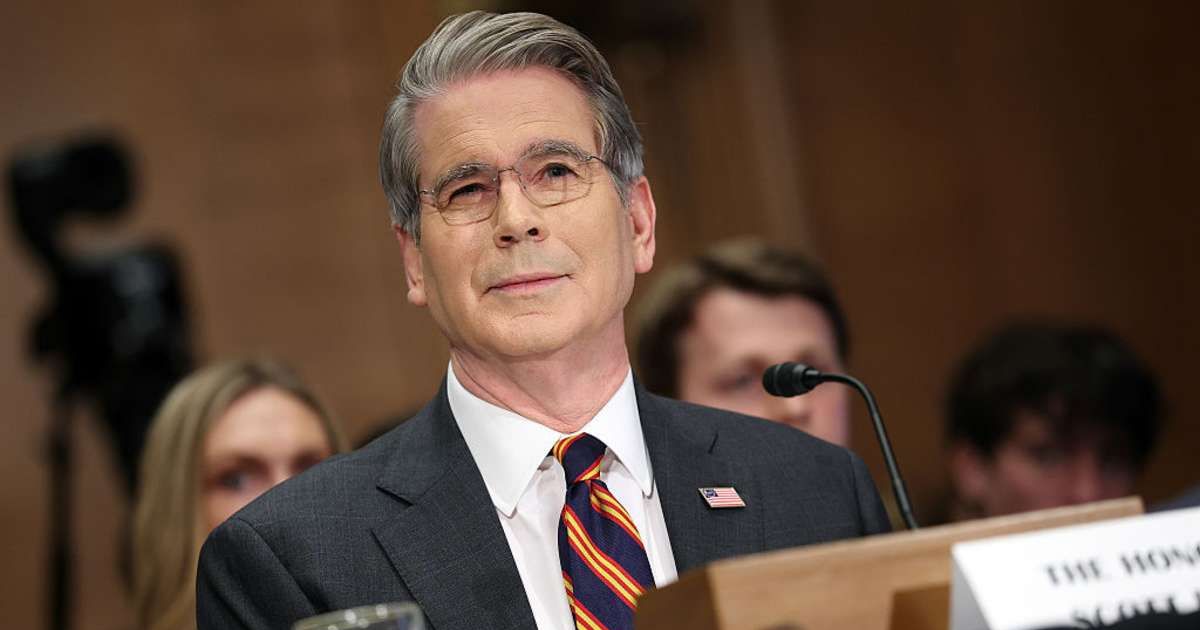
WASHINGTON, DC: The United States and China may be edging closer to a significant economic breakthrough, with US Treasury Secretary Scott Bessent signaling that the two global powers are progressing on a large-scale purchase of Boeing aircraft by Beijing and deeper cooperation on artificial intelligence.
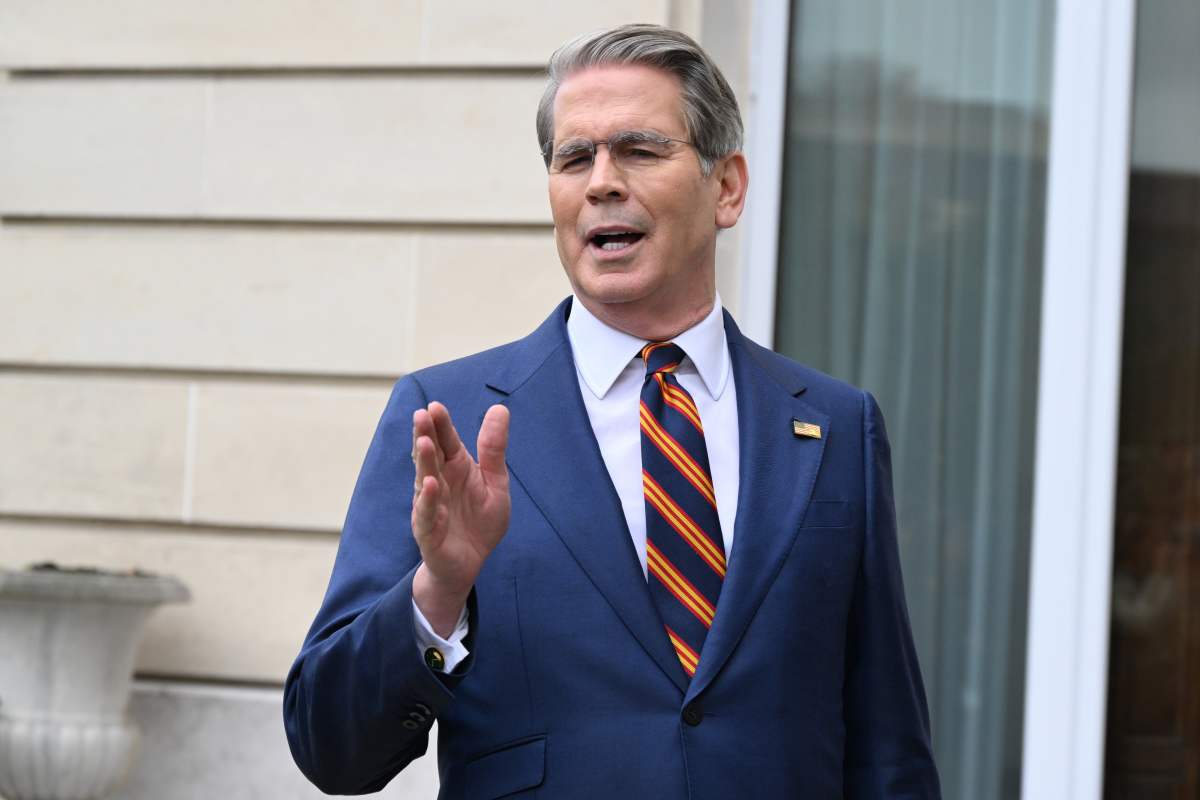
Speaking in an interview with CNBC on Thursday, May 14, Bessent indicated that Washington and Beijing are exploring ways to stabilize and broaden economic ties following months of strained negotiations and tariff tensions.
Among the most notable developments was his suggestion that China could soon move ahead with a major order of aircraft from American aerospace giant Boeing, a step that would mark a significant boost for US manufacturing and a symbolic thaw in trade relations between the two nations.
“The good news is the US is the undisputed leader in the world here. We have the greatest AI companies,” Bessent said during the interview, while also outlining plans for formal discussions between the two countries on the future governance of artificial intelligence.
AI guardrails emerge as new area of cooperation
Bessent’s remarks highlighted how artificial intelligence is rapidly becoming a central pillar of strategic diplomacy between Washington and Beijing, even as competition intensifies between the world’s leading technology powers.
According to the Treasury secretary, the United States and China, which he described as the world’s two “AI superpowers,” are preparing to begin discussions aimed at creating safeguards and best practices for the development and deployment of advanced AI systems.
“The two AI superpowers are going to start talking,” he said. “We’re going to set up a protocol in terms of how do we go forward with best practices for AI to make sure non-state actors don’t get ahold of these models.”
.@SecScottBessent: U.S. can hold AI talks with China because ‘we are in the lead:’ https://t.co/6Tq4gnszxv pic.twitter.com/OKlBbos5ED
— Squawk Box (@SquawkCNBC) May 14, 2026
The comments suggest the two governments are seeking at least limited cooperation on AI security concerns, despite broader geopolitical rivalries surrounding semiconductors, advanced computing and technology exports.
The proposed discussions could focus on preventing the misuse of powerful AI systems by extremist groups, cybercriminal organizations, or other non-state actors, while also addressing transparency, safety standards, and international norms governing the rapidly evolving technology.
The issue has become increasingly urgent for policymakers worldwide as generative AI systems continue to grow more sophisticated and influential across industries, defense systems and financial markets.
Boeing sale could signal easing tensions
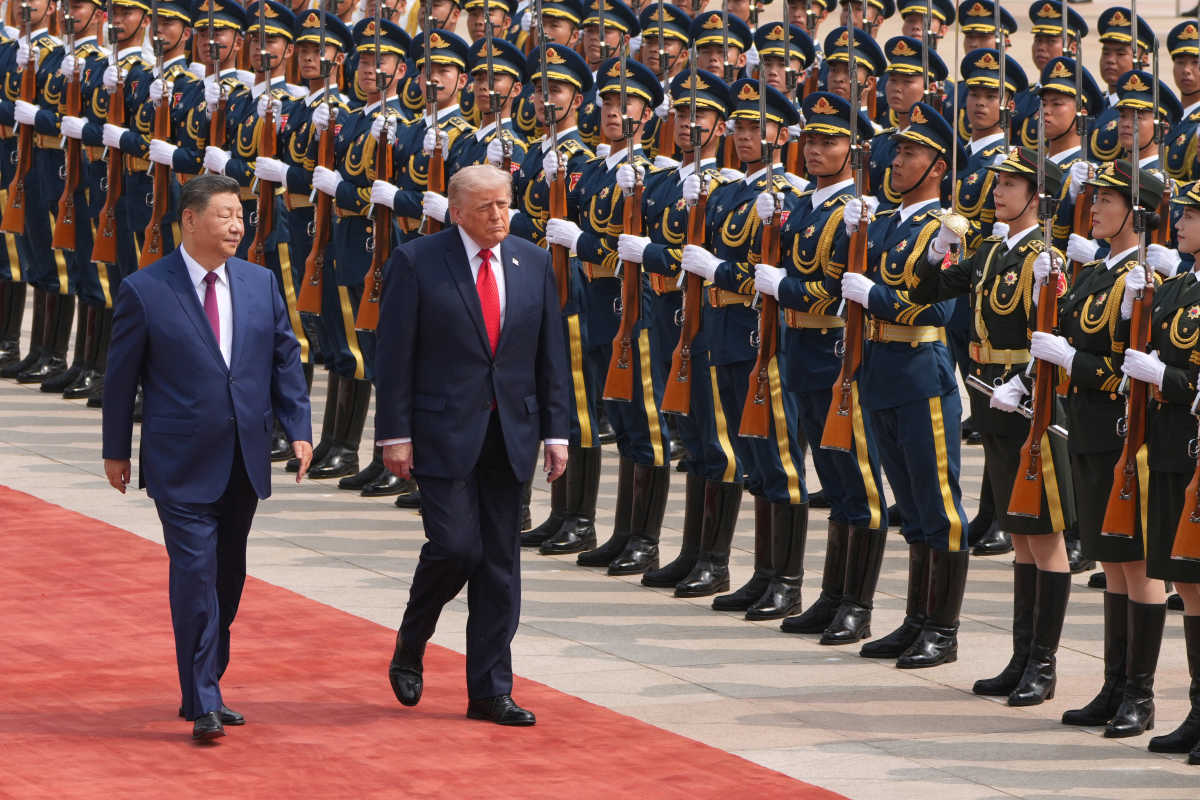
Bessent’s suggestion that China may purchase a large number of Boeing aircraft could represent one of the clearest commercial signs yet that trade negotiations between the two countries are moving in a more constructive direction.
A major aircraft order would provide an important economic win for the United States, particularly for Boeing, which has faced years of turbulence stemming from production challenges, safety concerns and global supply-chain disruptions.
Boeing says it's in talks with China for potential jet deals
— CGTN Frontline (@Frontlinestory) May 14, 2026
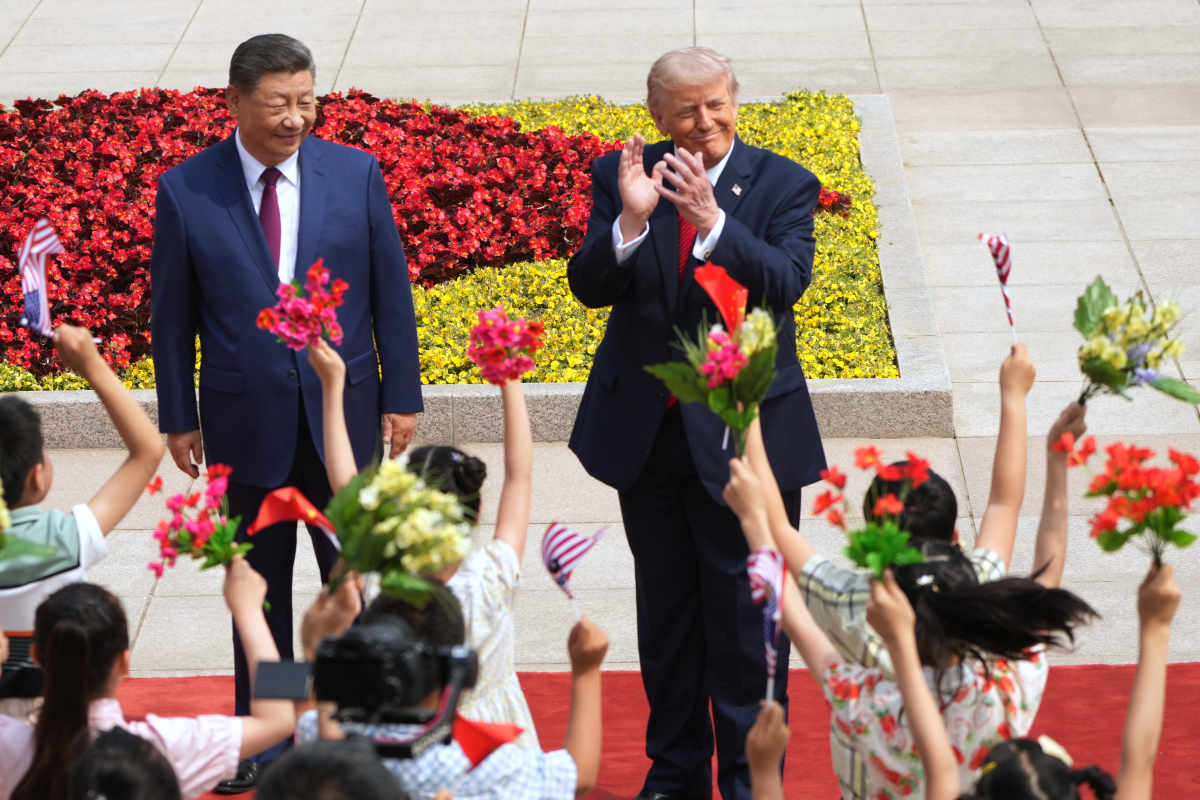
With US President Donald Trump's China visit underway, attention is turning to a potential major Boeing order from China. What did Boeing Global President Brendon Nelson say about the possible deal? 📷📷
On Thursday,… pic.twitter.com/QZShOO4ijw
China has historically been one of Boeing’s largest international markets, but purchases slowed dramatically amid trade disputes and diplomatic tensions between Washington and Beijing.
A renewed aircraft agreement could therefore serve not only as an economic measure but also as a confidence-building step designed to reinforce the fragile tariff truce reached between the two sides last October.
Analysts have long viewed aviation deals as politically symbolic because they generate jobs, involve long-term commitments and reflect broader confidence in bilateral relations.
Energy and agriculture remain central to negotiations
Bessent also suggested that longstanding agricultural trade arrangements between the two nations remain intact and functional.
He said soybean-related concerns had largely been resolved under an existing agreement, indicating that agricultural trade, a historically contentious issue in US-China negotiations, may no longer be a major sticking point in current talks.
At the same time, he noted that China is interested in purchasing additional American energy supplies, another area viewed as strategically important for both economies.
Expanded Chinese imports of US energy products could benefit American producers while helping Beijing diversify supply sources amid continuing global energy uncertainty.
Agriculture and energy have repeatedly featured prominently in previous trade agreements between the two countries, often serving as stabilizing sectors even during periods of wider political friction.