Rep Judy Chu caught flat-footed when Treasury Sec Scott Bessent asks who was president during WWI
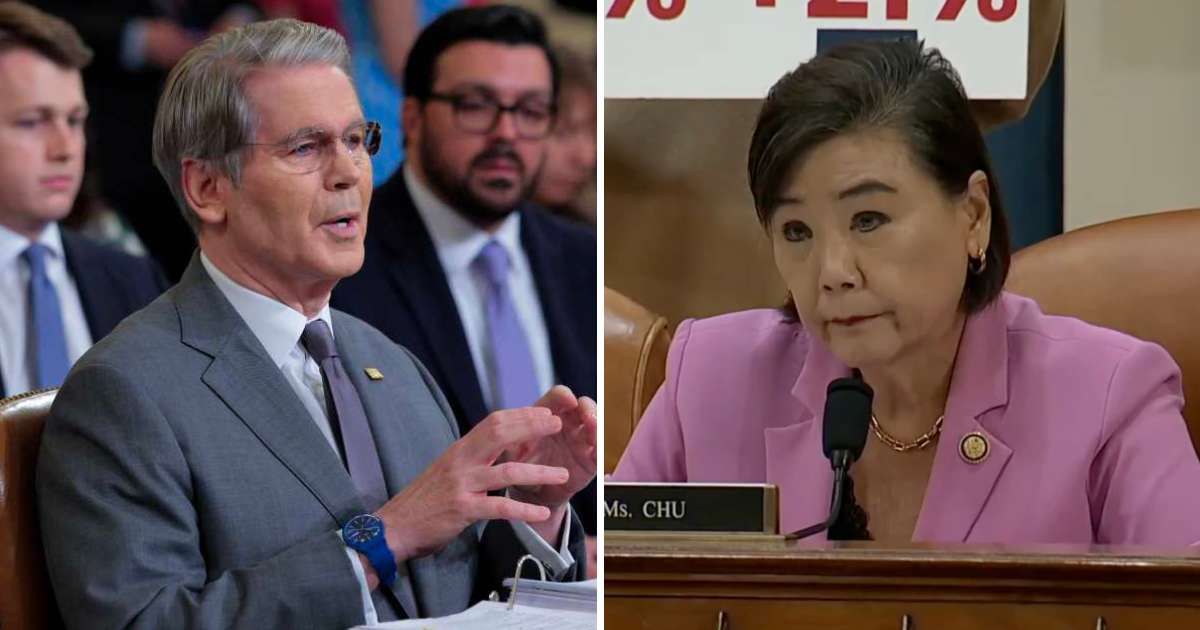
WASHINGTON, DC: California Democratic Rep Judy Chu got caught in an awkward Capitol Hill exchange on Thursday, June 4, after Treasury Secretary Scott Bessent hit her with a basic history pop quiz and she blanked on the answer.
The back-and-forth unfolded during a House Ways and Means Committee hearing on the Trump administration’s fiscal policies, where Chu was pressing Bessent over comments tied to the Iran conflict and Americans’ finances.
🚨 NOW — REP. CHU (D): Do you agree with Trump that you don't care about Americans' financial situation?!
— Eric Daugherty (@EricLDaugh) June 4, 2026
SCOTT BESSENT: Who was the president during World War I?
CHU: I don't know
BESSENT: You don't know? [...] Trump does care. He is FUTURE-PROOFING. I can tell you Americans'… pic.twitter.com/PPDZHnI54b
Heated Iran debate turns into a pop quiz moment
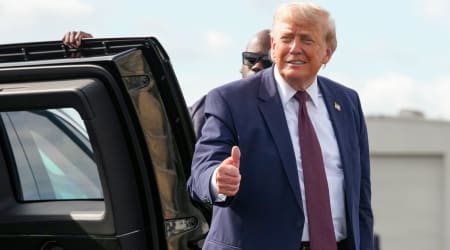
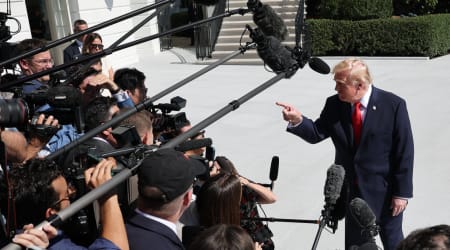
Chu tried to corner Bessent over a past remark by President Donald Trump, suggesting the administration was brushing off how Americans were feeling financially during the Iran-related tensions.
“Do you agree with President Trump that you also do not care about Americans’ financial situations?” Chu asked, as a staffer held up a sign pointing to price increases linked to the US war with Iran.
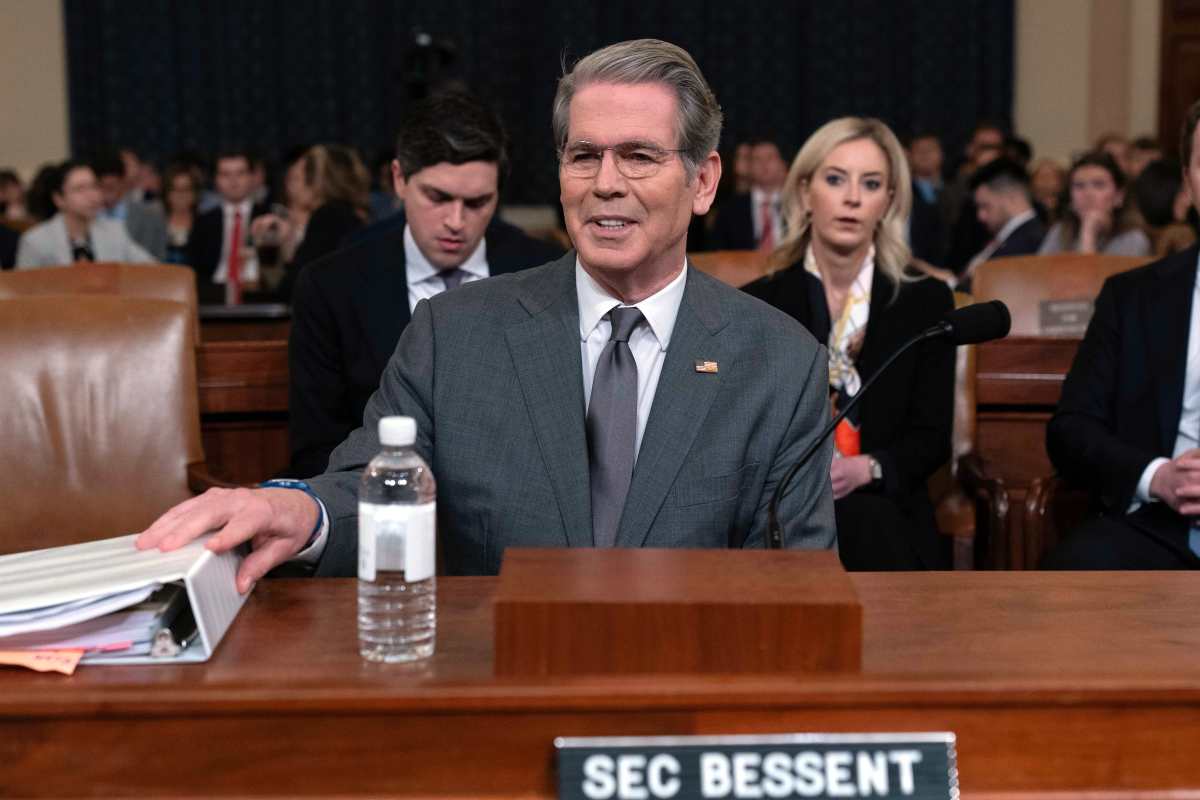
That’s when Bessent flipped the script.
“Who was the president during World War I?” he fired back.
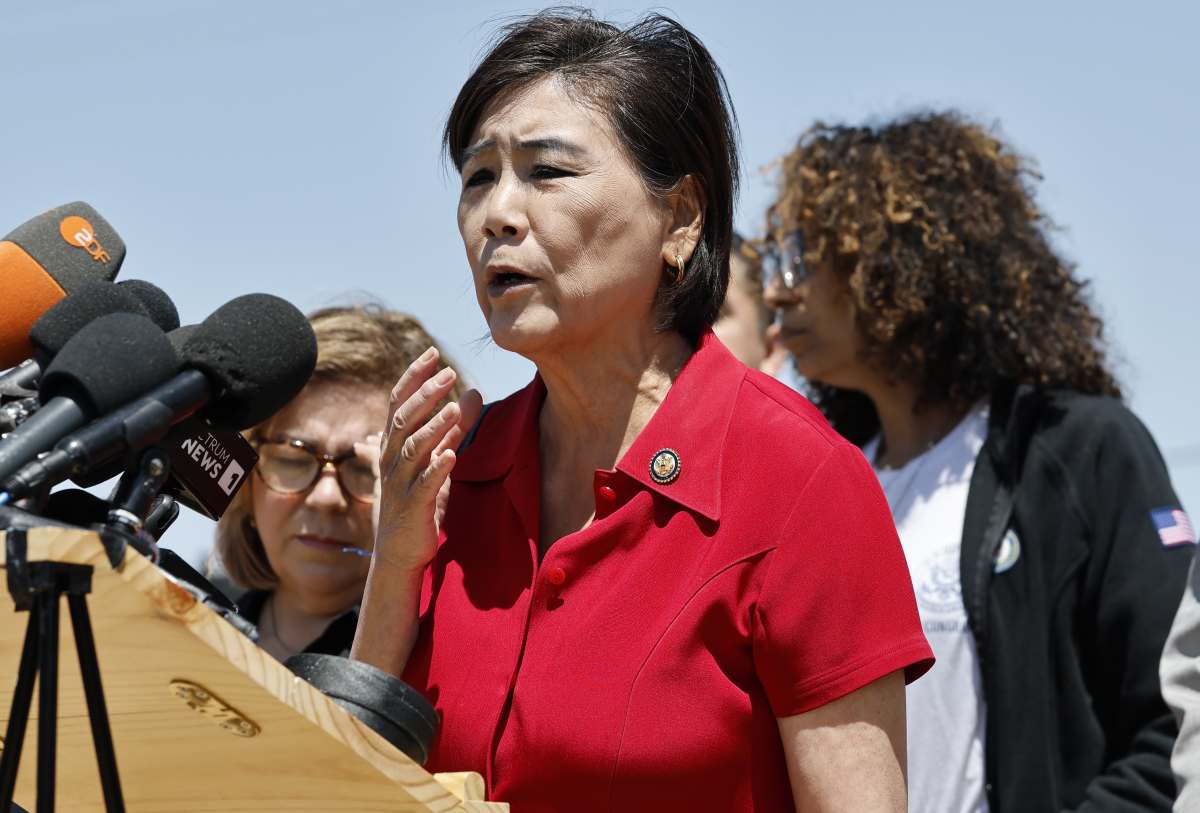
Chu paused before responding, “Are you refusing to answer my question?”
Bessent didn’t budge and repeated his question.
“I don’t know,” Chu admitted.
The California Democrat was suddenly on the defensive, considering World War I presidents are typically covered in middle and high school US history classes in the state, including Woodrow Wilson’s role in the Treaty of Versailles and the League of Nations.
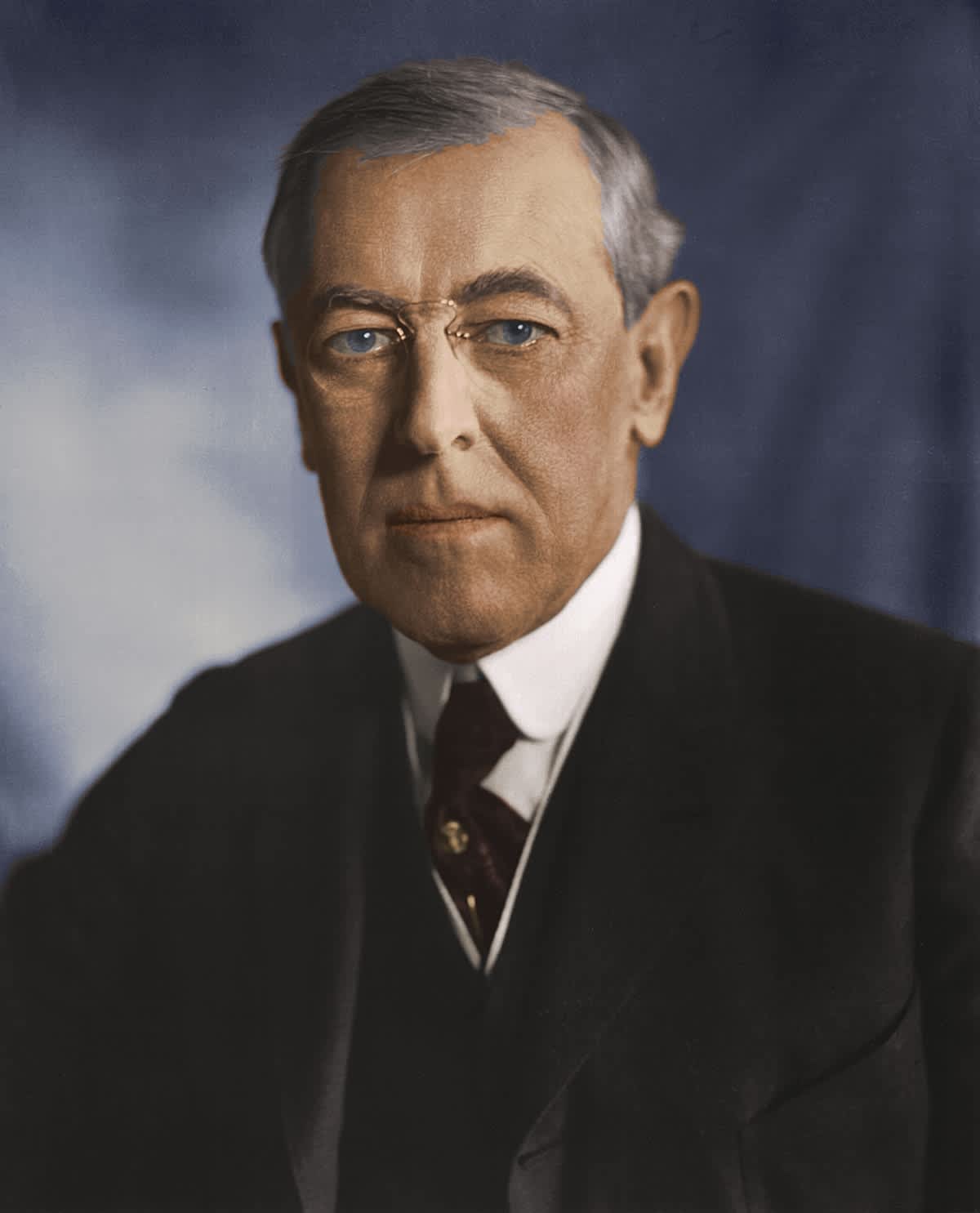
Woodrow Wilson, Trump, and a clash over historical parallels
As voices overlapped in the hearing room, Bessent explained why he brought up the 28th president in the first place.
He suggested Wilson-era decisions during World War I had parallels to how the Trump administration views long-term national security risks tied to Iran.
Bessent also leaned into the administration’s argument that preventing Iran from developing a nuclear weapon outweighs short-term economic concerns.
He cited Trump’s position directly, pointing out the President’s focus on stopping Iran’s nuclear ambitions.
Trump himself had previously told Fox News that his priority was preventing Iran from obtaining a nuclear weapon.
“I can tell you, Americans’ financial situation would be devastated if Iran got a nuclear weapon and there was a permanent, permanent shutdown of the flow of energy out of the Middle East,” Bessent said.
Trump’s controversial comments vs Americans' everyday struggles
When asked by reporters how much Americans’ financial concerns influenced negotiations last month, Trump said, “Not even a little bit.”
Reporter: When you’re negotiating with Iran. What extent are Americans’ financial situation motivating you to make a deal?
— RedWave Press (@RedWavePress) May 12, 2026
President Trump: “Not even a little bit. The only thing that matters when I’m talking to Iran—they can’t have a nuclear weapon. I don't think about… pic.twitter.com/iX74XhRQAP
“The only thing that matters when I'm talking about Iran, they can't have a nuclear weapon,” he insisted. “I don't think about Americans' financial situation, I don't think about anybody. I think about one thing — we cannot let Iran have a nuclear weapon, that's all.”
Trump added, “The most important thing by far, including whether our stock market, which by the way is at an all-time high, but including whether our stock market goes up or down a little bit, the most important thing by far is Iran cannot have a nuclear weapon.”
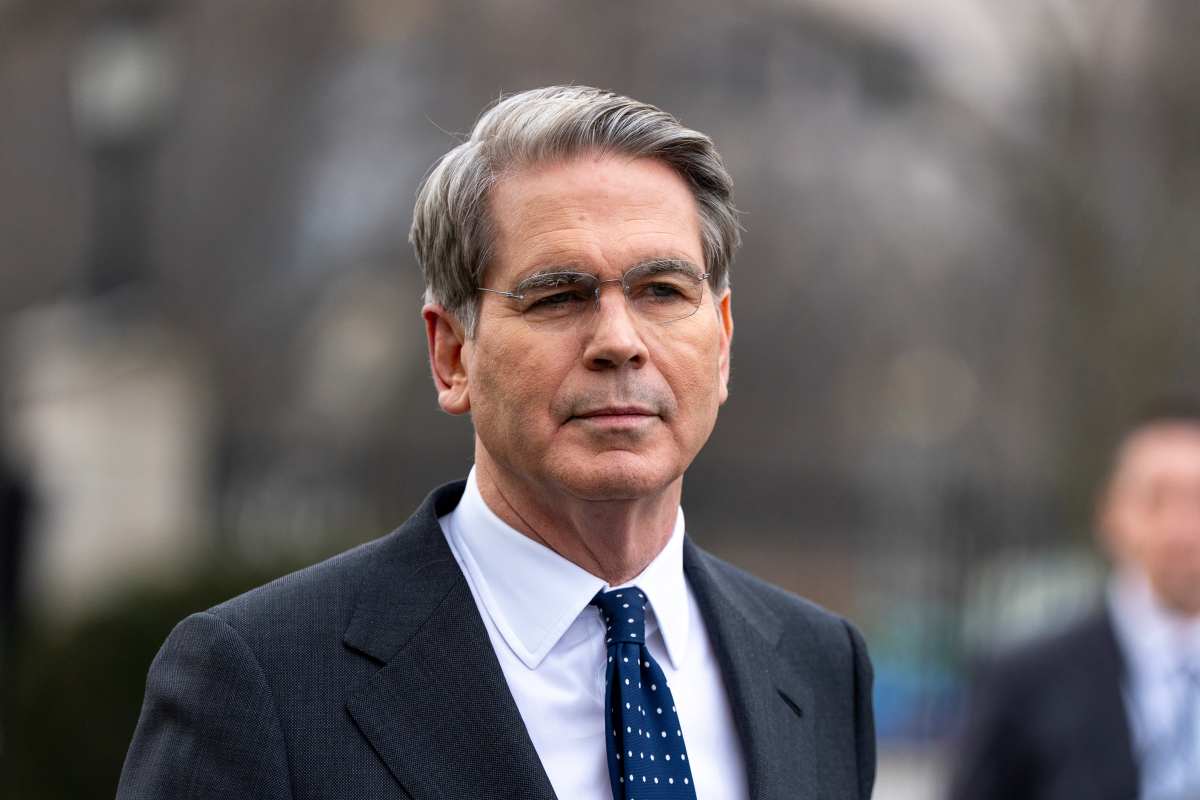
Bessent, however, insisted that Trump does care about Americans’ financial strain and dismissed Chu’s framing as selective quoting.
The debate escalated as Chu pressed him on inequality, arguing he was out of touch with everyday struggles. Bessent countered with economic indicators suggesting price improvements in certain goods.
“You’re entitled to your opinion, not your own facts,” Bessent shot back.
The Treasury secretary also pointed to economic pressures, noting inflation had surged at its fastest pace in three years in April, driven by energy costs tied to global tensions over Iran and oil supply disruptions. He added that California’s own policy choices were also contributing to cost-of-living pressures.