Americans hoping for cheaper loans get a rude Fed warning as rate hikes return to the table
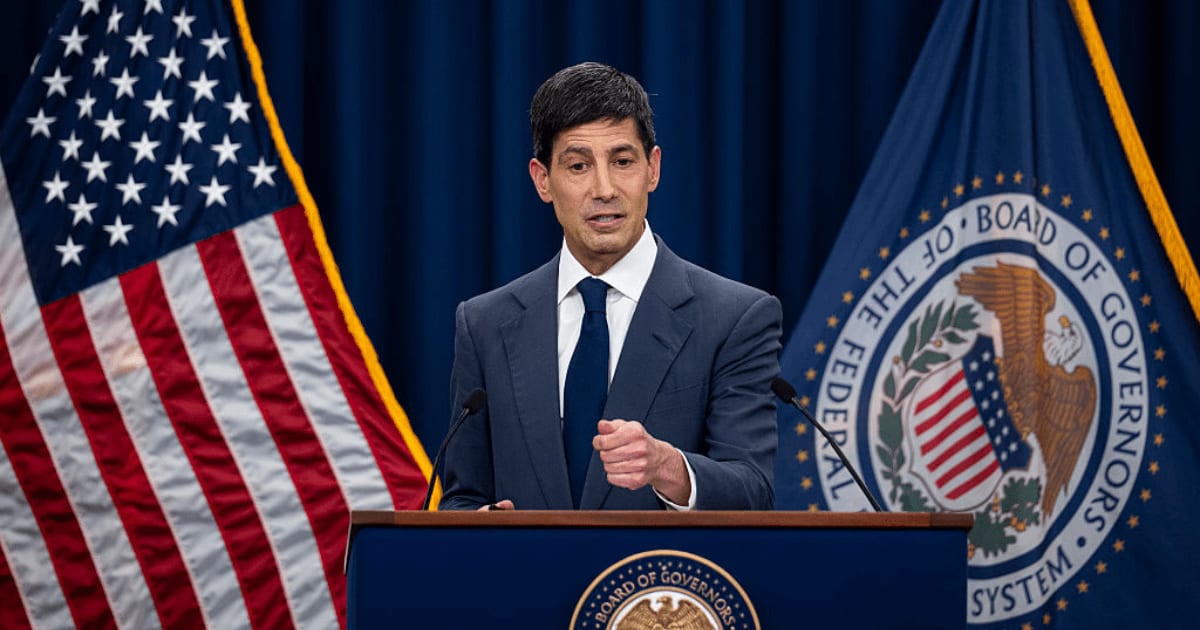
WASHINGTON, DC: Americans waiting for cheaper mortgages, credit cards and other loans could have to wait longer, or even face higher borrowing costs, after Federal Reserve officials warned that stubborn inflation may force the central bank to raise interest rates again.
The warning emerged from minutes of the Fed's July 28-29 meeting, where policymakers debated whether keeping rates steady was doing enough to cool price pressures.
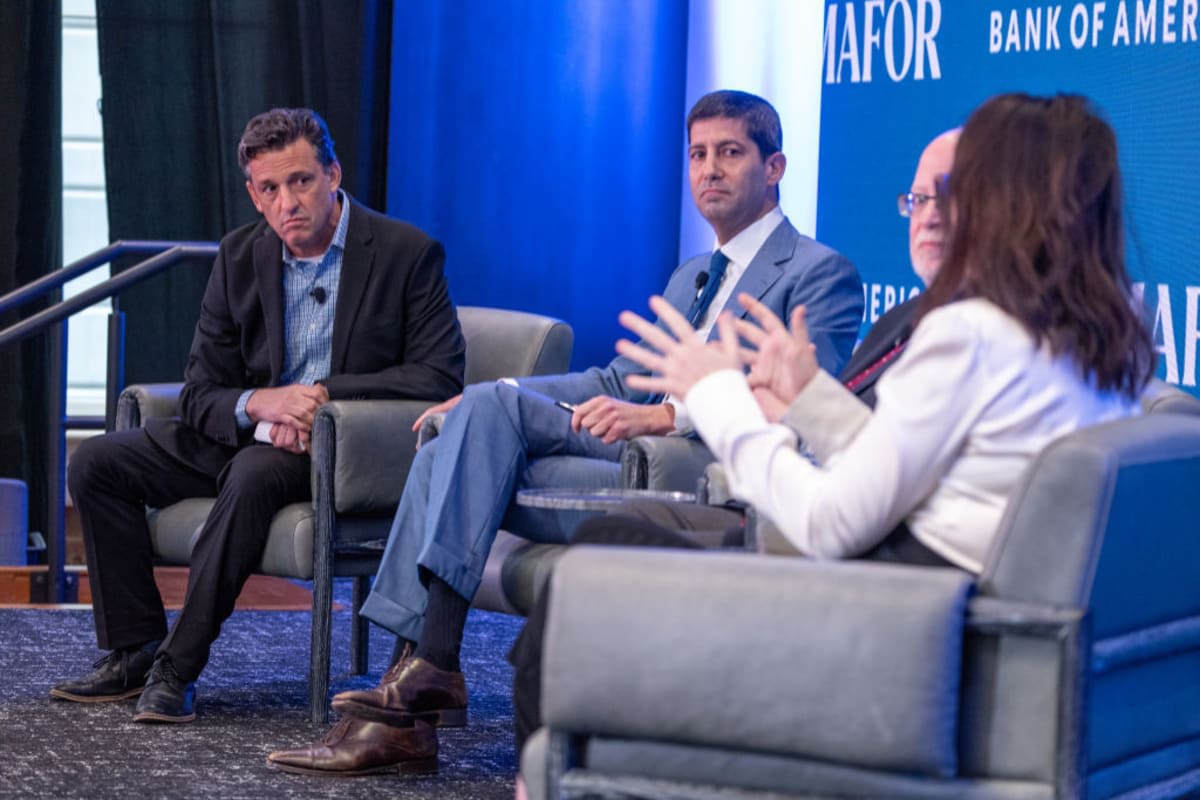
The Fed ultimately kept its benchmark interest rate at 3.5% to 3.75%, but three officials dissented and wanted a quarter-point increase. The minutes show that many participants believed additional tightening could become necessary if inflation failed to decline.
Rate cuts could give way to hikes
The warning matters because the public debate has largely focused on when the Fed might make borrowing cheaper. Instead, officials are now considering whether rates may need to move higher if inflation refuses to settle.

According to the minutes, some officials who favored a July rate hike believed acting sooner could prevent the Fed from having to make a larger series of increases later. That means policymakers are weighing the risk of moving too slowly against the economic pain of keeping monetary policy restrictive for longer.
Inflation remains above the Fed's 2% target, even as some recent readings have shown signs of moderation. The central bank said in July that inflation was still elevated, partly because supply shocks had pushed up prices in areas including energy.
Energy shock threatens fresh inflation
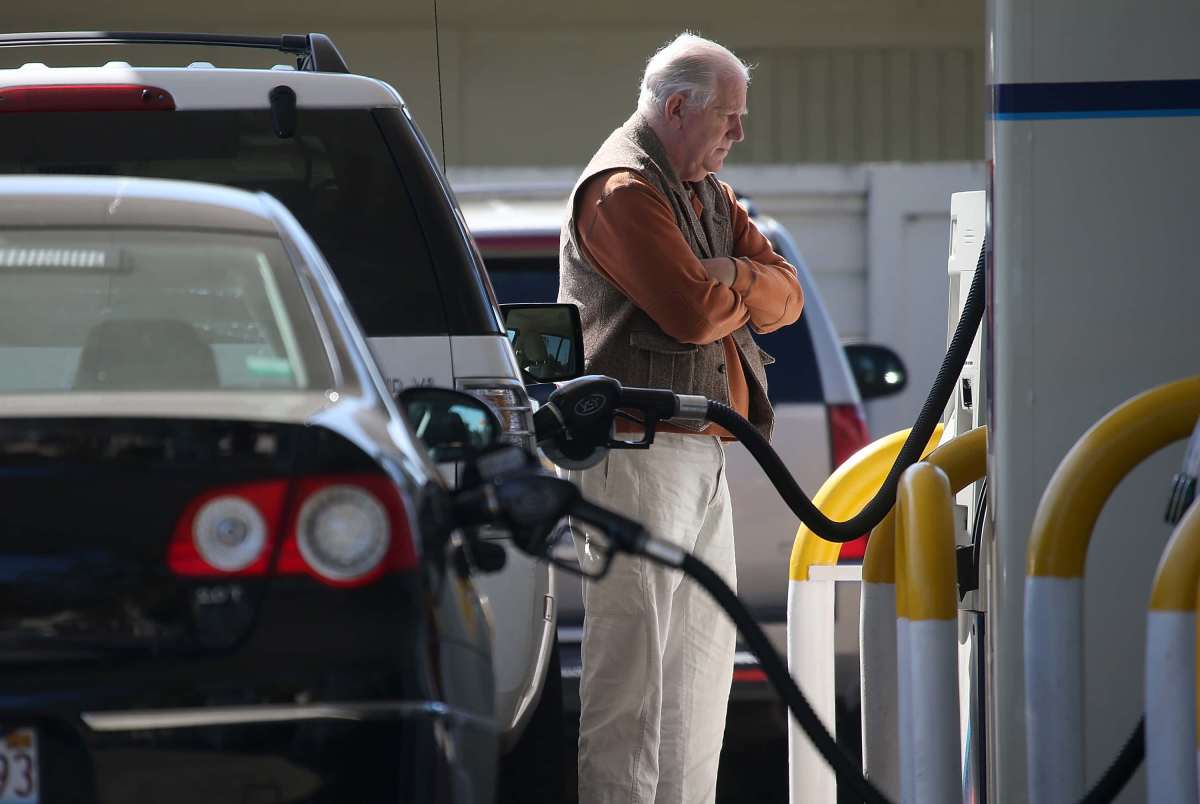
The Iran conflict is another major concern for policymakers because renewed pressure on energy prices could make the inflation problem harder to contain.
Fed officials have previously warned that prolonged energy disruptions and higher commodity costs could feed into broader prices.
They have also raised concerns that persistent inflation could become embedded in wage and price decisions, making it harder to bring inflation back to target.
That risk matters for consumers because energy costs can spread through transportation, manufacturing and other everyday expenses.
US inflation was already running above the Fed's target before the latest concerns over energy prices. June consumer prices were 3.5% higher than a year earlier, while energy prices were up 15.7% over the same period.
AI boom adds another pressure point
The Fed is also watching the rapid expansion of artificial intelligence infrastructure. Officials noted that strong demand for AI-related investment could keep pressure on prices for electricity and technology while increasing demand for skilled workers.

The minutes specifically pointed to rising demand for electricians, machinists and engineers, with some officials noting that wage increases in those occupations could add to inflationary pressure.
The AI boom could eventually improve productivity and lower costs, but officials said those benefits may take time to appear.
For now, the message from the Fed is not that a rate hike is certain.
It is that another increase remains on the table if inflation stays stubborn, potentially putting cheaper borrowing further out of reach for Americans.