Trump insider reveals which voters matter in deep-red-state rally strategy
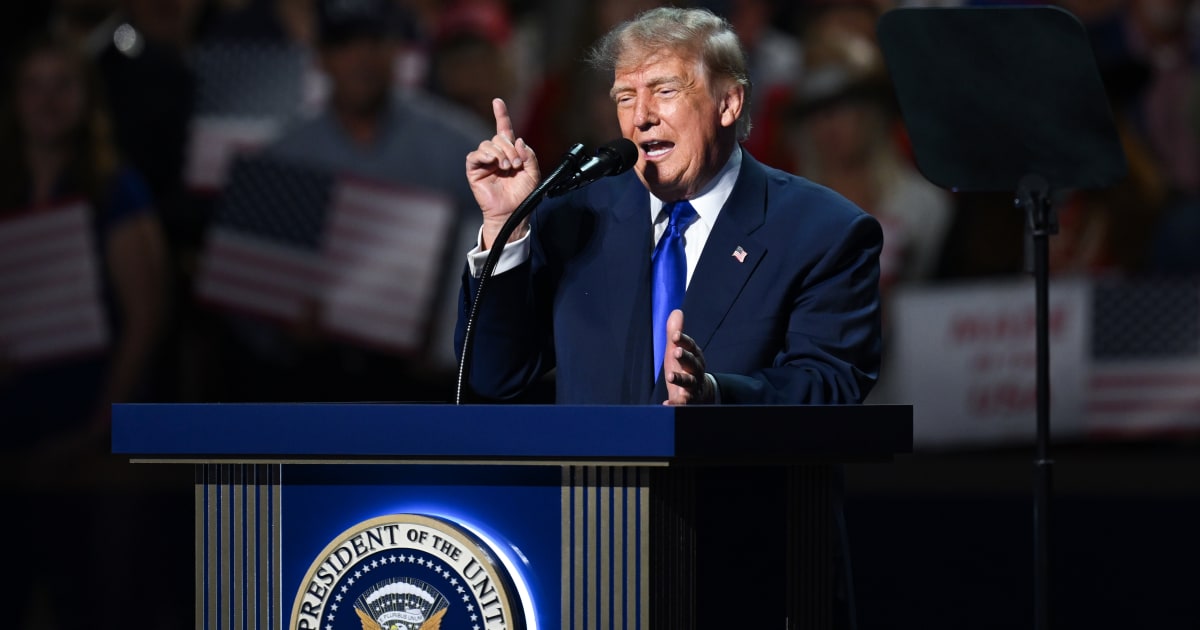
WASHINGTON, DC: A Donald Trump campaign veteran said the president’s 32-state pre-midterms rally tour is driven by data identifying voters who turn out for Trump but not other Republicans.
Luke Ball, who worked on Trump’s 2024 campaign, said the strategy extends beyond the deep-red states where the president is holding rallies.
Ball made the comments in an interview with Fox News Digital published Friday, October 2, as Trump traveled through Texas and Oklahoma before a planned Alabama rally.
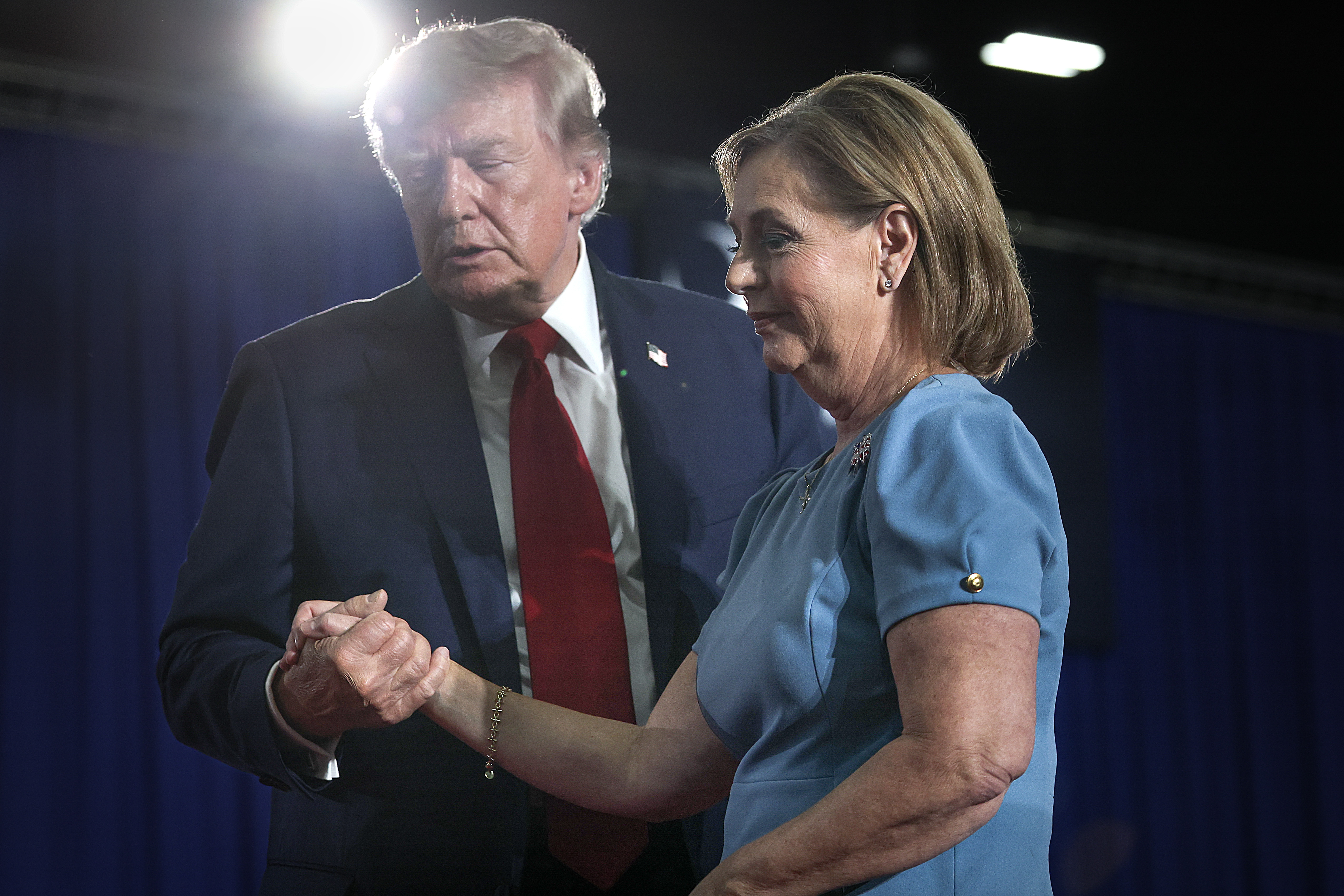
Trump rallies are built around turnout data
Ball said the Republican National Committee, MAGA Inc and Trump political adviser James Blair have data showing which voters are likely to turn out for Trump but not other Republican candidates.
“They keep saying that he is on the ballot and on the top of the ballot, but the reason they're doing it is because the RNC, the MAGA Incs, and the James Blairs of the world have the data that show who's going to turn out for the president and nobody else,” Ball said.
He said those voters can be important beyond the locations where Trump appears, including more competitive districts inside traditionally Republican states.
Ball pointed to Trump’s Texas and Oklahoma stops as examples, saying the appearances “go hand in hand” and can help motivate Republican voters beyond the rally locations.
MAGA Inc is a super PAC that spent more than $375 million supporting Trump’s 2024 election and is now backing Republican congressional candidates nationwide.
Blair served as Trump’s 2024 campaign political director and is now a White House deputy chief of staff.
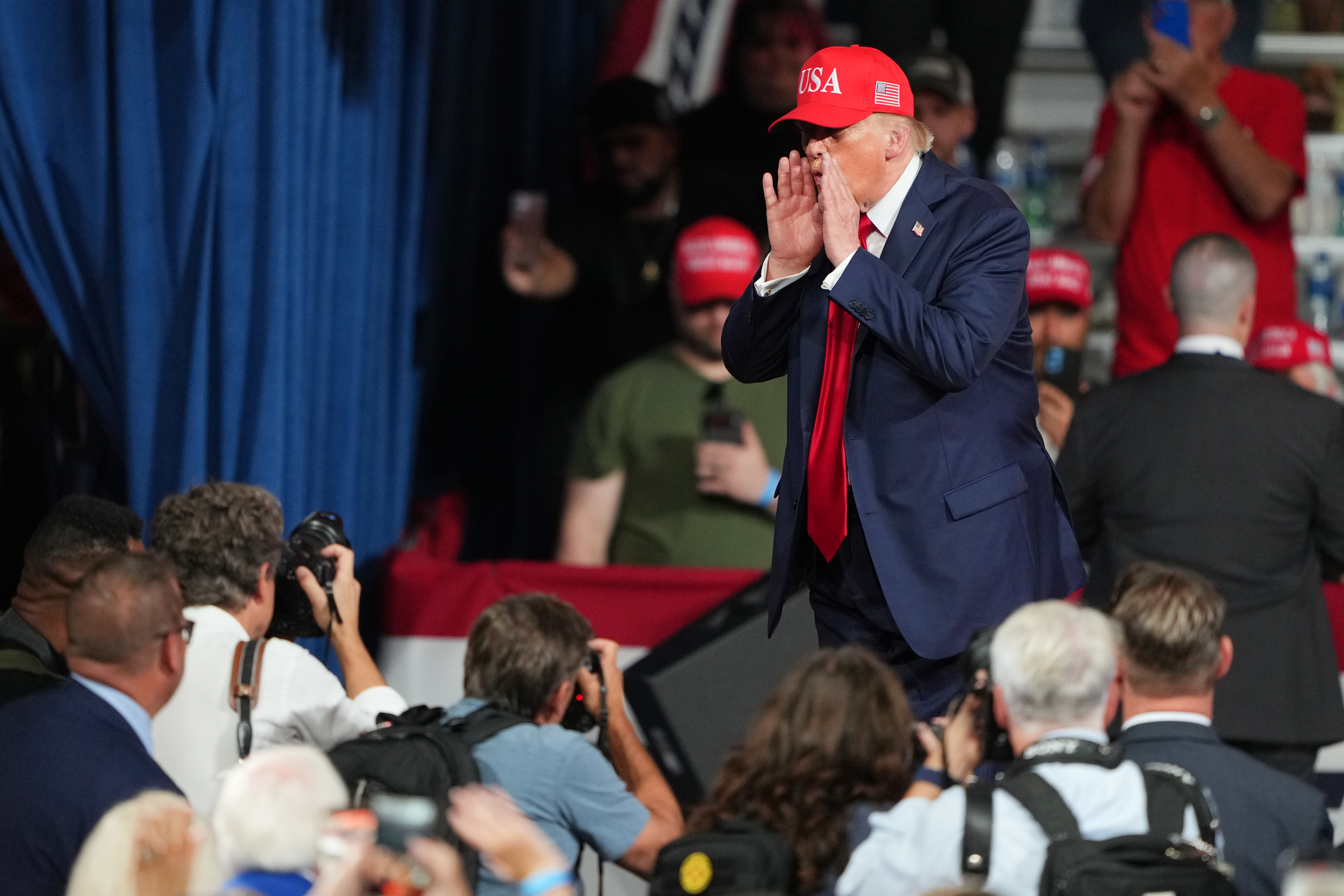
Luke Ball says deep-red stops can reach other media markets
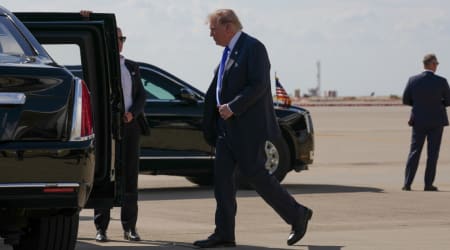
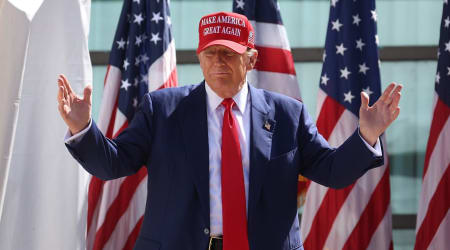
Trump spoke Thursday in Denton, Texas, a Dallas suburb, before traveling to Oklahoma. He is scheduled to rally Friday in Mobile, Alabama.
Ball said the Alabama event can reach voters beyond the state because its media market encompasses Pensacola, Florida.
“The next stop is in Mobile, Alabama, another media market that I worked in, which is going to encompass Pensacola, Florida — which always brings out the vote for the rest of the state,” Ball said.
He argued that the stops provide both rally appearances and broader exposure to Republican voters.
“So, great optics in Alabama, great optics in Oklahoma, but in addition to that, you're getting a red area of Texas motivated to turn out and a very, very red area of Florida to turn out for those elections,” Ball said.
Ball acknowledged the approach carries political risk for Trump, while rejecting the idea that the deep-red stops alone show the president is in trouble.
Trump: "We're rolling back a horrible thing -- the nitrogen oxide regulation. You know about that? It made your business impossible. That would've devastated the heavy truck manufacturing. What do you think, Preston? He's liking me. I don't know if he's given me a donation. I… pic.twitter.com/XvbitbU5DK
— Aaron Rupar (@atrupar) October 1, 2026
National coverage is also part of the strategy
Ball said the rallies themselves generate national media coverage, adding another element to the campaign strategy.
“Other traditional candidates would strategically target and fine-tune the principal's time in various states,” he said, contrasting that approach with the attention generated by Trump’s frequent appearances.
He said the national coverage matters because Trump was previously expected by some commentators not to campaign extensively, while the current schedule has produced questions about why he is visiting so many deeply Republican areas.
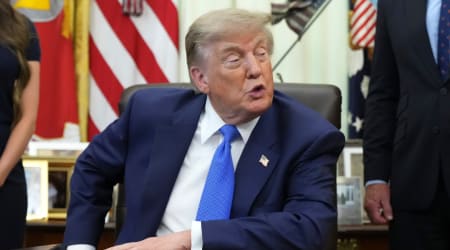
At a Thursday stop in Denton, Trump toured a Peterbilt truck manufacturing plant and met with employees before making brief remarks.
Trump: They say 'why are you going to Oklahomer?' I won Oklahomer all 3 times pic.twitter.com/KI3oMYmNFB
— Headquarters (@HQNewsNow) October 2, 2026
Ball connected such stops to a broader practice from Trump’s 2024 campaign, when former co-campaign manager Susie Wiles wanted Trump to appear at informal events in addition to rallies.
“Instead of popping into a mom-and-pop shop or store, he's touring manufacturing, or he's going to a specific industry in one state and then holding a rally that captures the media market in another,” Ball said.
“You always think about what's the additional thing you can do to draw out voters in that state,” he added.