Rubio says Israel is ‘rich enough’ to buy its own weapons as Trump moves to end US military aid
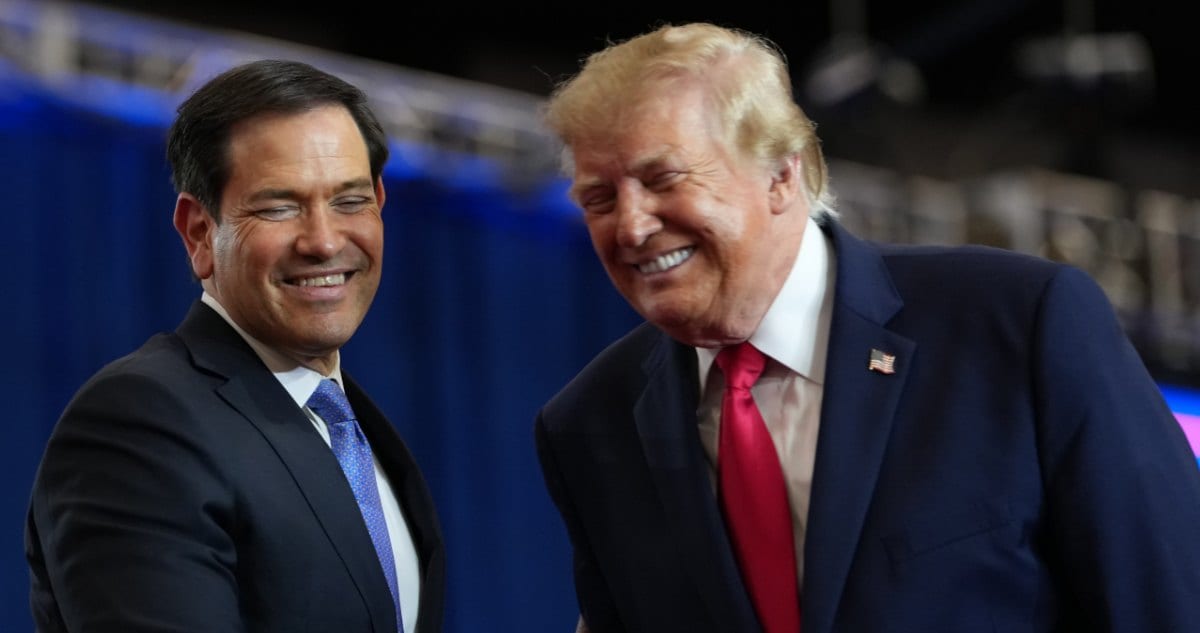
WASHINGTON, DC: Secretary of State Marco Rubio said Israel is wealthy enough to purchase American weapons on its own and no longer needs US military aid.
He made the remarks in Paris during a G7 foreign ministers' meeting, signaling that President Donald Trump wants to end the billions of dollars the US sends to Israel every year, and wants to do so soon.
Rubio explained that the administration views Israel’s strong economy as a reason to end American funding.
Rubio emphasized that Trump wants the financial assistance eliminated sooner rather than later. The move would bring an early end to a long-standing arrangement that has provided Israel with billions of dollars in American military support.
Marco Rubio signals Trump’s plan to end Israel military aid
"The president's expectation is that Israel is now prosperous and rich enough to be able to be a sales country. They can buy the weapons from us, but we no longer have to provide the financing," Rubio said.
Marco Rubio on Israel: Israel is now rich enough to become a sales country. They can buy weapons from us, but we no longer have to provide the financing. https://t.co/X6RV8Q0wdD
— Clash Report (@clashreport) November 9, 2026
He added that Trump wanted the financial assistance to end “as soon as possible,” potentially accelerating a transition that Israeli Prime Minister Benjamin Netanyahu had previously supported over a longer period.
"The president wants it as soon as possible," Rubio said.
Rubio argued that Israel no longer needs to rely on US financing and could start paying for its American weapons right away.
When asked whether Israel could handle those costs on its own, the secretary of state did not hesitate. He said Israel could absolutely purchase what it needed without assistance.
If Congress goes along with Rubio’s proposal, it would bring an early end to a major policy the US has maintained for years: providing Israel with billions of dollars in military support.
The two countries currently have an agreement established during the Obama administration.
Under the deal, Washington provides Israel with roughly $3.8 billion in military aid annually. Of that amount, $3.3 billion goes toward weapons and military equipment, while another $500 million is allocated to missile defense programs.
The agreement runs through September 2028, but Rubio’s proposal would effectively bring it to an early close.
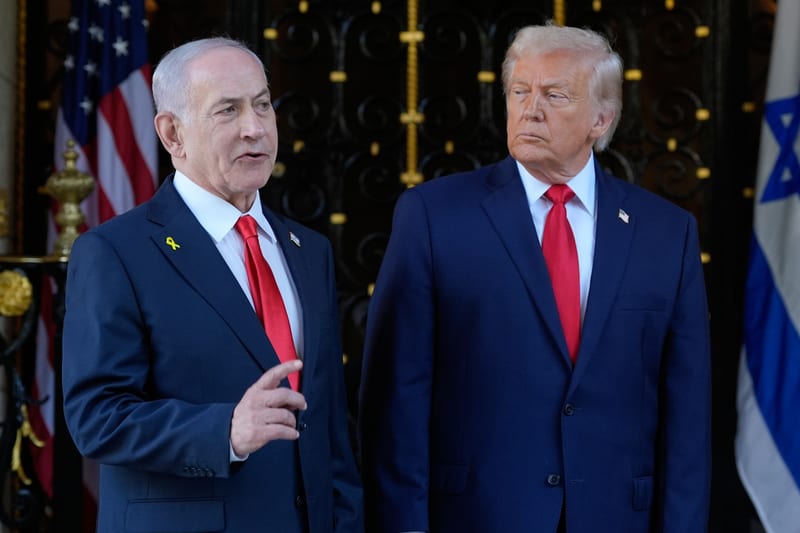
Trump recently said he and Netanyahu had agreed to end the aid by the end of 2026. Rubio’s latest comments suggest the administration wants to accelerate that timeline and end the financial arrangement even sooner.
Netanyahu has backed the idea of Israel becoming less reliant on American military support, but he had envisioned a slower transition phased over roughly a decade, rather than an abrupt halt.
Ending US military aid could reshape Israel’s defense strategy
The proposed change could significantly affect Israel’s military spending and defense strategy, particularly amid ongoing conflicts on several fronts following the recent war involving Iran.
Israel relies on American-made fighter jets, advanced munitions and a range of other military equipment.
If US funding stops, the Israeli government will have to allocate more of its own money to purchase these weapons or reconsider its procurement plans altogether.
Supporters of continued US military aid argue that the arrangement is not one-sided.
They say the United States also benefits from the partnership through access to new technologies and valuable intelligence drawn from Israel’s combat experience.
Rubio did not say whether the administration has a concrete plan for ending the aid or explain how the proposed shift might affect existing military agreements.
The debate comes as Trump seeks to redefine the financial relationship between the two countries.
Netanyahu has supported reducing Israel’s reliance on US aid, but Rubio’s comments suggest the administration wants to move much faster than the gradual transition previously discussed by officials.