Fed Chair Powell holds rates steady, brushing off Trump criticism during war tensions
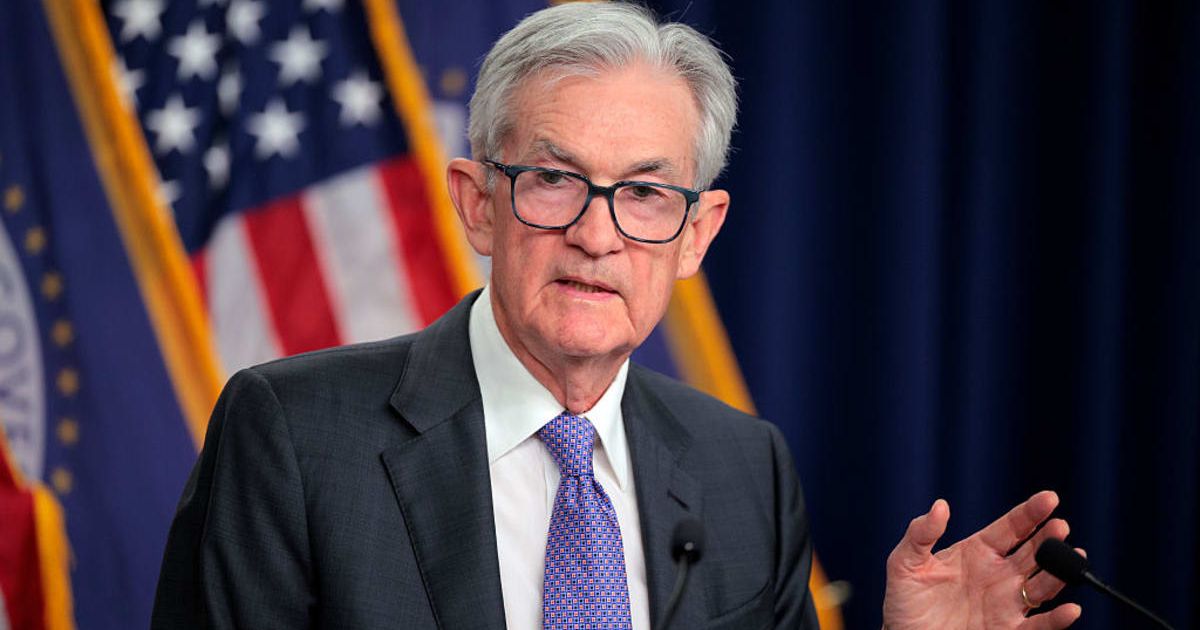
WASHINGTON, DC: The US Federal Reserve held interest rates steady on Wednesday, March 18, for the second time this year, keeping the benchmark range at 3.5% to 3.75% in an 11-1 vote.
The decision comes despite repeated calls from President Donald Trump to lower borrowing costs, underscoring a growing divide between the central bank and the White House as economic uncertainty rises amid the ongoing conflict with Iran.
In its statement, the Federal Open Market Committee said “uncertainty about the economic outlook remains elevated,” pointing to global instability and energy market volatility.
Global energy shocks fuel inflation fears
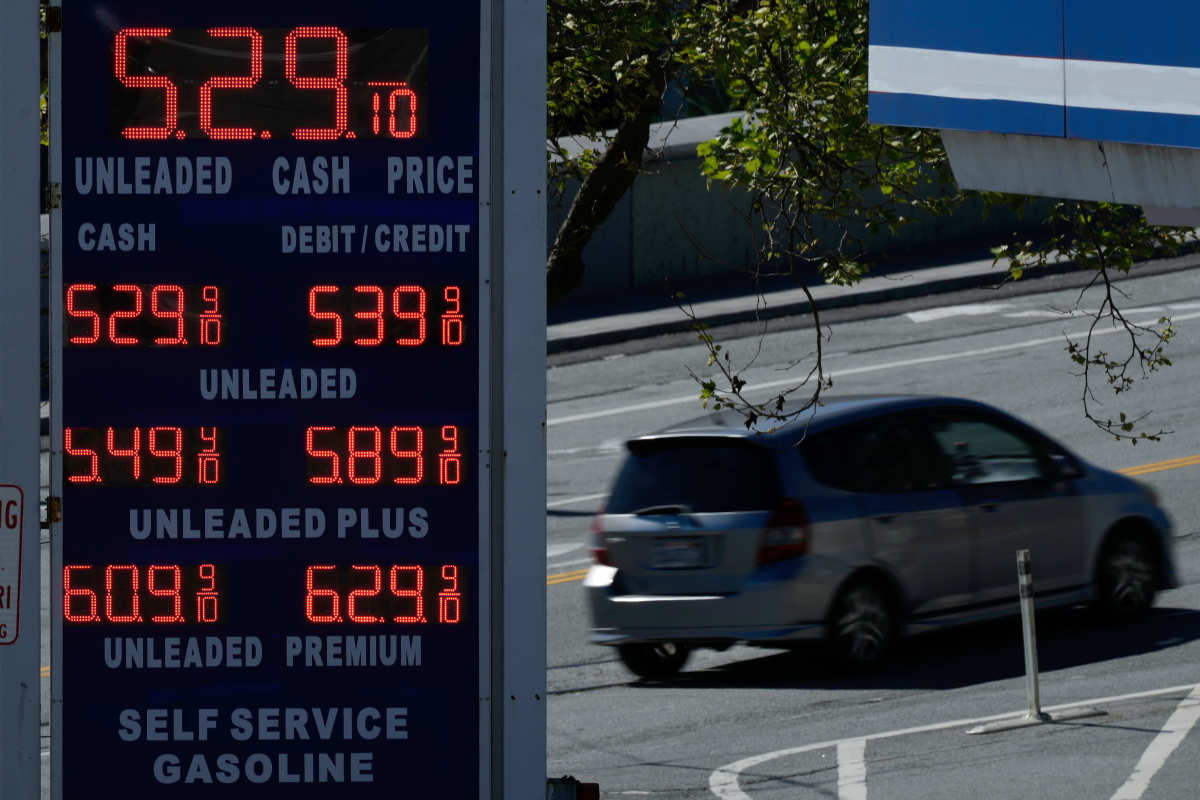
The conflict in the Middle East has driven oil and gas prices higher, adding to inflationary pressures, which currently stand at 2.4%, above the Fed’s 2% target.
Economists say rising energy costs complicate efforts to stabilize prices while maintaining growth.
Joe Brusuelas, chief economist at RSM, noted that while central banks can adjust monetary policy, supply-side shocks remain harder to manage. “It cannot print oil,” he said.
President Trump has downplayed the impact of rising energy costs, describing them as manageable in light of broader strategic goals.
However, higher fuel prices continue to ripple through supply chains and consumer costs.
Weakening jobs market hits record lows
The Fed’s decision also comes against signs of a slowing labor market. The latest data showed a decline of 92,000 jobs last month, contributing to a weaker overall hiring trend.
Total job growth in 2025 has remained subdued compared to previous years.
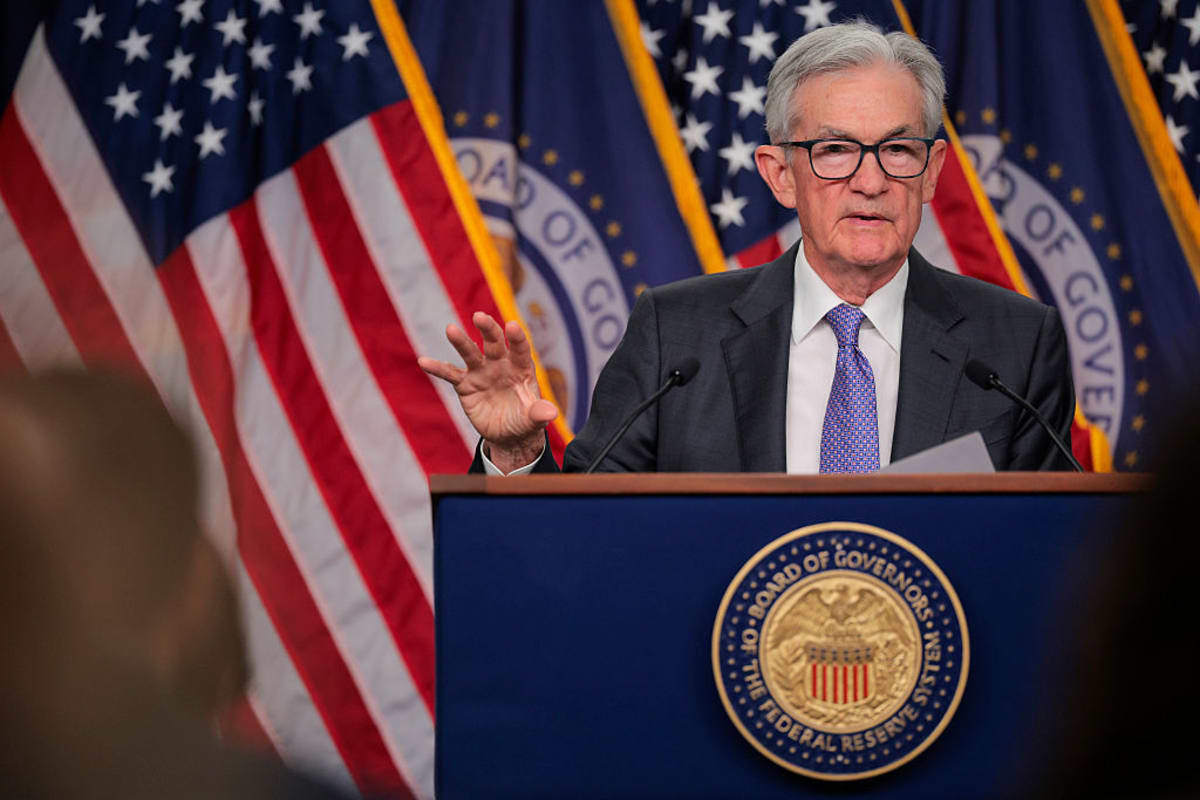
Federal Reserve Chair Jerome Powell has previously cited broader economic conditions, including trade and immigration policies, as factors shaping labor market dynamics.
Economists note that hiring trends have softened alongside policy shifts, adding pressure on the Fed as it balances inflation risks with employment concerns.
Judicial checks stall White House interference
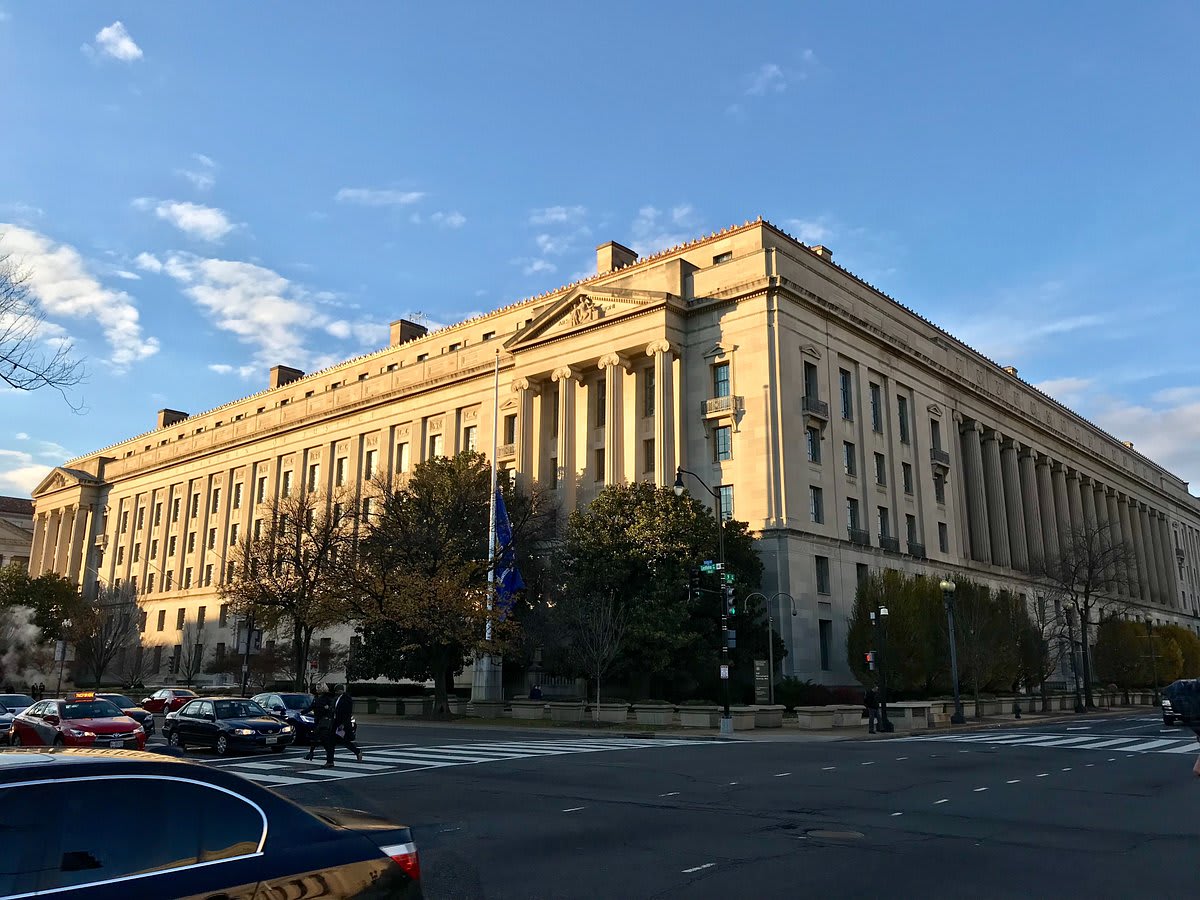
Tensions between the Fed and the administration have also played out in court. A federal judge recently blocked a Department of Justice probe into Powell related to Federal Reserve renovations, citing concerns about the investigation's basis.
Separately, the Supreme Court is reviewing the administration’s decision to remove Fed Governor Lisa Cook, a case that could have broader implications for the central bank’s independence.
These developments come as policymakers continue to navigate pressure from both economic conditions and political scrutiny.
Transition looms as Powell term nears end
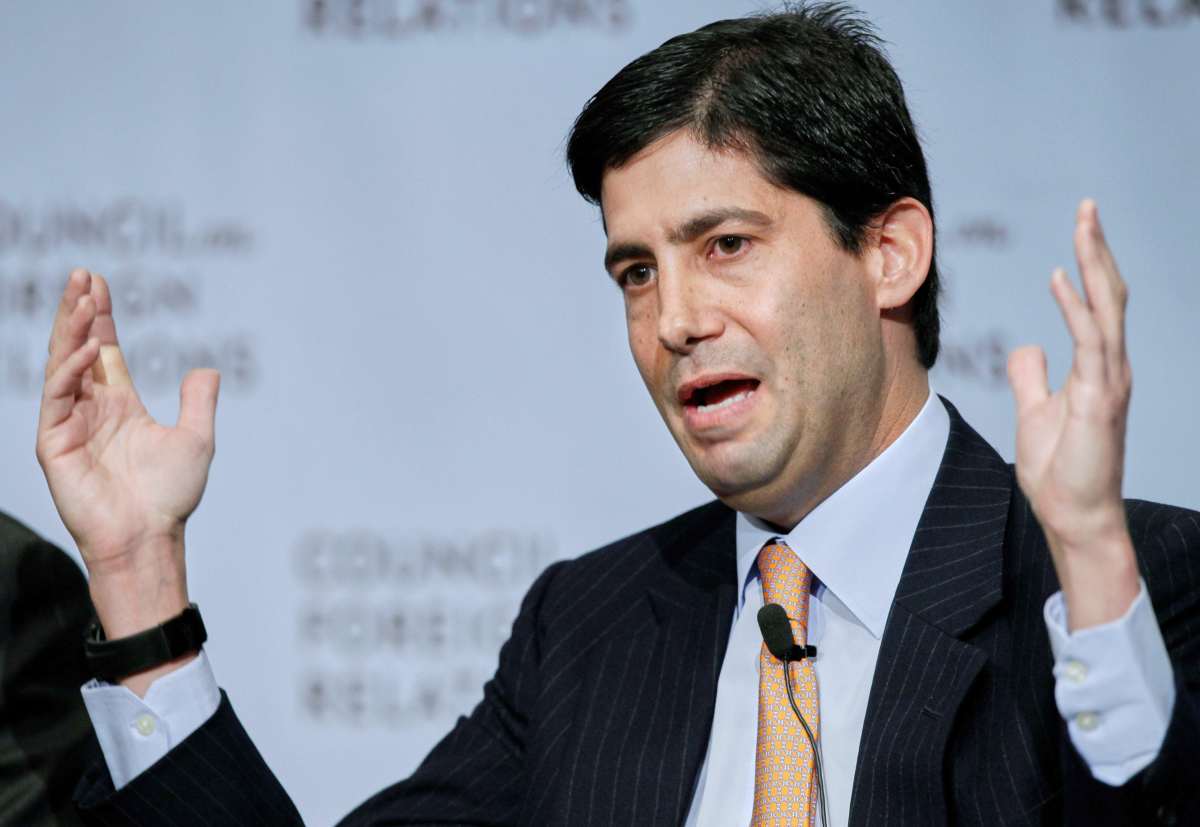
The White House has nominated Kevin Warsh to succeed Powell, whose term as chair is set to end in May. Ongoing legal and political developments could delay the confirmation process.
Powell has not indicated whether he will remain on the Federal Reserve Board after his chairmanship concludes.
As he prepares to deliver remarks later in the day, markets remain focused on the Fed’s next steps in an increasingly uncertain economic environment.