Louisiana Republicans secure 5-1 House edge after approving new congressional map

BATON ROUGE, LA: Louisiana Republicans approved a sweeping new congressional map on Friday, May 29, eliminating one of the state's two majority-Black districts and positioning the GOP to secure a 5-1 advantage in Louisiana’s future House delegation.
The move reshapes the political landscape in a key Southern state as Republicans seek to strengthen their position in a narrowly divided US House of Representatives.
The newly approved map replaces an existing minority-opportunity district with a Republican-leaning seat, altering Louisiana’s current 4-2 congressional split and setting the stage for a major electoral shift ahead of the fall elections.
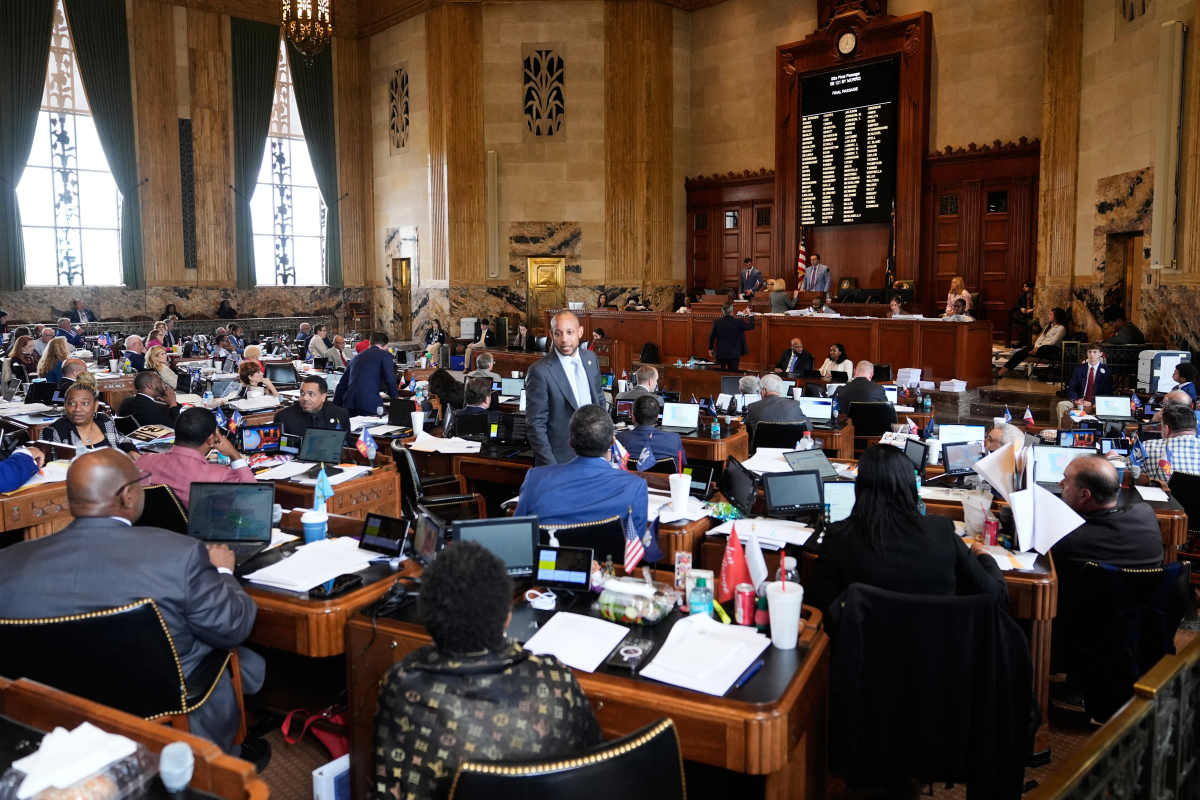
The revised boundaries cleared the state Senate after a series of technical changes were made in the House earlier in the week.
To accommodate the redistricting process, state officials delayed Louisiana’s House primaries, originally scheduled for May 16, effectively nullifying roughly 40,000 early votes that had already been cast under the previous district lines.
Legislators push partisan redistricting
The approval of the new map marks the culmination of a mid-decade redistricting effort that gained momentum after President Donald J Trump encouraged Republican-controlled states to redraw congressional boundaries in an effort to expand the party’s slim House majority.
 Electoral data grids demonstrate a significant decline in minority representation in state legislatures, despite the diverse demographics of the population (Getty Images)
Louisiana lawmakers moved forward following the US Supreme Court’s decision in Louisiana v Callais, which struck down the state's previous congressional map as an unconstitutional racial gerrymander.
The ruling opened the door for lawmakers to revisit the state's congressional boundaries and redraw districts ahead of the upcoming election cycle.
Republican State Senator Jay Morris, who authored the legislation, defended the proposal during floor debate, arguing that the map complies with traditional redistricting standards and is designed to withstand expected legal challenges.
Supporters of the measure contend that the map follows legal guidelines while reflecting political realities across the state.
Opponents, however, have argued that the new lines significantly alter representation and could face immediate scrutiny in federal court.
Republicans prioritize data-driven party metrics
Throughout a lengthy and often contentious debate, Republican lawmakers maintained that the map was drawn using political performance data rather than racial demographics.
State Representative Beau Beaullieu, who led the House redistricting effort, said mapmakers focused on Democratic voting patterns and electoral performance, noting that the Supreme Court’s ruling in Callais permits partisan gerrymandering.

The resulting map preserves one majority-Black district stretching from New Orleans to Baton Rouge while configuring the remaining five districts in a way that favors Republican candidates.
Supporters described the approach as a political exercise rooted in voter behavior and election data.
Critics argued that the close relationship between race and party affiliation in Louisiana means the practical effect of the map significantly reshapes minority political influence.
The battle over the map reflects a broader national fight over redistricting, representation, and the balance between racial and partisan considerations in congressional district design.
Democrats decry drop in representation
The proposal drew fierce opposition from Democratic lawmakers, who argued that the new boundaries reduce representation for Black voters despite their substantial share of the state's population.
Opponents pointed out that Black residents account for nearly one-third, or approximately 33%, of Louisiana’s population.
Under the newly approved map, however, only one of the state’s six congressional districts would remain a majority-Black seat, representing roughly 16% of the delegation.
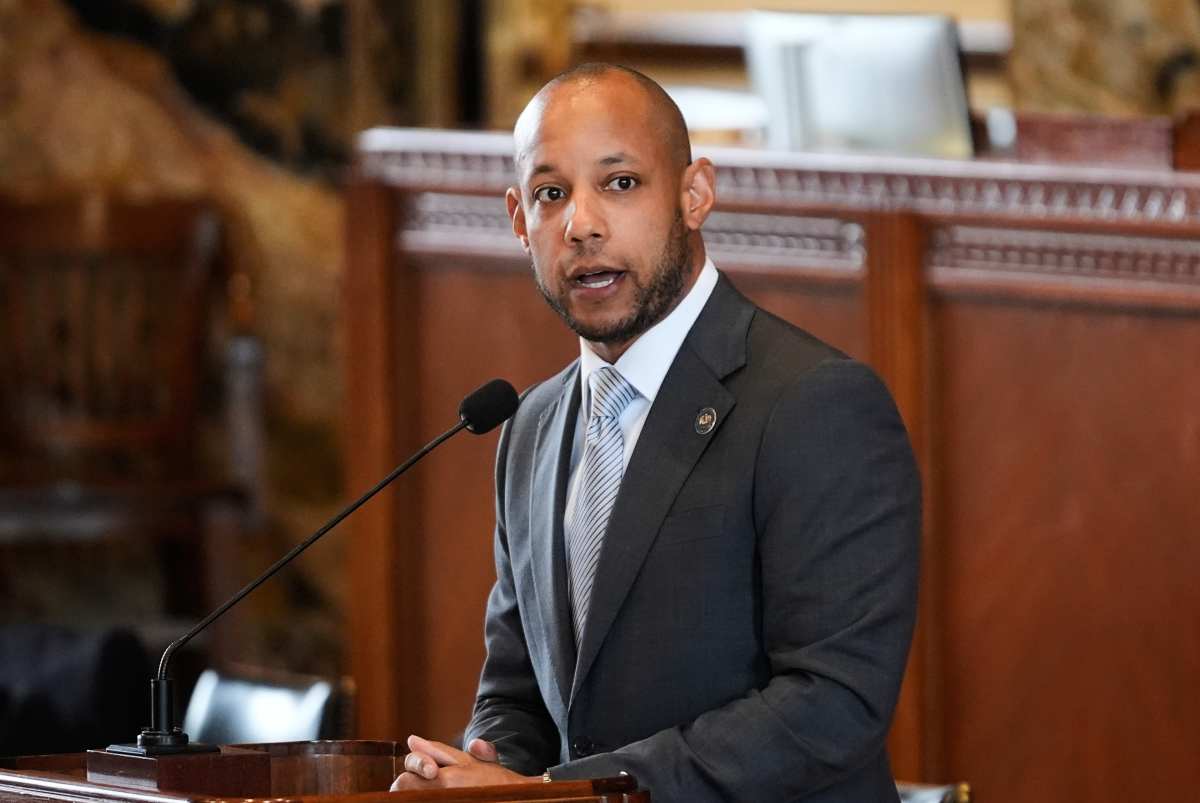
Democratic State Representative Kyle Green Jr emerged as one of the leading critics during the debate, arguing that the plan unfairly reduces opportunities for minority representation in Congress.
Voting-rights advocates have already signaled plans to challenge the map in court, setting up what could become another major legal battle over congressional representation in Louisiana.
For now, however, the newly approved map stands as the final redistricting plan heading into the fall elections, giving Republicans a significant structural advantage in a state that is expected to play an important role in the fight for control of the House.