Ratcliffe and Gabbard question whether Iran war energy shock could benefit Russia
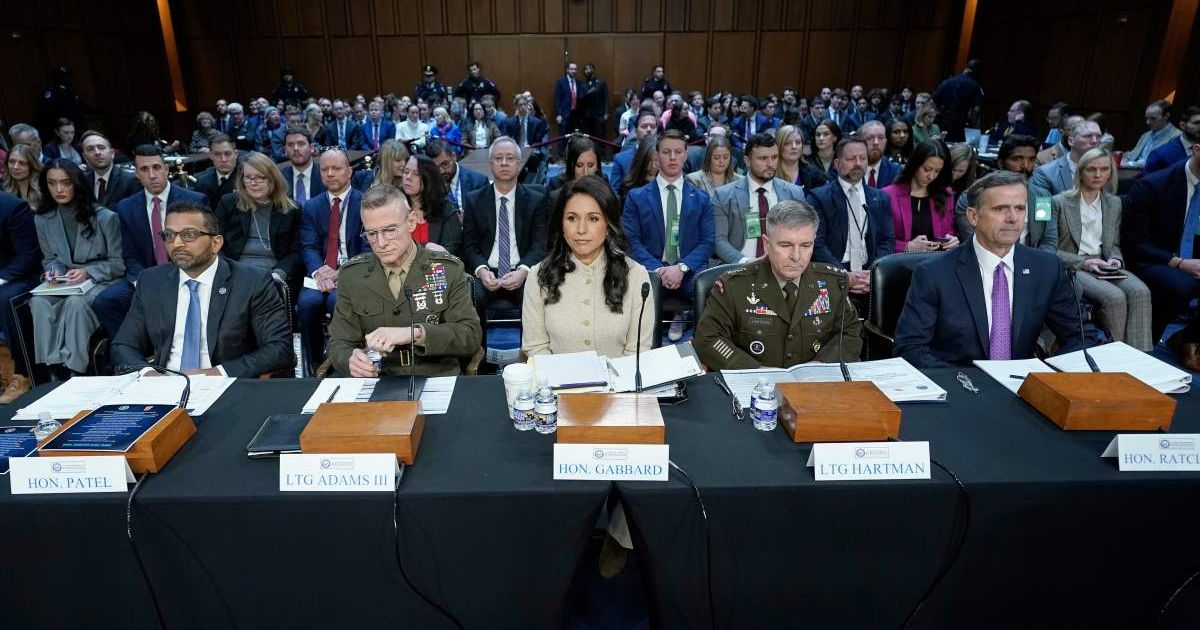
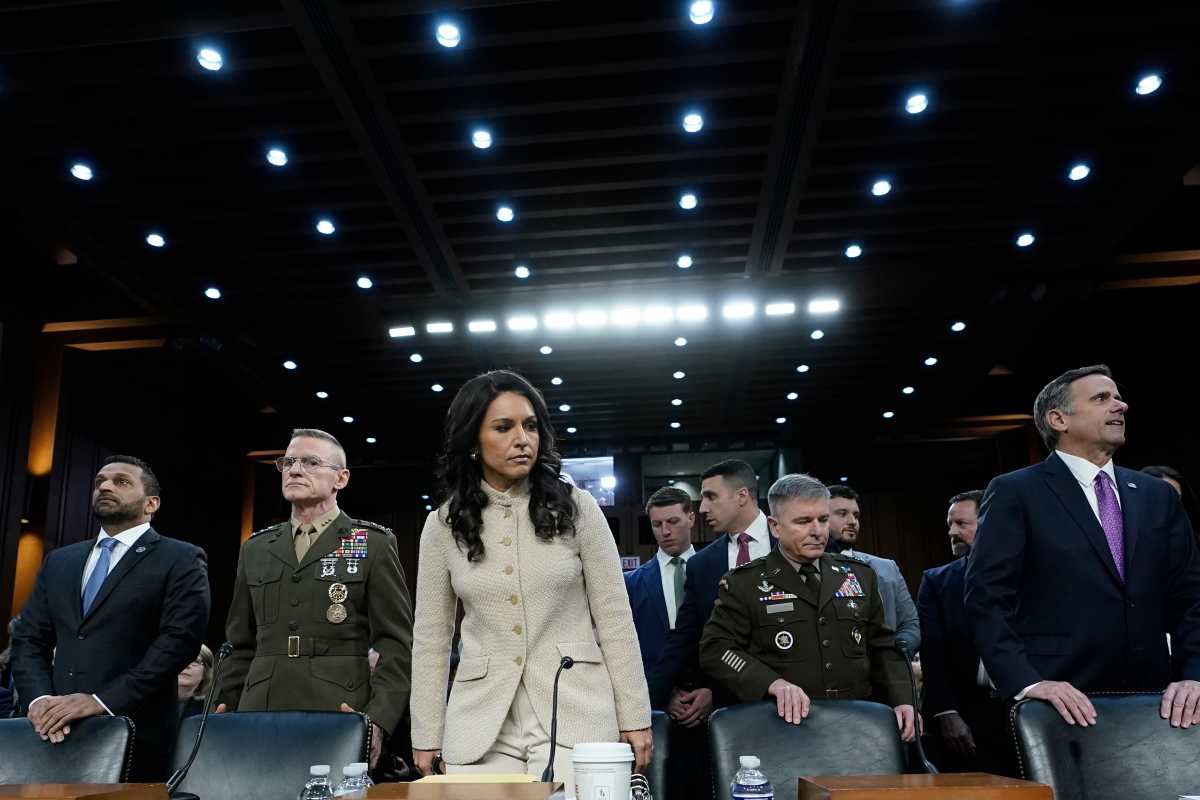
WASHINGTON, DC: CIA Director John Ratcliffe and Director of National Intelligence Tulsi Gabbard addressed lawmakers on Wednesday, March 18, regarding the global implications of rising oil prices amid the ongoing Iran conflict.
During a Senate Intelligence Committee hearing, both officials were questioned about whether US adversaries, including Russia, could benefit economically from the disruption in global energy markets.
Lawmakers also pressed intelligence officials on Iran’s capabilities and its engagement with rival nations.
Lawmakers question Russia’s oil windfall
During the hearing, Senator Mark Kelly raised concerns about the broader geopolitical impact of the Iran conflict, particularly its effect on global energy markets.
Kelly noted that the war has caused a “shock” to the world’s oil supply but suggested that some countries may be benefiting from the disruption.
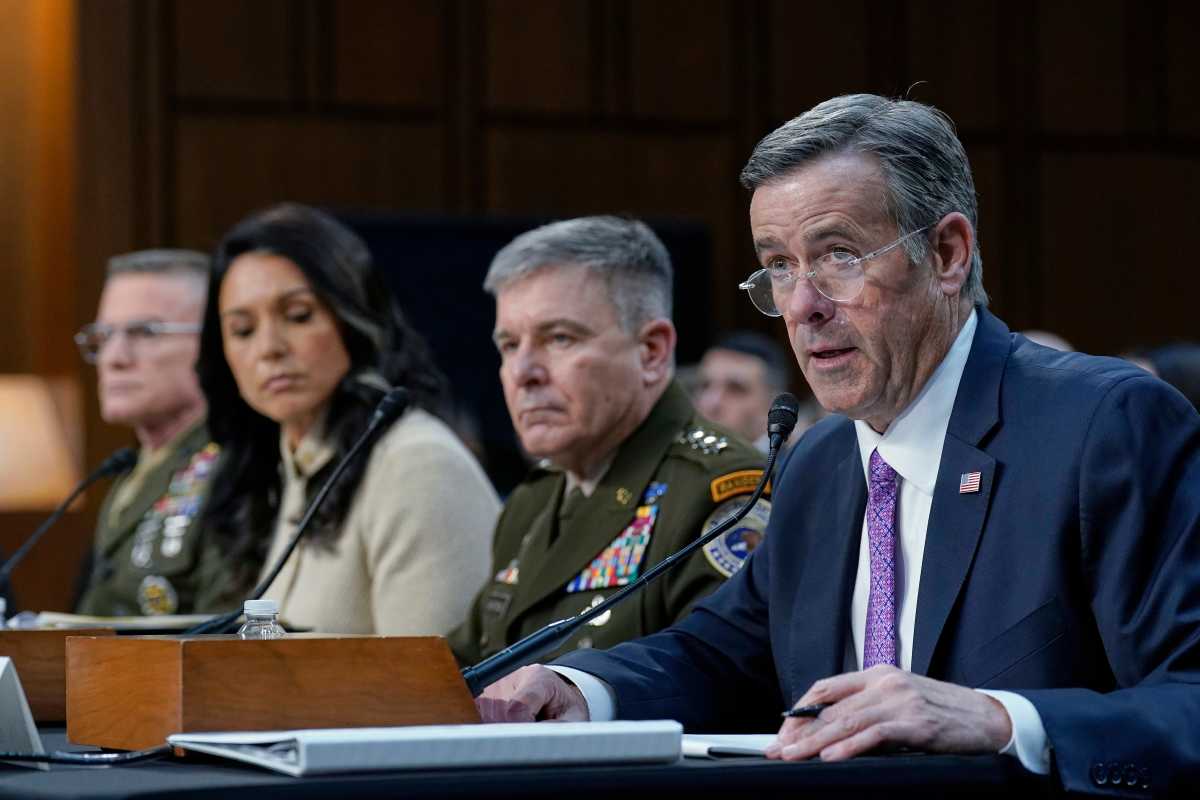
He specifically asked whether Russia has gained billions of dollars due to rising oil prices and a pause in US sanctions. "That is what has been reported," Gabbard said, referring the question to economic officials.
Ratcliffe offered a more cautious response, emphasizing the complexity of such assessments.
"I'm not an economist," he said. "Not going to try and do those calculations. But as I talked about earlier, sometimes there are decisions made that will benefit adversaries at the same time policymakers think that it will benefit the American people."
The exchange reflects broader concerns among policymakers that geopolitical conflicts can create unintended advantages for rival nations.
Analysts have previously noted that disruptions to Middle Eastern oil supplies can drive up global prices, potentially increasing revenues for major energy exporters like Russia.
Kelly also asked whether China and Russia should be considered primary geopolitical rivals.
Gabbard responded, "Yes, they are primary strategic competitors," while Ratcliffe added, "I would agree with that, although I don't think they're equal in terms of the threats that they pose."
Ratcliffe further confirmed that Iran is seeking assistance from US adversaries amid ongoing military pressure.
“The Iranians are requesting intelligence assistance from Russia, from China and from other adversaries of the United States, and whether or not those countries are (providing assistance) is something we can talk about in the classified portion,” he said.
Ratcliffe highlights intelligence role, warns of Iran’s long-term capabilities
Speaking about the agency’s mission, Ratcliffe said he had committed to a more assertive intelligence posture focused on core objectives.
"To the credit of the CIA workforce, the CIA has delivered," Ratcliffe said, referencing operations such as Operation Midnight Hammer and Operation Absolute Resolve.
"Some of those successes have been very public. As you mention, senator, Operation Midnight Hammer, Operation Absolute Resolve. Flawless military operations like that are hostage to a flawless intelligence picture."

He also addressed questions about Iran’s military capabilities, including its potential ability to strike the United States.
Eventually, "if left unimpeded, yes, senator, they would have the ability to range missiles to the continental US," Ratcliffe said, though he did not provide a specific timeline.
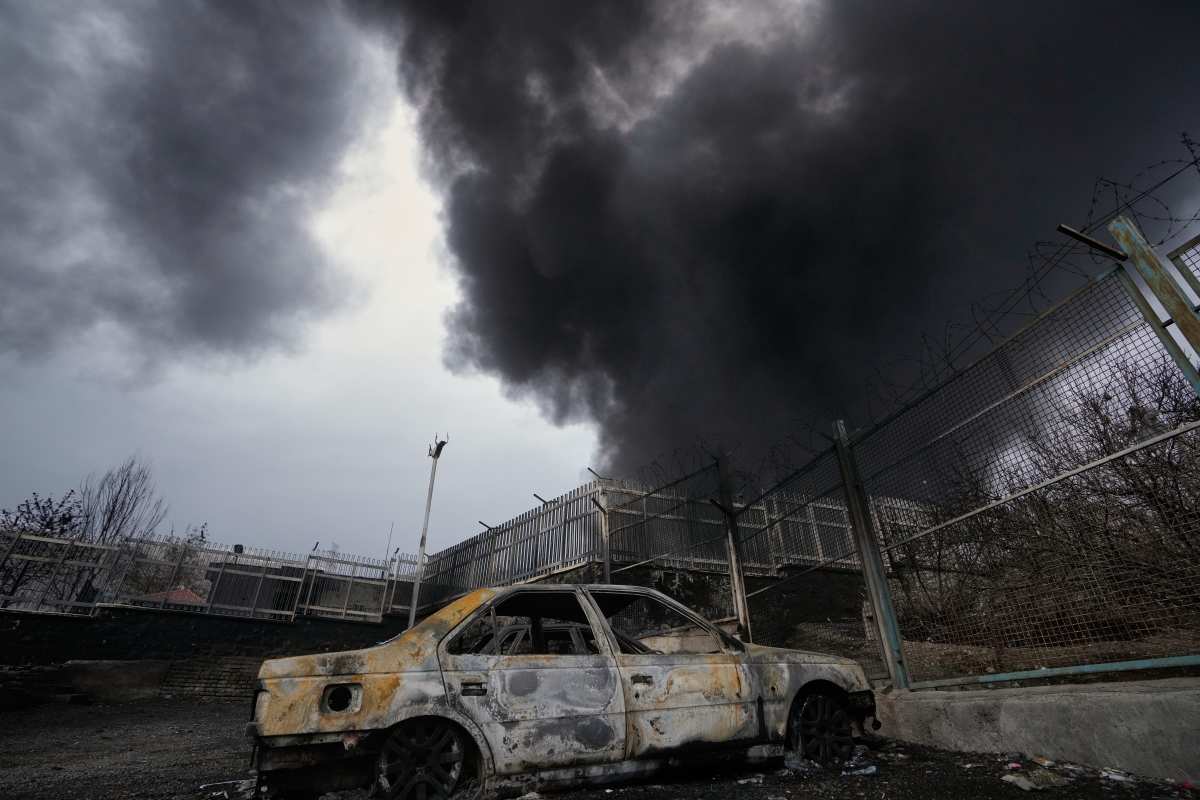
He emphasized that degrading Iran’s capabilities remains a critical objective. Ratcliffe said this is why efforts to limit Iran’s military development are so "important to our national security."