CIA Director Ratcliffe rejects Joe Kent's Iran threat denial as counterterrorism chief quits
🚨 JUST IN: CIA Director John Ratcliffe says resigned NCTC Director Joe Kent was wrong to say Iran did not pose an imminent threat
— Eric Daugherty (@EricLDaugh) March 18, 2026
Q: Is there anything to indicate that Iran had ceased in its nuclear ambitions or in its desire to continue to build ballistic missiles capable of… pic.twitter.com/UGrG6r2Tv5
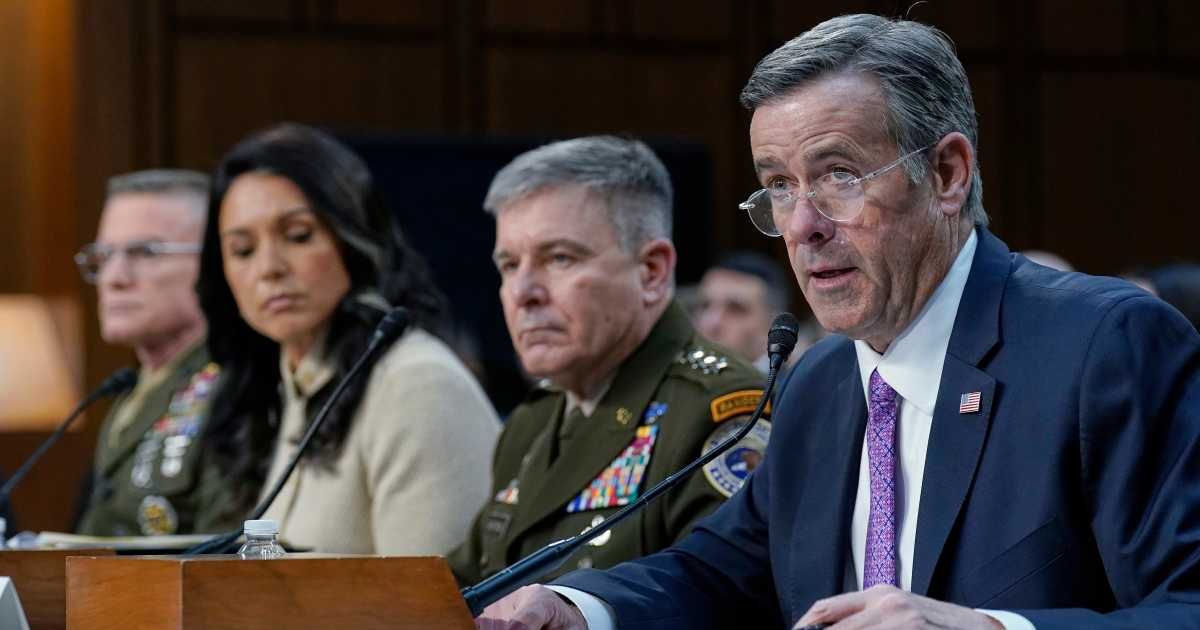
WASHINGTON, DC: CIA Director John Ratcliffe said on Wednesday, March 18, that he disagreed with former counterterrorism official Joe Kent after Kent resigned over differences regarding the US approach to the Iran conflict.
Ratcliffe’s remarks came during a congressional exchange in which lawmakers questioned intelligence assessments and decision-making leading up to US military action.
Kent stepped down as director of the National Counterterrorism Center, citing concerns about the rationale behind the war and stating that he did not believe Iran posed an imminent threat to the United States.
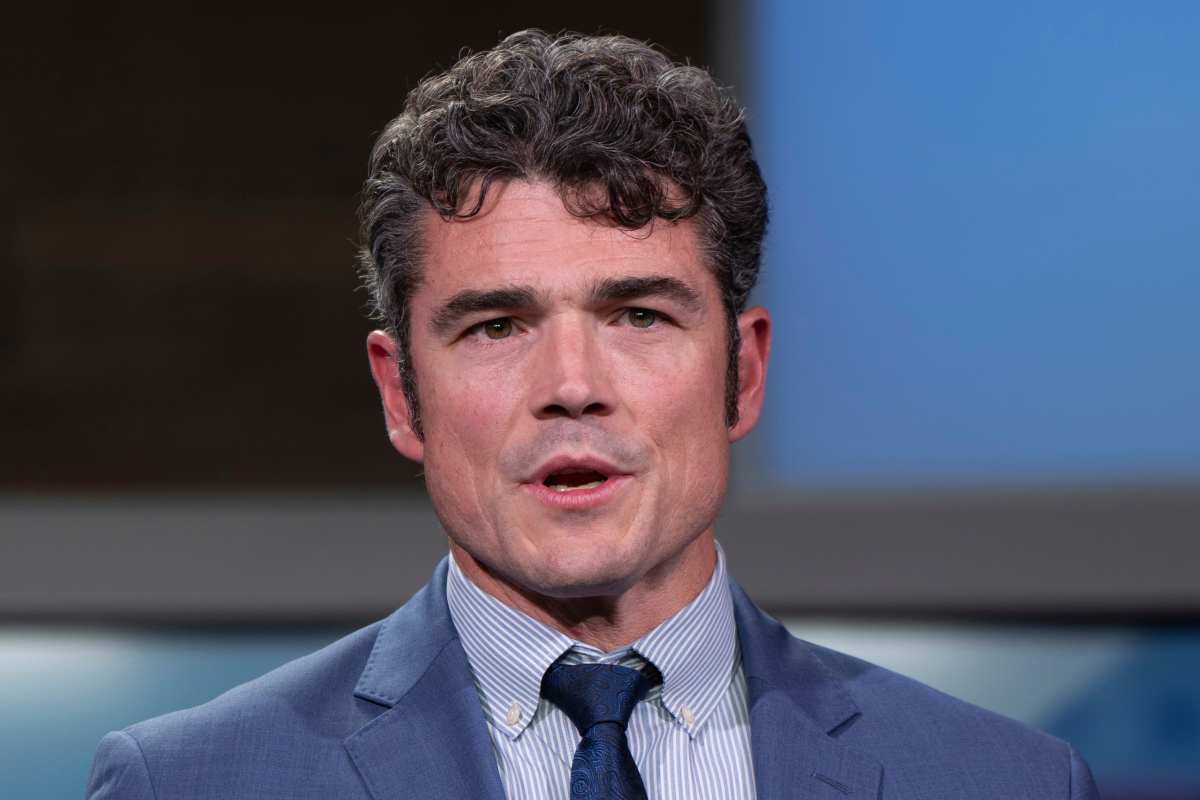
John Ratcliffe rejects claim Iran abandoned nuclear ambitions
During questioning from lawmakers, Ratcliffe said intelligence assessments indicated that Iran continued to pursue capabilities that could threaten US interests and allies.
Asked by Senator John Cornyn whether there was any indication that Iran had abandoned its nuclear ambitions or efforts to develop ballistic missiles, Ratcliffe said, "No, in fact, the intelligence reflects the contrary."
Cornyn then asked directly whether Ratcliffe disagreed with Kent’s assessment that Iran posed no imminent threat. "I do," Ratcliffe said.

Ratcliffe also addressed questions from Senator Angus King regarding the decision-making process behind US strikes on Iran.
He indicated that there was no single meeting where the decision was made, describing instead a series of ongoing discussions.
"Senator King, probably in dozens and dozens of briefings with the president, I don't know that there was a single meeting where there was a single time where a decision was made," Ratcliffe responded.
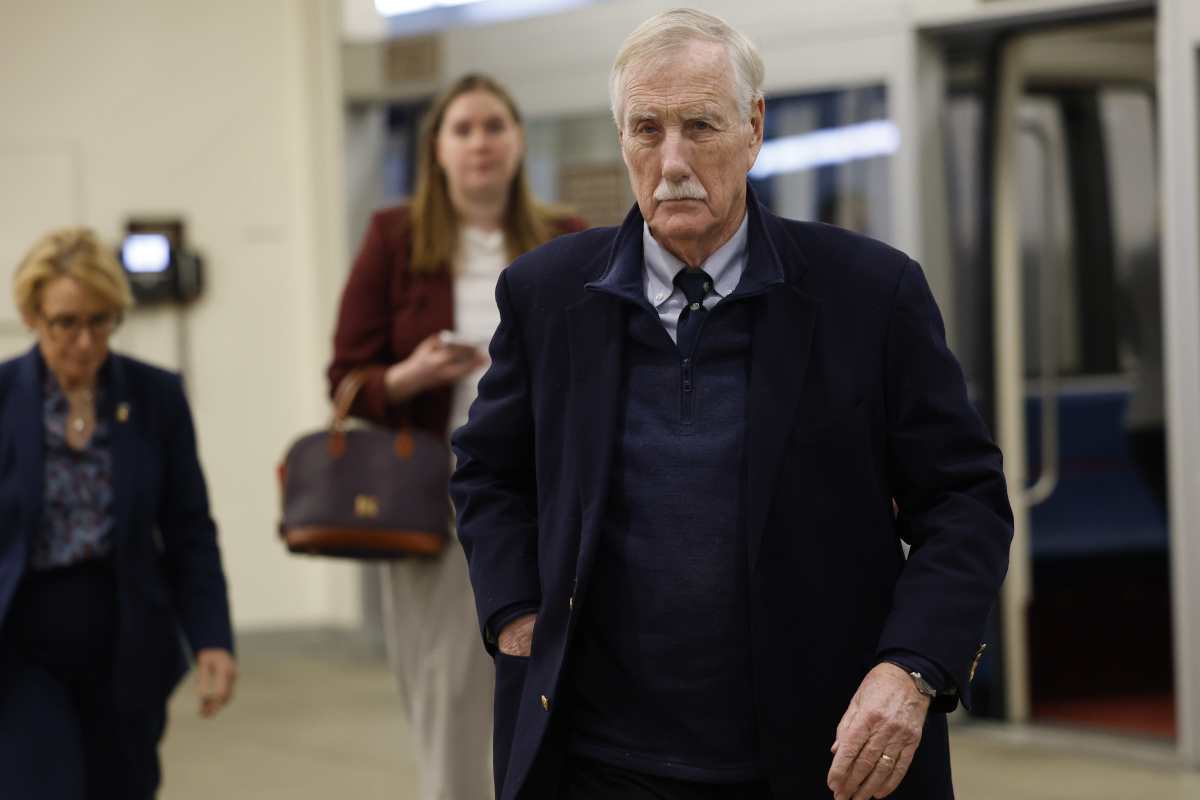
Pressed further about the period leading up to the strikes, Ratcliffe said there were "countless meetings with the president," adding that intelligence briefings were frequent.
He said the president "gets briefings constantly about intelligence" and estimated that he personally briefs the president "10 to 15 times a week."
Ratcliffe also pointed to specific intelligence indicating potential threats.
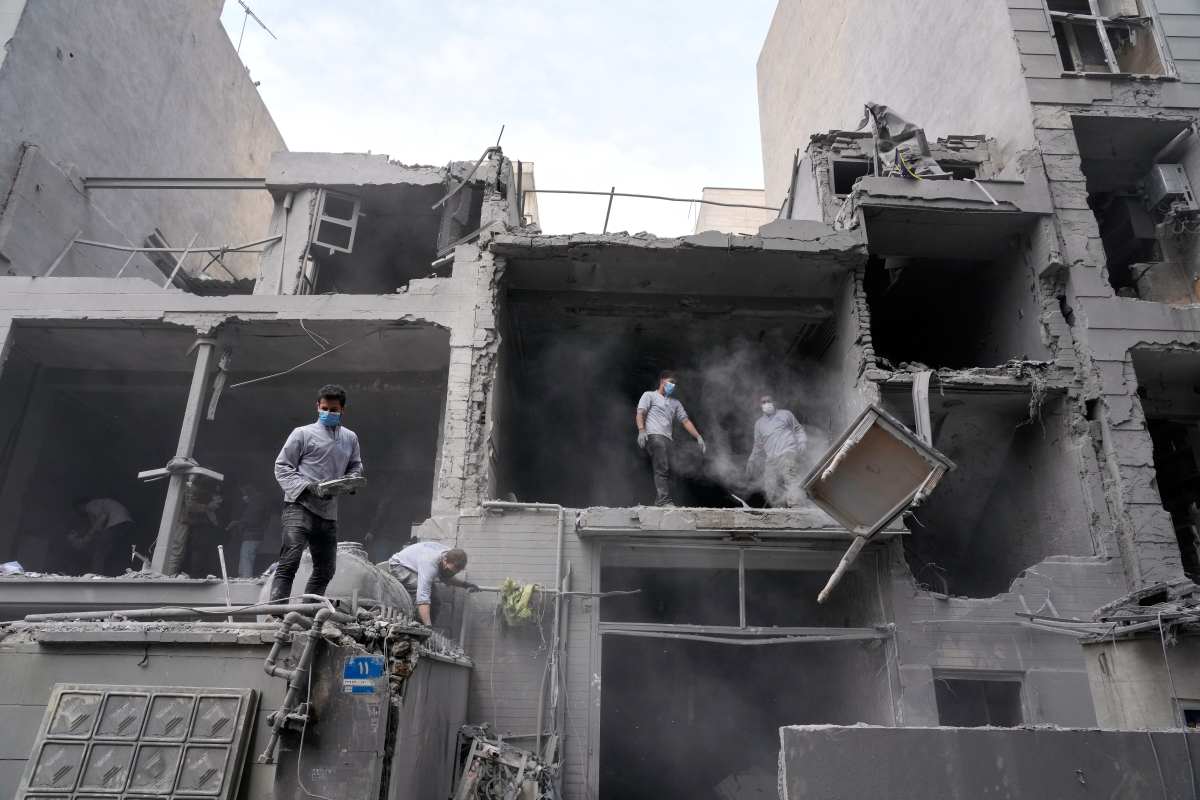
"What I can tell you is that Iran had specific plans to hit US interests in energy sites across the region, and that's why the Department of War and the Department of State took measures for force protection and personnel protection in advance of Operation Epic Fury," he said.
"I think that's what's most important," he added.
Joe Kent resigns citing disagreement with Iran war strategy
Joe Kent, who had been serving as director of the National Counterterrorism Center, resigned, effective Tuesday, citing disagreements with the administration’s handling of the Iran conflict.
In his resignation letter, Kent said he could no longer support the military campaign “in good conscience.”
Kent, who was nominated by President Donald Trump in February 2025 and confirmed by the Senate later that year, raised concerns about the justification for the military action.
After much reflection, I have decided to resign from my position as Director of the National Counterterrorism Center, effective today.
— Joe Kent (@joekent16jan19) March 17, 2026
I cannot in good conscience support the ongoing war in Iran. Iran posed no imminent threat to our nation, and it is clear that we started this… pic.twitter.com/prtu86DpEr
He stated that he did not believe Iran posed an imminent threat to the United States and questioned the intelligence and policy considerations guiding the operation.
“After much reflection, I have decided to resign from my position as Director of the National Counterterrorism Center, effective today,” Kent wrote.