National counterterrorism director Joseph Kent quits, calls Iran war 'manufactured'
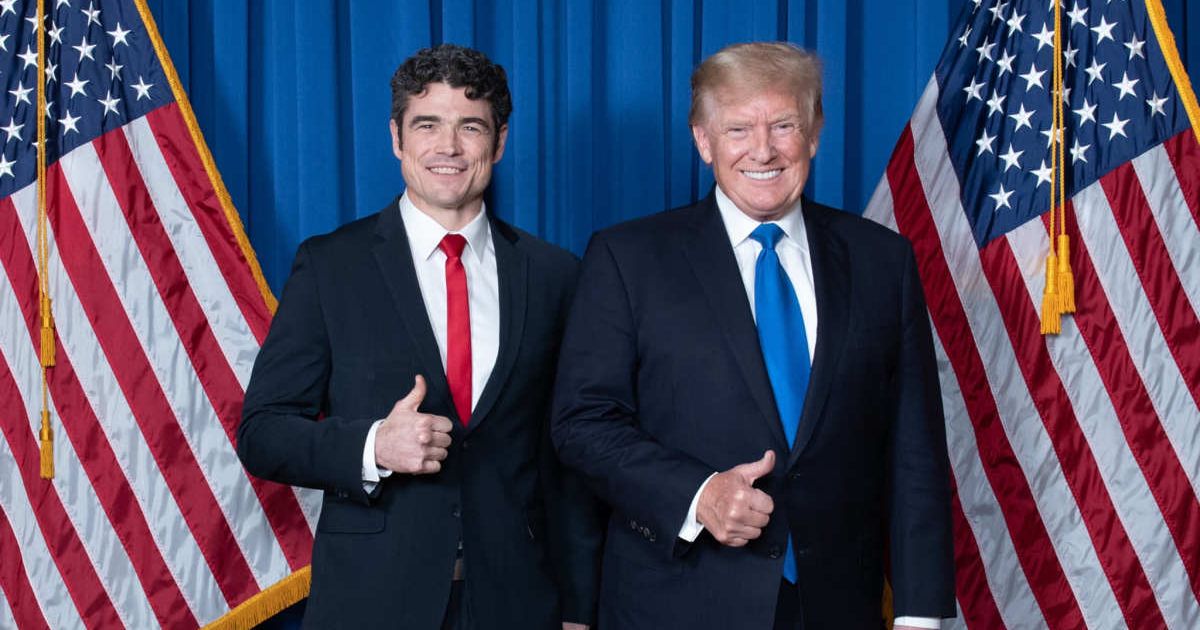
WASHINGTON, DC: Joseph Kent, Director of the National Counterterrorism Center, resigned from his post effective Tuesday, March 17, citing disagreements with the administration’s handling of the ongoing conflict in Iran.
In a resignation letter, Kent said he could no longer support the military campaign “in good conscience.”
Kent, who was nominated by President Donald Trump in February 2025 and confirmed by the Senate on July 30, wrote that he does not believe Iran poses an imminent threat to the United States.
After much reflection, I have decided to resign from my position as Director of the National Counterterrorism Center, effective today.
— Joe Kent (@joekent16jan19) March 17, 2026
I cannot in good conscience support the ongoing war in Iran. Iran posed no imminent threat to our nation, and it is clear that we started this… pic.twitter.com/prtu86DpEr
He raised concerns about the rationale behind the military action and questioned the intelligence and policy considerations guiding the operation.
Resignation cites pressure from foreign lobbies
In his letter, Kent alleged that external political and media pressures influenced the administration’s decision-making on Iran.
He said certain narratives had shaped internal assessments and contributed to support for military escalation.
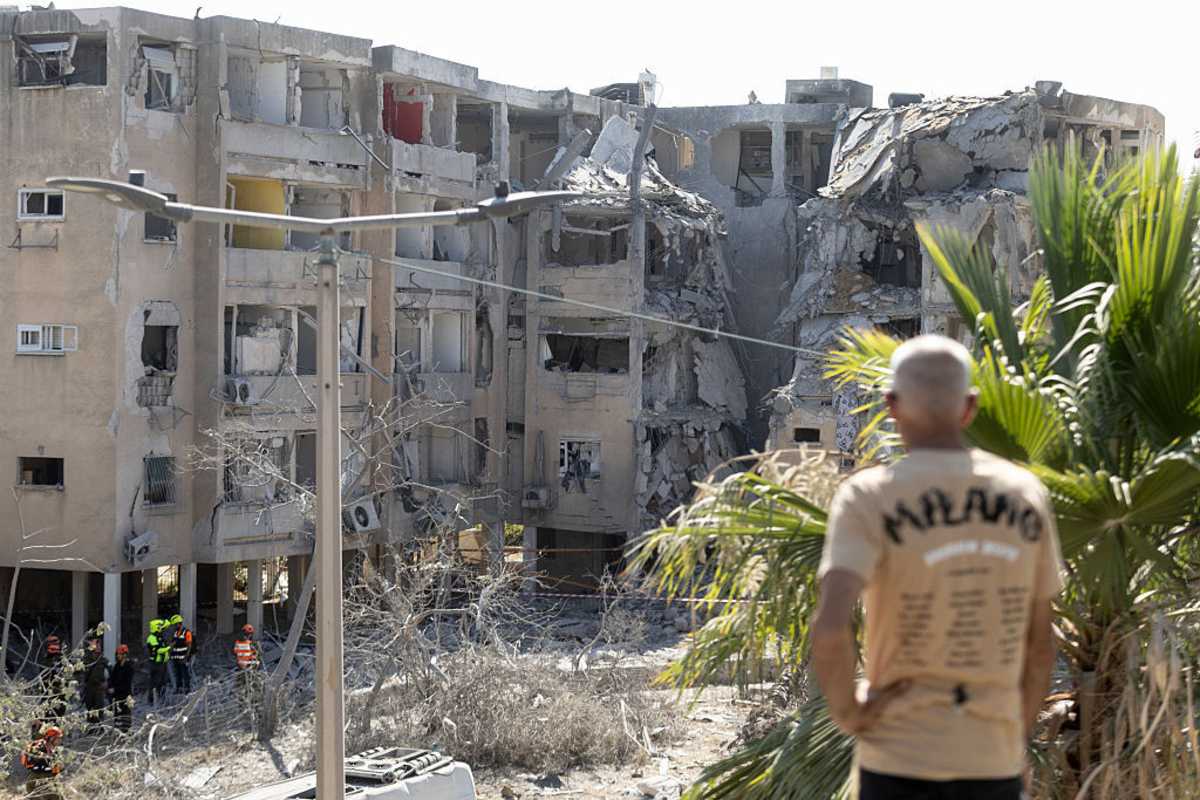
Kent also referenced concerns about the broader strategic framing of the conflict, comparing it to previous US military engagements in the Middle East.
He argued that policymakers should reassess the factors driving the current approach.
The former director noted that earlier policy positions had emphasized caution in entering extended overseas conflicts and said the current course represents a shift from that stance.
War described as trap for America
Kent, a combat veteran, highlighted the potential human and financial costs of continued military operations. He said the United States should carefully evaluate the long-term impact of the conflict and its implications for national interests.

In his resignation, he urged leadership to reconsider the trajectory of the war and assess whether continued engagement aligns with broader strategic goals.
Kent’s departure marks a high-level exit from the national security apparatus since the start of hostilities on February 26.
Administration maintains focus on security
The White House has not announced a replacement for Kent. Administration officials have continued to emphasize that military operations are aimed at addressing security concerns and maintaining regional stability.
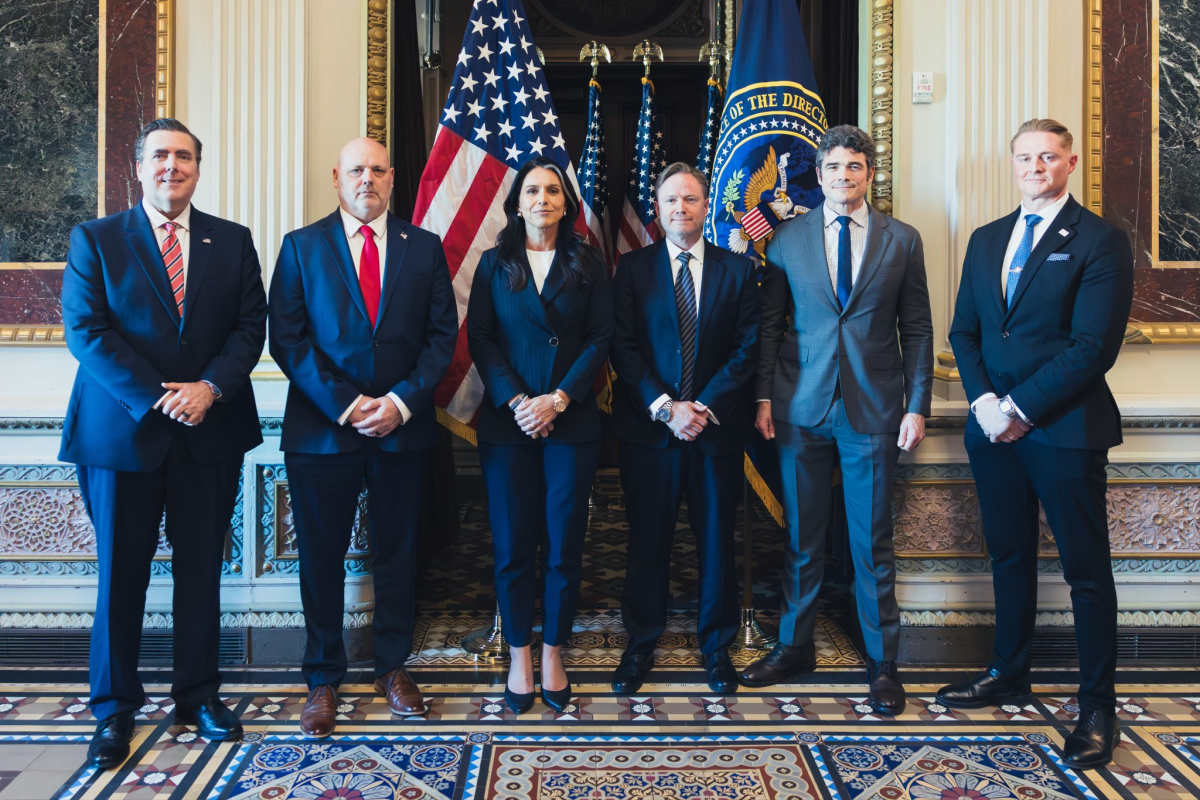
The resignation comes as the administration manages multiple developments, including ongoing military operations and domestic policy matters. Chief of Staff Susie Wiles continues to oversee White House coordination.
Kent’s exit adds to ongoing policy debates within Washington over the scope and direction of the current conflict.