Hassett defends 'strong' economy as 92,000 jobs vanish: 'Everybody's going to be able to find a job'

Kevin Hassett says the low jobs numbers are "something of a surprise" and blames them on the weather pic.twitter.com/UIw64oc4zb
— FactPost (@factpostnews) March 6, 2026
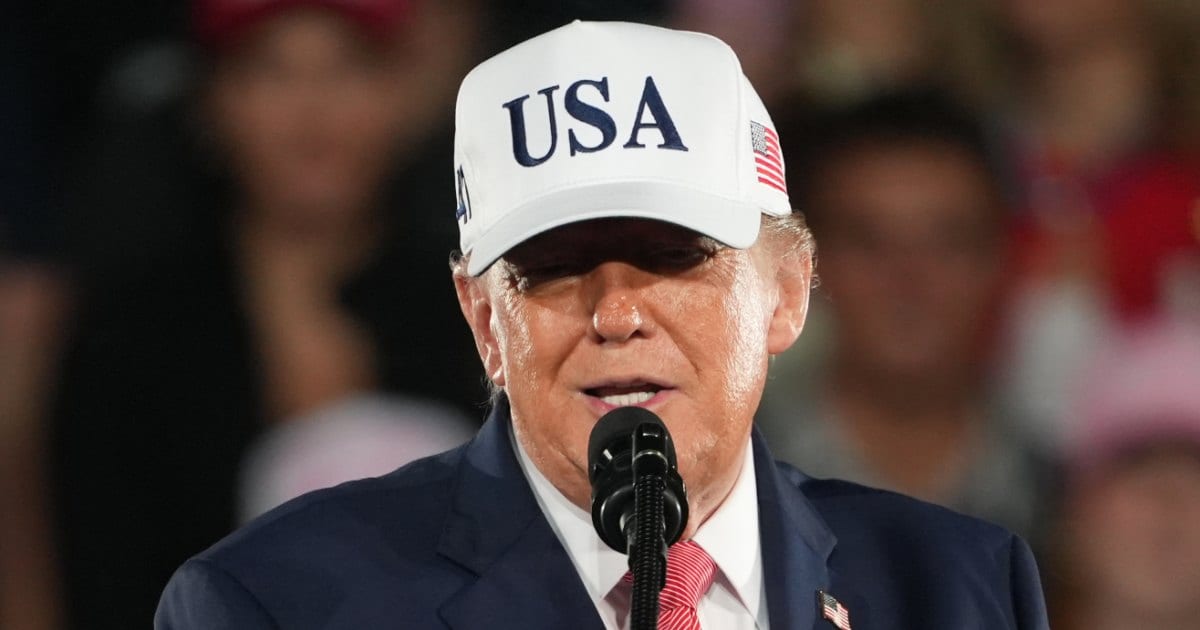
WASHINGTON, DC: National Economic Council Director Kevin Hassett defended the state of the American economy on Friday, March 6, characterizing it as "really strong" despite a troubling report from the Bureau of Labor Statistics.
The new data revealed that the US economy shed 92,000 jobs in February, a sharp contrast to the job gains economists had anticipated.
While Hassett acknowledged in a CNBC interview that the February report was "something of a surprise," he pointed to record-high productivity as a sign of underlying health. The unemployment rate edged upward to 4.4%, rising from 4.3% the previous month.
Labor market stalls as 92,000 jobs lost

Despite the headline loss of 92,000 positions, Hassett emphasized that the efficiency of the American workforce remained the primary strength. Economists had previously projected a modest gain of 60,000 jobs, but instead witnessed a near-freeze in the labor market.
Diane Swonk, chief economist at KPMG US, noted that the market appeared "slushy at best," as traditional drivers like health care faltered.
The health care sector, which typically anchors job gains, posted a loss of 28,000 jobs in February, a decline largely attributed to the Kaiser Permanente health care workers strike.
AI development to drive future employment

Director Hassett predicted that the rapid evolution of artificial intelligence would eventually serve as a catalyst for renewed economic growth.
Addressing concerns about displacement, he suggested that while people would need to "readjust what they're doing," the transition would ultimately lead to a surplus of activity.
"There will be so much activity that everybody’s going to be able to find a job that wants one," Hassett told CNBC.
This optimism comes at a time of heightened uncertainty related to AI and a new conflict in the Middle East that has already driven gas prices higher.
Strikes and weather distort February job numbers

Financial experts pointed to several one-time factors that likely skewed February’s results.
Beyond the 31,000-job hit from the mid-month healthcare strike, a severe cold wave across multiple states hindered sectors such as construction and hospitality. Construction alone saw a decline of 11,000 jobs.
While these distortions could provide a temporary boost to March’s report, economists remained wary of the broader trend.
The economy has now shed jobs in five of the last nine months, with total labor market losses reaching 19,000 since the announcement of major tariffs in May 2025.
Strong wage growth supports labor market foundation

Despite the steep payroll losses, some indicators suggested that the labor foundation was not fully deteriorating. Wage growth was stronger than expected, with a 0.4% monthly gain, bringing the annual rate to 3.8%, a figure that remains above the current rate of inflation.
Nicole Bachaud, an economist at ZipRecruiter, noted that the number of discouraged workers and those seeking part-time work for economic reasons declined.
These factors suggest that while hiring plans may be frozen due to uncertainty over tariffs and trade policy, the foundation beneath the labor market retains some resilience.