Energy secretary vows Navy escorts through Strait of Hormuz as fuel prices hit Trump-era high
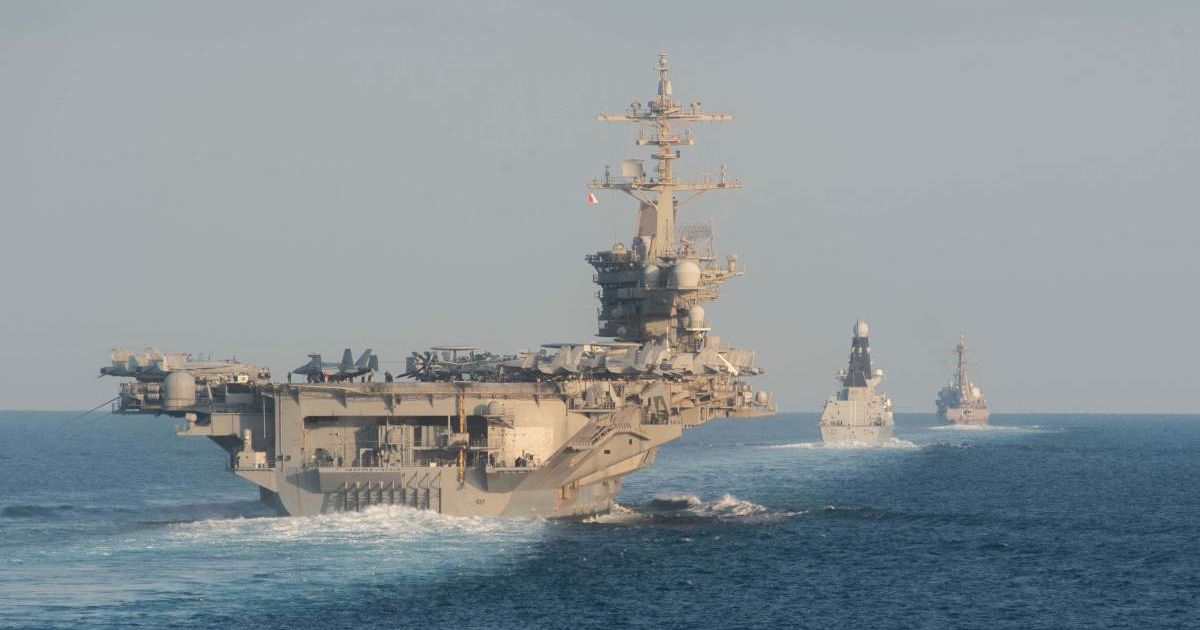
WASHINGTON, DC: The United States is preparing to escort commercial ships through the strategically vital Strait of Hormuz as tensions in the Middle East continue to disrupt global energy routes.
Energy Secretary Chris Wright said on Friday, March 6, that the US Navy could begin the escorts soon, once military resources currently engaged in regional operations are able to shift focus.
The narrow waterway, which connects the Persian Gulf to global shipping lanes, is one of the world’s most important routes for oil and energy supplies. Rising fuel costs in the United States have also begun to reflect the uncertainty surrounding the region’s shipping routes.
US Navy preparing escorts as shipping routes face disruption
According to Wright, naval escorts will begin once US military assets are able to divert attention from ongoing operations in the region.
The goal is to restore safe passage for vessels carrying energy supplies through the Strait of Hormuz, a chokepoint for global oil shipments.
“Right now, all the US military assets, and God bless the men and women of the United States military, all of their focus right now is to suppress Iran’s ability to wreak havoc on their neighbors and on Americans in the area,” Wright said.
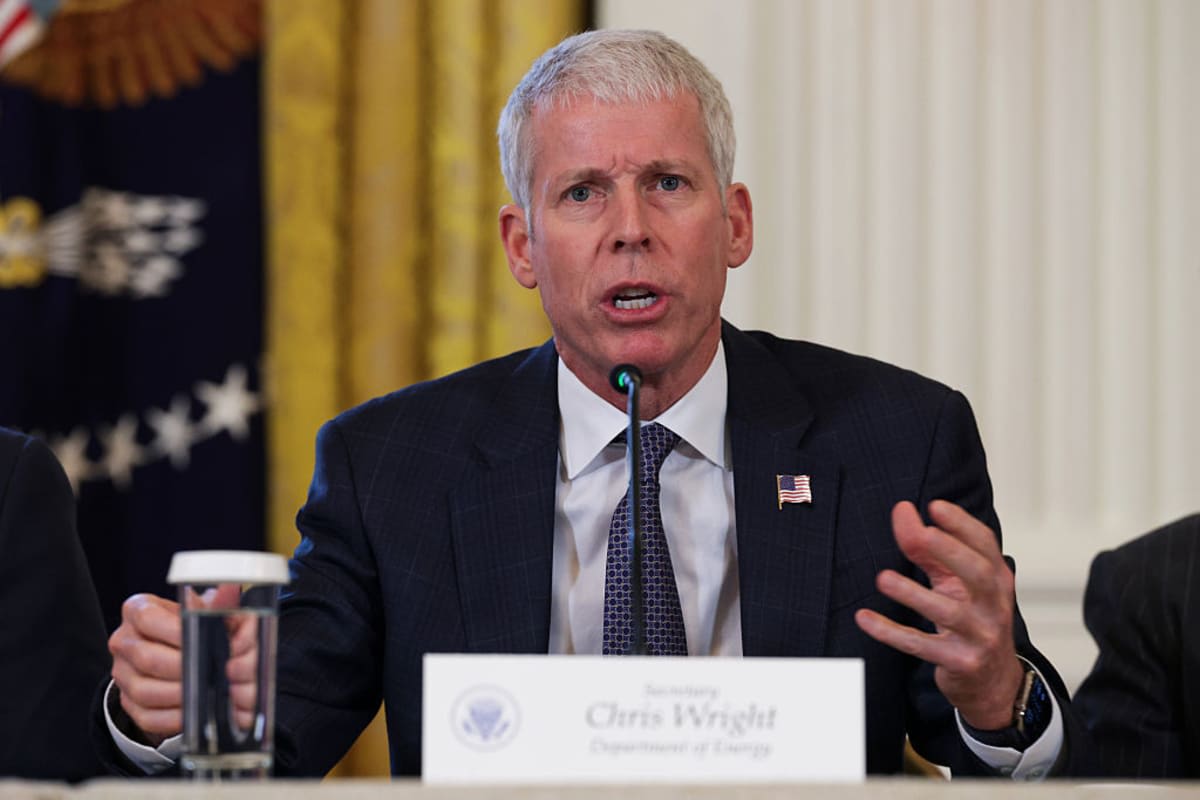
“So first, we’ve got to get their ability to cause trouble way down, and then as soon as it’s reasonable to do it, we’ll escort ships through the straits and get the energy moving again,” he added.
He said the escorts would begin “as quickly as we can,” suggesting the move could help stabilize shipping activity and energy flows.
Meanwhile, disruptions to maritime traffic are already being felt. Major shipping companies, including Maersk and Hapag-Lloyd, have suspended vessel transit through the Strait of Hormuz due to security concerns.
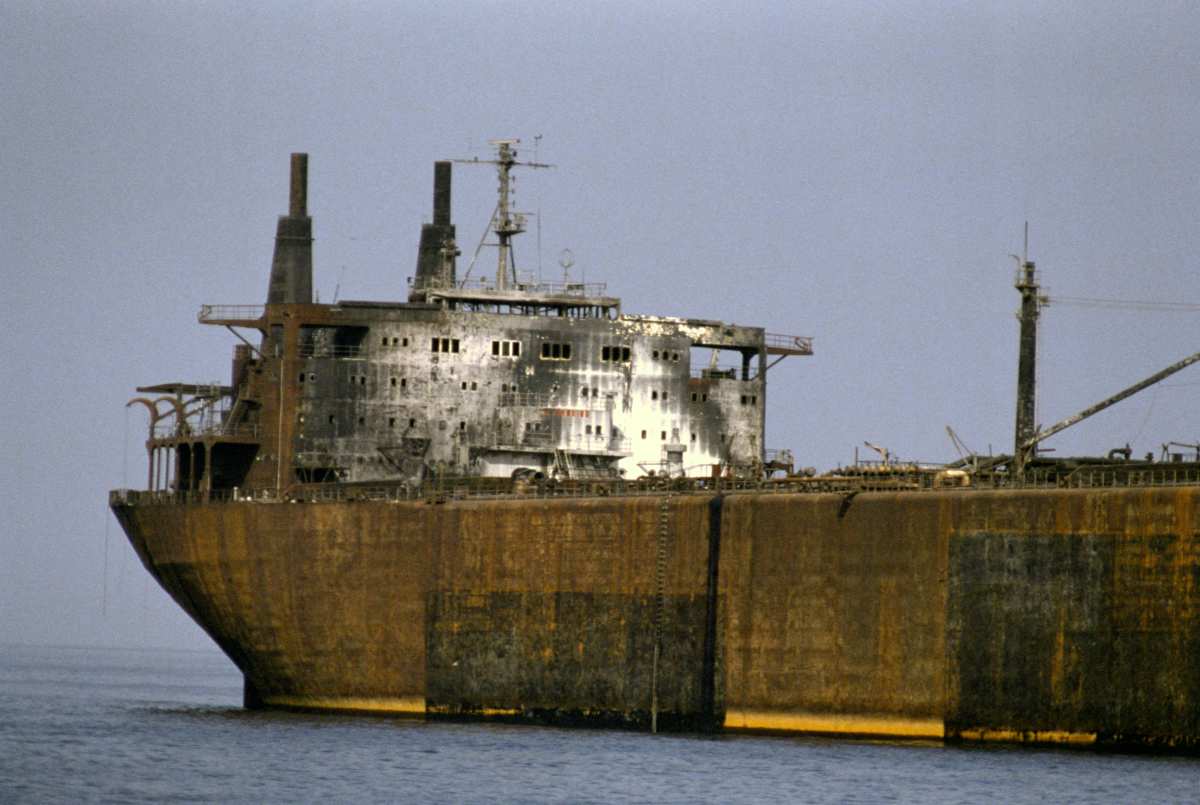
Maersk said it had been “closely monitoring the evolving security situation in the Middle East” and had decided to temporarily suspend several shipping services connecting Asia, the Middle East, and Europe.
The company said the decision was based on a risk assessment and aimed to “ensure the safety of our personnel and vessels while minimizing operational disruption across our wider network.”
Gas prices hit Trump-era high as oil markets tighten
The tensions have also pushed fuel prices higher in the United States. According to data from the American Automobile Association, the national average price for regular gasoline rose to $3.32 per gallon, marking the highest level recorded during either term of President Donald Trump.
The previous peak under Trump occurred in April 2025, when the national average reached $3.27 per gallon.
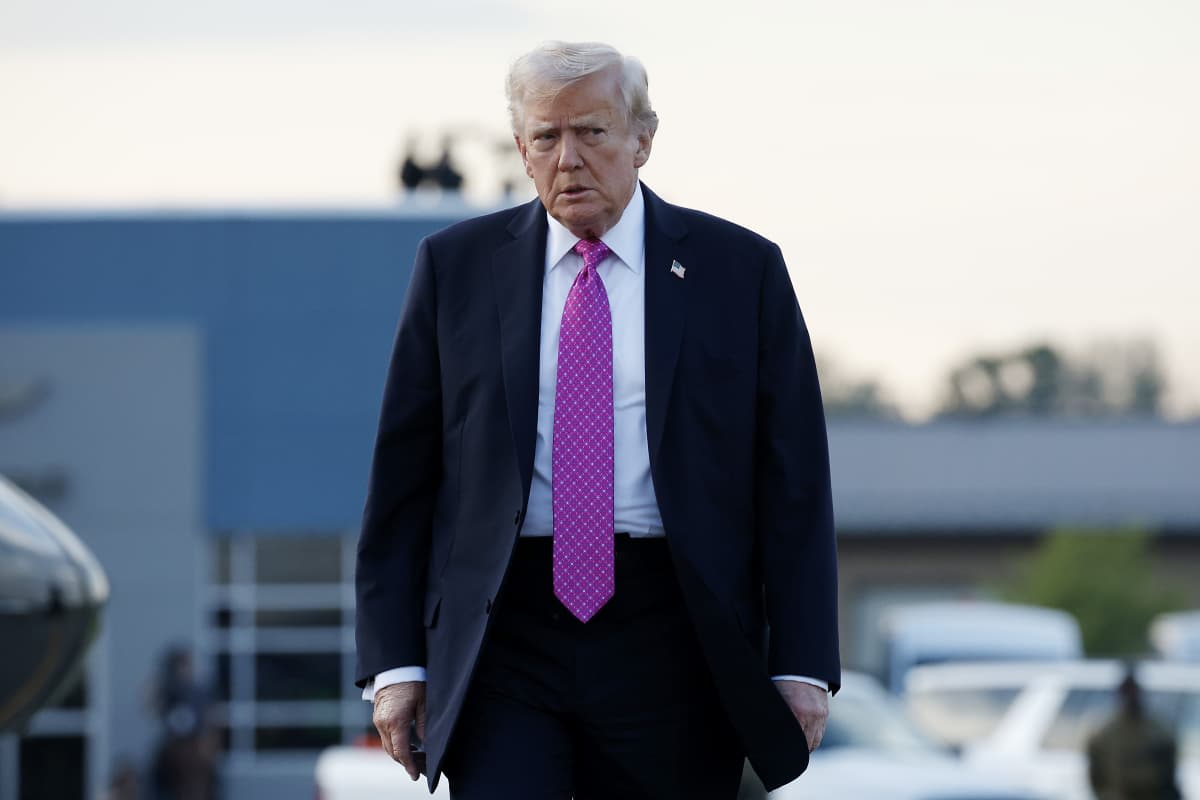
Additional production cuts may also accelerate price increases. JP Morgan commodities strategist Natasha Kaneva estimated that for every reduction of one million barrels of oil per day, global benchmark prices could rise by roughly $4.
Wright sought to reassure consumers that the spike in fuel costs would likely be temporary. “I think it’s a matter of weeks, not months,” he said, describing the situation as “a little bit of an interruption right now.”

The administration has also allowed India to purchase oil from Russia for 30 days to help stabilize global energy markets, which Wright described as a temporary measure aimed at preventing further supply disruptions.