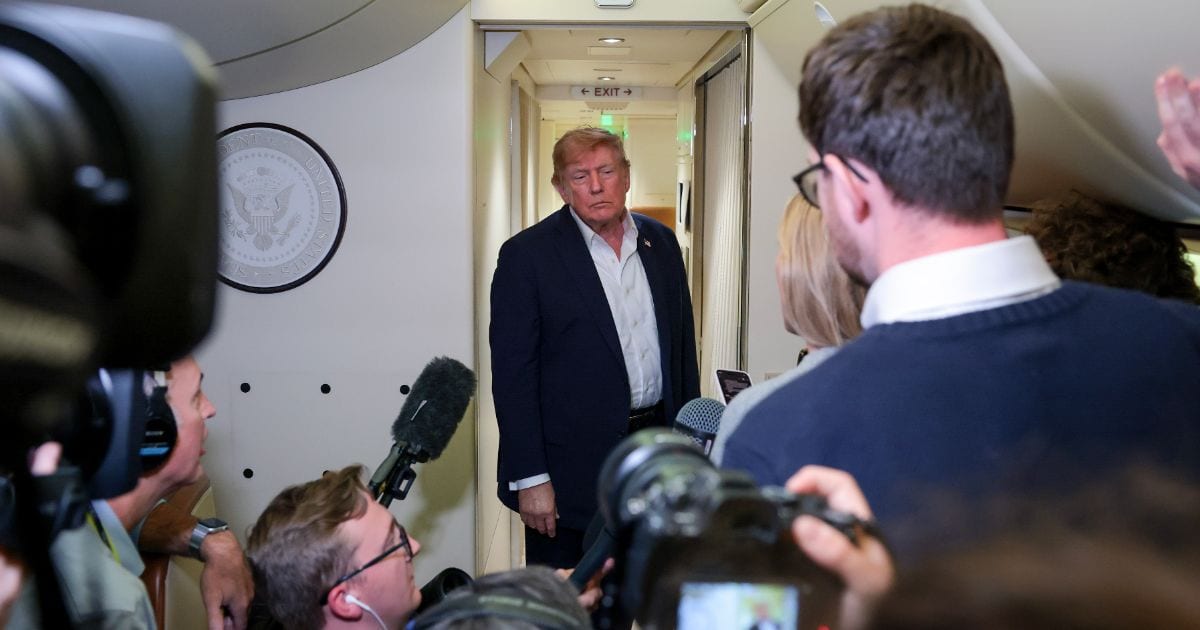
Trump threatens Iran with ‘force never seen before’ as US-Israel launch second wave strikes
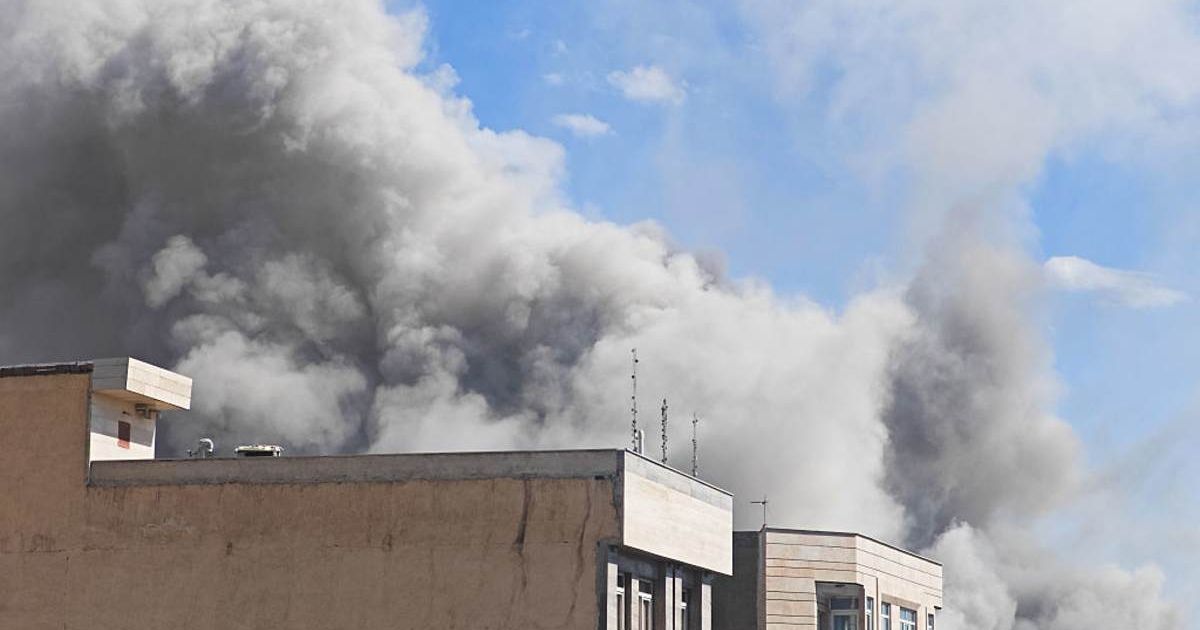
WASHINGTON, DC: The United States and Israel launched a fresh wave of intensive airstrikes across Iran on Sunday, March 1, the second day of a military campaign that has plunged the Middle East into a rapidly escalating conflict with no clear endgame.
The renewed violence came as rhetoric from Washington and Tehran hardened, pointing to the risk of further escalation in the hours and days ahead.
Explosions were reported across the Iranian capital, with plumes of smoke rising over central Tehran, amid what Israeli officials described as strikes aimed at dismantling Iran’s remaining air defenses.
Trump issues stark warning to Tehran
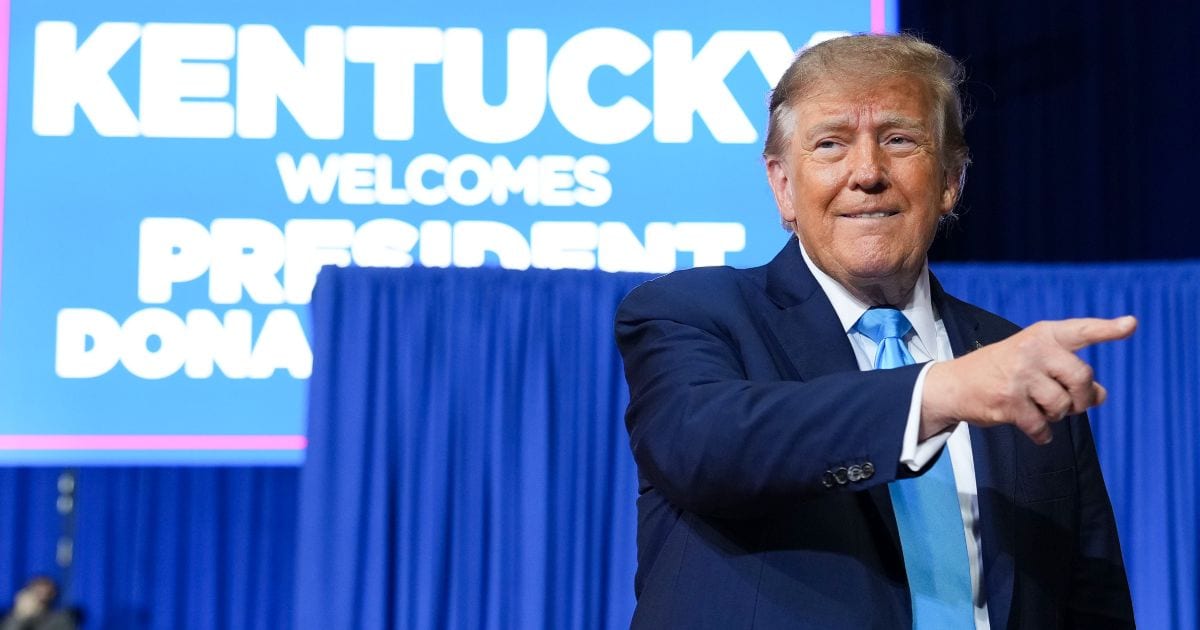
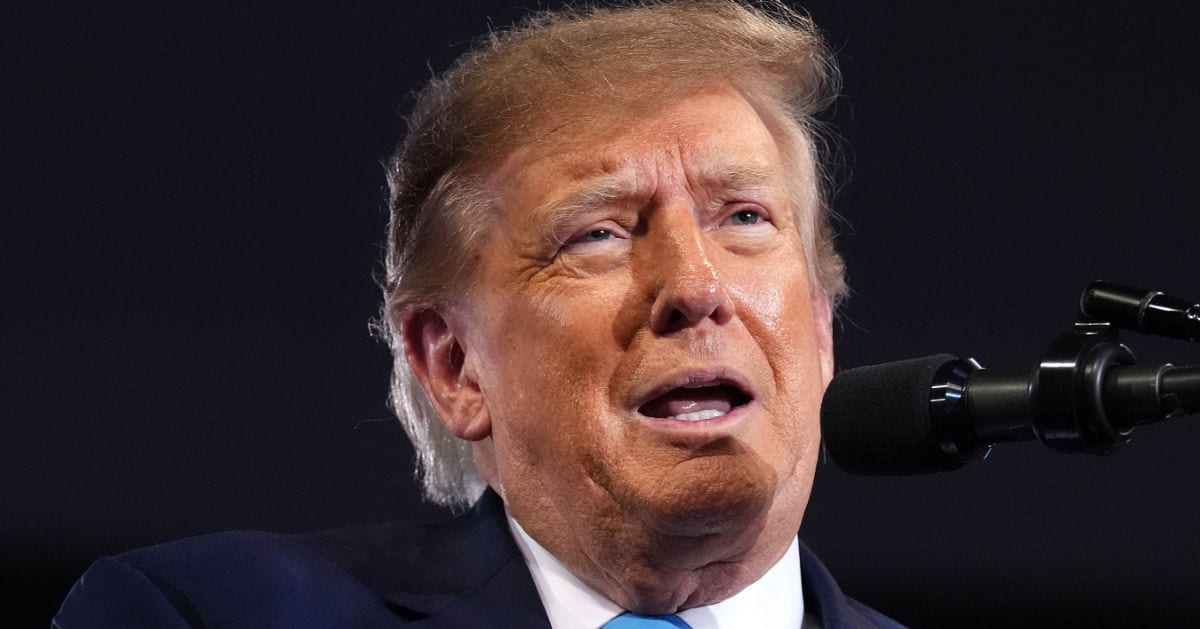
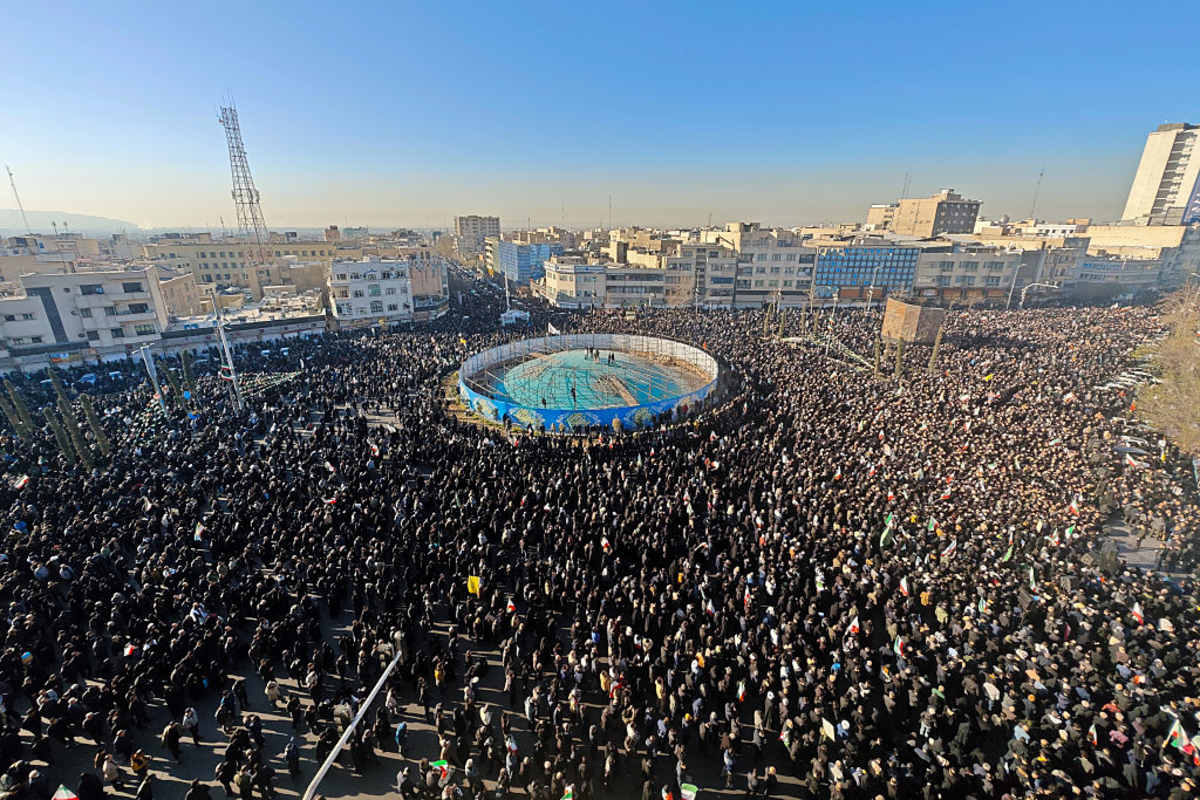
President Donald Trump warned Iran of overwhelming retaliation if it followed through on threats to respond militarily after the reported death of Iran’s Supreme Leader Ayatollah Ali Khamenei in an Israeli airstrike on Saturday.
“If they retaliate, they will be hit with a force that has never been seen before,” Trump said.
In an earlier social media post confirming the death of Iran’s supreme leader, Trump declared Khamenei “one of the most evil people in history” and said that he was killed after being unable to evade US and Israeli intelligence and tracking systems.
Trump said that the objective of the campaign, which began with missile barrages and airstrikes early Saturday, was regime change, urging “the Iranian people to take back their country.”
New strikes hit the heart of Tehran
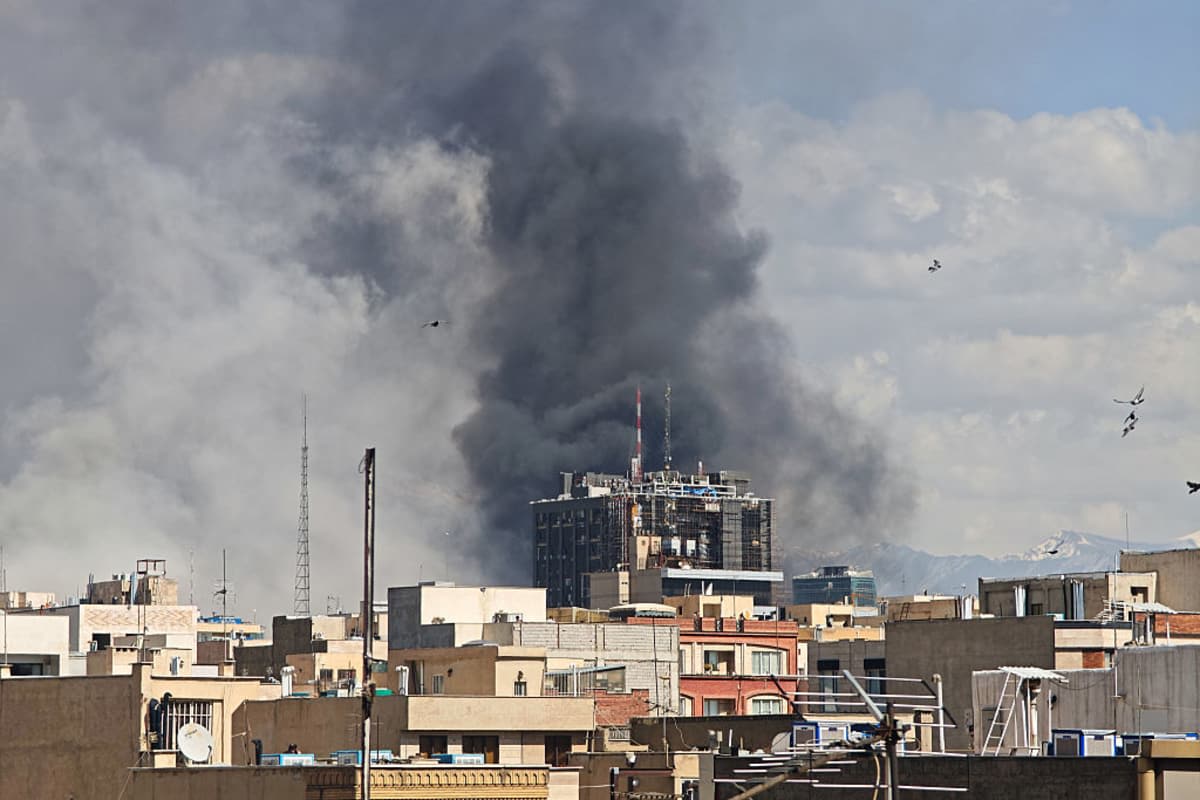
A massive blast rocked Tehran on Sunday morning, shaking the ground and sending a column of smoke into the sky.
The explosion appeared to have occurred near Iran’s police headquarters, state television offices, the Revolutionary Court and a defence ministry building.
The Israel Defense Forces said that its air force was striking “in the heart of Tehran,” focusing on destroying Iran’s air defence capabilities to ensure continued aerial dominance.
Iran’s Ambassador to the United Nations Amir-Saeid Iravani told an emergency UN Security Council meeting that hundreds of civilians were killed or injured in the joint US-Israeli attacks.
He accused the two allies of deliberately targeting civilian neighbourhoods across multiple Iranian cities.
Iranian retaliation spreads beyond Israel
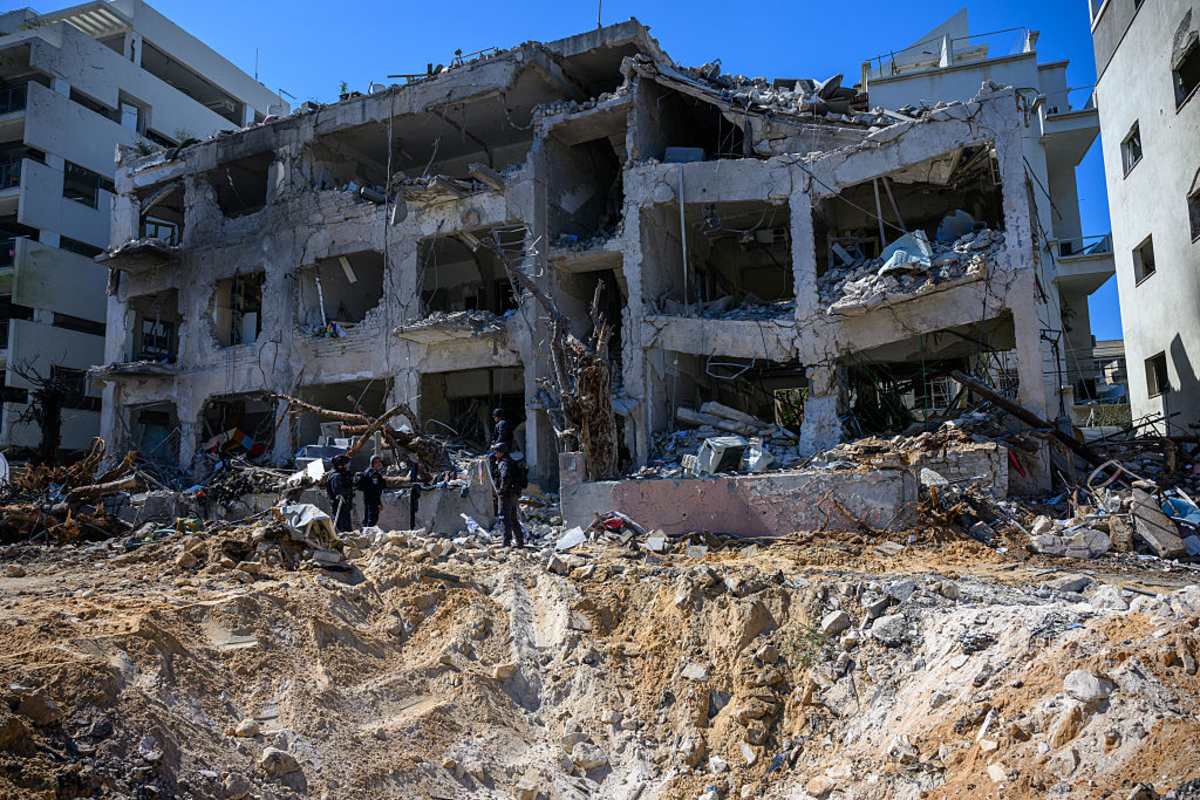
Iranian counterattacks targeted Israel as well as civilian infrastructure and US military facilities across the Gulf. Loud explosions were heard for a second consecutive day in Dubai and over Doha, according to witnesses.
White plumes from missile interceptions were visible over Dubai’s skies, while dark smoke billowed from its port area. The iconic Burj Al Arab and Dubai International Airport were damaged in overnight strikes. Airports in Abu Dhabi and Kuwait were also hit.
Dubai’s airport, the world’s busiest international travel hub, remained shut, triggering one of the most severe disruptions to global aviation in years as several major Middle East airports suspended operations.
Air raid sirens sound in Tel Aviv as oil route fears rise
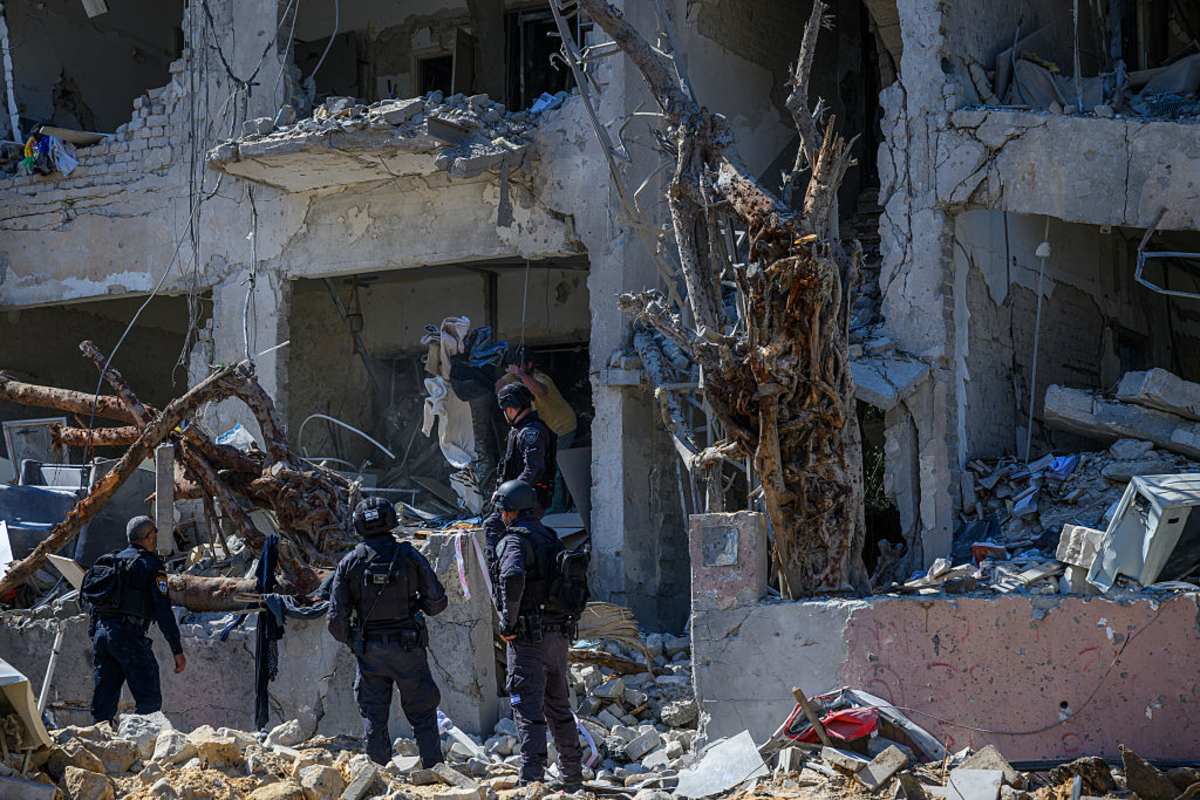
Air raid sirens sounded repeatedly across Israel early Sunday, with loud explosions reported in Jerusalem and Tel Aviv as Israel’s air defense systems intercepted incoming missiles.
Meanwhile, ships in the Gulf reported hearing radio broadcasts, purportedly from the Iranian navy, declaring that transit through the Strait of Hormuz was banned, a move that could send global oil prices sharply higher.
Authorities in Oman confirmed damage to at least one oil tanker, though responsibility was unclear. Analysts have long warned that a direct war with Iran could trigger global economic turmoil, particularly through energy markets.