Trump’s Iran strike were influenced by Saudi crown prince and Benjamin Netanyahu: report
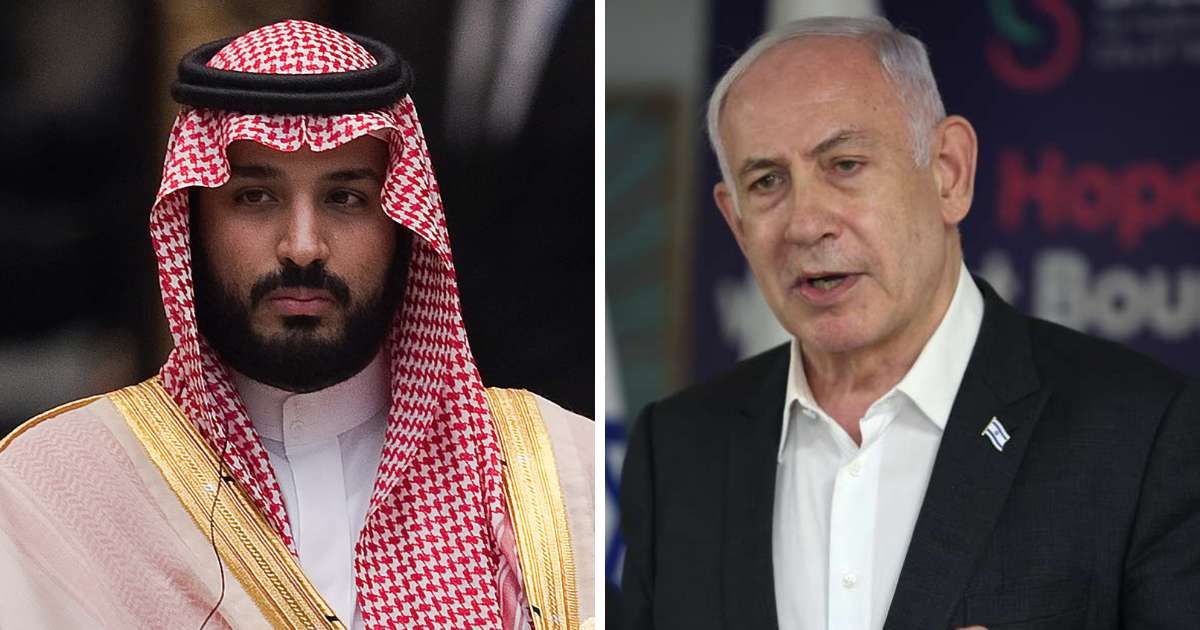
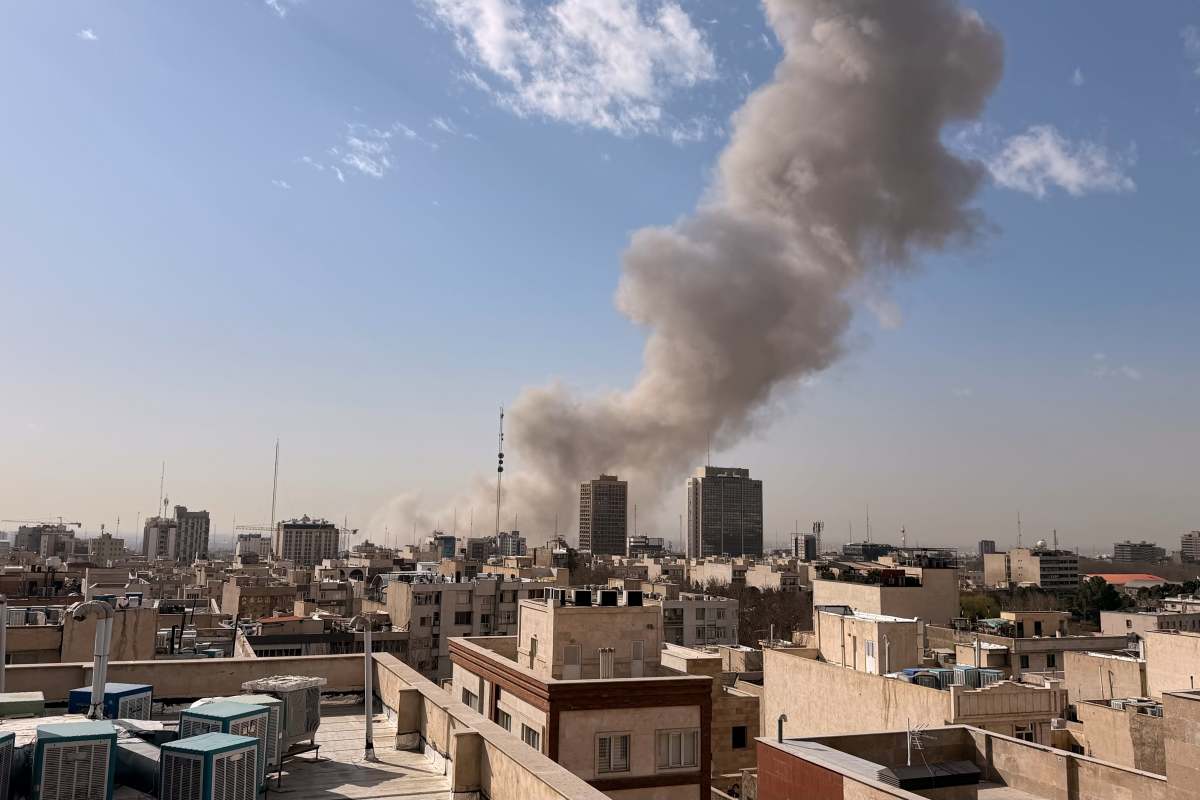
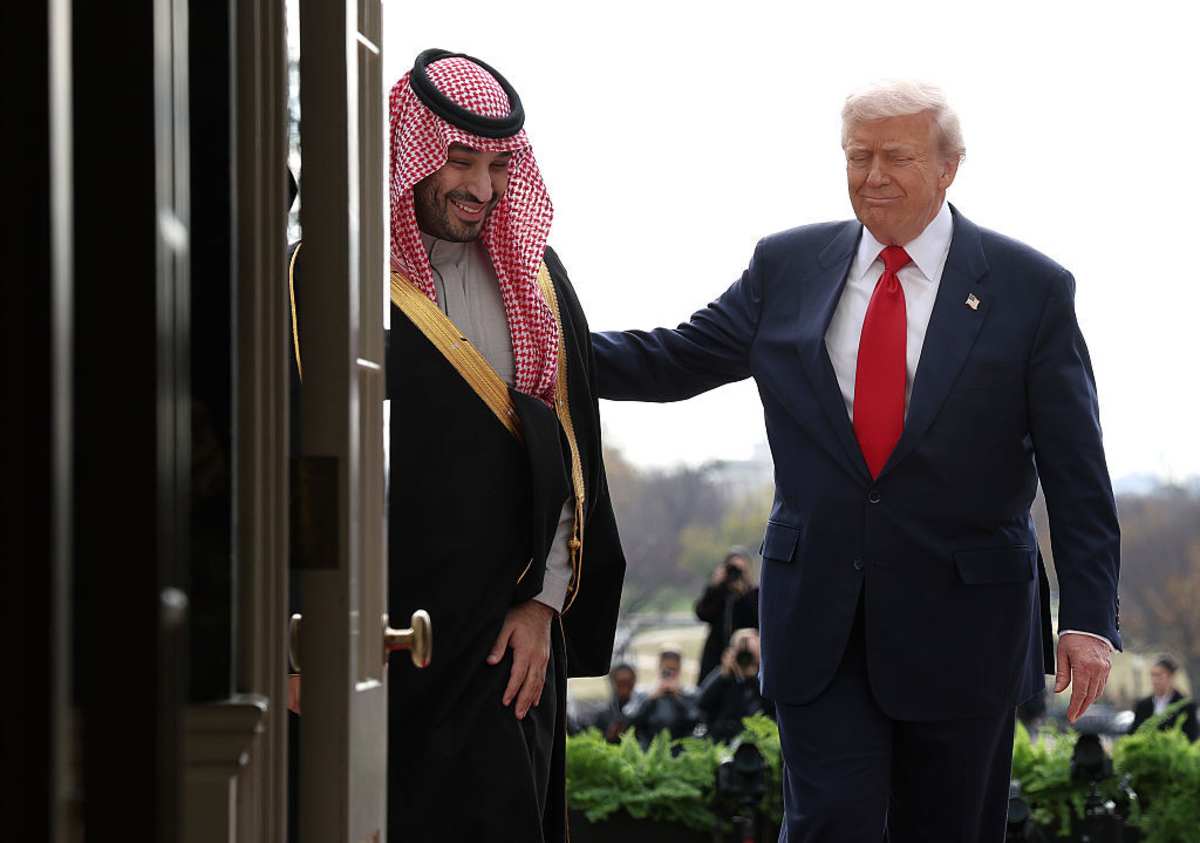
WASHINGTON, DC: President Donald Trump ordered a sweeping military campaign against Iran early Saturday in coordination with Israel, marking a dramatic shift in US foreign policy. According to a new report by The Washington Post, the decision followed weeks of lobbying by Saudi Crown Prince Mohammed bin Salman and Israeli Prime Minister Benjamin Netanyahu.
The strikes targeted Iran’s ballistic and nuclear missile facilities, as well as key elements of its political establishment, marking a significant departure from decades of restrained US engagement with the country.
MBS and Netanyahu’s lobbying behind the strikes
The Post, citing four sources familiar with the matter, reported that Trump’s decision to conduct the strikes came at the behest of MBS, who had been lobbying for weeks, alongside Netanyahu. The combined effort helped lead Trump to order what the report described as a massive aerial campaign against Iran’s leadership and military.
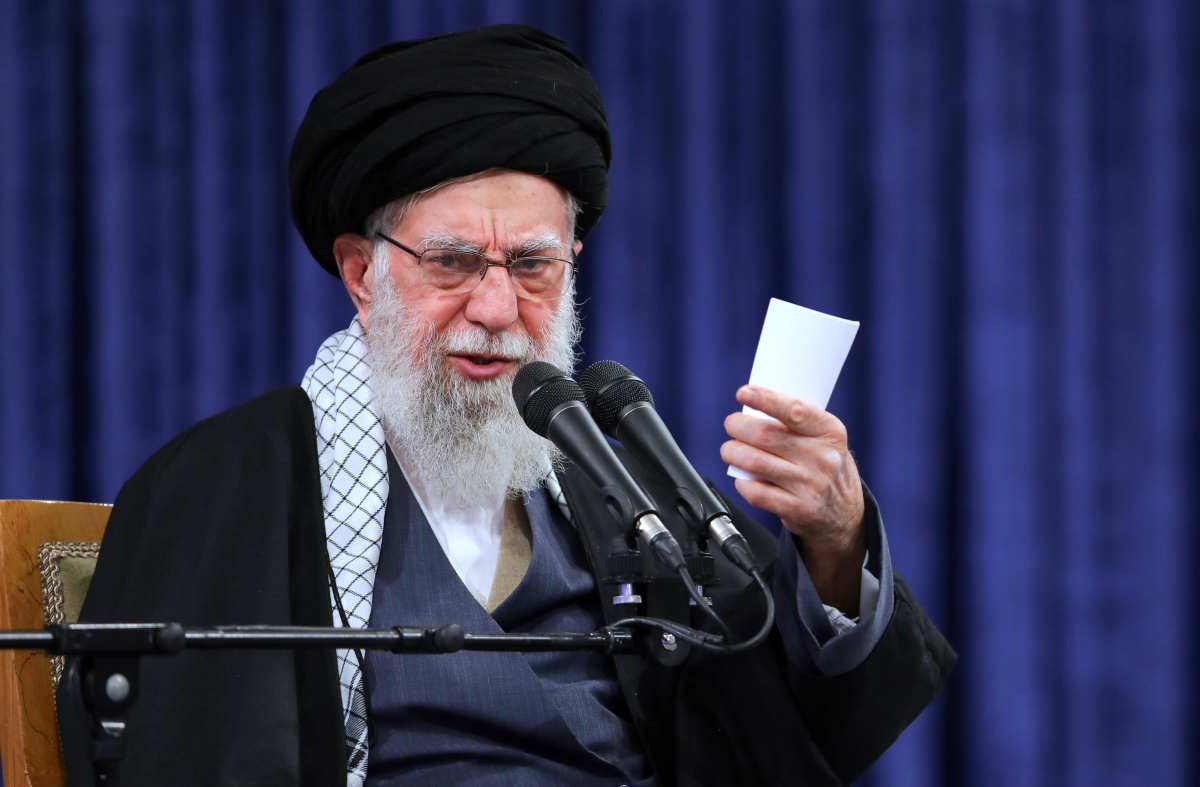
The combined effort helped "lead Trump to order a massive aerial campaign against Iran’s leadership and military, which in its initial hour led to the death of Ayatollah Ali Khamenei and several other senior Iranian officials," according to the report.
The report stated that the attack proceeded despite US intelligence assessments indicating that Iran’s forces were unlikely to pose an immediate threat to the US mainland within the next decade.
It further said, "Saturday’s attack on Iran was a break from decades of US decision-making to hold back from a full-scale effort to depose the regime of a country of more than 90 million people. It also marked a stark shift from Trump’s own previous military forays, which until now have been far narrower in scope."
Trump strikes on Iran and international reaction
The operation sparked protests across both countries and led to a tense exchange between the United Nations ambassadors representing the United States and Israel. “I advise to the representative of the United States to be polite,” Iranian Ambassador to the UN Amir Saeid Iravani said at the meeting.
He further stated, “It would be better for yourself and the country you represent.”
His counterpart, US Ambassador Mike Waltz, replied, “Frankly, I am not going to dignify this with another response, especially as this representative sits here in this body representing a regime that has suppressed thousands of its own people and imprisoned many more simply for wanting freedom from your tyranny.”

At the meeting, UN Secretary-General Antonio Guterres similarly said further escalation must be prevented, “The alternative, is a potential wider conflict with grave consequences for civilians and regional stability.”