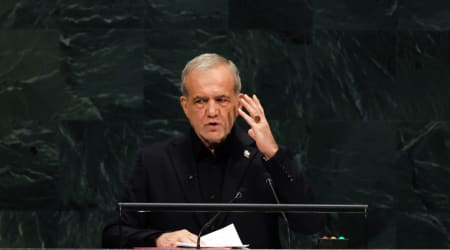
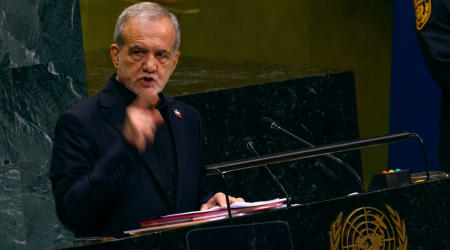
US cautions Iran on naval drills near forces as Trump considers military response
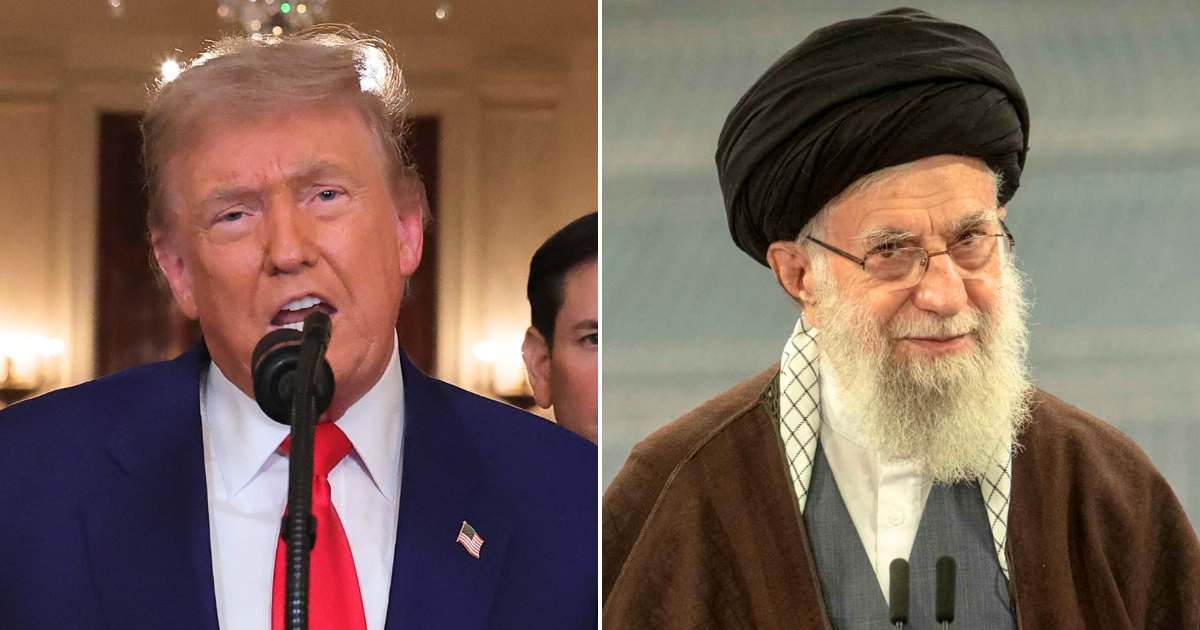
WASHINGTON, DC: The United States warned Iran on Saturday, January 31, against conducting live-fire military exercises close to US forces, after Tehran announced naval drills in the Strait of Hormuz, a strategic waterway that carries about 20% of the world’s oil supply.
Iran said that its Islamic Revolutionary Guard Corps (IRGC) was carrying out a two-day live-fire naval exercise in the strait, a move that came amid a heightened US military presence in the region.
The drills coincided with the arrival of additional US Navy vessels, part of what President Donald Trump this week described as a “massive armada,” which he said could act against Iran “with speed and violence, if necessary.”

US Central Command issues warning to Iran
In a statement, US Central Command said that it would not tolerate unsafe or unprofessional behavior by Iranian forces.
“We will not tolerate unsafe IRGC actions including overflight of US military vessels engaged in flight operations, low-altitude or armed overflight of US military assets when intentions are unclear, high-speed boat approaches on a collision course with US military vessels, or weapons trained at US forces,” the statement read.
While acknowledging Iran’s right to operate in international waters and airspace, Central Command warned that unsafe conduct near US forces, regional partners or commercial shipping could increase the risk of collision and escalation.
Trump weighs military options as diplomacy stalls
Tensions between Washington and Tehran intensified following Iran’s violent crackdown on nationwide protests, which reportedly left thousands dead.
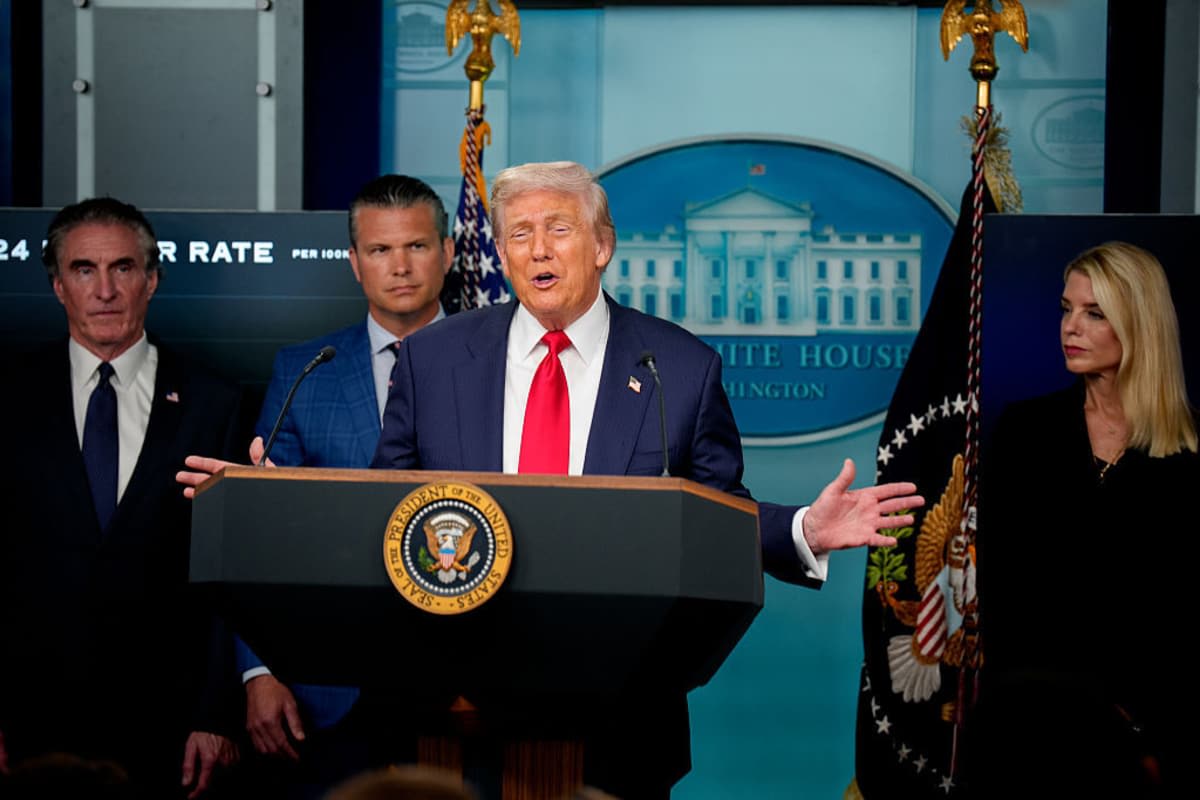
Trump publicly called for regime change while also urging Iran to strike a deal addressing concerns over its nuclear program.
The New York Times reported on Friday that Trump had been presented with a range of military options, including potential raids on targets inside Iran, citing multiple US officials.

Port call underscores strategic regional commitment
A US Navy destroyer, the USS Delbert D Black, made a port visit to the southern Israeli city of Eilat on Friday. The vessel is one of six US destroyers currently deployed in the Middle East, alongside an aircraft carrier and three other combat ships.
Israeli media reported that the port call was pre-planned and part of routine military cooperation between the United States and Israel.

Regional powers push to calm tensions
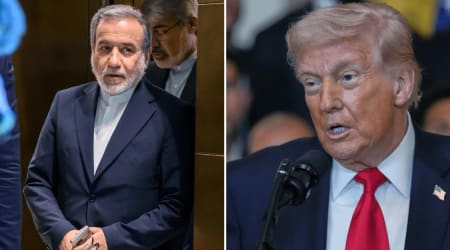
Despite the military posturing, diplomatic efforts to de-escalate tensions continued. Iranian Foreign Minister Abbas Araghchi said on Friday that Tehran was open to resuming negotiations, provided they were “fair and equitable” and excluded Iran’s defense capabilities.
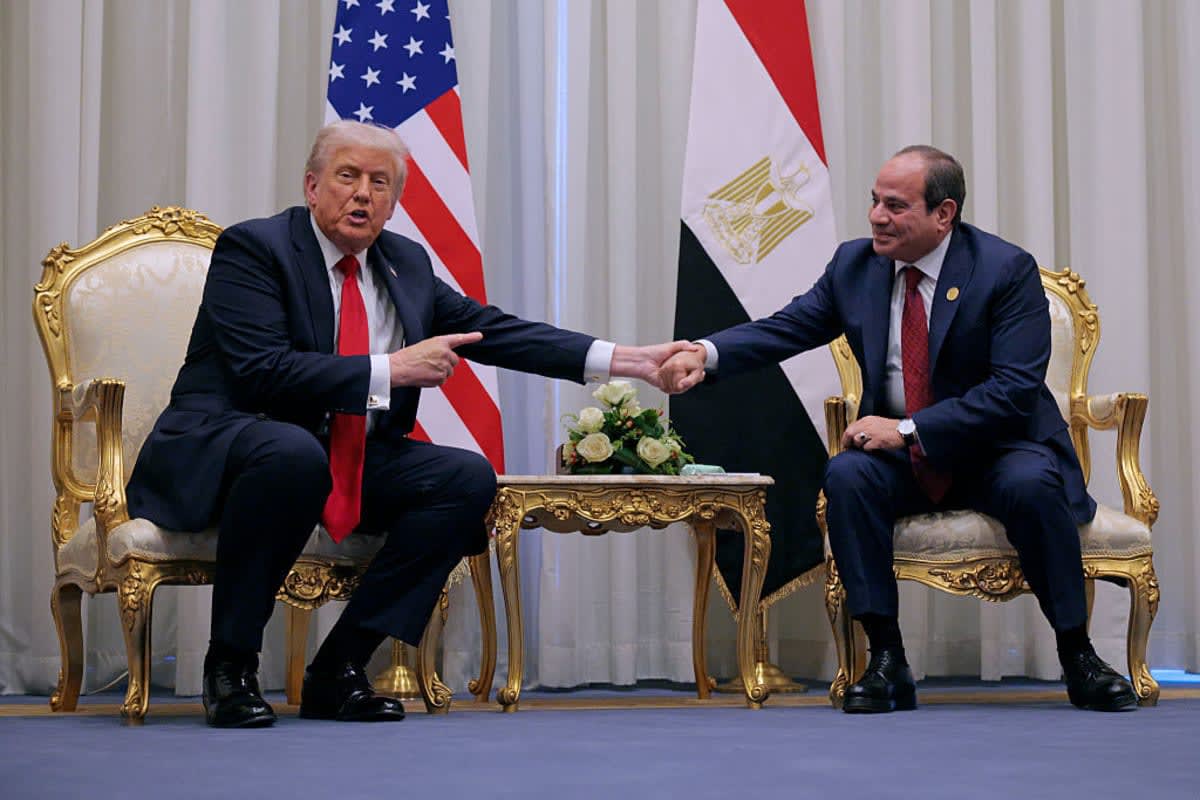
Egypt said on Saturday that Foreign Minister Badr Abdel-Aty had spoken with counterparts from Iran, Turkey and Oman, as well as US Special Envoy Steve Witkoff and Qatar’s prime minister, in what Cairo described as “serious efforts” to reduce tensions.
Egypt’s foreign ministry said that sustained communication could help bring Washington and Tehran back to the negotiating table to reach a “peaceful and consensual settlement.”
Turkey also opposed any military action against Iran, warning that it would destabilize the region.
President Recep Tayyip Erdogan’s office said that he had offered to act as a “facilitator” between Iran and the United States during a phone call with Iranian President Masoud Pezeshkian.
Saudi Arabia and the United Arab Emirates meanwhile ruled out allowing their airspace or territory to be used for attacks on Iran.