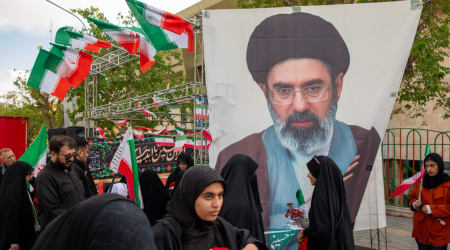
Araghchi declares 'open' door on Hormuz as countries quietly approach Tehran for safe passage
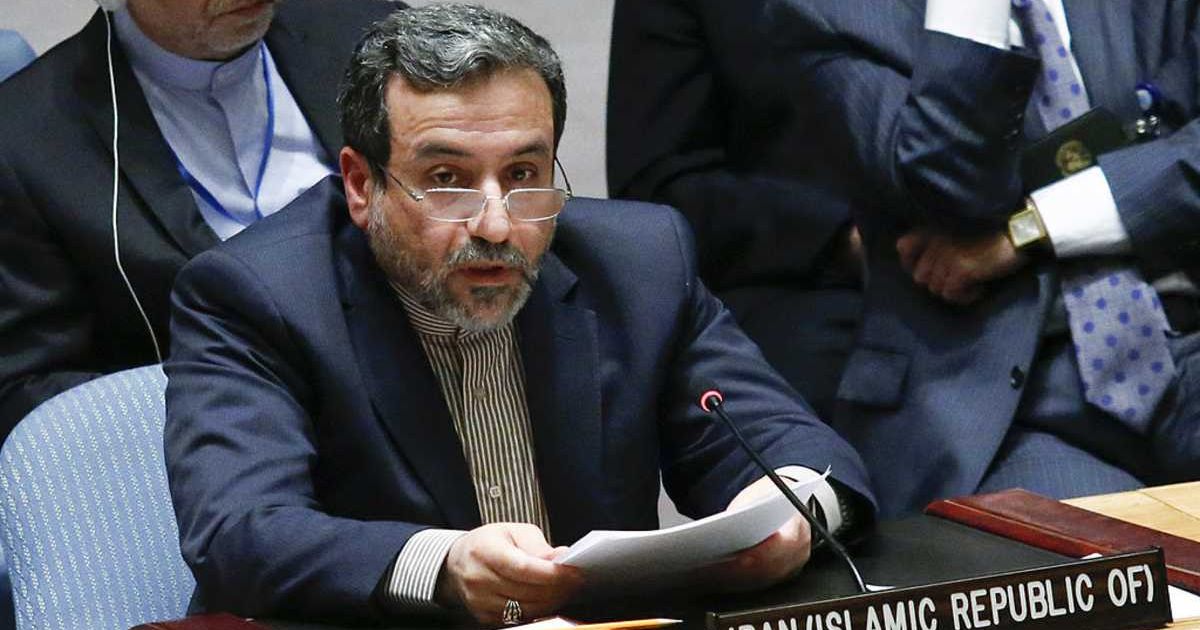
Iran's Foreign Minister Abbas Araghchi disputed Donald Trump's claim that Tehran sought talks, saying, 'We never asked for a ceasefire'
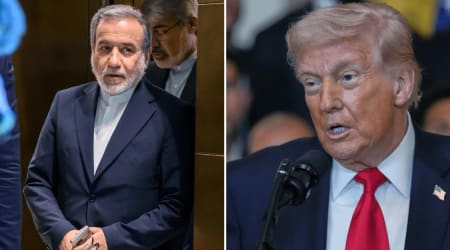
Iranian Foreign Minister Abbas Araghchi said several countries had approached Tehran to discuss safe passage for vessels through the Strait of Hormuz amid rising regional tensions (Eduardo Munoz Alvarez/Getty Images)

TEHRAN, IRAN: Iranian Foreign Minister Abbas Araghchi said on Sunday, March 15, that several countries had contacted Tehran to discuss the possibility of safely navigating vessels through the Strait of Hormuz amid ongoing regional tensions. 

The comments come as concerns grow over disruptions to the key global energy route following the outbreak of conflict involving Iran, the United States and Israel.

The Strait is one of the world’s most important shipping corridors for oil and gas supplies. Iranian officials say they are open to discussions with countries seeking assurances that their ships can safely pass through the waterway.
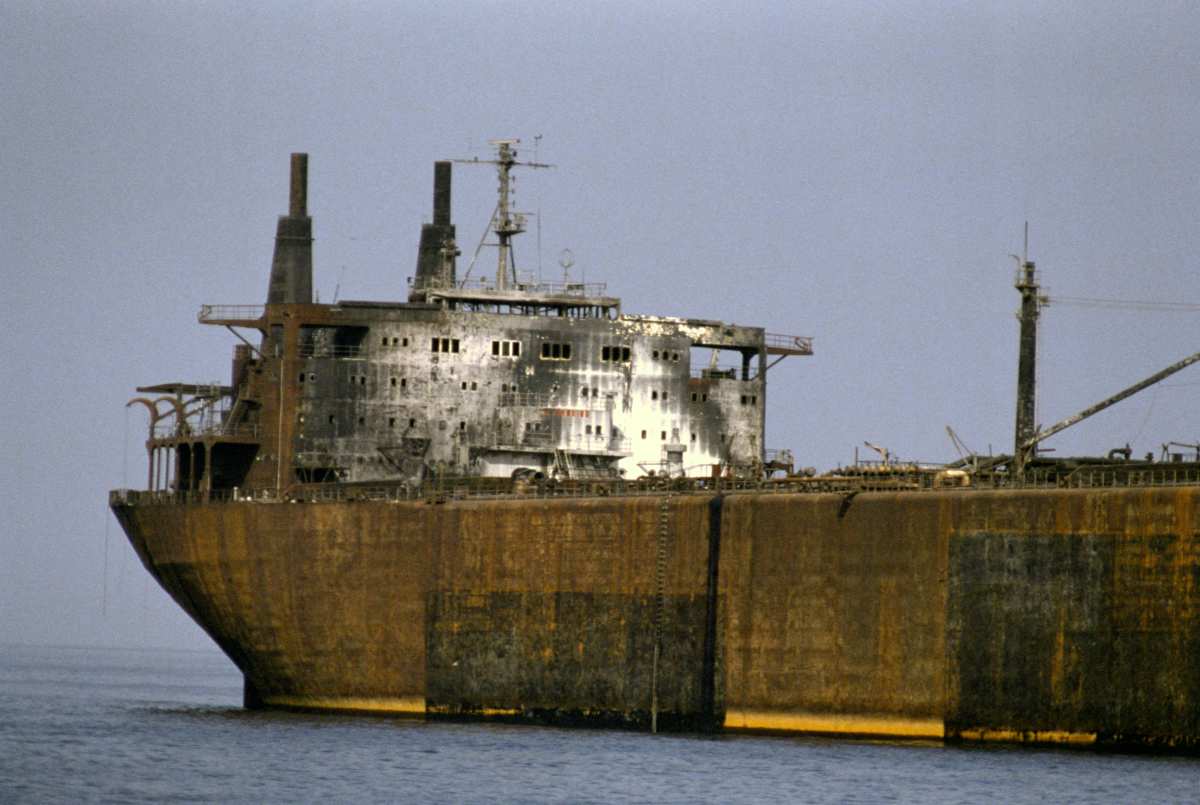
Oil supertankers, fast speedboats and oil installations anchored at the Bandar Abbas Anchorage, in the Straits of Hormuz, bridging the Persian Gulf and the Gulf of Oman - one of the most important waterways for the export of petroleum, from which 20% of the world's petroleum production passes through the narrow straits, accessing Iran's premier maritime gateway of Bandar Abbas Port, Iran, 1988. It is also a major choke point subject to increased security monitoring and activity during regional tensions. (Photo by Barry Iverson/Getty Images)
Oil supertankers, fast speedboats and oil installations anchored at the Bandar Abbas Anchorage, in the Strait of Hormuz (Barry Iverson/Getty Images)

Abbas Araghchi says nations approached Iran over ship security

Speaking with CBS News, Araghchi said Iran is willing to hold discussions with governments that want their vessels to travel safely through the Strait of Hormuz.

Asked whether Iran could again allow oil and gas tankers to move through the narrow maritime corridor, the foreign minister said the country was open to negotiations with states that want security guarantees.

“We are open to countries who want to talk to us about the safe passage of their vessels,” Araghchi said. 
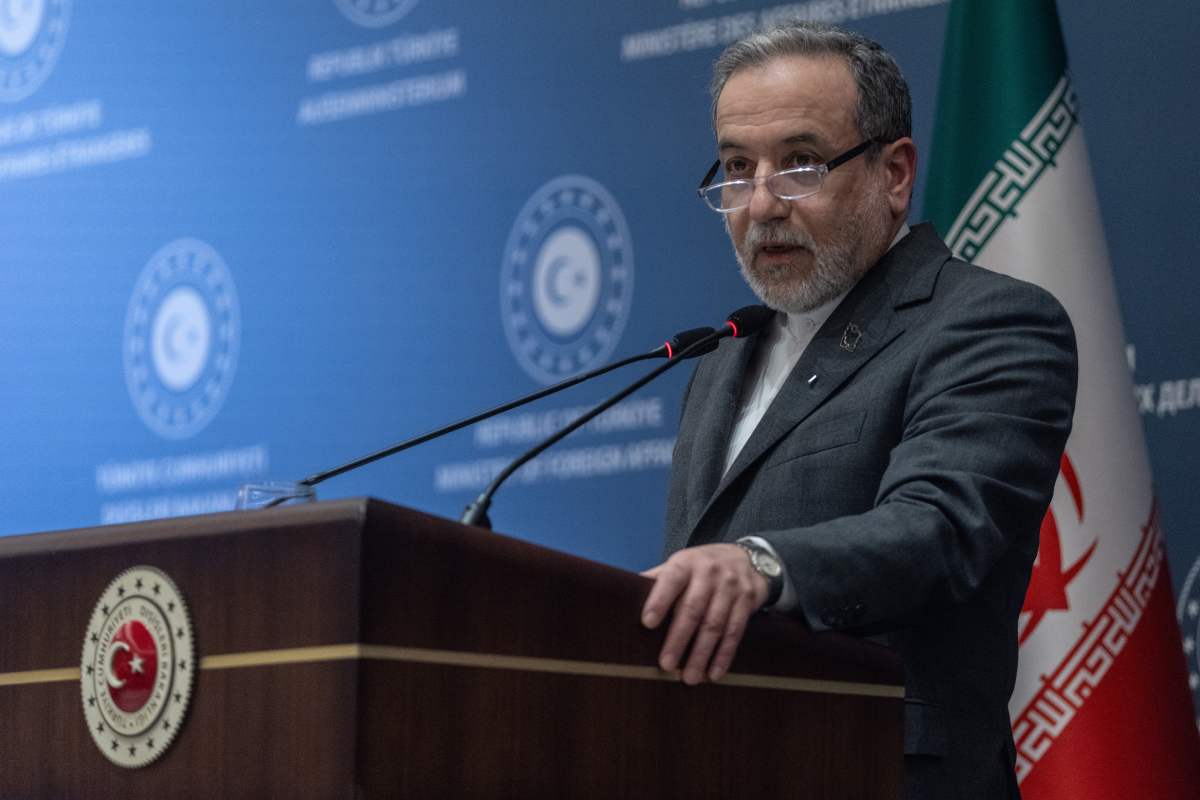
ISTANBUL, TURKEY - JANUARY 30: Iranian Foreign Minister Abbas Araghchi gives a statement at the Ritz Hotel as he meets Turkey's Foreign Minister Hakan Fidan, on January 30, 2026 in Istanbul, Turkey. Protests that began in Tehran on December 28 over worsening economic conditions escalated into one of the deadliest anti-government uprisings in the history of the Islamic Republic of Iran. Iranian authorities say at least 3,117 people were killed, while human rights groups estimate the toll could reach 6,000 or more and warn it may rise once internet blackouts are lifted. U.S. President Donald Trump has sent an armada of U.S. warships toward Iran and warned Tehran that time was running out to negotiate a deal on its nuclear program. This week, The European Union agreed to list Iran's paramilitary Revolutionary Guard as a terrorist organization. (Photo by Burak Kara/Getty Images)
Iranian Foreign Minister Abbas Araghchi gives a statement at the Ritz Hotel as he meets Turkey's Foreign Minister Hakan Fidan, on January 30, 2026, in Istanbul, Turkey (Burak Kara/Getty Images)

“I cannot mention any country in particular, but we have been approached by a number of countries who want to have a safe passage for their vessels,” he added.

However, Araghchi emphasized that any final decision about allowing ships to pass through the strategic waterway rests with Iran’s military authorities.

He said the armed forces had already allowed some vessels to pass safely. “This is up to our military to decide, and they have already decided to let, you know, a group of vessels belonging to different countries to pass in a safe and secure (way), so we provide them security to pass,” he said.

STRAIT OF HORMUZ - NOVEMBER 19: In this handout photo provided by the US Navy,  The aircraft carrier
The aircraft carrier USS Abraham Lincoln (CVN 72), left, the Royal Navy air defense destroyer HMS Defender (D 36) and the guided-missile destroyer USS Farragut (DDG 99) transit the Strait of Hormuz on November 19, 2019 (Zachary Pearson- US Navy via Getty Images)

The Strait of Hormuz is a critical chokepoint for global energy markets, with roughly one-fifth of the world’s crude oil shipments typically passing through the route.

The waterway connects the Persian Gulf to the Gulf of Oman and is vital for oil exports from major producers in the region.

Iran says it is not seeking ceasefire or negotiations with US

Araghchi also addressed the broader conflict between Iran and the United States, saying Tehran is not currently pursuing negotiations with Washington or seeking a ceasefire.

“We don't see any reason why we should talk with Americans,” he said during the interview. “We never asked for a ceasefire, and we have never asked even for negotiation,” Araghchi added.


His comments came after President Donald Trump said in recent days that Iran is seeking a deal to end the war. In an interview with NBC, Trump said that “Iran wants to make a deal, and I don't want to make it because the terms aren't good enough yet."

Araghchi rejected that characterization, saying Iran would continue defending itself in the conflict.

“We are ready to defend ourselves as long as it takes,” he said. “This is what we have done so far, and we continue to do that until President Trump comes to the point that this is an illegal war with no victory,” he added.
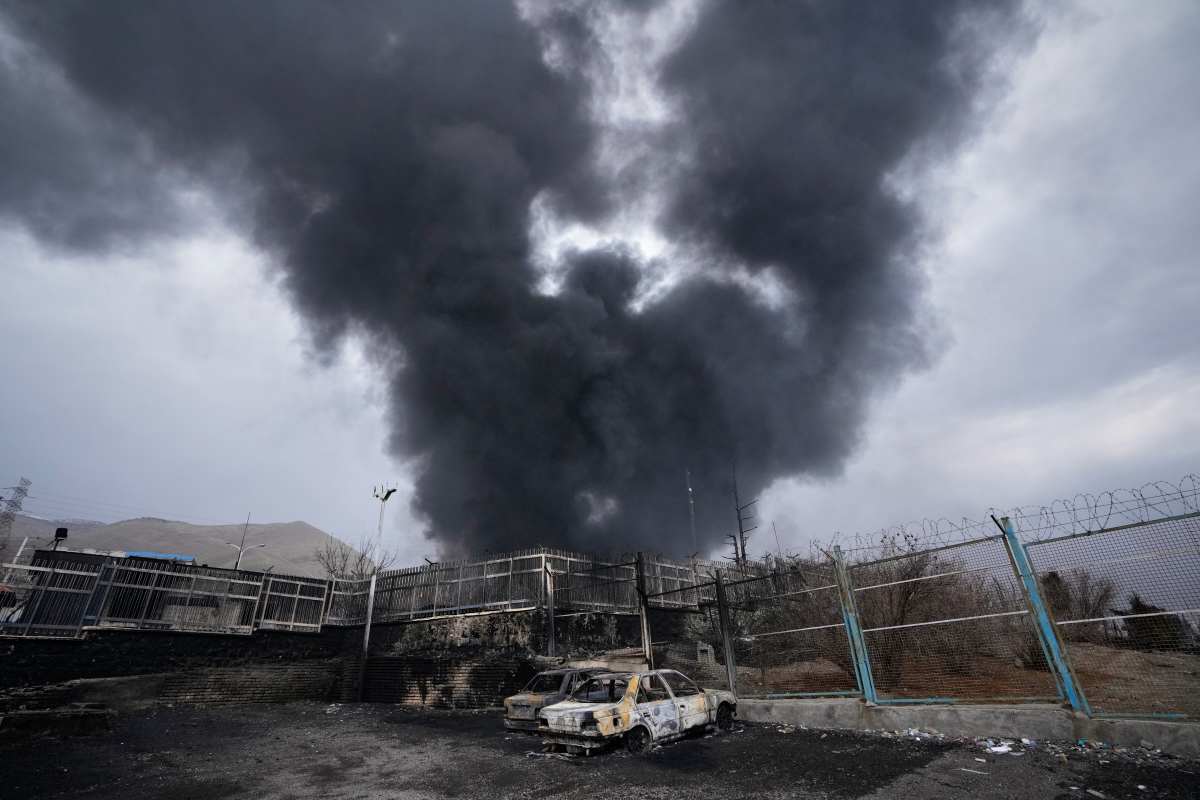
A thick plume of smoke rises from an oil storage facility hit by a U.S.-Israeli strike late Saturday in Tehran, Iran, Sunday, March 8, 2026. (AP Photo/Vahid Salemi)
A thick plume of smoke rises from an oil storage facility hit by a US-Israeli strike late Saturday in Tehran, Iran, Sunday, March 8, 2026 (AP Photo/Vahid Salemi)

“There are, you know, people being killed only because President Trump wants to have fun,” Araghchi said. “This is a war of choice by President Trump and the United States, and we are going to continue our self defense.”

RELATED TOPICS US STRIKES IRAN

GET BREAKING U.S. NEWS & POLITICAL UPDATES
STRAIGHT TO YOUR INBOX.

MORE STORIES

Iran said the United States must pledge never to threaten Tehran again and permanently end its war with Iran and its regional allies
3 days ago
Kazem Gharibabadi said negotiations were essential as inflation hit 88.6% and Iran’s oil exports faced mounting disruption
3 days ago
Iran said the Strait of Hormuz would remain closed until the US ended military action, lifted sanctions, and withdrew its forces
3 days ago
Reza Valizadeh also revealed that Iranian authorities have prevented his family from visiting him for five months, which he believes is punishment
4 days ago
Ron Dermer served as Israel’s ambassador to the US from 2013 to 2021 and later worked as Benjamin Netanyahu’s strategic affairs minister
4 days ago
Although both Tehran and Washington projected confidence that progress was being made, activity in the strait remains far from normal
5 days ago
Without naming Trump, Mark Carney appeared to reference his 2025 call for a probe after teleprompter, escalator and audio glitches at the UN
6 days ago
Calling it 'not our draft,' Benjamin Netanyahu said Israel had already made its position clear before details of the proposal became public
7 days ago
Donald Trump said a US-Iran deal was 'imminent' but warned Tehran was getting its 'every last chance' before military action
Aug 4, 2026
According to Bahamas police, the accident happened Saturday morning after the pilot encountered boat traffic while preparing for takeoff
Aug 3, 2026