'Won't be anything left': Iran rushes 14-point peace proposal to mediators after Trump ultimatum
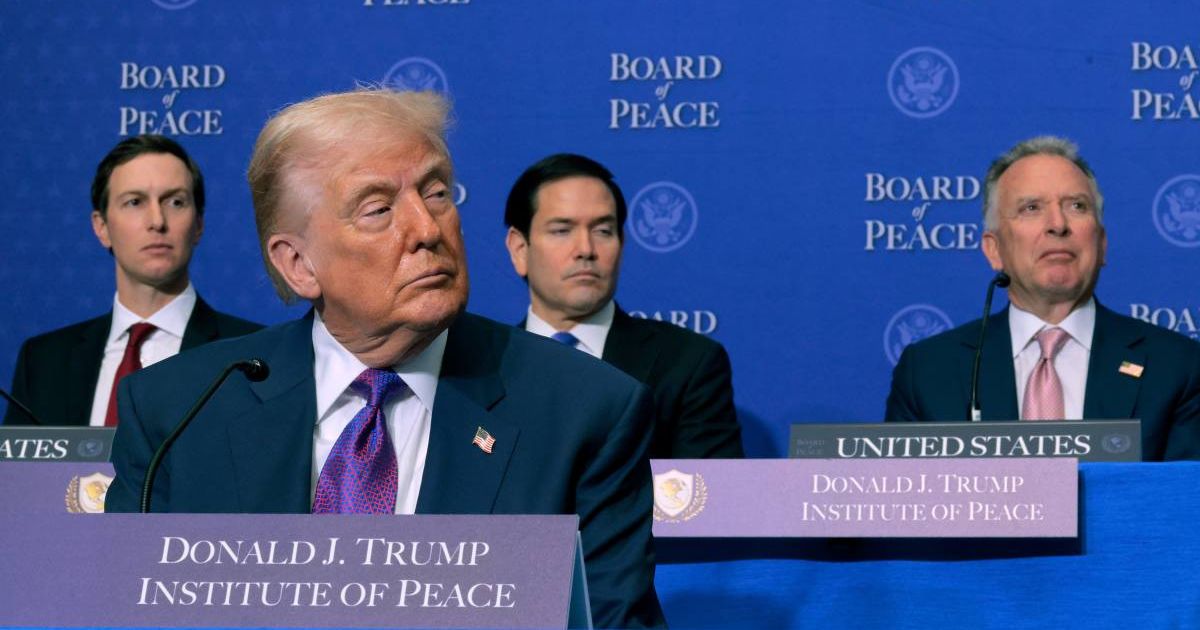
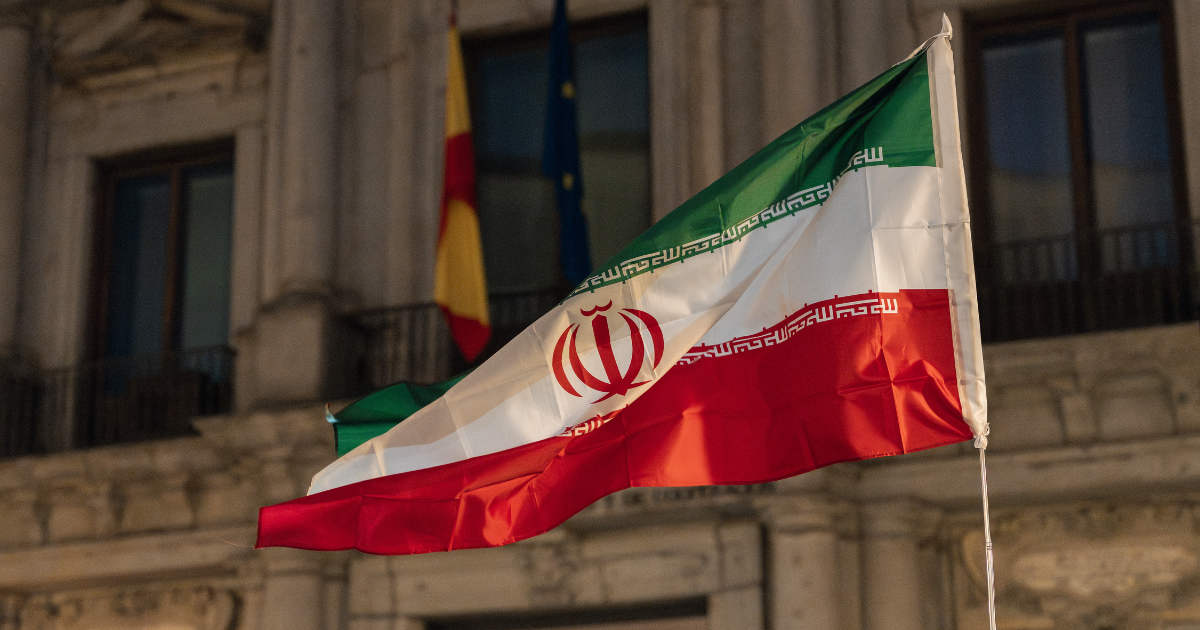
WASHINGTON, DC: Confronted by a devastating threat of total destruction from the White House, the Iranian government has submitted a revised 14-point peace proposal to Pakistani mediators.
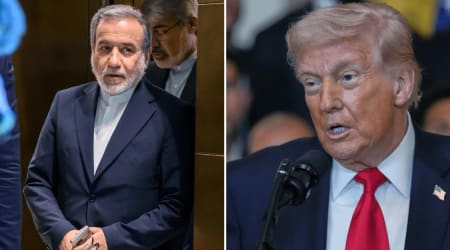
The sudden diplomatic concession came just hours after President Donald J Trump delivered an uncompromising social media ultimatum to Tehran, signaling that the administration’s patience with the stalled cross-strait negotiations has completely expired.
"For Iran, the Clock is Ticking, and they better get moving Fast, or there won’t be anything left of them. TIME IS OF THE ESSENCE," the president posted on Truth Social.
The severe warning catalyzed an immediate response from the Islamic Republic, which had previously paralyzed the diplomatic track due to profound internal divisions.
“For Iran, the Clock is Ticking, and they better get moving, FAST, or there won’t be anything left of them. TIME IS OF THE ESSENCE!” - President Donald J. Trump pic.twitter.com/33gyF0c0O5
— The White House (@WhiteHouse) May 17, 2026
According to the Iranian Revolutionary Guard Corps-affiliated Tasnim News Agency, the amended text aims to salvage a broader treaty by initiating immediate negotiations to end the ongoing war.
Tehran claims major American sanctions concessions
The newly advanced Iranian framework focuses heavily on confidence-building measures required from the American side.
State-affiliated media outlets in Tehran aggressively claimed on Monday that Washington had recently submitted a formal counterproposal that conceded to a temporary waiver on some oil sanctions during the negotiation window.
Such a waiver would represent a massive gesture of good faith from the United States, providing a critical financial lifeline to the battered Iranian economy.
However, these bold assertions of American concessions remain entirely unverified. No officials within the Trump administration or representatives from the Pakistani mediation teams have confirmed any relaxation of the energy blockade.
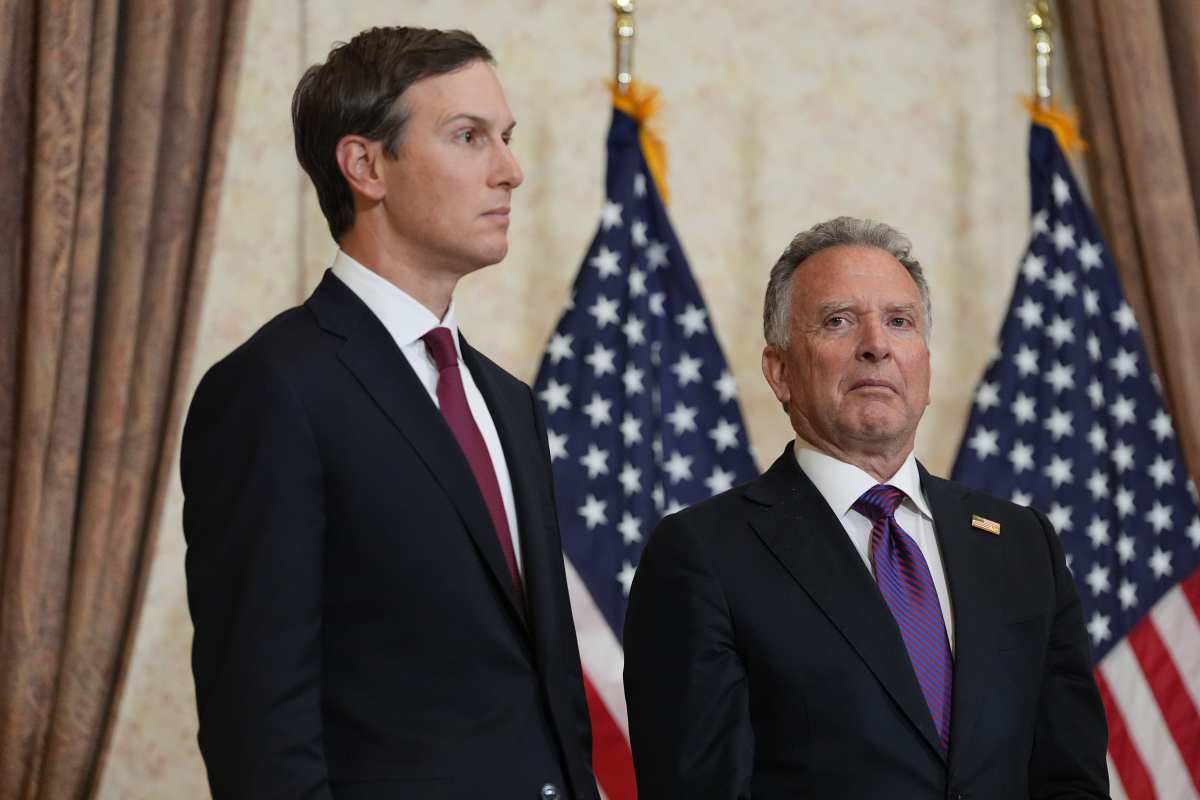
The US negotiating team, spearheaded by special envoys Steve Witkoff and Jared Kushner, has publicly maintained a hardline posture, demanding that Tehran completely halt its uranium enrichment and reopen the vital Strait of Hormuz before any substantive sanctions relief can be legally finalized.

Standoff intensifies over buried uranium stockpiles
The primary obstacle to a permanent treaty remains Iran's absolute refusal to surrender its highly enriched nuclear material.
President Trump has been publicly adamant that the regime completely hand over what he terms its "nuclear dust", a reference to a vast stockpile of 60% enriched uranium.
Special Envoy Steve Witkoff recently disclosed that intelligence briefs indicate this specific 60% stash is a short technical step away from weapons-grade 90% enrichment and contains enough raw material for 11 nuclear bombs if processing resumes.
Nuclear experts note that achieving 60% enrichment is the most technically complicated aspect of the process, making the current stash a profound national security threat.
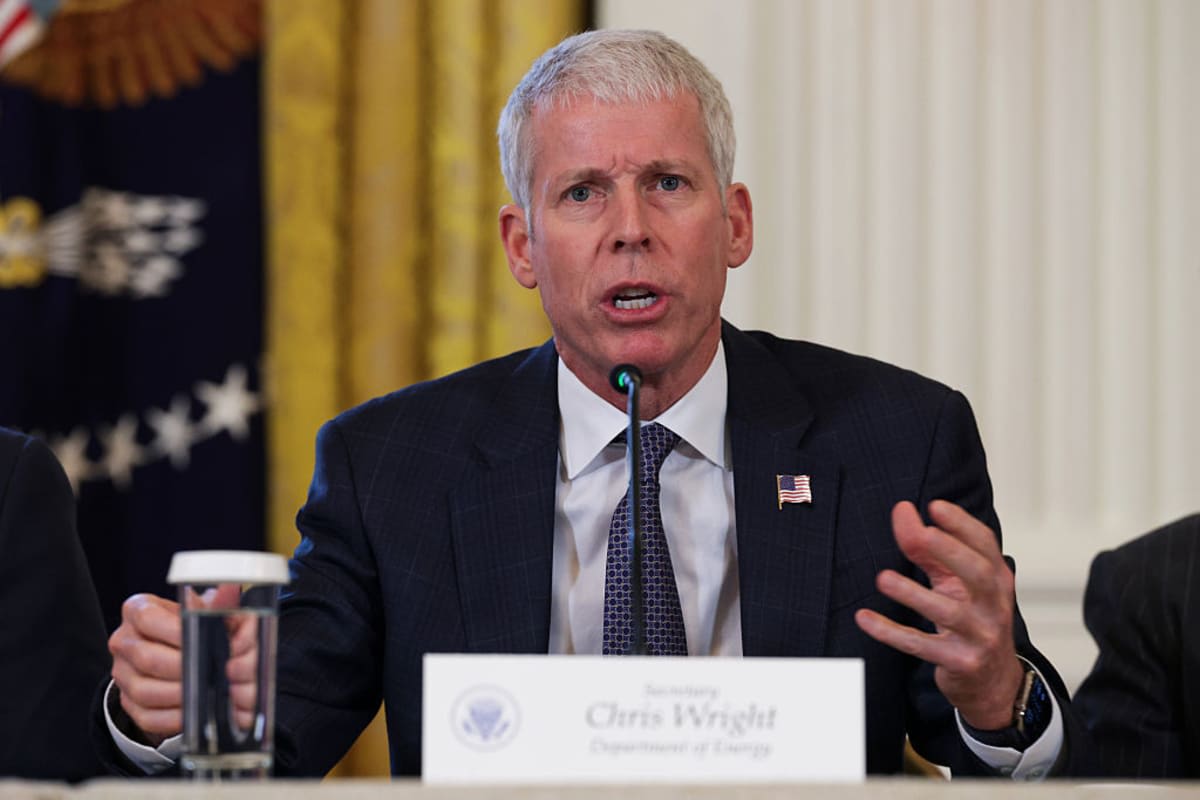
While Energy Secretary Chris Wright has raised additional alarms regarding the regime's separate 20% enriched uranium reserves, the material remains securely buried deep underground within heavily bombed facilities.
The US currently monitors these subterranean sites via satellite, though the administration has reportedly mulled over highly risky military operations to deploy ground troops to physically retrieve the uranium.
Internal regime divisions paralyze diplomatic timeline
Beyond the technical disputes, American negotiators have expressed deep frustration regarding the logistics of communicating with the fractured Iranian political hierarchy.
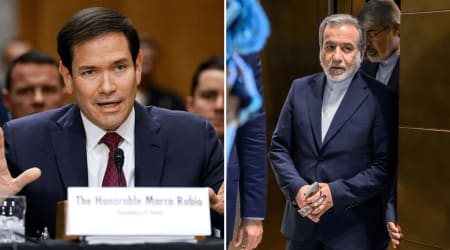
Last week, Secretary of State Marco Rubio revealed to 'NBC's Nightly News' that deep internal rifts within the Iranian regime have severely impeded the flow of counterproposals, forcing American envoys to endure extensive delays for basic administrative responses.
Question: Is the new Ayatollah part of any part of this negotiations? Do you have any evidence?
— Donald J Trump Posts TruthSocial (@TruthTrumpPost) May 16, 2026
SEC Rubio: Their foreign minister, is not the decision maker.
He goes back to someone and gets approval for what he's allowed to agree to and what not to agree to.
it takes four or… pic.twitter.com/aGqy5zYZ6i
"In many cases, the feeling is we are negotiating with someone who then has to turn around and negotiate with someone in his own system in his own country," Rubio stated, noting that it routinely takes four to five days to receive a single message from the Iranian side.
While Tehran's rapid submission of the modified 14-point text allegedly proves that Trump’s late-night ultimatum successfully broke the bureaucratic gridlock, it remains to be seen if the regime's internal factions can unified behind a final, verifiable disarmament timeline.