Iran, Oman in talks to secure Hormuz transit as Tehran advances new shipping control plan
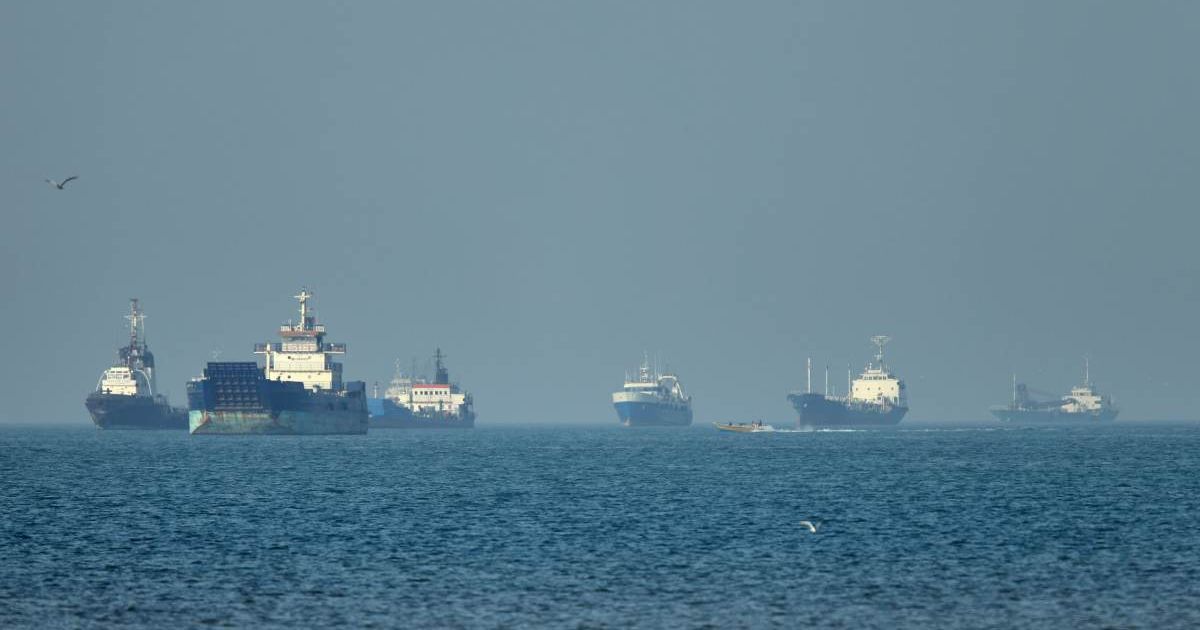
TEHRAN, IRAN: Iran on Monday, May 18 said it is working with Oman to establish a new mechanism aimed at ensuring safe maritime transit through the Strait of Hormuz, one of the world’s most strategically important shipping routes.
Speaking in Tehran, Iranian Foreign Ministry spokesman Esmaeil Baqaei said Iran remained committed to maintaining safety in the Strait of Hormuz, which lies between Iran and Oman and serves as a critical artery for global oil and gas shipments.
Baqaei said both Iran and Oman viewed themselves as jointly responsible for ensuring secure transit through the strait and were engaged in ongoing diplomatic coordination on the issue.
According to the spokesperson, expert-level delegations from both countries met in Muscat last week to discuss mechanisms aimed at reassuring the international community about the safety of maritime traffic.
He added that consultations between Tehran and Muscat were continuing.
The Strait of Hormuz handles nearly a fifth of the world’s oil trade, making any disruption to traffic through the corridor a major concern for global energy markets and international shipping companies.
Tehran unveils new shipping authority
The latest Iranian remarks follow the creation of a new authority called the “Persian Gulf Strait Authority” (PGSA), which Tehran says will oversee shipping-related coordination in the region.
Iranian authorities also launched a dedicated social media account on X to provide updates on the body’s operations and activities.
The development has raised concerns among international observers after Iranian officials suggested that ships cooperating with Tehran would be granted passage in exchange for “necessary fees.”
Over the weekend, the head of the Iranian parliament’s national security commission said the country had finalized plans to “manage traffic” through the strait.
Under the proposed system, commercial vessels and entities coordinating with Iranian authorities could receive permission to pass through the waterway upon payment of transit-related charges.
The proposal has fueled fears that Iran may be seeking to exercise greater operational control over one of the world’s busiest maritime chokepoints, especially at a time when regional tensions remain elevated.
Trump says US controls key shipping lane
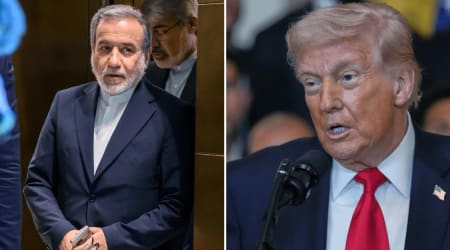
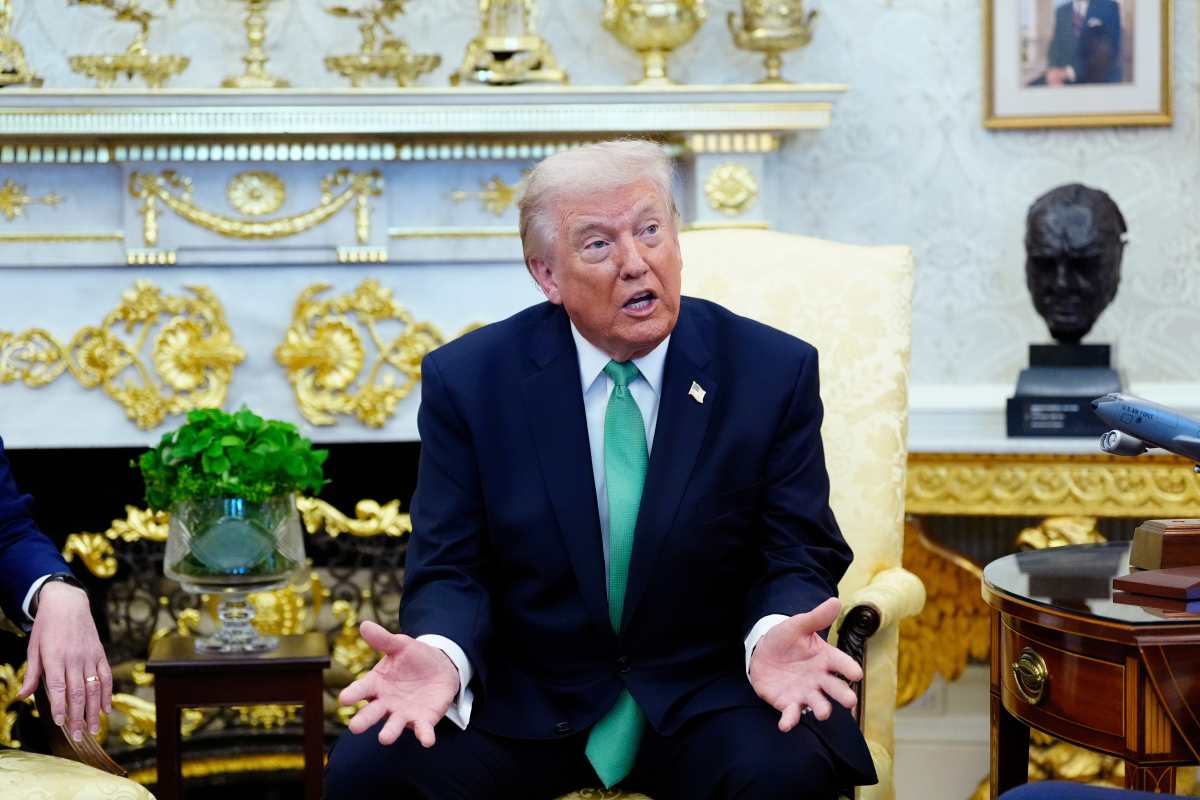
Meanwhile, US President Donald Trump said during a recent visit to Beijing that China had offered assistance in reopening shipping access through the Strait of Hormuz, although he dismissed the need for such support.
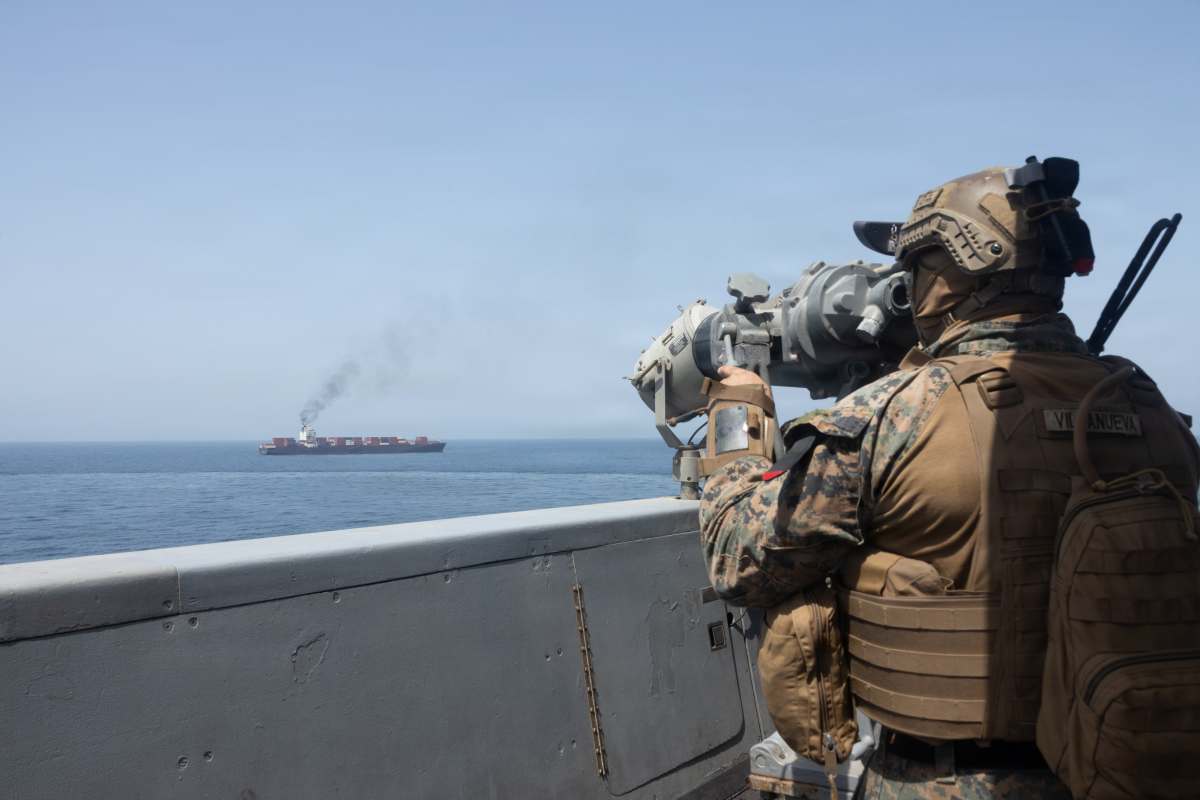
Trump later asserted that the United States, not Iran remained in effective control of the shipping corridor, despite reports indicating severe congestion and disruptions in maritime traffic around the strait.
According to a Bloomberg report, nearly two dozen oil tankers were stationed in and around Iran’s main export hub at Kharg Island on Monday.
Analysts cited in the report suggested Tehran may already be informally using the area as a “toll booth” for maritime traffic moving through the region.