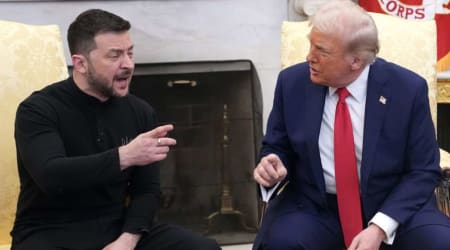
Iran says it’s prepared for fresh US strikes as Trump begins Xi talks in China
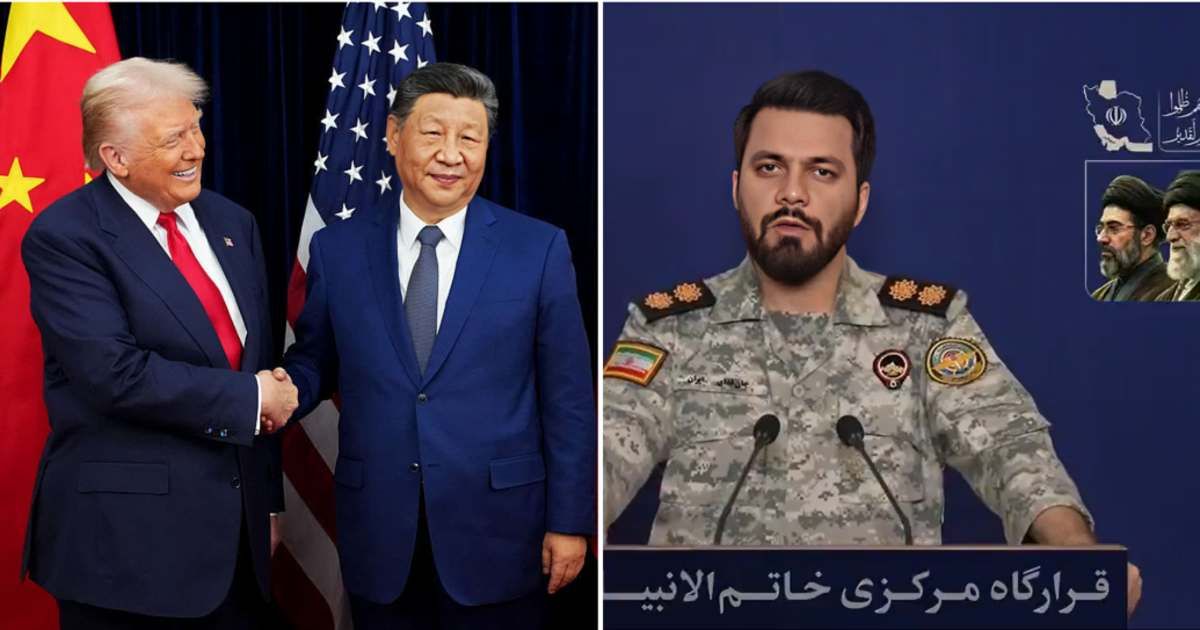
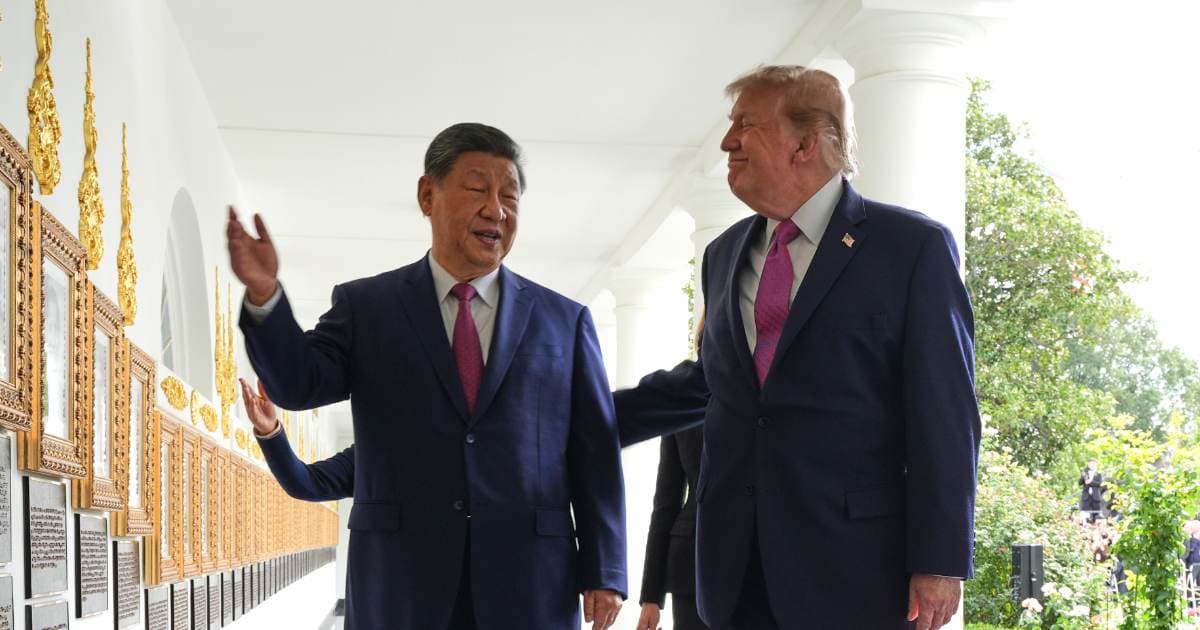
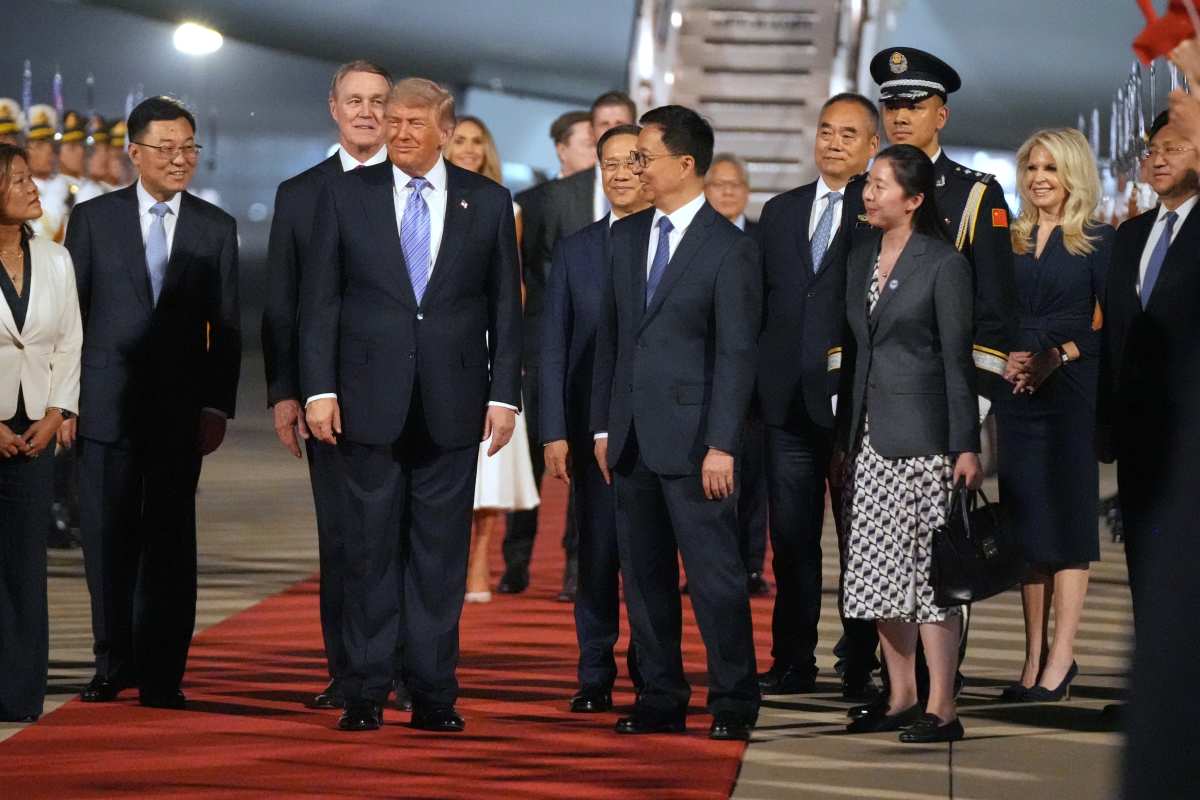
BEIJING: President Donald J Trump touched down in Beijing on Wednesday, May 13, for a high-stakes summit with Chinese President Xi Jinping, a trip already delayed by the volatile US-Israeli war with Iran.
The diplomatic mission begins under a shadow of defiance from Tehran, where Iranian military commanders have just concluded a five-day show of force.
Brigadier General Hassan Hassanzadeh, commander of the Islamic Revolutionary Guard Corps (IRGC) for the Tehran region, announced that his forces are at a "high level of comprehensive readiness" to confront any new attack by the US or Israel "at any place and at any time."
The drills, codenamed "Martyr Commander," served as a direct warning as Trump prepares to negotiate the future of global trade and regional stability.
While Trump seeks to "open up" China to American firms, he must simultaneously navigate a conflict that has crippled energy markets and forced the US to seek Beijing’s influence over Tehran’s sanctioned oil exports.
As the President departed the White House on Tuesday, he predicted a "long talk" with Xi, despite his public insistence that he does not need China’s help with the Iranian "enemies."
Revolutionary Guard commandos practice rapid response
The Iranian military exercises featured a massive mobilization of special forces and IRGC commandos practicing unit tactics to confront "hostile movements."
According to General Hassanzadeh, the drills were specifically designed to demonstrate a capability for the "shortest possible response time" against American and "Zionist" special operations.
The exercises took place across diverse terrains, simulating scenarios to counter enemy techniques in any situational environment.
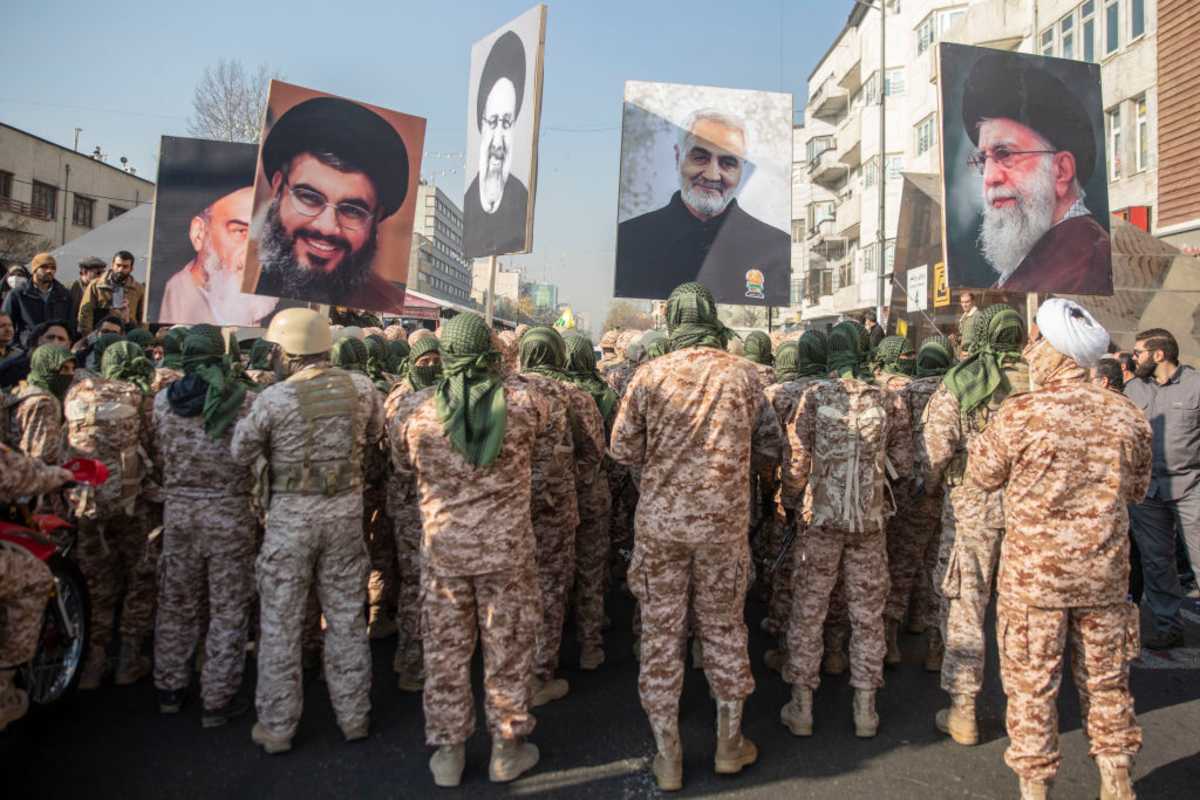
These maneuvers are a clear signal that the Islamic Republic remains prepared to retaliate despite the sustained pressure of the ongoing conflict.
Tehran’s military leadership emphasized that the "comprehensive readiness" displayed in the Tehran region is intended to deter any further US-Israeli strikes.
For Trump, the timing of these drills underscores the reality that while he talks trade in Beijing, the threat of an escalated military confrontation remains at a boiling point.
Sanctioned oil trade complicates Xi summit
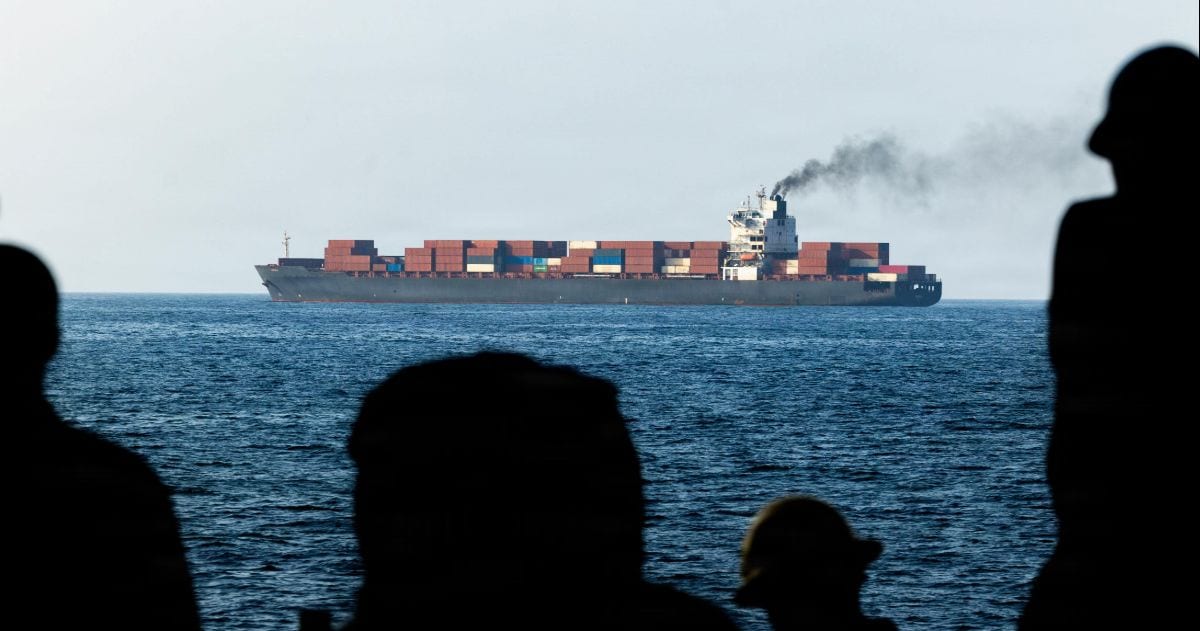
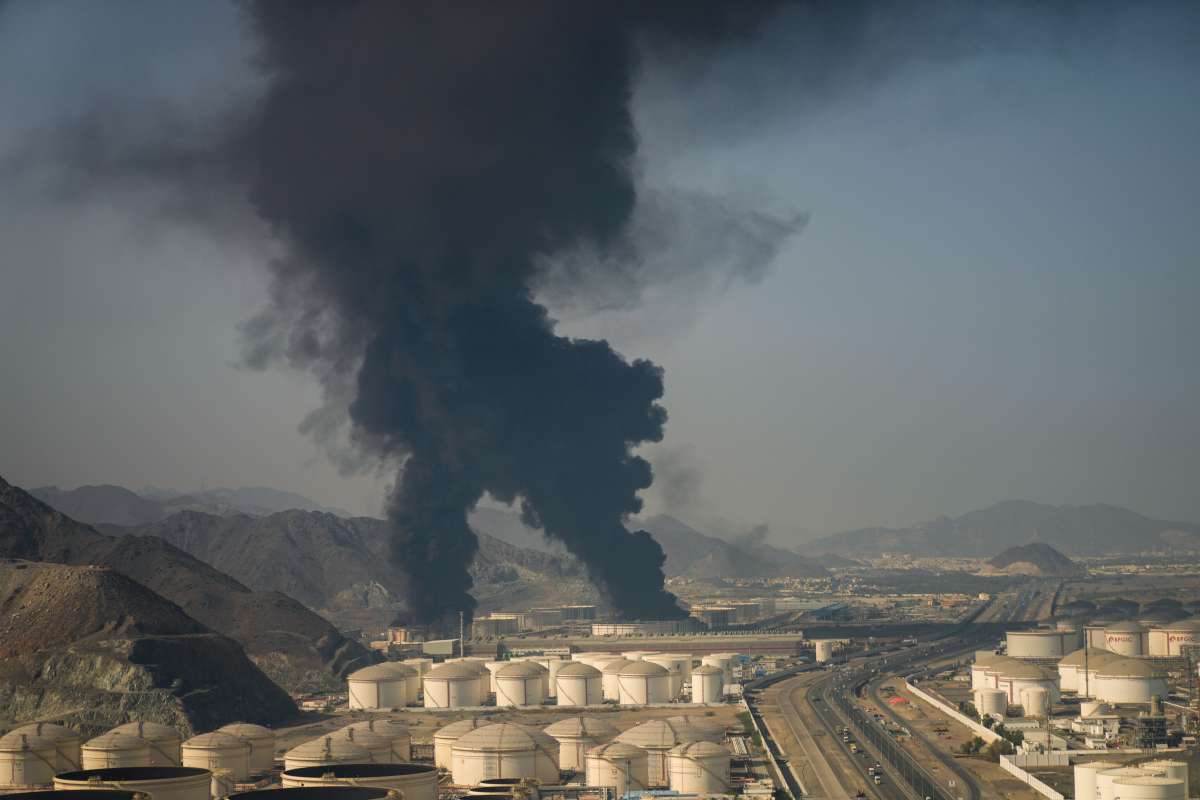
A primary friction point in the Beijing summit will be Iran’s continued sale of sanctioned oil to China, which remains Tehran’s largest customer.
President Trump has noted that Xi has been "relatively good" on the topic thus far, but the US desire to ramp up trade must contend with China's role as an economic lifeline for the Iranian regime.
Beijing’s leverage is substantial, yet the Chinese leadership has expressed growing impatience for peace, with the foreign minister urging Pakistan to increase mediation efforts between Washington and Tehran.
Trump’s delegation, which includes prominent business leaders, is pushing for a trade reset that would allow American firms to "work their magic" in Chinese markets.
However, the political friction over the Iran war, and continued tensions over Taiwan suggests that economic gains may be tethered to a diplomatic resolution in the Middle East.
Beijing’s confidence has grown since Trump’s last visit in 2017, placing the US in a complex negotiating position as it searches for an exit from the war.
Debt crisis pressures China’s economic leverage
Despite its assertive diplomatic stance, China is negotiating from a position of internal economic vulnerability.
The once-booming property sector is mired in a protracted debt crisis, and domestic spending remains sluggish.
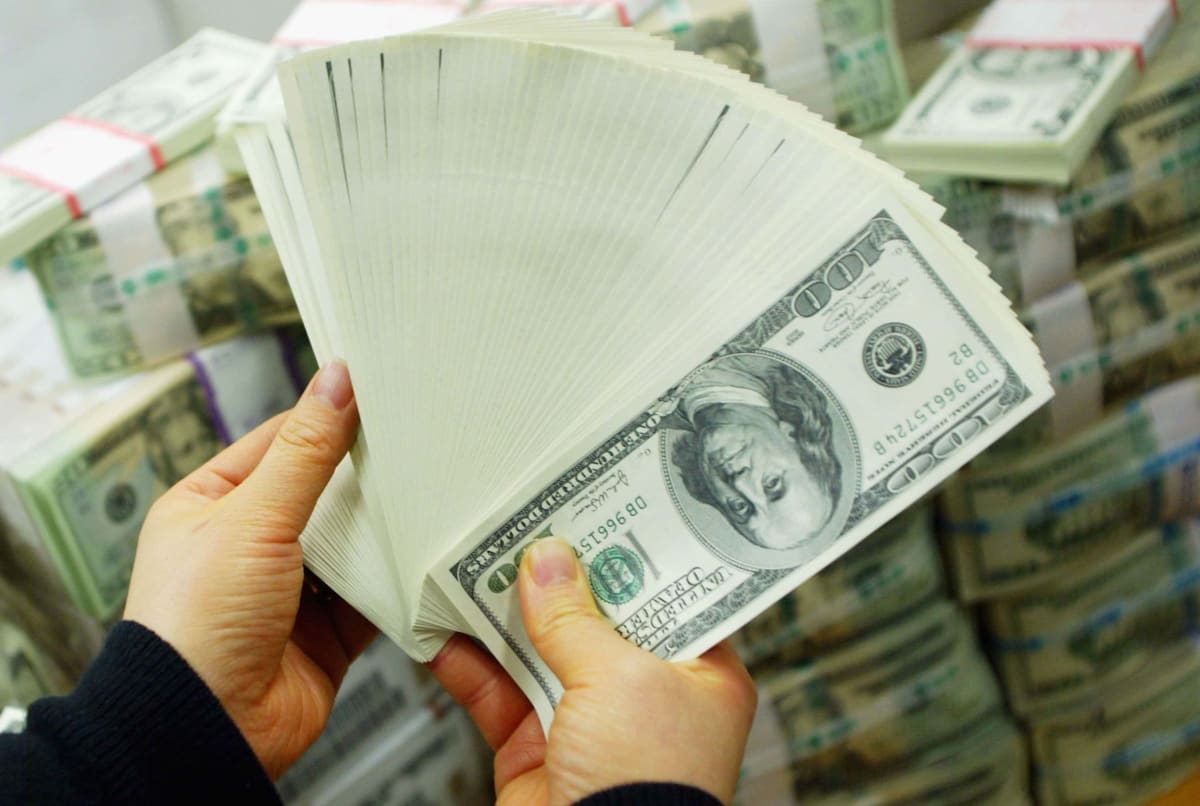
This fiscal instability provides a backdrop of uncertainty for President Xi, who must balance his support for Iran with the need to stabilize trade relations with the United States to protect China's struggling economy.
For Trump, China’s economic headwinds could offer a narrow opening to secure the "open up" policies he desires.
Conversely, a weakened Chinese economy could make Beijing more defensive of its strategic partnerships, including its energy ties to Iran.
Both leaders enter the two-day summit aware that the global economy is increasingly susceptible to the shocks of the ongoing conflict, making the outcome of their "long talk" critical for international stability.
Mediation efforts intensify as peace teeters
As the two presidents meet, the international community is looking to regional mediators to prevent a total collapse of the current fragile state of affairs.
China’s push for Pakistani mediation highlights a desire to offload the burden of direct conflict management while maintaining its strategic interests.
The IRGC’s readiness for "fresh strikes" serves as a reminder that the window for a negotiated settlement is closing.
The summit is expected to conclude with a series of joint statements on trade and security, but the real measure of success will be whether Xi agrees to further restrict Iranian oil purchases or if Trump offers trade concessions in exchange for Middle Eastern stability.
With special forces on high alert in Tehran and the world's two largest economies at the table in Beijing, the stakes for the "Martyr Commander" era have never been higher.