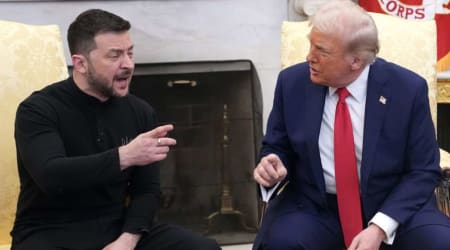
Iran accuses Trump of delaying ceasefire deal as nuclear talks remain deadlocked
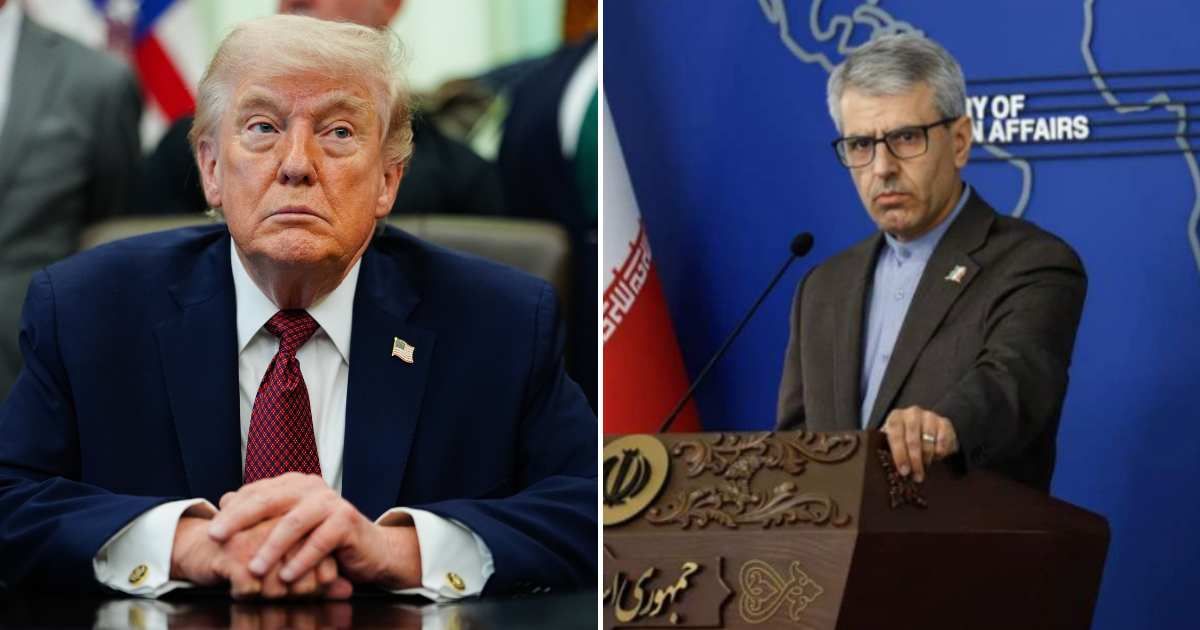
WASHINGTON: Hopes for a breakthrough in US-Iran negotiations remained uncertain on Saturday, May 30, after President Donald Trump refrained from announcing a decision on a proposed agreement that could extend the current ceasefire and pave the way for fresh nuclear discussions.
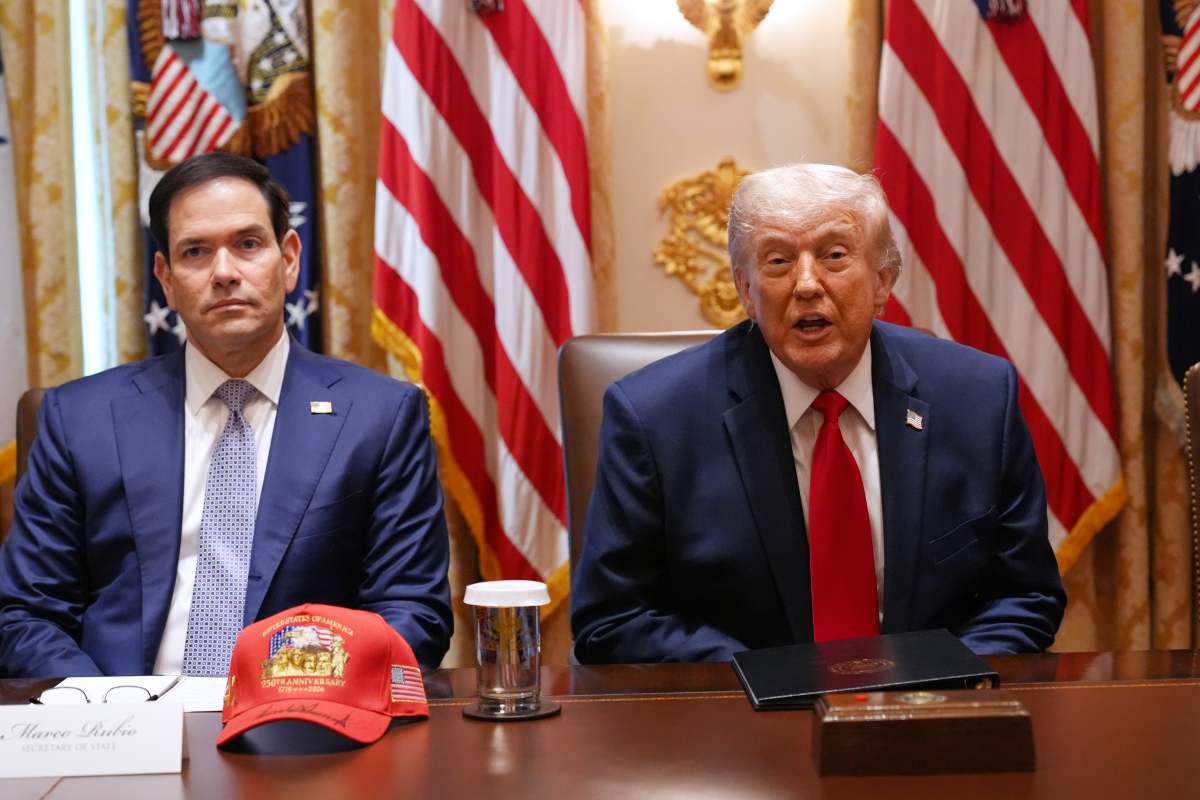
The delay came after Trump convened a two-hour Situation Room meeting on Friday, which he had described as an opportunity to make a “final determination” on the deal. No statement was issued following the meeting, leaving diplomats and markets awaiting clarity.
For weeks, US, Iranian and Arab officials have suggested that an agreement could be close, but repeated predictions of an imminent breakthrough have failed to materialize.
Tehran criticises US demands and time delay
Iranian officials accused Washington of undermining diplomacy by insisting on conditions they consider unacceptable.
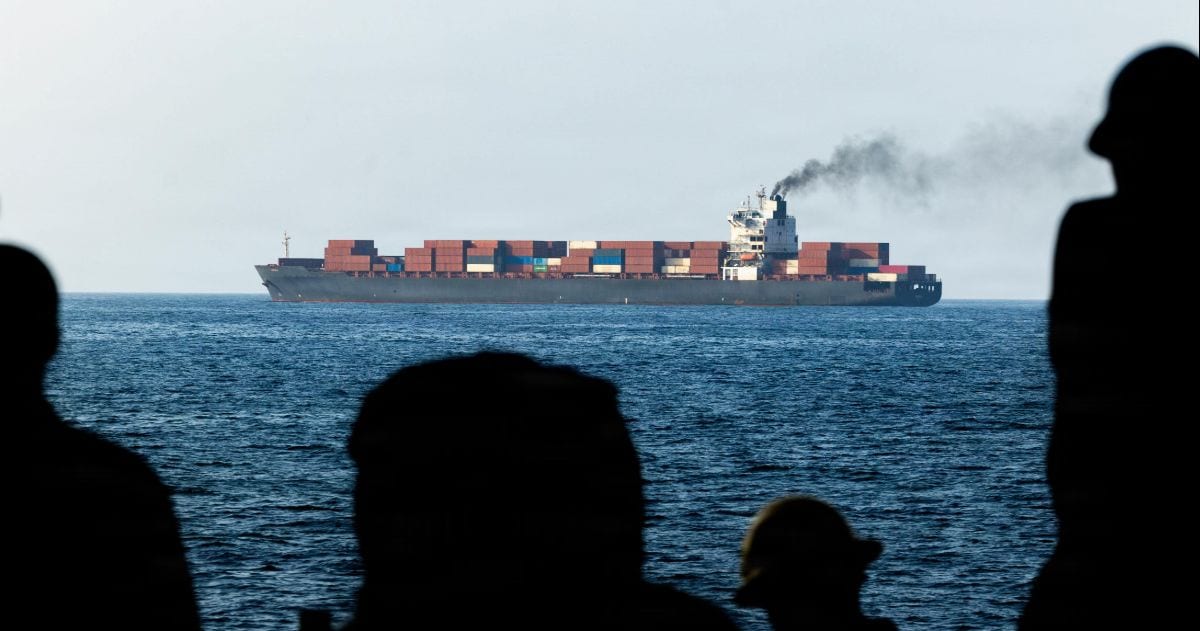
Trump said any agreement must ensure that Iran never acquires a nuclear weapon, that the Strait of Hormuz is reopened to unrestricted maritime traffic, and that any naval mines in the strategic waterway are removed.
Mohsen Rezaei, a senior Iranian official and former commander of the Islamic Revolutionary Guard Corps, said that the US president was abandoning diplomatic efforts.
“By continuing the naval blockade and pursuing excessive demands in the negotiations, he has proven that he is not a person of negotiations and is pursuing other objectives,” Rezaei said, according to Iranian media reports.
Iranian Foreign Ministry spokesperson Esmail Baghaei also cautioned against expectations of a swift resolution, saying that a final understanding had not yet been reached and that discussions remained focused on ending the conflict rather than detailed nuclear issues.
Mediators express frustration over delay in ceasefire
A senior Arab official involved in the mediation process said negotiators from Washington and Tehran had broadly agreed to the framework of a truce several days ago in Doha, but that both sides were delaying its formal approval and announcement.
The official described the situation as frustrating, saying political calculations on both sides were slowing progress despite significant advances in negotiations.
According to US officials, the proposed agreement would establish a 60-day period of talks focused on Iran’s nuclear programme while preserving the existing ceasefire. However, neither government has formally endorsed the arrangement.
Amidst talks US maintains military pressure
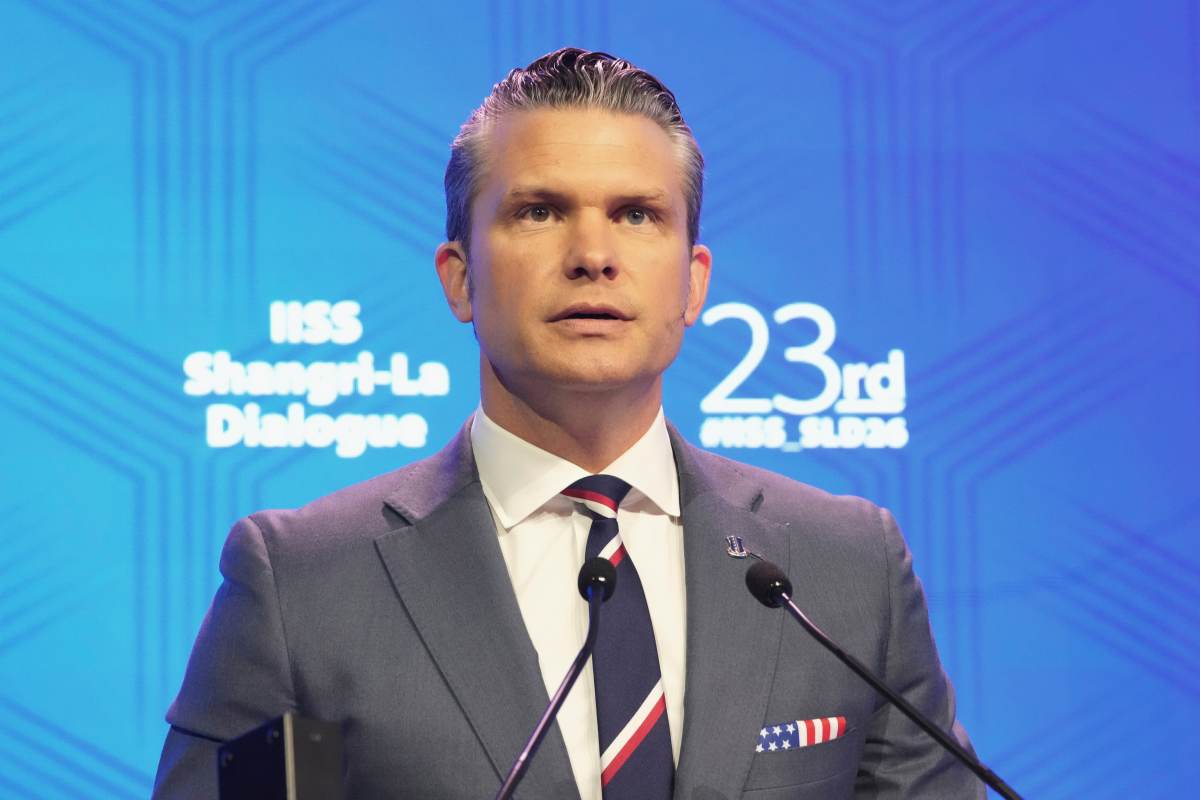
Speaking at the Shangri-La Dialogue security summit in Singapore on Saturday, Defense Secretary Pete Hegseth said Trump remained committed to securing a strong agreement that would prevent Iran from obtaining nuclear weapons.
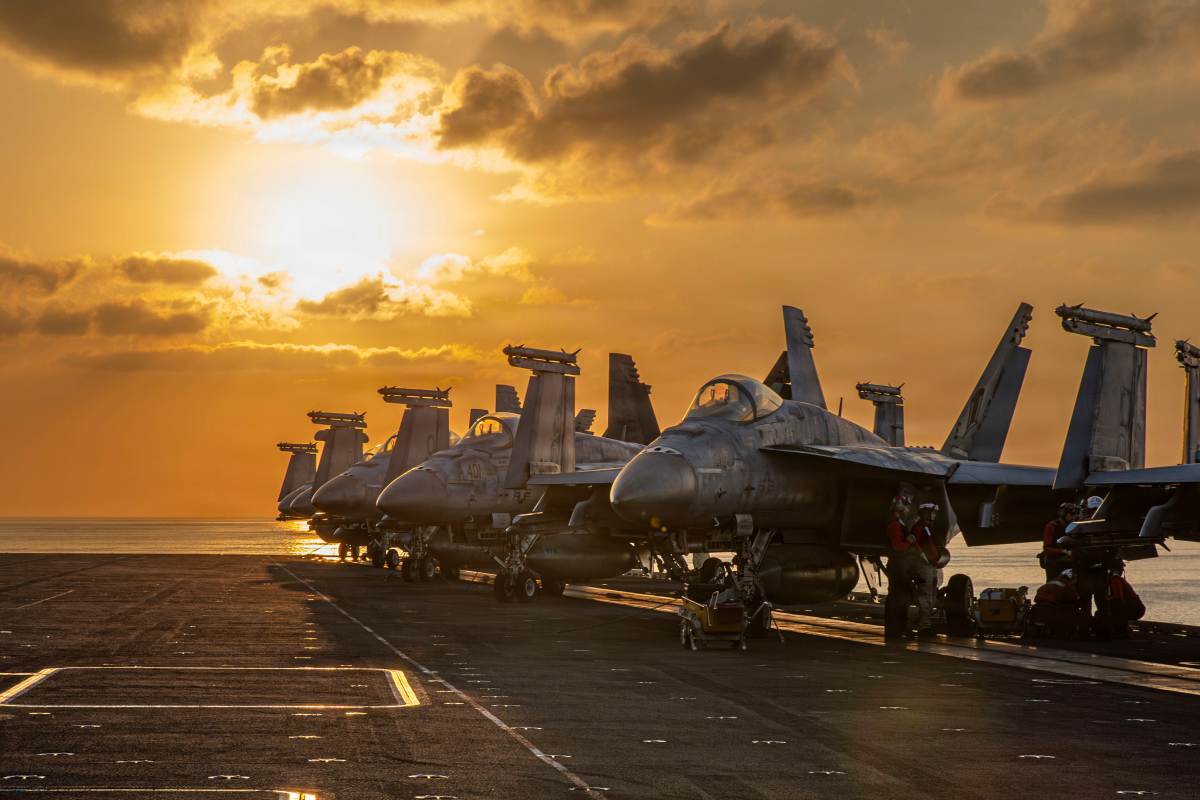
Hegseth stressed that Washington remained prepared to resume military operations if diplomacy failed. “Our stockpiles are more than suited for that,” he said, adding that the United States was fully capable of meeting its global security commitments.