'Rome's illusion of dominance': Iran taunts White House as ceasefire talks advance
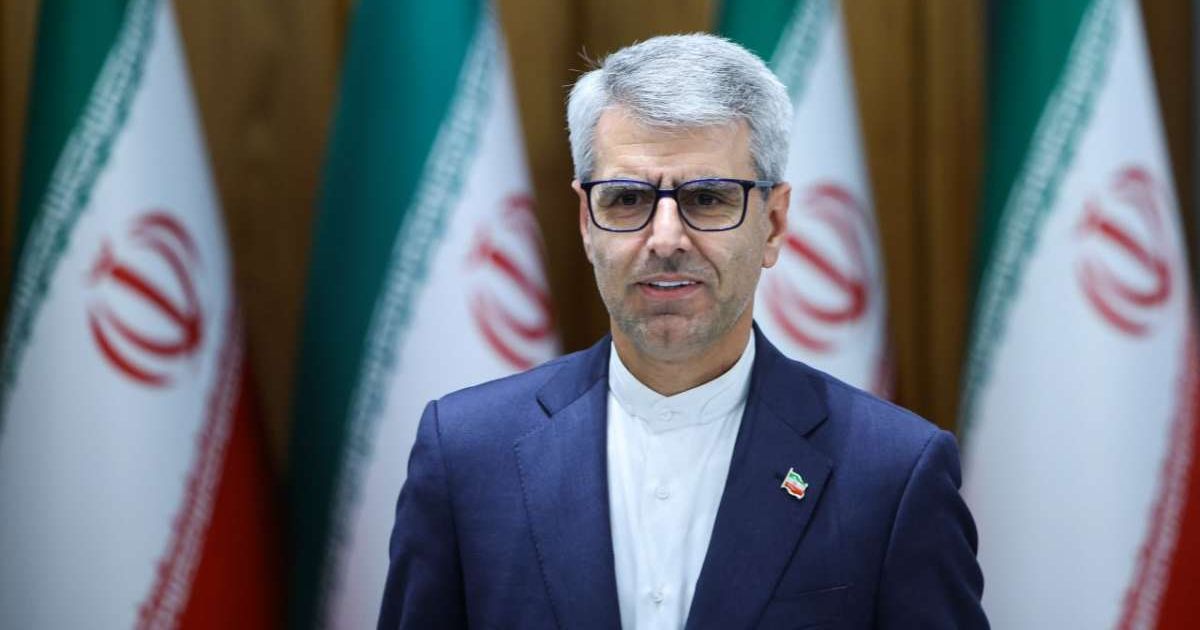
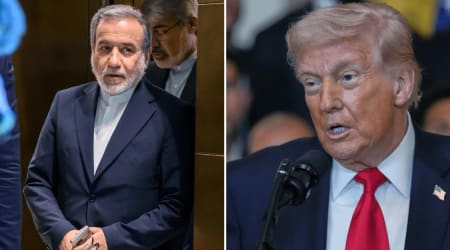
WASHINGTON, DC: Iran’s Foreign Ministry claimed that it is forcing President Donald J Trump to accept peace on Tehran’s specific terms.
On Sunday, May 24, Iranian Foreign Ministry spokesperson Esmaeil Baghaei openly taunted the White House by uploading an ancient archaeological image on social platform X depicting a Roman emperor bowing before a Persian ruler, drawing an explicit parallel to the ongoing conflict.
In the Roman mind, Rome was the undisputed center of the world. Yet the Iranians shattered that illusion; when Marcus Julius Philippus (Philip the Arab) marched east against Persia, the campaign did not result in Roman victory — it ended in a peace established on Sasanian terms:… pic.twitter.com/hLSqAUzb7p
— Esmaeil Baqaei (@IRIMFA_SPOX) May 23, 2026
The taunt surfaces as negotiators advance toward a preliminary truce to freeze the three-month war. Despite the country being battered by conflict, Baghaei wrote that Rome's illusion of dominance was shattered when its emperor had to come to terms with Persia.
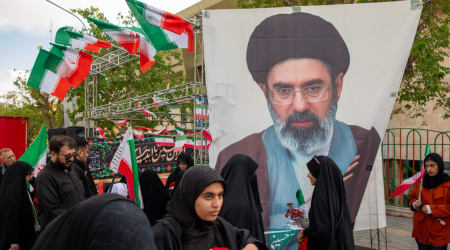
This narrative gains traction amid reports that both sides have agreed to basic parameters, though final authorization is pending from Trump and Iran’s supreme leader.
Emerging truce omits hardline weapon restrictions
The emerging framework has triggered intense concern that the deal falls short of Washington's initial demands.
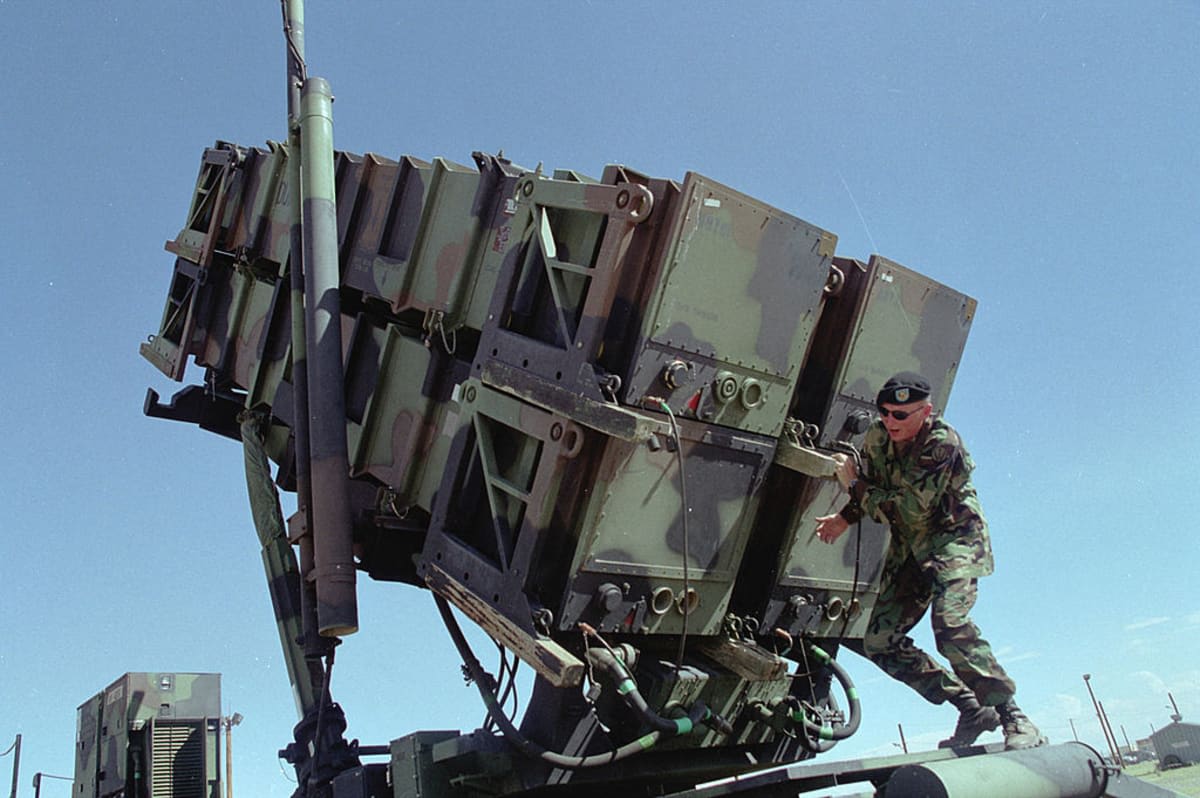
A senior US official confirmed to The New York Times that the proposed terms do not restrict Iran’s ballistic missile supply or force an outright halt to its domestic uranium enrichment.
Instead, the framework only requires Tehran to dispose of its existing highly enriched uranium stockpiles. The compromise has drawn fierce pushback from Republican lawmakers and former Secretary of State Mike Pompeo, who compared the provisions to Obama-era diplomacy.
Pompeo warned that Iranian negotiators are simply playing for time to stall and drag out the process.
Blockade relief tied to energy corridor
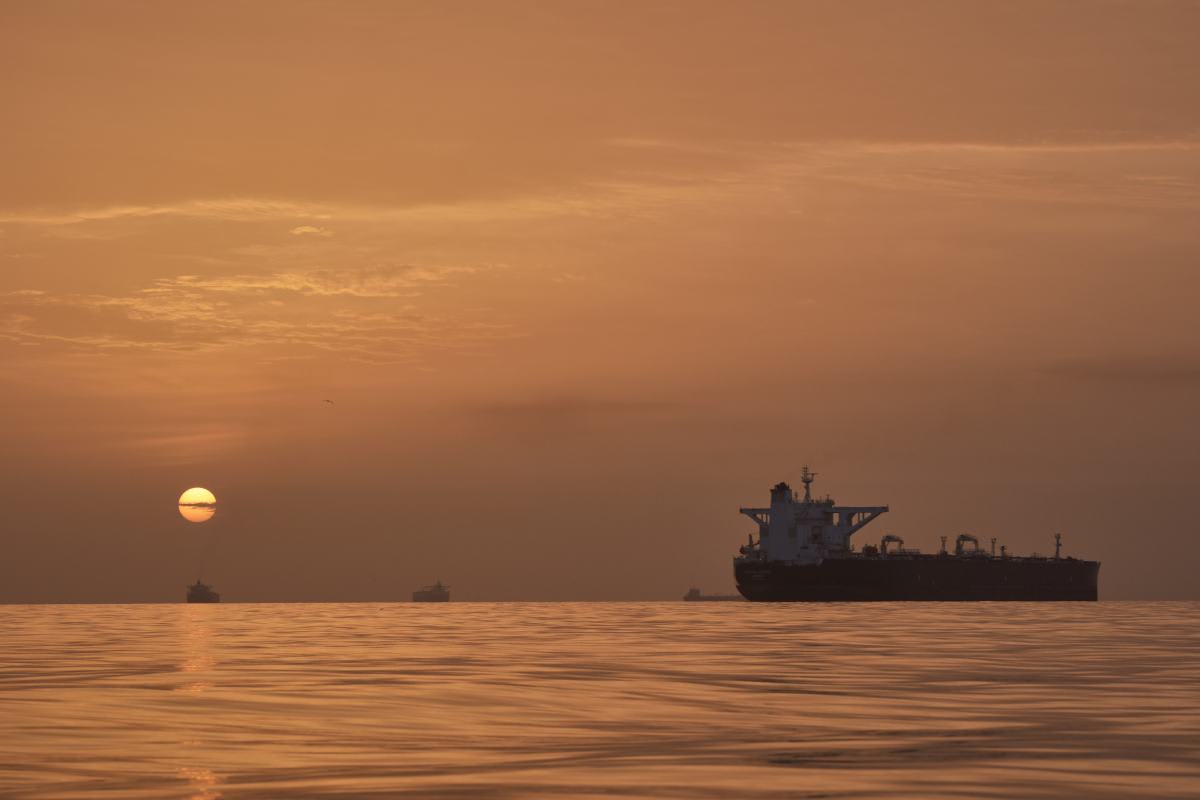
A primary driver for the agreement is the reopening of the Strait of Hormuz. The prolonged maritime closure has blocked roughly 20% of the world’s oil supply, causing global energy prices to skyrocket and intensifying domestic political pressure on Trump ahead of this autumn's midterm elections.
A US official confirmed that the deal includes significant sanctions relief to facilitate trade.
While Iran has not yet requested a specific dollar payout for its frozen assets, the economic concessions have amplified fears that Washington is capitulating to relieve global energy markets.
Regional allies evaluate proposed security terms
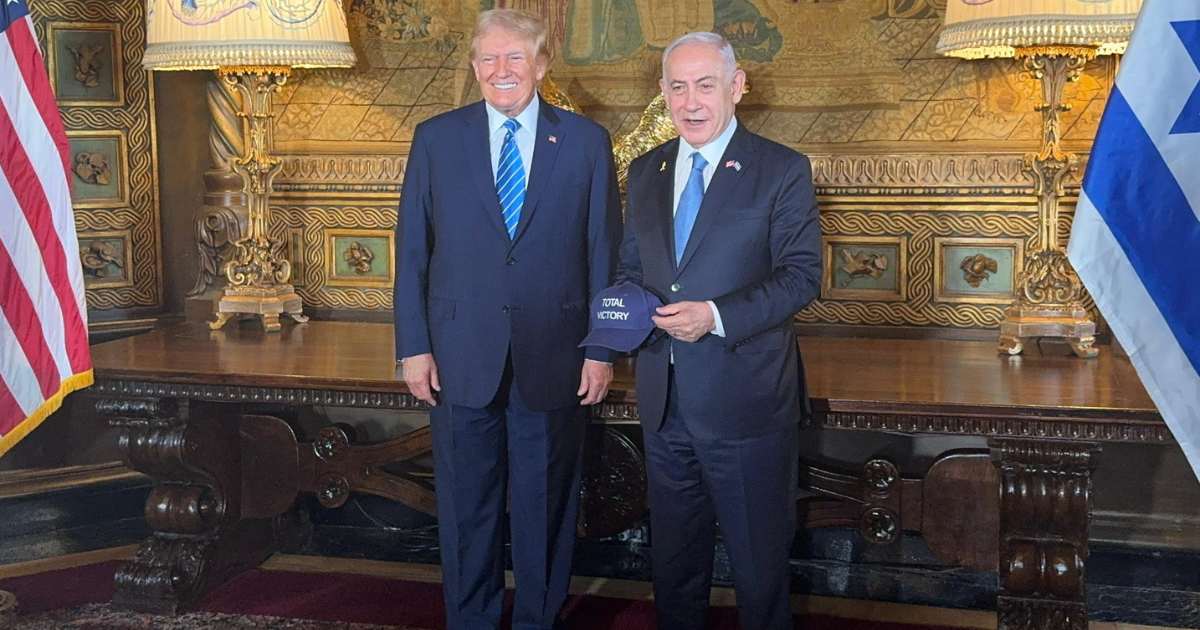
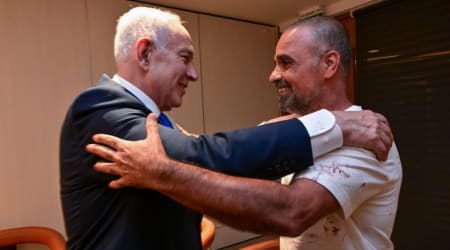
Trump stated he held extensive consultations Saturday with regional leaders, including Israeli Prime Minister Benjamin Netanyahu and officials from Saudi Arabia, the UAE, Qatar, Egypt, Jordan, Bahrain, Pakistan, and Türkiye.
Netanyahu publicly backed the plan but emphasized that the unyielding allied objective remains that Iran cannot possess nuclear weapons.
US officials maintain that while details are still being hammered out, the baseline deal will prioritize restoring maritime shipping over total disarmament.