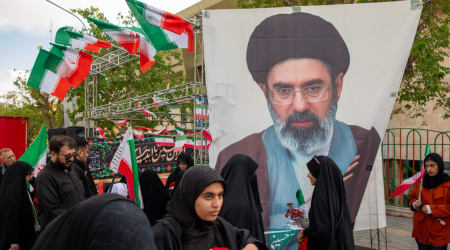
Iran catches US intelligence off guard with military recovery during ceasefire
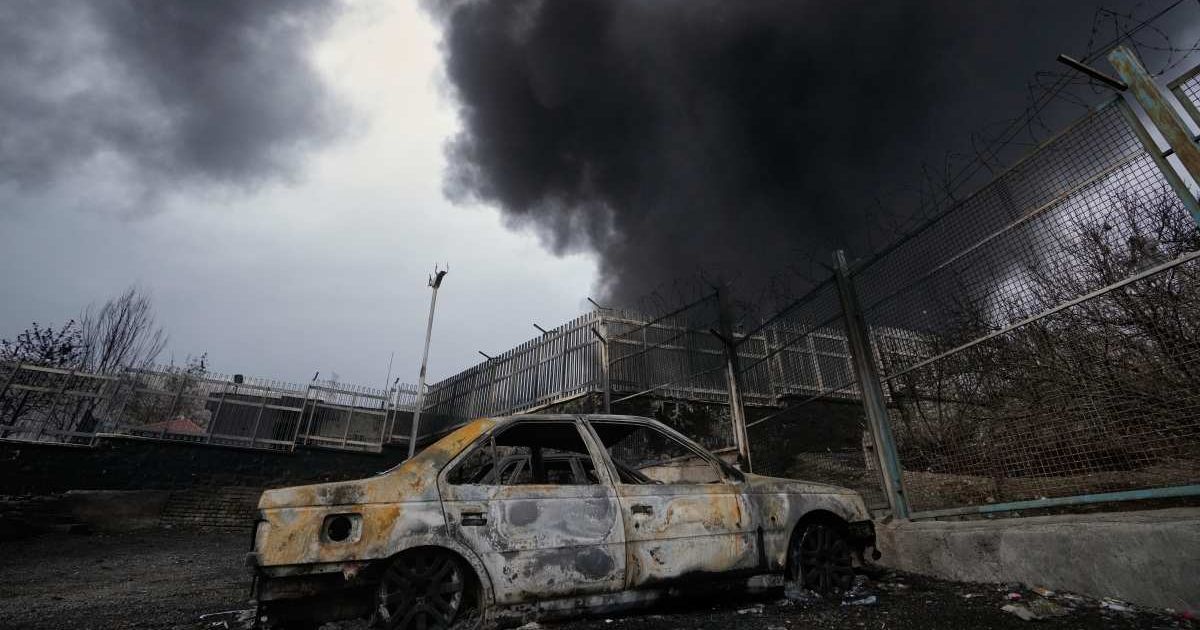
WASHINGTON, DC: Just weeks after American and Israeli strikes were hailed as a crushing blow to Iran’s military network, new US intelligence is painting a far more unsettling picture behind closed doors: Tehran is already rebuilding.
According to a CNN report published on Thursday, May 21, officials tracking Iran’s defense activity now believe that the country has moved much faster than expected to restore parts of its military infrastructure during the ongoing ceasefire, with drone production emerging as one of the first systems to come back online.
New reports say Iran is rebuilding parts of its military and drone production far faster than expected, despite massive American and Israeli strikes earlier this year.
— Hananya Naftali (@HananyaNaftali) May 21, 2026
That should alarm the entire world.
The regime is rebuilding.
The threat is growing again.
And the clock is… pic.twitter.com/TNR5KMB4fp
US intel claims Iran recovering faster than expected
The speed of the recovery has reportedly shocked sections of the US intelligence community, especially after repeated public claims that Iran’s military industry had been devastated for years to come.
One US official familiar with the assessments reportedly described the pace of recovery as well beyond earlier projections, suggesting Iran has managed to outstrip previous American estimates about how long reconstruction would take.
Behind the scenes, intelligence agencies now believe the temporary halt in large-scale fighting may have handed Iran exactly what it needed most: time.
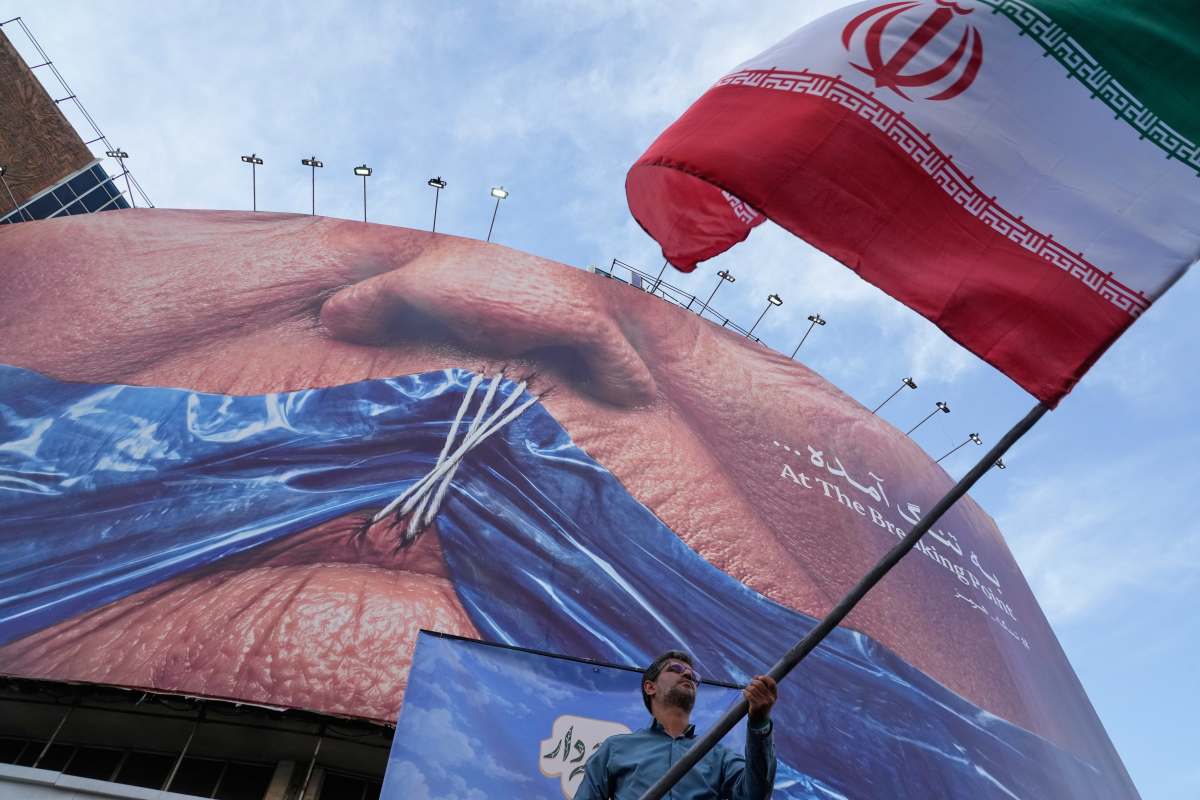
Rather than remaining paralyzed after the strikes, Tehran appears to have used the pause to recover launch systems, reconnect supply chains and restart portions of its weapons production infrastructure.
Analysts monitoring the situation reportedly believe some missile launchers once thought destroyed may simply have been buried or disabled temporarily and are now being restored.
Drone manufacturing has become a particularly urgent concern for US allies in the region.
Unlike advanced missile systems, drones are cheaper, easier to mass-produce and capable of creating relentless pressure through swarm-style attacks.
⚡️BREAKING: Trump hints at restarting the war with Iran upcoming weekend
— Iran Observer (@IranObserver0) May 21, 2026
President Trump states he may skip his son's wedding, "I've got something called Iran" pic.twitter.com/JQQxwI1eyU
That means Iran may not need to fully restore its ballistic missile arsenal immediately to remain dangerous.
Trump's threats now carry a new risk
The intelligence picture is becoming increasingly important because President Donald Trump has repeatedly warned that military action could resume if negotiations with Tehran fail.
But officials examining the latest assessments now fear another round of fighting may look very different from what Washington initially expected. Even after months of strikes, Iran is still believed to possess sizable military capability across several fronts.
Intelligence assessments reportedly indicate that large numbers of drones remain intact, while portions of Iran’s missile and coastal defense systems also survived the bombardment.
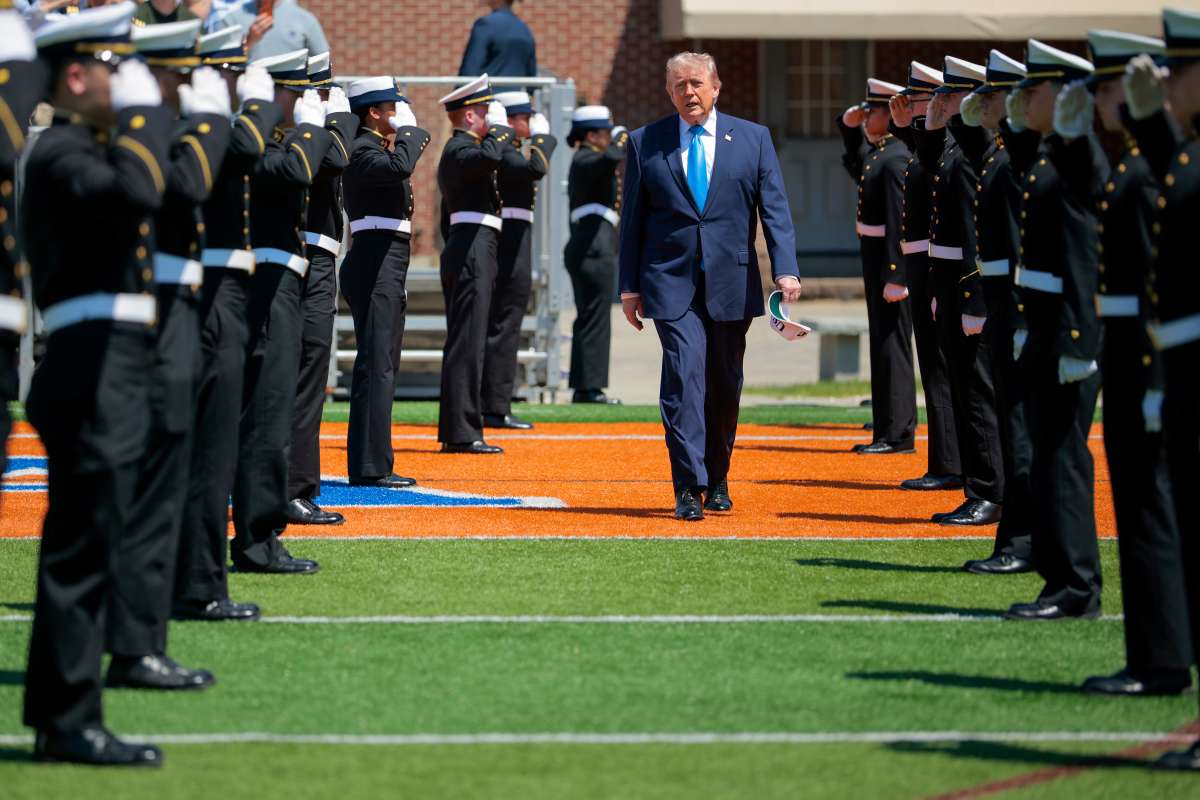
That includes weapons positioned near the Strait of Hormuz, the critical shipping corridor through which a massive portion of the world’s oil supply passes.
The emerging intelligence has also intensified quiet disagreements inside Washington over whether the military campaign achieved what leaders publicly claimed.
US intelligence officials are also scrutinizing possible outside support flowing into Iran during the conflict.
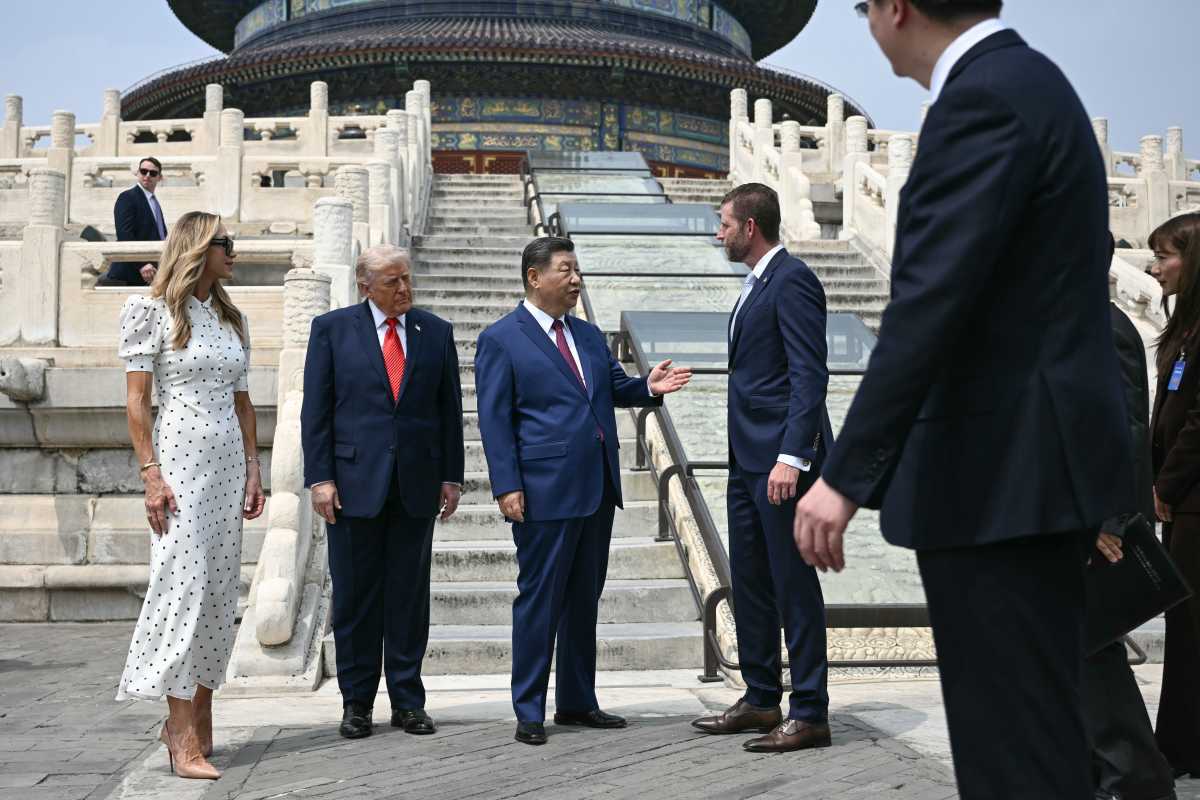
Some assessments reportedly point to continued Chinese-linked supply activity involving components that could assist missile manufacturing or military rebuilding efforts.
Israeli officials have publicly raised similar concerns in recent days, accusing Beijing of helping sustain Iran’s weapons infrastructure during the war. China has rejected those accusations.
Still, inside Washington, fears are growing that Iran may not be rebuilding alone.