Iran puts a new price on reopening the Strait of Hormuz
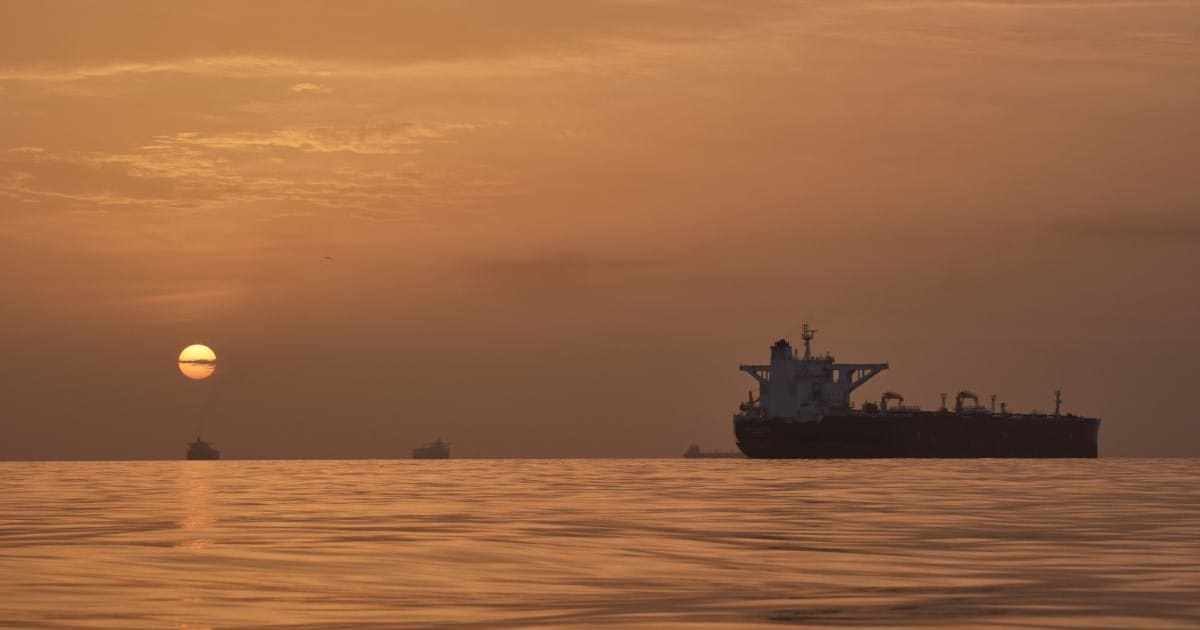
MUSCAT, OMAN: Iran introduced sweeping new conditions for reopening the Strait of Hormuz on Saturday, August 8, demanding major policy concessions from the United States before allowing normal maritime traffic to resume.
The new position, outlined by Iran's Supreme National Security Council, comes as negotiations enter a critical phase with little more than a week left before the current deadline for a broader agreement.
The new conditions expand the negotiations beyond reopening the shipping lane, with Iran demanding sanctions relief, compensation, military withdrawal, and the release of frozen assets before normal traffic resumes.
Mohammad Bagher Zolghadr
— Iran in India (@Iran_in_India) August 8, 2026
Secretary of the Supreme National Security Council of the Islamic Republic of Iran:
The Strait of Hormuz will not be reopened unless the United States changes its approach and ends its pressure.
The required changes in behavior are as follows:
Iran must… pic.twitter.com/vgz990IfWl
Tehran raises negotiating stakes
A statement carried by Iranian state media said the Strait of Hormuz would remain closed until the United States "corrects its behavior."
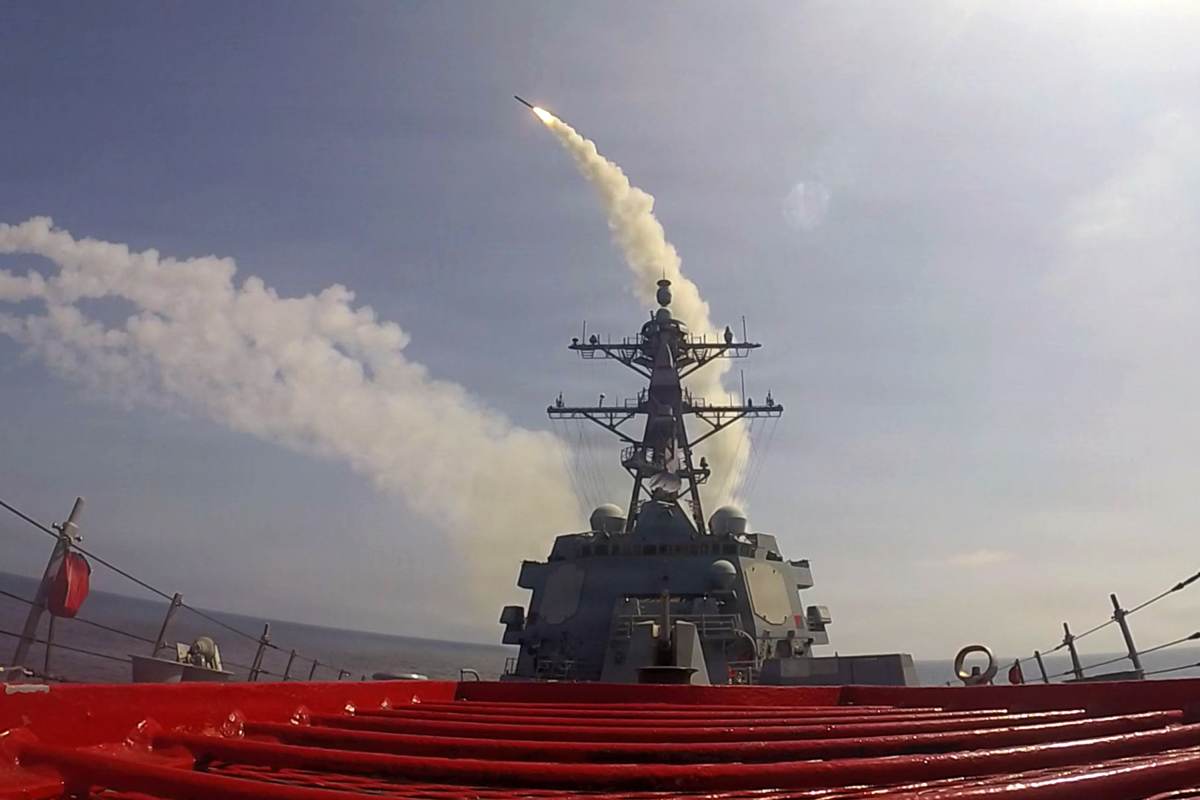
According to the Iranian Supreme National Security Council, Washington must permanently end military action against Iran and its regional allies, lift its naval blockade, remove US forces from the region, lift sanctions, release frozen Iranian assets without conditions, and compensate Tehran for damage caused during the conflict.
The United States has not publicly responded to the latest demands. Under the interim agreement reached in June, discussions over sanctions relief, compensation, and frozen assets were expected to form part of negotiations toward a final settlement rather than a precondition for reopening the waterway.
Shipping talks continue separately
Iranian Foreign Minister Abbas Araghchi said discussions with Oman on navigation arrangements were progressing, particularly on establishing a safe transit route through the Strait of Hormuz.
He added, however, that restoring normal shipping remained dependent on broader political conditions, accusing the United States of violating the interim agreement.
Oman, which has been mediating between the sides, said negotiations were continuing in a "positive and constructive atmosphere" while urging all parties to protect commercial shipping.
Iran’s Foreign Minister Abbas Araghchi:
— Tabz (@TabzLIVE) August 8, 2026
Talks with Oman on a new transit route through the Strait of Hormuz are close to reaching an agreement.
Due to technical and legal complexities, negotiations are currently underway over a temporary route, which could naturally also serve… pic.twitter.com/fntOZIjmYL
The current negotiating window is due to expire in just over a week, though officials have indicated it could still be extended if talks continue.
Fresh security risks emerge
The diplomatic uncertainty comes as commercial vessels continue facing security risks in the region.
UAE Strongly Condemns Targeting of ADNOC Carrier While Transiting Strait of Hormuz https://t.co/hoOAZ8D0RT pic.twitter.com/UQ6BqzC2Ea
— MoFA وزارة الخارجية (@mofauae) August 8, 2026
Earlier Saturday, the United Arab Emirates said a vessel operated by ADNOC was struck while passing through the Strait of Hormuz.
ADNOC said there were no fatalities in the latest incident but noted that multiple company vessels had come under missile and drone attacks since the conflict began earlier this year.
UKMTO has received a report of an incident 18NM east of Khasab, Oman.
— Giovanni Staunovo🛢 (@staunovo) August 8, 2026
A verified source has reported that a vessel was struck by an unknown projectile which caused a fire that has been extinguished. There is no reported environmental impact. The vessel and crew are reported as… https://t.co/nwJIWeT9eK
Separately, the United Kingdom Maritime Trade Operations center reported that another vessel near Khasab, Oman, was hit by a projectile that caused a fire before being brought under control.
It was not immediately clear whether the two incidents involved the same ship.