Iran threatens war ‘beyond the region’ if US attacks, IRGC warns after US aborted the bombing plan
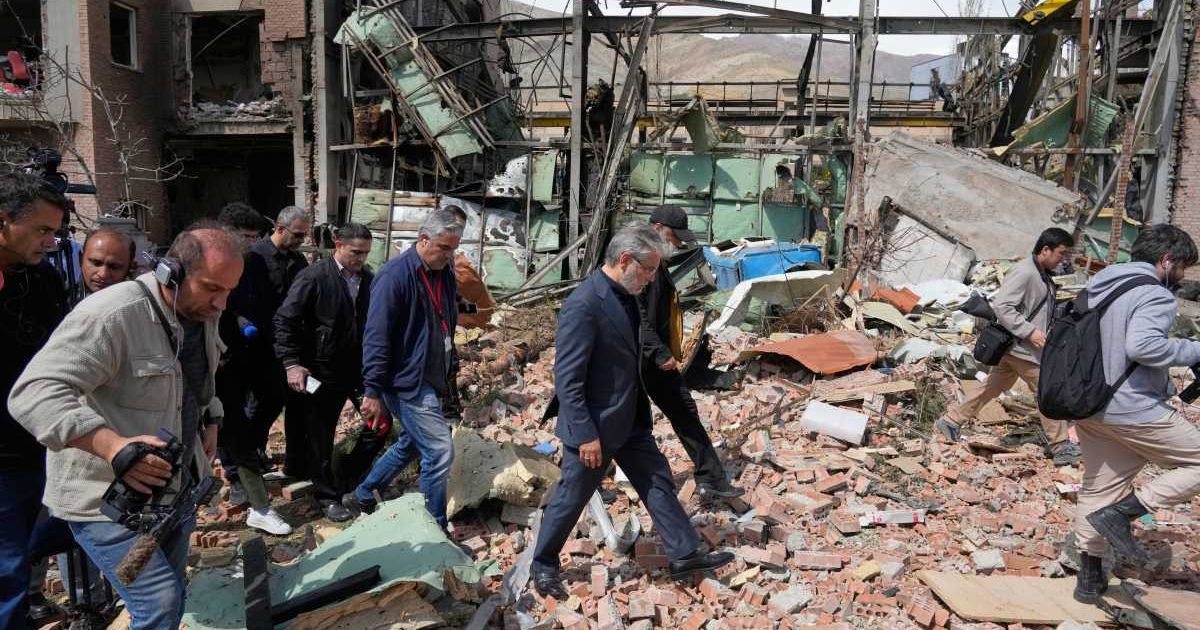
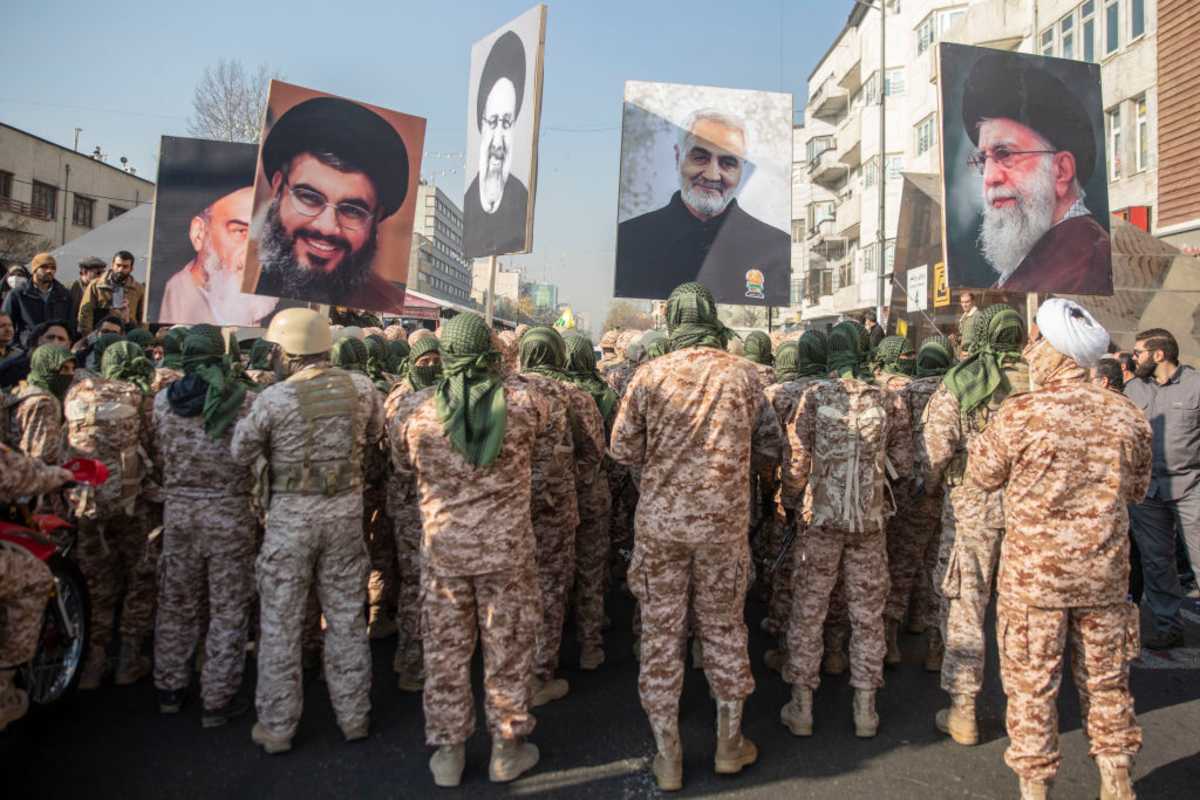
TEHRAN, IRAN: The Islamic Revolutionary Guard Corps issued a severe international ultimatum on Wednesday, May 20, threatening to expand active warfare far beyond the borders of the Middle East if the United States resumes its military campaign.
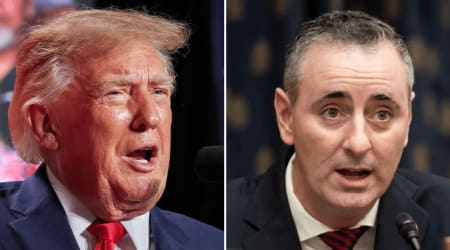
The warning, carried across Iranian state media, arrived less than 24 hours after President Donald J Trump disclosed to reporters at the White House that he had come within a single hour of restarting a full-scale bombing operation against the country.
Six weeks have passed since President Trump paused Operation Epic Fury, the combined US-Israeli military campaign that killed thousands of people inside Iran before being suspended under a fragile April ceasefire.
While Pakistan’s interior minister arrived in Tehran on Wednesday to convey messages between the two sides, top-level diplomatic talks have completely stalled.
Iran has recently proposed a revised 14-point framework; however, the document reiterates several fundamental terms that the White House has previously rejected.
These include demands for sovereign control over the Strait of Hormuz, direct financial compensation for war damages, the lifting of all economic sanctions, the release of frozen national assets, and the complete withdrawal of US troops from the region.
Revolutionary Guards threaten expanded global hostilities
The Revolutionary Guards made it clear on Wednesday that their retaliation strategy will no longer remain confined to localized encounters.
In previous phases of the conflict, Tehran had focused its threats on striking neighboring Middle Eastern countries that house American military installations.
The new command doctrine marks a sharp escalatory shift toward globalized asymmetric operations.
"If aggression against Iran is repeated, the promised regional war will extend beyond the region this time," the Revolutionary Guards stated in their official publication.
The threat of far-reaching hostilities was calculated to match the tone of President Trump, who noted on both Monday and Tuesday that he was ready to unleash an immediate bombing run before granting a last-minute delay.
While US forces remain on standby, the Revolutionary Guards are aiming to leverage the threat of an internationalized conflict to force additional Western concessions.
Chinese supertankers cross maritime chokepoint
As the diplomatic gridlock continues, the physical control of global energy corridors remains the primary flashpoint.
Iran has largely closed the Strait of Hormuz to all commercial traffic since the US-Israeli campaign commenced in February, precipitating the largest disruption to global energy supplies in recorded history.
Washington responded last month by enforcing its own maritime blockade of Iranian ports, but Tehran has begun selectively easing restrictions for its direct economic allies.
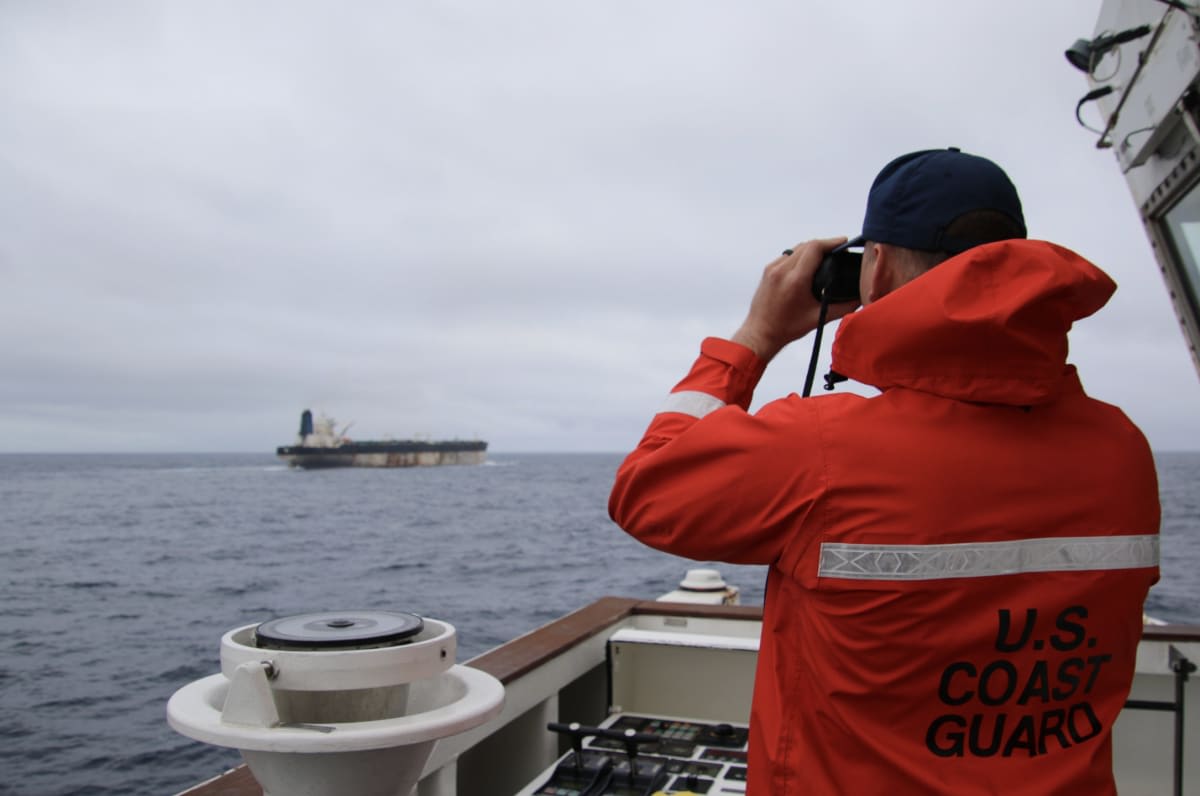
Two giant Chinese tankers laden with a total of around 4 million barrels of crude oil successfully exited the strait on Wednesday.
The transit follows an agreement reached last week during Trump's summit in Beijing to relax rules for Chinese vessels. South Korea's foreign minister also confirmed a Korean tanker was crossing the strait in direct cooperation with Iran.
Shipping monitor Lloyd’s List reported that 54 ships transited the channel last week, double the previous week's volume but that figure remains a tiny fraction of the 140 daily transits that crossed before the war.
Meanwhile, India is preparing to test the waters by sending empty tankers into the Gulf to extract trapped ships.
Fluctuating positions trigger energy market volatility
The domestic political stakes are rising rapidly for President Trump, who faces intense domestic pressure to bring an end to the war as soaring global energy prices threaten the Republican Party ahead of the November congressional elections.
The administration's public messaging has fluctuated wildly between threats of a renewed bombing campaign and claims that a peace agreement is imminent, causing global oil benchmarks to bounce erratically from hour to hour.
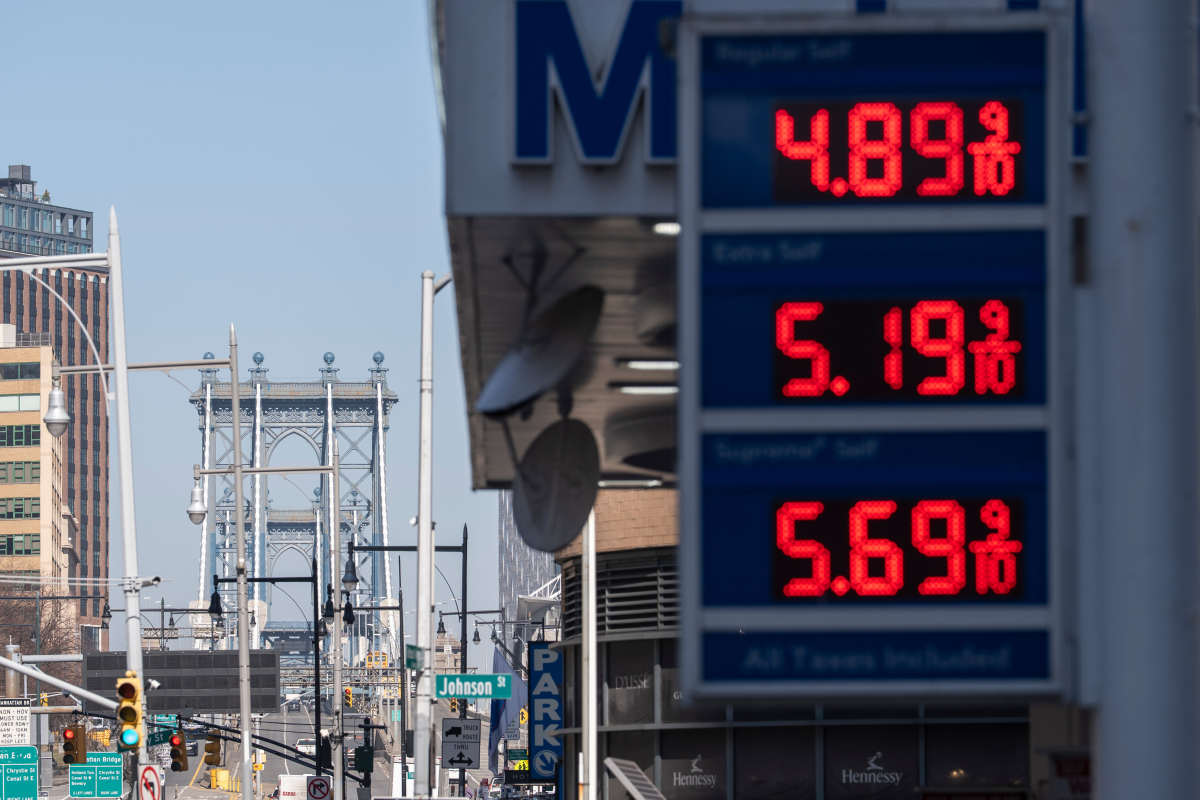
Benchmark one-month Brent crude futures eased roughly 2.75% on Wednesday morning to hover near $108 a barrel as investors struggled to analyze the mixed signals.
While Trump claimed negotiations were going well and would conclude "very quickly," Vice President JD Vance, who led the US delegation during last month's sole round of face-to-face peace talks, echoed the optimistic sentiment, stating, "We’re in a pretty good spot here."
However, financial analysts remain highly cautious, noting that despite the original war aims of dismantling Iran's nuclear program and destroying its proxy missile capabilities, Tehran has successfully retained its stockpile of near-weapons-grade enriched uranium and its ability to threaten neighbors with drone networks.